Why Is EPDM Rubber Commonly Used in Automotive Tire Valve Stems?
 20Jul
20Jul 

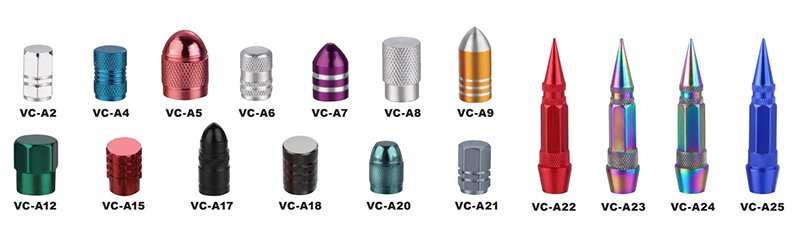
As wheel design continues to evolve in 2025, small components such as tire valve caps are no longer treated as purely decorative accessories. They serve a sealing and protective function for tire valves, including assemblies integrated with a tpms valve stem. Incomplete sealing, moisture intrusion, or corrosion at the valve interface can gradually affect pressure stability and long-term sensor reliability.
From a manufacturing perspective, valve caps must combine dimensional precision, material stability, and corrosion resistance while aligning with modern wheel aesthetics. Below is a technical review of three valve stem cap structures that are influencing 2025 wheel trends.
Valve caps act as a secondary seal over the valve core. Although the internal valve mechanism maintains primary pressure retention, the cap prevents dust, salt spray, and water from contaminating the valve seat.
In regions exposed to winter road salt or humid climates, unprotected tire valves are more susceptible to:
• Corrosion on valve threads
• Debris accumulation at the core
• Slow air leakage over time
• Degradation of TPMS sealing surfaces
For vehicles equipped with clamp-in metal TPMS systems, the cap also helps shield external threads from oxidation. Inadequate protection can accelerate wear, particularly when incompatible metals are used.
Therefore, cap selection is not only aesthetic—it influences long-term valve integrity.

Current wheel trends emphasize:
• Lightweight metal components
• Color-matched finishes
• Improved corrosion resistance
• Precision-machined detailing
• Compatibility with TPMS-equipped vehicles
Plastic caps remain widely used, but demand is shifting toward machined aluminum and surface-treated alloys that provide extended durability without adding excessive rotational mass.
Machined aluminum caps continue to lead the premium segment. These designs typically use CNC-machined alloy bodies with internal thread calibration to ensure secure engagement on standard Schrader-type tire valves.
Key structural characteristics:
• Lightweight aluminum alloy body
• Anti-corrosion surface treatment
• Thread precision control
• Knurled or textured grip profile
Compared with low-density plastic caps, aluminum versions provide improved structural rigidity and better environmental resistance. They are particularly suitable for alloy wheels and vehicles equipped with metal tpms valve stem assemblies.
When engineered correctly, aluminum caps do not interfere with sensor transmission or pressure monitoring performance.
From a production standpoint, thread tolerances must remain consistent to prevent cross-threading and maintain reliable sealing engagement.
Anodized aluminum remains one of the most technically stable finishing processes for automotive accessories.
The anodization process forms a controlled oxide layer on the aluminum surface, which:
• Enhances surface hardness
• Improves corrosion resistance
• Provides long-term color retention
• Reduces surface oxidation
Unlike painted finishes, anodized layers integrate into the metal surface rather than sitting on top. This increases wear resistance when caps are repeatedly removed and reinstalled.
Material benefits include:
• Stable performance in high-temperature environments
• Resistance to road salt exposure
• Dimensional stability
• Low weight
Anodized caps are widely used in performance wheel builds because they combine visual customization with structural reliability.
Compatibility remains broad across cars, motorcycles, and light trucks using standard tire valves.
In 2025, decorative caps such as dice-style designs continue to appear in aftermarket builds. These caps prioritize distinctive geometry while maintaining thread compatibility.
Structural considerations include:
• Material choice (plastic vs. metal)
• Internal thread reinforcement
• Balance between weight and durability
• Surface coating resistance
Plastic decorative caps offer low cost and easy replacement, but long-term durability may be limited under extreme temperature or UV exposure.
Metal decorative caps provide improved longevity and better resistance to cracking. However, dimensional accuracy remains critical to ensure proper sealing on tire valves and compatibility with tpms valve stem systems.
Regardless of external shape, internal thread machining quality determines actual performance.
Cap selection should be based on:
• Valve type (rubber snap-in or metal clamp-in)
• Environmental exposure conditions
• Desired corrosion resistance level
• Aesthetic requirements
• Compatibility with TPMS systems
For vehicles operating in harsh climates, corrosion-resistant aluminum or anodized finishes are recommended. Plastic caps remain suitable for standard driving conditions when periodic inspection is maintained.
Bulk procurement for workshops or distributors should also evaluate consistency in thread machining and coating uniformity.
From a supplier perspective, quality evaluation includes:
• Thread tolerance inspection
• Salt spray corrosion testing
• Surface coating thickness verification
• Material composition control
• Dimensional batch consistency
Inconsistent thread depth or plating thickness can result in poor engagement or premature corrosion.
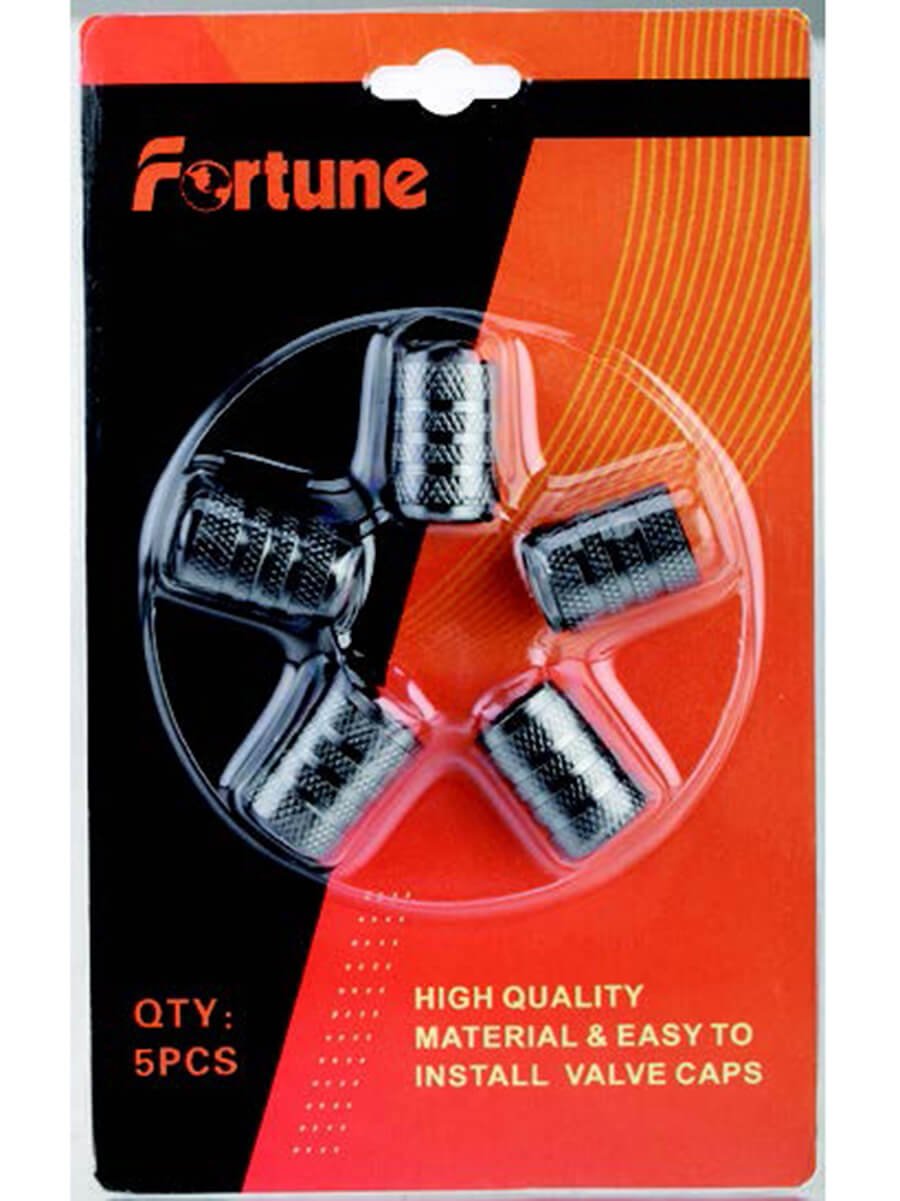
fortune manufactures tire valve caps under controlled machining and surface treatment processes to ensure compatibility with both conventional tire valves and metal tpms valve stem systems. Production batches undergo corrosion resistance and fitment verification to maintain stable long-term performance across global market conditions.
Valve stem caps remain a functional component within the wheel assembly. In 2025, the preferred designs combine lightweight aluminum structures, corrosion-resistant surface treatment, and dimensional precision.
Precision-machined aluminum, anodized finishes, and reinforced decorative caps represent the dominant configurations in current wheel trends. Selection should prioritize structural compatibility with tire valves and TPMS systems rather than appearance alone.
By maintaining strict material control and manufacturing accuracy, reliable tire valve caps protect valve assemblies, reduce contamination risk, and support long-term pressure stability within modern wheel systems.
You just twist off your old caps and screw on the new ones by hand. No tools needed. Make sure the caps fit snugly to keep out dirt and moisture.
Most custom valve stem caps fit standard Schrader valves. You find these on cars, trucks, motorcycles, and bikes. Always check your valve type before buying to make sure you get the right fit.
No, custom valve stem caps do not interfere with TPMS (Tire Pressure Monitoring Systems). You can use them safely with vehicles that have tire pressure sensors.
You can buy locking valve stem caps. These need a special tool to remove. If you park in public places often, locking caps help keep your custom caps safe.
Yes! Metal caps like aluminum or stainless steel work well in winter. They resist rust and protect your valve stems from salt, snow, and ice. Just check them sometimes to make sure they stay tight.
 Request a quote