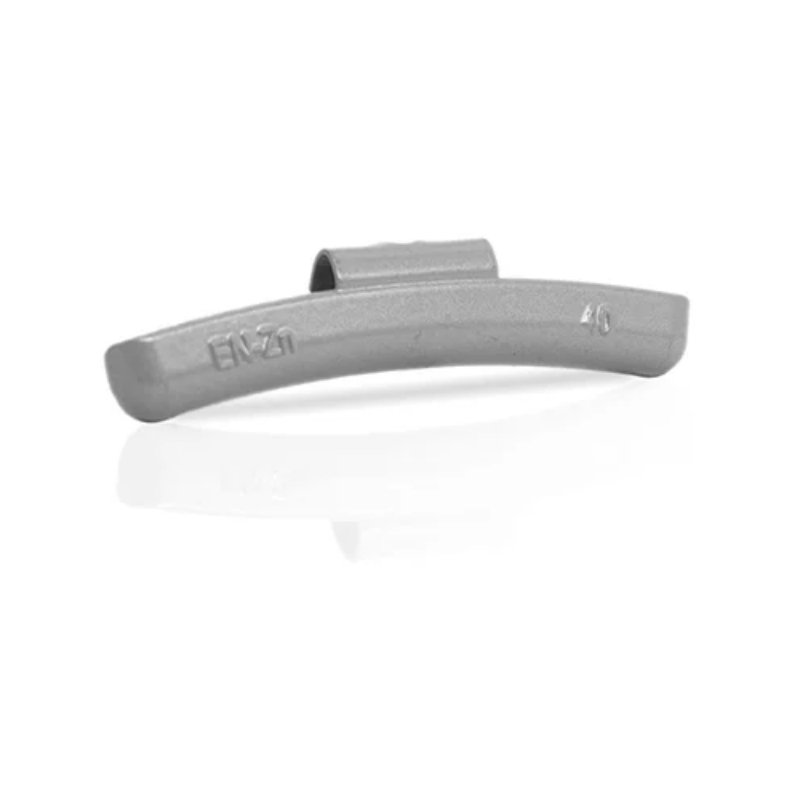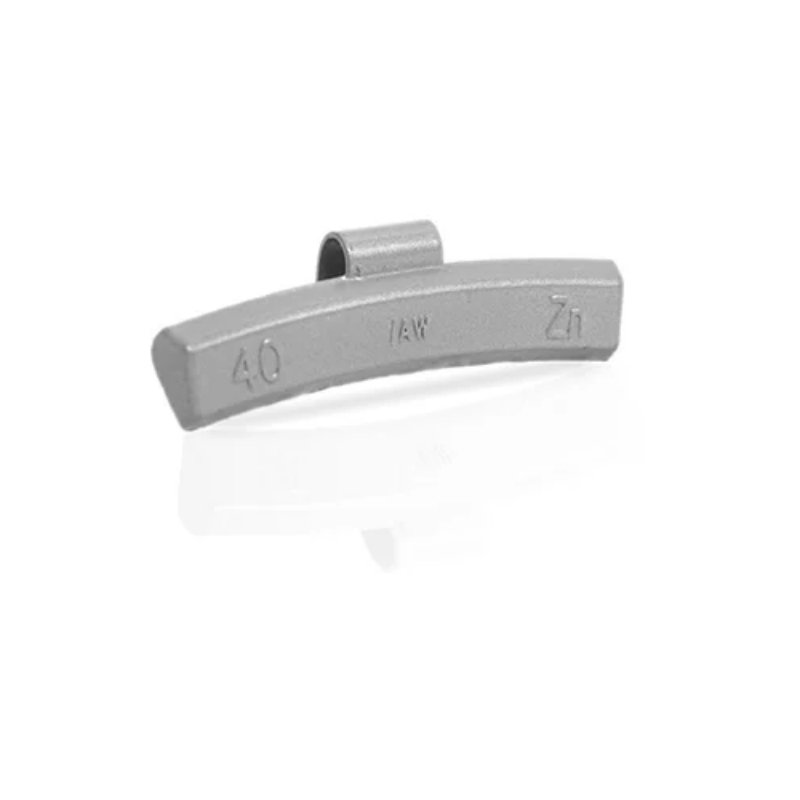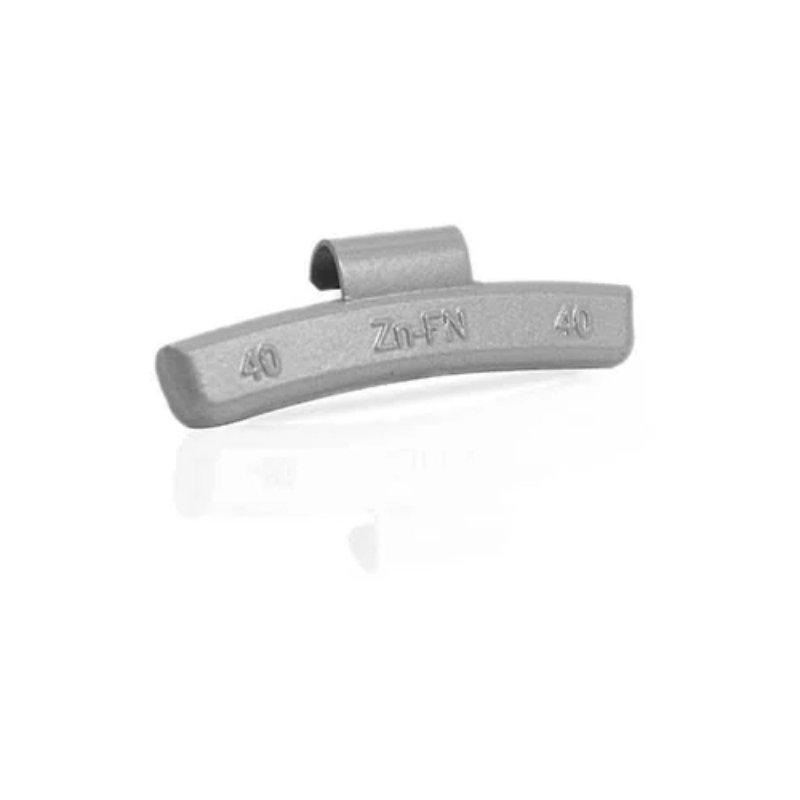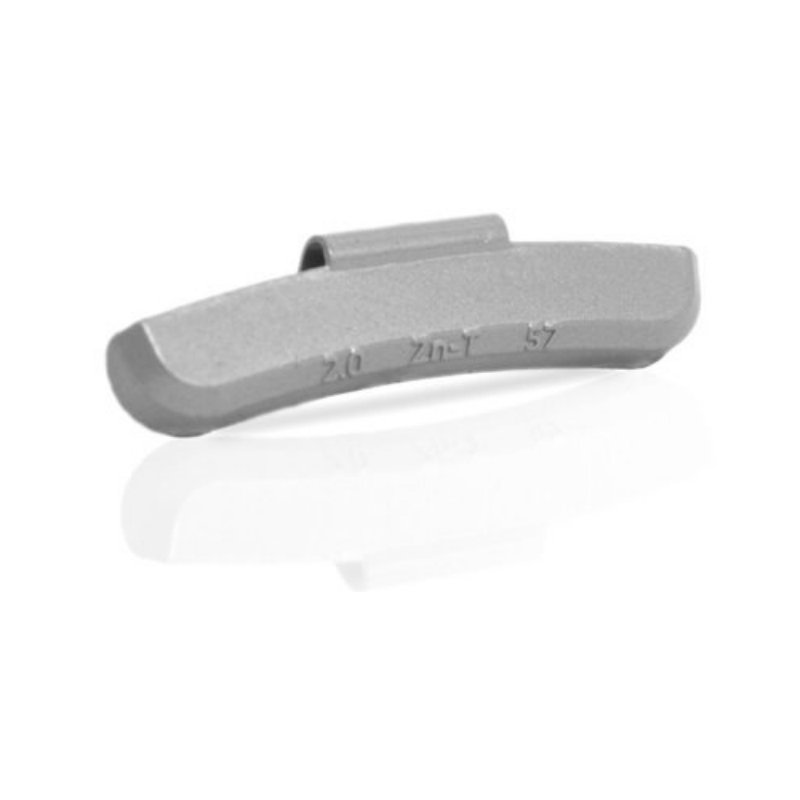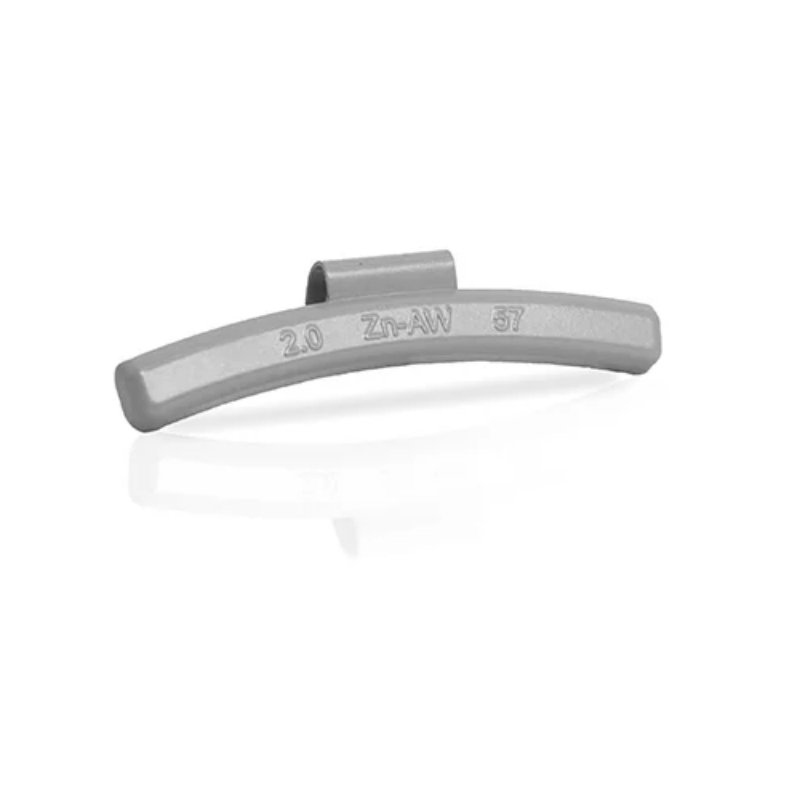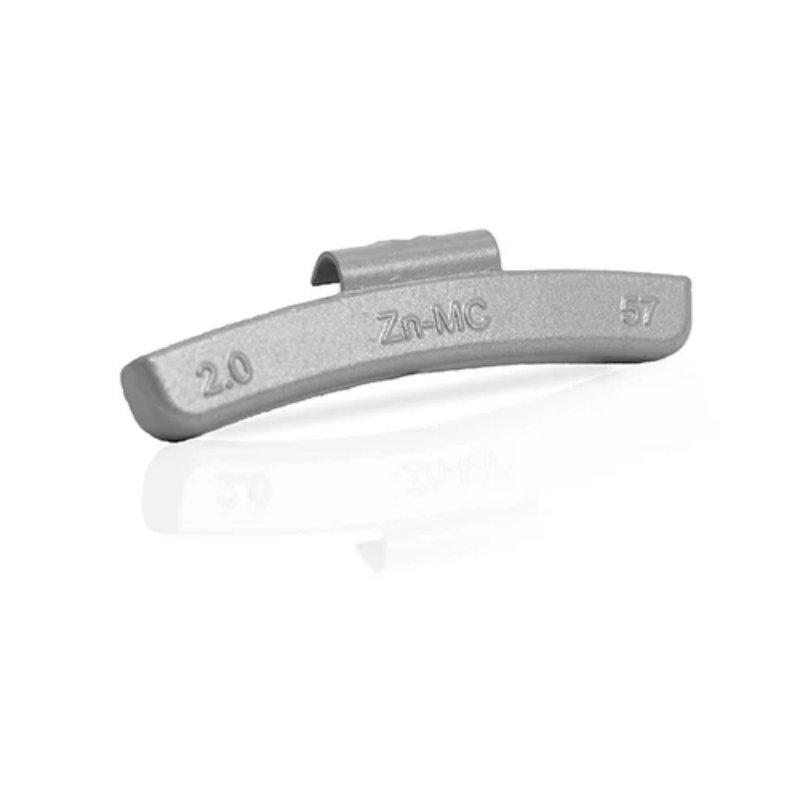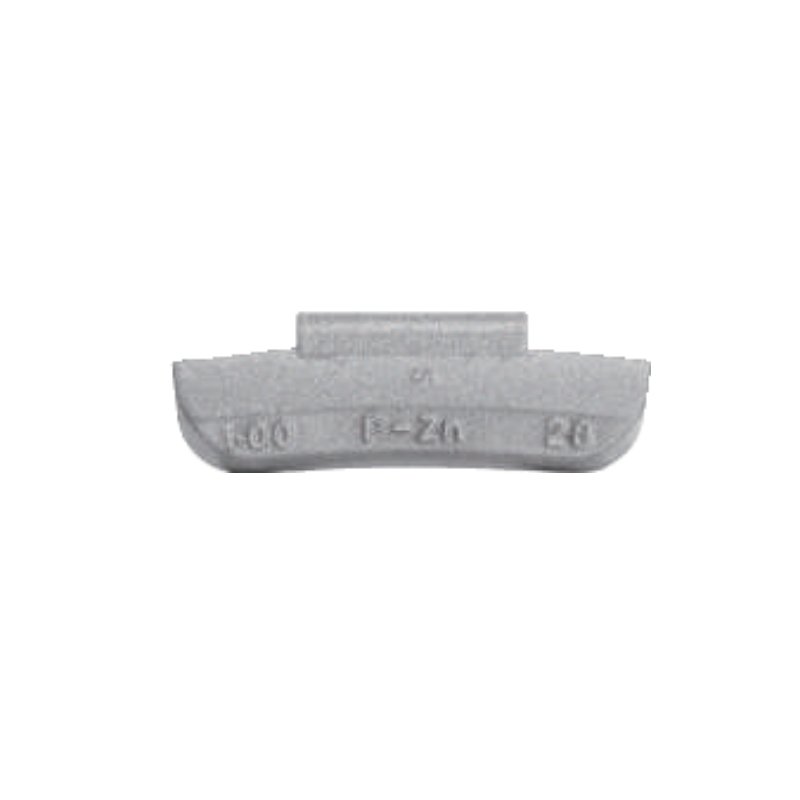

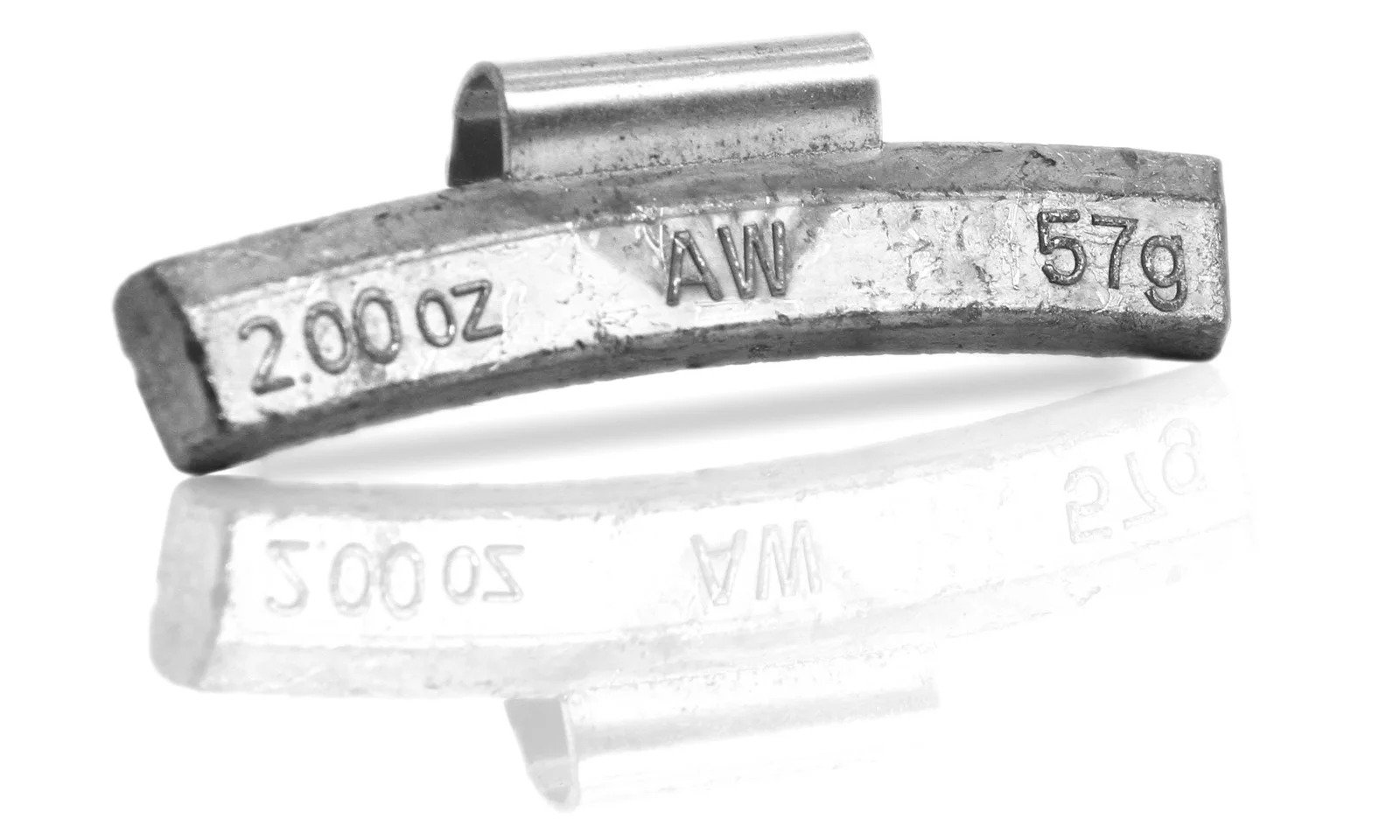
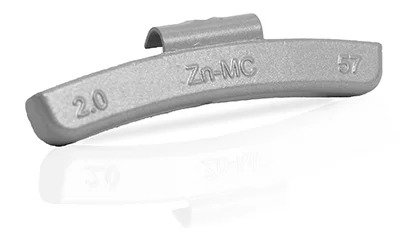
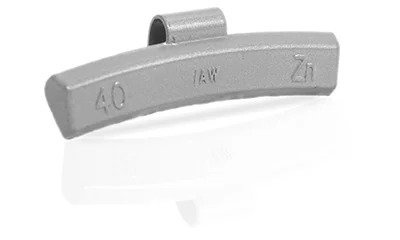
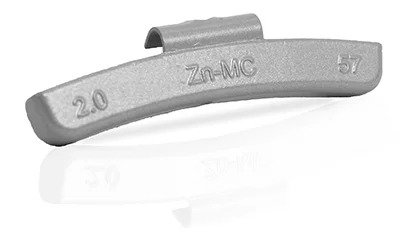
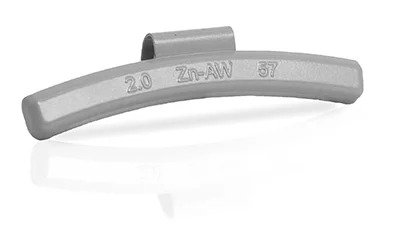
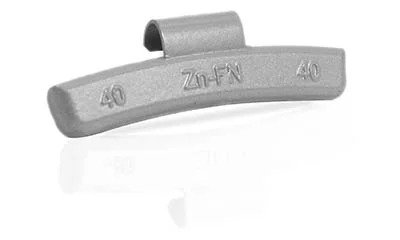
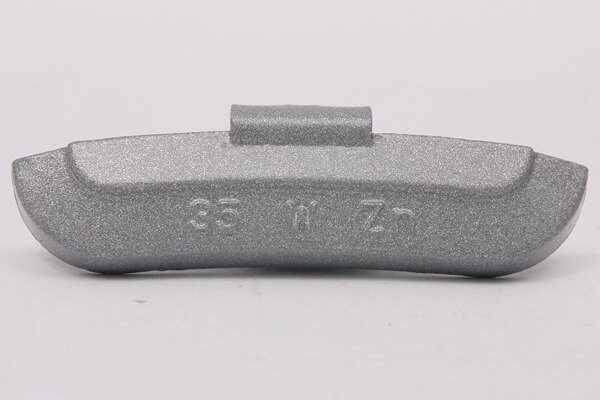
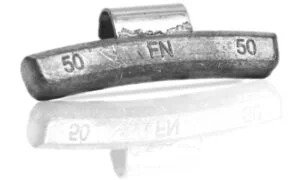
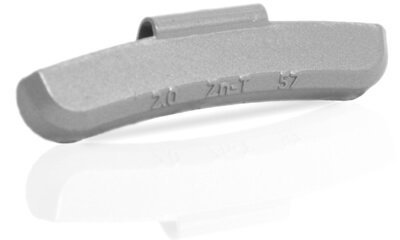
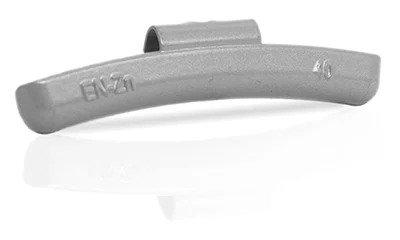
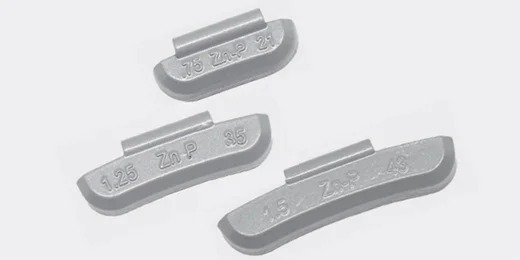
Fortune zinc clip-on wheel weights are the corrosion-resistant, lead-free option for alloy wheels. Die-cast from zinc alloy and supplied bare or with a protective finish, they are the specification Fortune recommends for alloy-wheel markets. Zinc does not rust, holds tight dimensional tolerances that let each clip seat without being bent, and keeps a clean grey appearance on visible wheel faces. Fortune runs zinc, steel and lead on the same series grid, so you can match the material to the market without changing your fitment data. For distributors serving Japanese, European and Asian passenger-car parc, zinc clip-on weights deliver lead-free compliance without the red-brown staining that uncoated steel can develop.
Zinc earned its place on its own merits, not as anybody’s substitute.
Zinc is the material Fortune recommends when the parc is dominated by alloy wheels and the buyer cares how the wheel looks as well as how it balances; steel is the call for lowest cost and maximum impact resistance across steel rims and fleet work.


Weight for weight, zinc takes up a little more space than steel or lead. Depending on the alloy, zinc runs at roughly 6.6 to 7.1 g/cm³, against about 7.85 g/cm³ for steel and 11.34 g/cm³ for lead, so a zinc weight of a given mass has a longer, flatter body. On the great majority of wheels that makes no difference at all, and a flatter body beds more evenly against a curved barrel.
before you commit to a zinc programme, check the gap between the rim barrel and the brake caliper, and check deep multi-spoke sections where a longer body can bridge two spokes. Zinc is also packed in finer early increments — 0.25 oz and 0.50 oz at 50 pieces per box — which helps technicians hit small corrections with a single weight.
Zinc has become the default material for modern clip-on wheel weights, and for good reason. As lead restrictions tighten worldwide, zinc offers a non-toxic, long-lasting solution that performs as well or better in real-world conditions. Here are the five reasons Fortune specifies zinc for alloy-rim applications.
Forms a dense oxide film that slows attack, so it does not develop the red-brown rust seen on uncoated steel after winter.
On a polished or painted alloy wheel, zinc's uniform grey finish reads as intentional rather than corrosion, and it stays that way.
Meets lead-free specifications wherever asked, accepted in every market Fortune serves with dependable global supply.
Most zinc weights are supplied bare, because the material does not need a coating to resist corrosion in normal service… a workshop can switch between bare and coated without changing series or tools.
Perfectly suited for normal service. Does not need a coating to resist corrosion.
Carries a thin protective film over the die-cast body for de-icing salt, coastal air or extreme environments.
Fortune zinc clip-on weights cover the North American ounce series (REG, MC, AW, T) and the metric gram series (FN, IAW, EN) for Japanese, European and Asian alloy wheels. The ounce range runs from 0.25 oz to 3.00 oz, packed 50 pieces per box in the small sizes and 25 pieces per box from 1.00 oz upward. This packaging suits alloy-wheel service, where small corrections are the norm and a box of 25 heavy weights would turn over slowly.
REG is the standard passenger-car profile for 13 to 17 inch steel rims with a standard-width flange.
0.25–0.50 oz
0.75 oz
1.00 oz
1.25–2.50 oz
2.75–3.00 oz
MC is profiled for North American alloy rims and covers Buick, Chevrolet, Chrysler, Dodge, Ford, Mazda, Oldsmobile, Pontiac and Saturn.
0.25–0.50 oz
0.75 oz
1.00 oz
1.25–2.50 oz
2.75–3.00 oz
AW serves North American alloy rims built before 1995, adding Acura, Infiniti, Isuzu and Lexus to the coverage.
0.25–0.50 oz
0.75 oz
1.00 oz
1.25–2.50 oz
2.75–3.00 oz
FN is the Japanese-vehicle workhorse, covering Acura, Honda, Infiniti, Lexus, Nissan and Toyota.
5–15 g
20 g
25–30 g
35 g
40–55 g
60 g
IAW spans new Ford, European and Asian alloys including Audi, BMW, Cadillac, Jaguar, Kia, Nissan, Toyota, Volkswagen and Volvo.
5–15 g
20 g
25–30 g
35 g
40–55 g
60 g
T is the light-truck series for decorative or thicker steel wheels and most non-commercial light-truck alloys.
0.25–0.50 oz
0.75 oz
1.00 oz
1.25–2.50 oz
2.75–3.00 oz
EN targets the German premium flange on Audi, Mercedes-Benz and Volkswagen.
5–15 g
20 g
25–30 g
35 g
40–55 g
60 g
Correct fitment starts with the series code, not the box label. Use the guide below to match each Fortune steel clip-on series to the right vehicle makes and rim type, then confirm the exact size against the vehicle service manual or a Fortune catalog. Getting this right the first time prevents comebacks and protects your reputation with every balanced wheel you ship.
| Series | Fits (rim / wheel) | Vehicle Brands |
|---|---|---|
| REG | Standard-width rim flange passenger-car steel wheels, 13″–17″ wheel size. | Universal Fit (All brands with standard steel rims) |
| MC | Most North American vehicles with alloy rims. | Buick, Chevrolet, Chrysler, Dodge, Ford, Mazda, Oldsmobile, Pontiac & Saturn |
| AW | North American alloy rims manufactured before 1995. | Acura, Buick, Chevrolet, Chrysler, Dodge, Infiniti, Isuzu, Lexus, Oldsmobile & Pontiac |
| T | Most North American light trucks with decorative/larger-thickness steel wheels and most light-truck alloy wheels. | Universal Fit (All Light Truck Brands) |
| FN | Most Japanese vehicles. | Acura, Honda, Infiniti, Lexus, Nissan & Toyota |
| IAW | New Ford models, most European & certain Asian alloy wheels. | Audi, BMW, Cadillac, Jaguar, Kia, Nissan, Toyota, Volkswagen & Volvo |
| EN | Audi, Mercedes-Benz, Volkswagen & very early-model Japanese alloy wheels. | Acura, Audi, Ford, Honda, Mercedes-Benz & Volkswagen |
Installing steel clip-on wheel weights is quick, but precision matters. Follow Fortune four-step method to guarantee retention, protect the rim, and deliver a vibration-free ride. A soft-tip installation hammer and a wheel balancer are all you need; no adhesives or cure time required.

Refer to the wheel weight application guide to select the proper wheel weight for the vehicle you are servicing. Verify that the wheel counterweight has been properly installed by testing the position of the wheel counterweight on the wheel rim. The clips on the counterweight block should align seamlessly with the contour of the wheel rim.
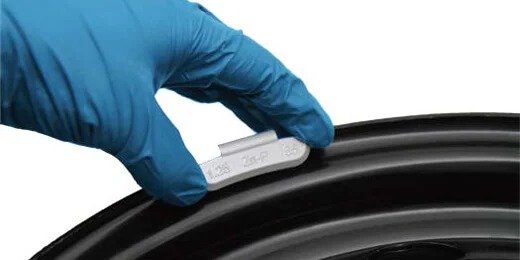
Position the weight at the point of imbalance identified by the balancer. Before you strike anything, make sure the top and bottom of the clip are both in full contact with the rim flange and that the body of the weight is clear of the rim surface. Always use a soft-tip hammer so you never scratch or dent the wheel during installation.
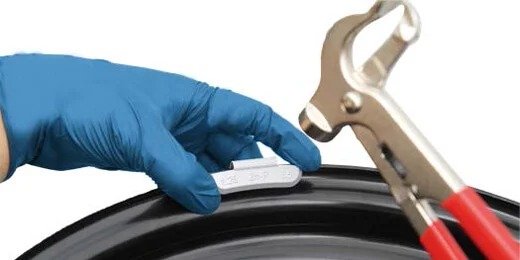
With the weight aligned, strike the clip area only, never the body. Use a soft-tip hammer and tap the clip area no more than twice. Over-striking or hitting the body can crack the clip, loosen retention or shift the weight, leading to failure. Two firm, accurate taps are enough to seat a steel clip-on securely.
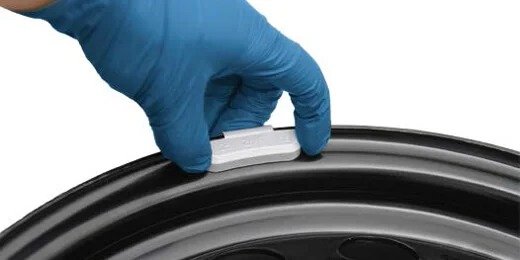
Spin the wheel on the balancer and confirm the heavy point is corrected with no wobble or vibration. If it is still out of balance, add or remove weights as needed. Finish with a short road test and listen for unusual vibration or handling changes. If the wheel runs true, the steel clip-on weights are doing their job.
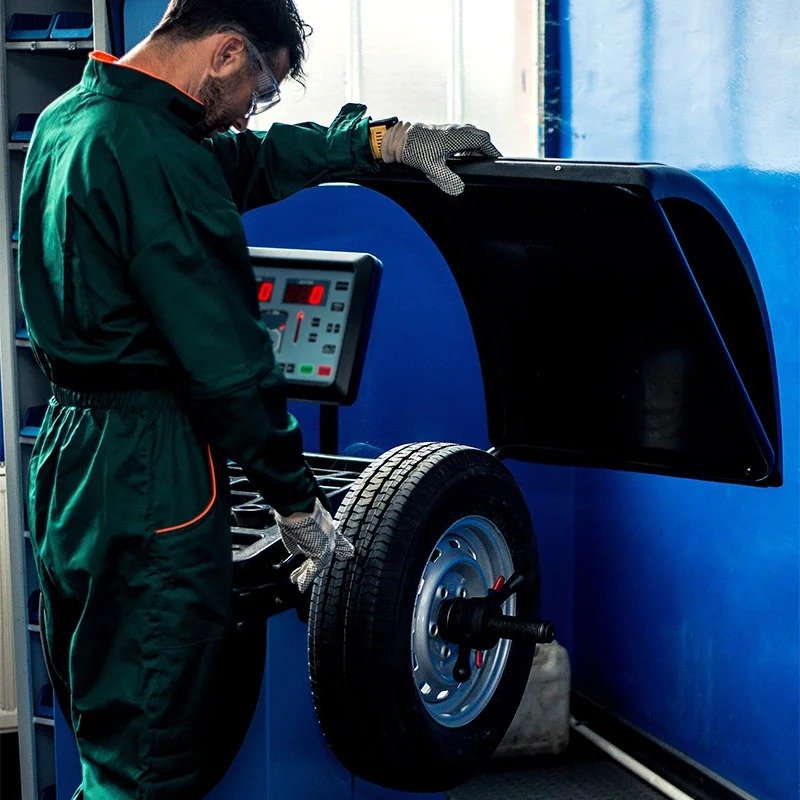
From your first sketch to full-scale production — four engineering milestones that turn your private-label idea into shelf-ready product. Our OEM process is transparent, timeline-driven and designed for buyers who need custom specifications without the engineering overhead.

Tell us the rim type, vehicle market and coating requirement. Our engineering team locks the geometry and material formula within 24 hours — cold-rolled steel strip grade, zinc layer thickness between 5 and 8 microns, lead alloy ratio or eco-friendly coating adhesive. No CAD file needed from you.
Progressive-die simulation using SIGMASOFT software validates material flow and identifies potential defects before cutting steel. Five-axis Swiss CNC machining produces functional samples with tolerances held to plus or minus 0.01 millimeters. Samples ship within 48 to 72 hours for immediate fitment testing.
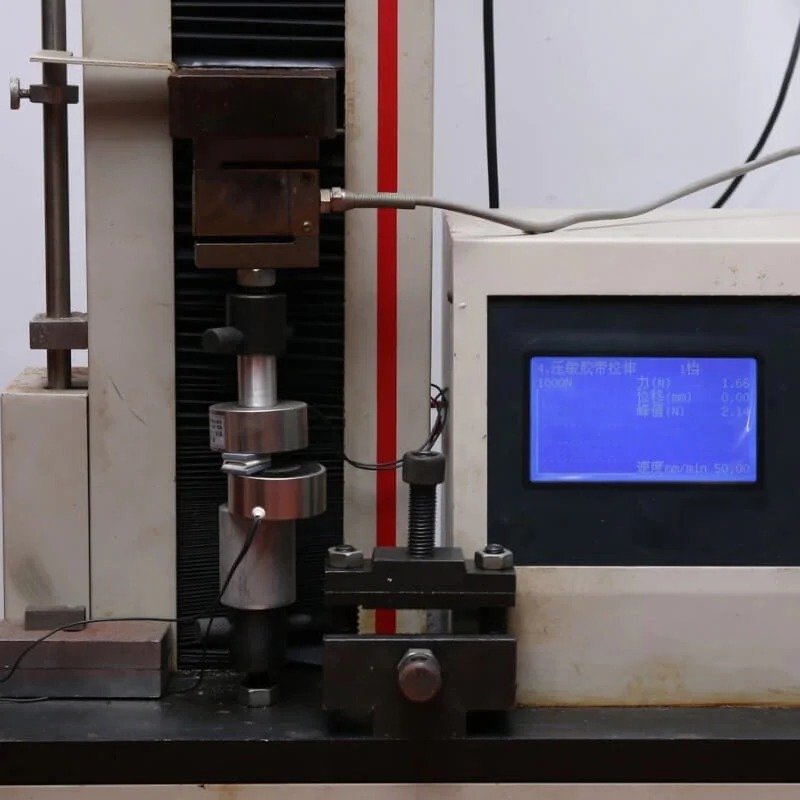
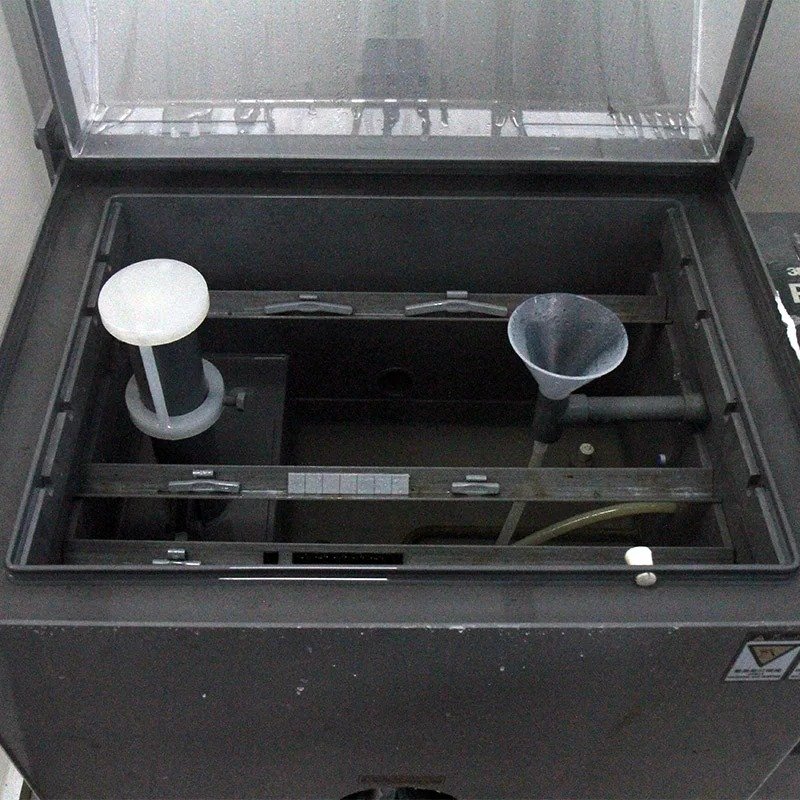
Every batch undergoes comprehensive destructive testing before reaching your warehouse. Salt-spray exposure per ASTM B117 for 500 hours minimum, clip pull-off force testing at 400 newtons, coating adhesion cross-cut evaluation at grade zero, weight tolerance verification within plus or minus 0.5 percent, and installation fatigue cycling to 10,000 cycles. Values pending final factory verification.
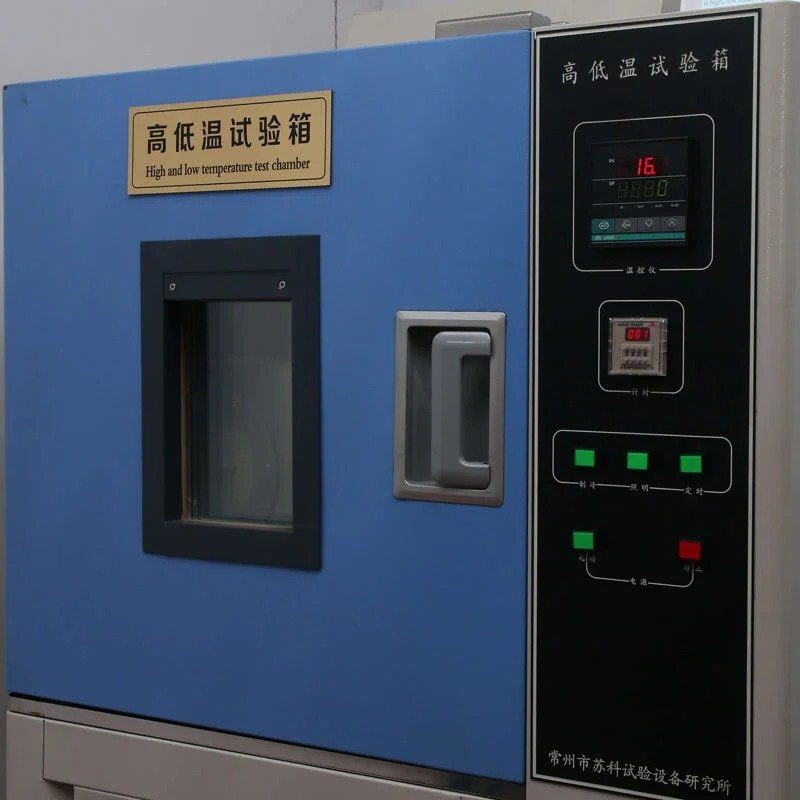
Production tooling uses S136 mold steel rated for over 500,000 shots with minimal wear. Tooling turnaround from approval to first article inspection is 15 to 25 days depending on cavity count. One hundred percent automated optical inspection maintains CPK greater than 1.33 with defect rates consistently below 50 parts per million.
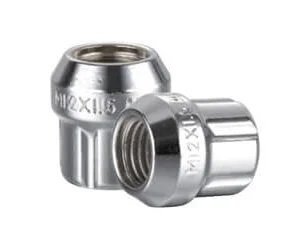
Acorn lug nuts that are not tightened to the correct torque can cause a wheel to come loose at highway speed — one of the most dangerous failures a driver can experience. Too loose, and the wheel works free over the first 100 km; too tight, and the studs stretch
Lug nuts with incorrect torque can cause a wheel to come loose at highway speed — one of the most dangerous failures a driver can experience. Too loose, and the wheel works free over the first 100 km; too tight, and the studs stretch or snap under load. The fix
A wheel comes off the balancer with a 0.25 oz imbalance marked at the 6 o’clock position. The operator cleans the spot, presses on an adhesive wheel weights strip, watches the display drop to zero, and rolls the wheel to the mounting rack — only to find the weight sitting
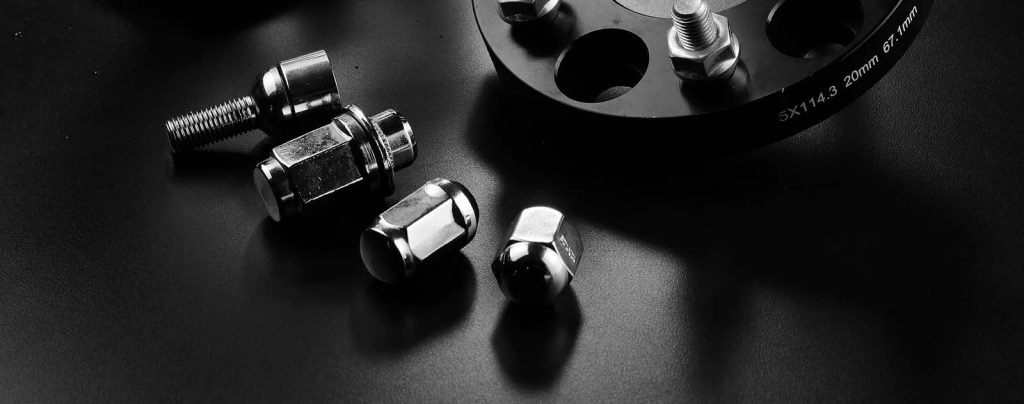
The stock wheel nuts on most cars do their work without anyone noticing them — until the day a wheel wobbles, a stud snaps, or a finish gets scratched during a tire swap. Aftermarket lug nuts solve the cosmetic problem but introduce a technical one: every wheel and stud combination

Yes. Zinc contains no lead and meets lead-free specifications wherever a customer asks for them. It is one of three widely used clip-on materials — alongside steel and plastic-metal composite — identified by the U.S. EPA. Fortune supplies zinc, steel and lead on the same series grid and the same flange profiles, so if a particular market needs a different material you can switch without re-writing your fitment data or retraining installers.
Yes, slightly. Zinc alloy is the least dense of the common clip-on materials, at roughly 6.6 to 7.1 g/cm3 against about 7.85 for steel and 11.34 for lead, so a zinc weight of a given mass takes up more space — about 65 to 70 percent more volume than the equivalent lead weight. In most applications this is not an issue, but on wheels with tight caliper clearance or deep multi-spoke barrels, fit a sample weight before you commit to a full order.
Zinc does not rust in the way steel does. It forms a dense surface oxide that slows further corrosion, so the weight keeps a uniform grey appearance rather than developing red-brown staining. In severe environments — heavy road salt, coastal air, frequent washing — a coated zinc weight adds another layer of protection. Fortune supplies both bare and coated zinc on identical clip geometry, so retention is the same either way.