


Home - wheel weights - adhesive wheel weights - adhesive weight roll
Roller Adhesive Wheel Weights offer a versatile, easy-to-apply solution for balancing wheels without damaging the rim. Fortune will provide a comprehensive overview of roller adhesive wheel weights, and at the end of the day, you’ll know exactly what to look for to ensure optimal wheel balancing and long-term performance.
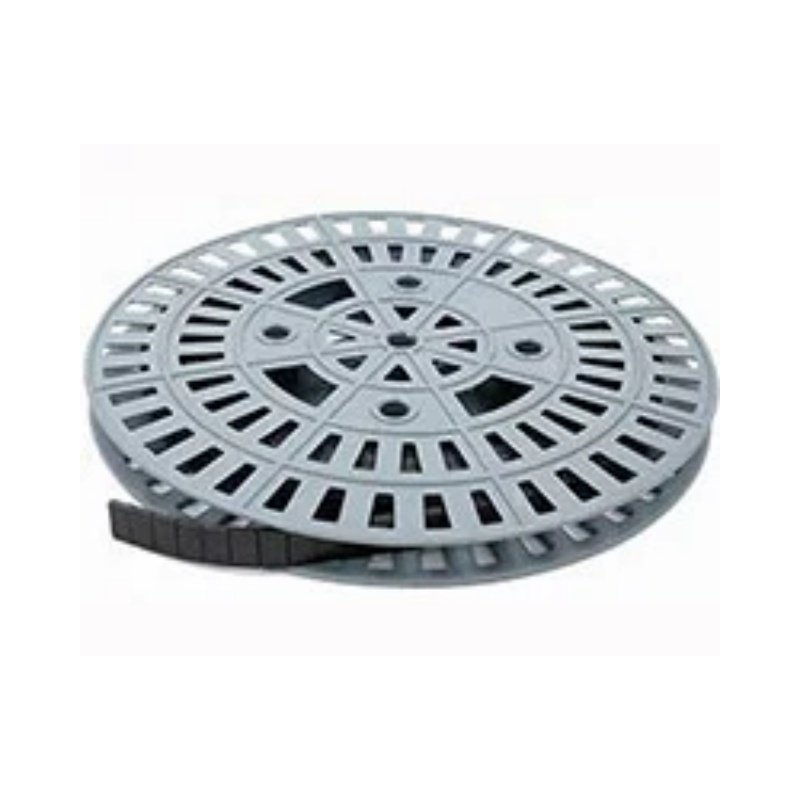
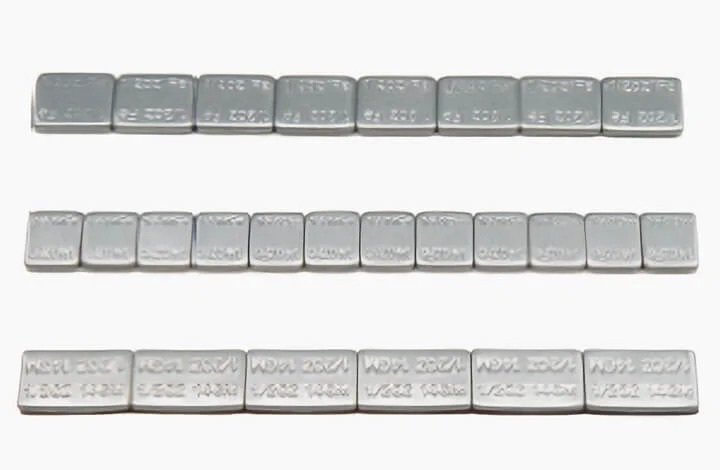
Fortune steel roll adhesive wheel weights provide a cut-to-length balancing option for tire shops working with metric and imperial readings. The current range is divided into -1 and -2 series, covering 5g FSR005 models, 0.25oz FSR/FSTR025 models, 0.50oz FSR/FSTR050 models, and 1.00oz FSR100 models.
| Part No. | Introduction | Package listed by Fortune |
|---|---|---|
| FSR005-1 | Steel 5g | 5kg / 6kg |
| FSR025-1 | Steel 0.25oz | 11lb / 20lb |
| FSTR025-1 | Steel 0.25oz | 11lb / 20lb |
| FSR050-1 | Steel 0.50oz | 11lb / 20lb |
| FSTR050-1 | Steel 0.50oz | 11lb / 20lb |
| FSR100-1 | Steel 1.00oz | 11lb |
| Part No. | Introduction | Package listed by Fortune |
|---|---|---|
| FSR005-2 | Steel 5g | 5kg / 6kg |
| FSR025-2 | Steel 0.25oz | 11lb / 20lb |
| FSTR025-2 | Steel 0.25oz | 11lb / 20lb |
| FSR050-2 | Steel 0.50oz | 11lb / 20lb |
| FSTR050-2 | Steel 0.50oz | 11lb / 20lb |
| FSR100-2 | Steel 1.00oz | 11lb |
Use an uncoated product only when its appearance and surface behavior fit the project requirements. Select plastic coating when you requires a coated visual finish. For customized colors, provide the requested color reference and confirm whether the coating changes the final product dimensions or package requirements.
| Foam Color | Liner Color/Liner Material | Foam | Re-positionable | Initial Tack | Adherence After 24h | Resistance To High Low Temperature | |
| 3M RED | Grey | Plastic With 3M Logo | Acrylic (High Temperature Resistant) | Yes | Fair | Excellent | Excellent |
| NORTON BLUE | Black | Plastic | Acrylic (High Temperature Resistant) | Yes | Fair | Excellent | Excellent |
| LOHMANN | White Black | Easy Release Paper | Polyethylene | No | Excellent | Excellent | Excellent |
| US WHITE/BLACK | White Black | Easy Release Paper | Polyethylene | No | Excellent | Fair | Fair/Good |
| FST | White Black | Easy Release Paper | Polyethylene | No | Excellent | Excellent | Fair |
| CHINA BLUE | Black | Plastic | Polyethylene | No | Excellent | Good | Fair/Good |
Tire balancing is a crucial process that ensures even weight distribution on vehicle wheels. This process helps prevent vibrations, uneven tire wear, and potential damage to the suspension system. To achieve accurate results, several preparatory steps are necessary.

Rotate the tyre and determine the wheel imbalance in both planes. Ensure that the weight, rim and ambient temperature have at least 15°C.
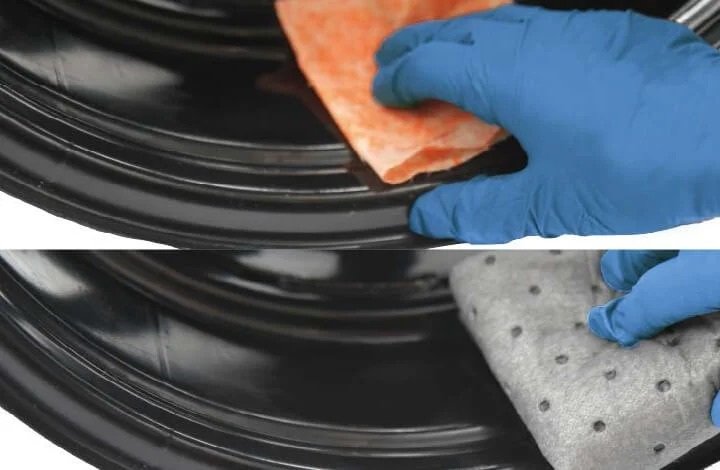
Use pre-cleaning wipe to clean oil and dust on mounting area, Then wipe with a dry cloth to make sure the wheel surface is dry and clean. Be sure to test the cleaning agent on a small area to ensure it will not damage the wheel’s finish.
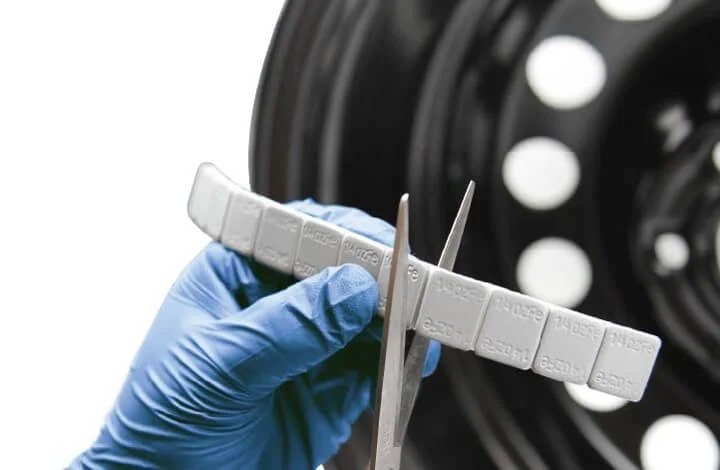
Once the imbalance point is located and the proper amount of segmented weights have been chosen,according to the properties of the tape of the adhesive wheel weight, use scissors or tear it by hand to cut off the required number of balance weights.
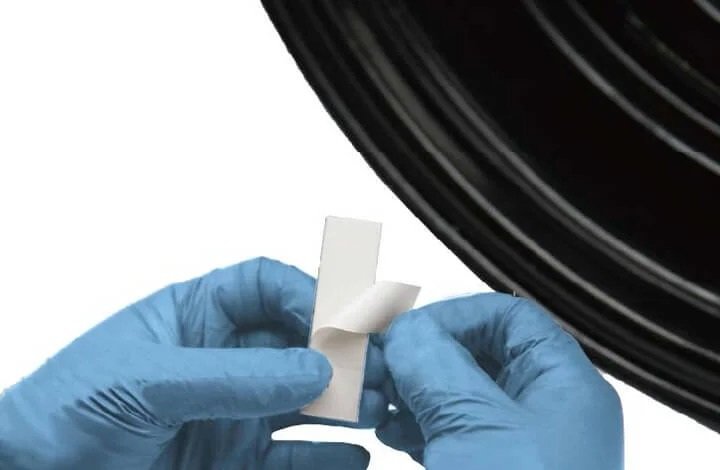
Peel off the protective backing without touching the adhesive surface. Be sure to not contaminate the adhesive tape with dirt or oils once the protective backing has been removed. Otherwise, it will affect the adhesion of the tape.
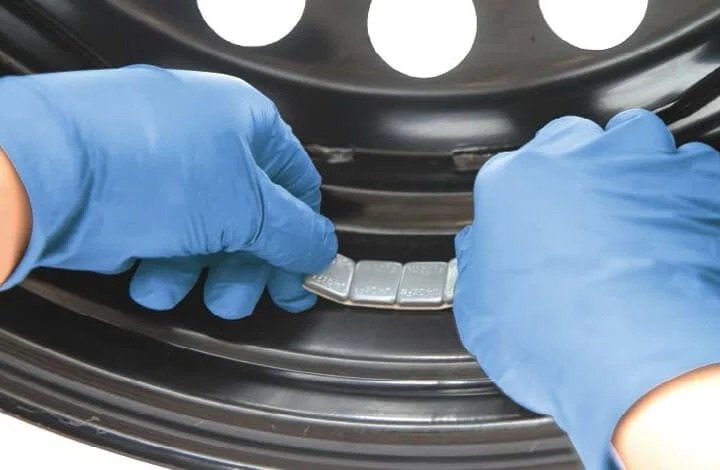
Stick the weight and press the weight from the middle towards the outer edges to match the rim perfectly. The pressure should be at least 100 kPa.
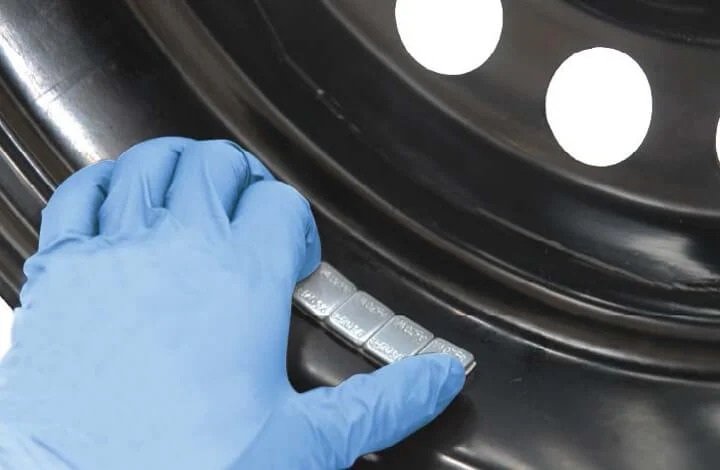
After applying the weight and ensuring the appropriate pressure has been exerted, it is essential to verify that the weight is securely adhered before reinstalling the assembly on the vehicle. To confirm proper fitment, gently grasp the sides of the weight with your fingers and give it a slight pull. If the weight stays firmly in place without any movement, the setup process has been successfully initiated.
Roll-on adhesive wheel weights and clip-on wheel weights serve the same purpose. But they differ in performance, installation, and cost-effectiveness.
They are fixed to the inside of the wheel and are hidden from view. They keep the vehicle looking neat and tidy.
Unlike clip-on wheel weights, there is no risk of rim scratches or dents.
Roll adhesive wheel weights Blocks are versatile and can be cut to the right size in order to customize them to the specific needs of the vehicle.
The installation process is very simple and can be done with a minimum of tools.

Acorn lug nuts that are not tightened to the correct torque can cause a wheel to come loose at highway speed — one of the most dangerous failures a driver can experience. Too loose, and the wheel works free over the first 100 km; too tight, and the studs stretch
Lug nuts with incorrect torque can cause a wheel to come loose at highway speed — one of the most dangerous failures a driver can experience. Too loose, and the wheel works free over the first 100 km; too tight, and the studs stretch or snap under load. The fix

A wheel comes off the balancer with a 0.25 oz imbalance marked at the 6 o’clock position. The operator cleans the spot, presses on an adhesive wheel weights strip, watches the display drop to zero, and rolls the wheel to the mounting rack — only to find the weight sitting
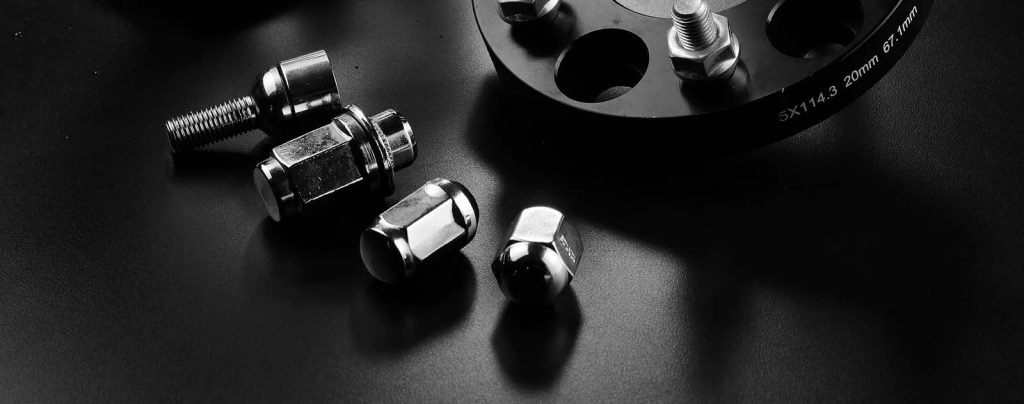
The stock wheel nuts on most cars do their work without anyone noticing them — until the day a wheel wobbles, a stud snaps, or a finish gets scratched during a tire swap. Aftermarket lug nuts solve the cosmetic problem but introduce a technical one: every wheel and stud combination
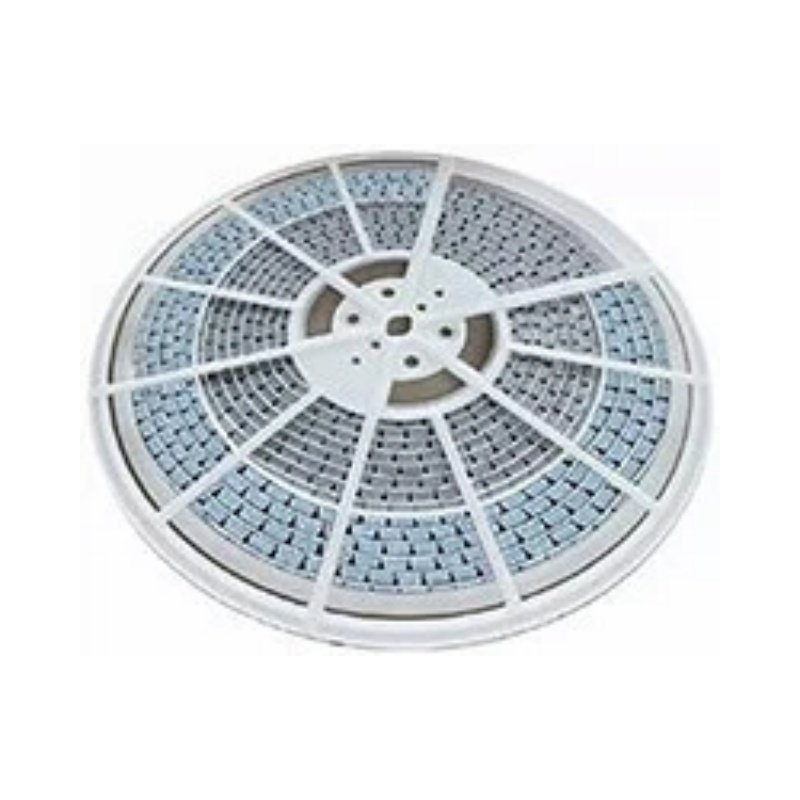
Complex Installation: While roll-on sticky weights can be customized, they may require more skill from the user to install correctly. Weights need to be accurately measured and cut.
Visibility: Roll-on sticky weights are also placed on the inside of the wheel, which may not be a problem for most users. This may be a problem if a more traditional look is preferred.
Misuse: If not measured and cut correctly, roll-on weights can cause improper balancing, causing problems such as vibration while in operation.
This can also affect the performance and appearance of the vehicle.
Inside wheel weights: Roll adhesive wheel weights are placed inside the rim. They look neater because they are hidden from view. They are less likely to be damaged by road debris or curbs, extending the life of the weights.
Outside wheel weights: They are easier to install and adjust. They are more accessible to technicians during the tire balancing process. More exposure to the outside world means they are more susceptible to damage and need to be replaced more frequently. Visible weights may affect the overall aesthetic.