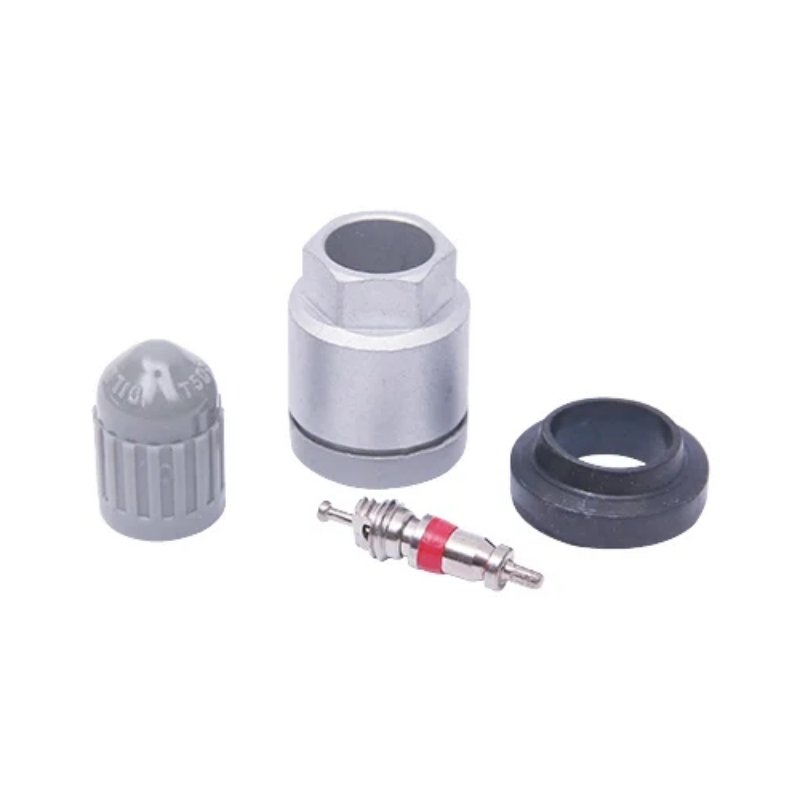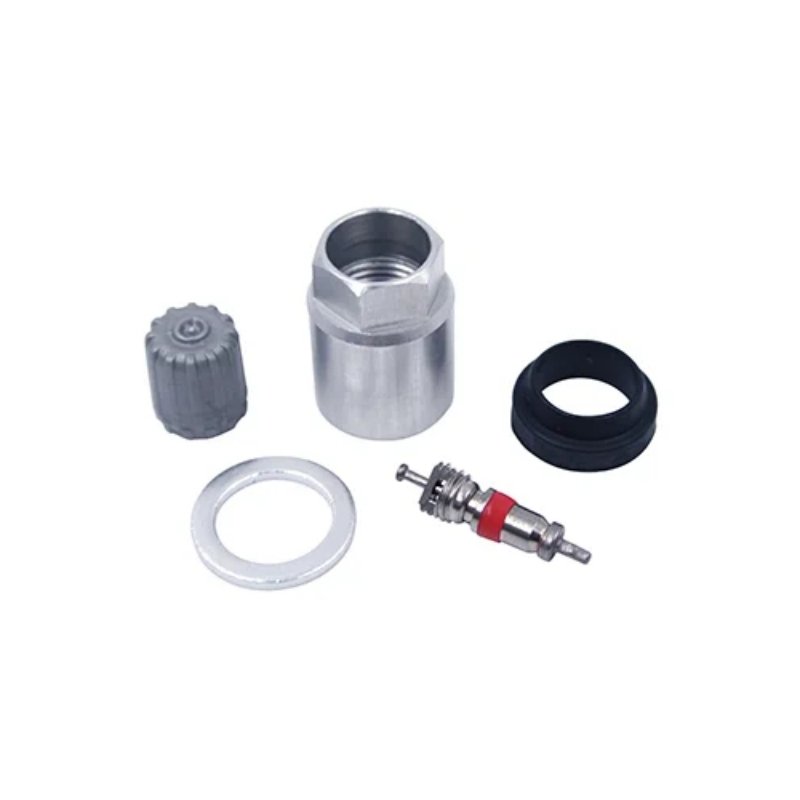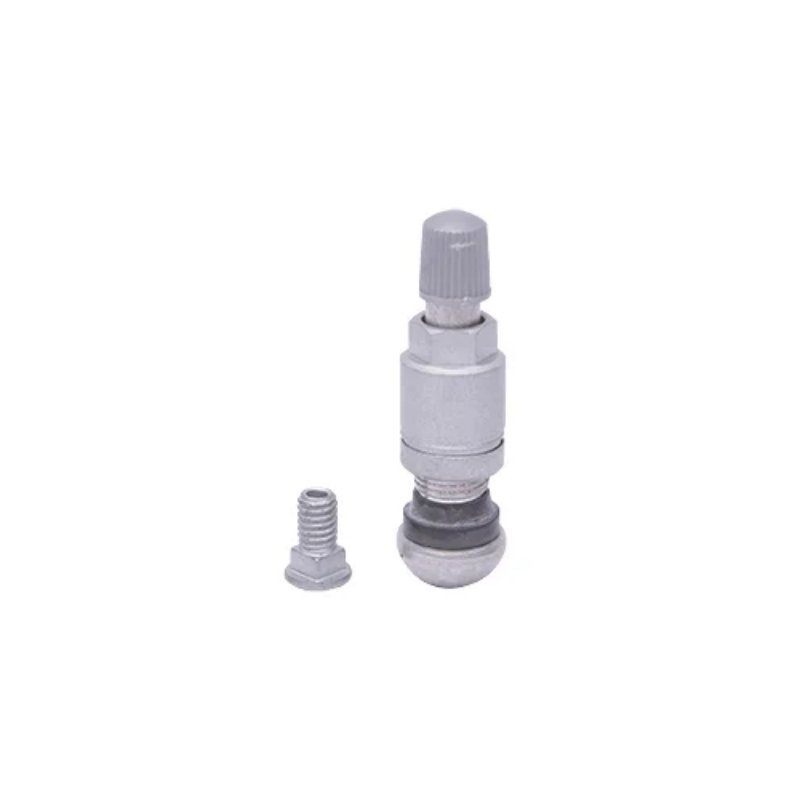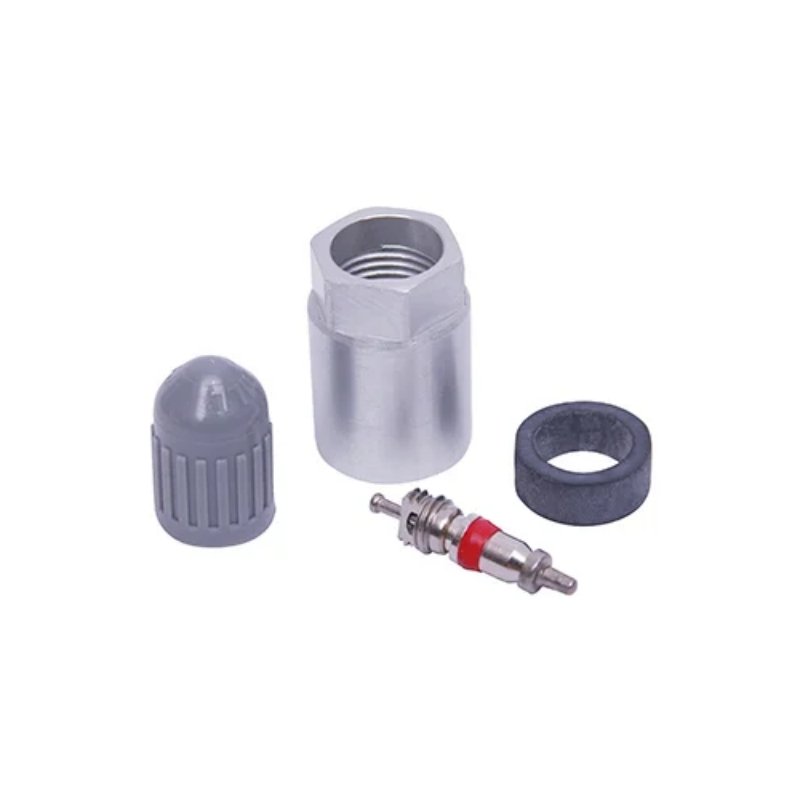

Home - TPMS valves - tpms accessories
Fortune manufactures metal clamp-in, rubber snap-in and heavy-duty truck TPMS valve stems for global OEMs, distributors and aftermarket buyers. Since 1996, our team has supplied automotive parts with a focus on stable materials, accurate fitment and dependable batch quality.
Whether you are replacing a damaged valve, building a TPMS service kit or sourcing a private-label product range, we can help match the valve configuration to your sensor, rim and vehicle application.
Fortune use computer-controlled equipment and automated lines, and operate under a TÜV SÜD-certified ISO/TS 16949 quality management system. Our product drawings and test reports remain the final technical documents.
Fortune match production controls to each product. We use premium EPDM and CNC-machined copper rods for selected rubber valves, and brass, aluminum and steel constructions for selected metal valves. Our checks may cover incoming material, critical dimensions, threads, sealing surfaces, sensor interfaces, appearance and packaging.
We perform 100% automated leakage testing on our rubber-valve production. Pneumatic leak detection checks assemblies up to 15 kgf/cm², about 212 psi. This is an inspection condition, not the working-pressure rating of every valve. We confirm the applicable report and acceptance criteria by model.
We use defined dimensions for fitment, including a 15 mm rubber base for .453 in (11.5 mm) rim holes, a 19.2 mm base for .626 in (16 mm) applications, a 30 mm TR413 and a 49 mm TR418. We check internal 8V1-1 core threading and the rubber-to-metal bonding interface against the approved drawing. Final tolerances vary by model.
For selected rubber projects, we use accelerated ozone aging at 50 pphm and 40°C for 72 hours, together with formulation checks. We can apply material and corrosion checks to metal components and finishes according to the application. We confirm the exact method and acceptance criteria for each product.

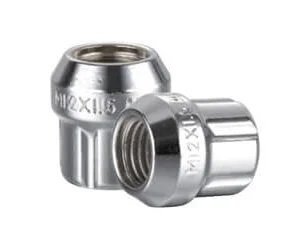
Acorn lug nuts that are not tightened to the correct torque can cause a wheel to come loose at highway speed — one of the most dangerous failures a driver can experience. Too loose, and the wheel works free over the first 100 km; too tight, and the studs stretch
Lug nuts with incorrect torque can cause a wheel to come loose at highway speed — one of the most dangerous failures a driver can experience. Too loose, and the wheel works free over the first 100 km; too tight, and the studs stretch or snap under load. The fix
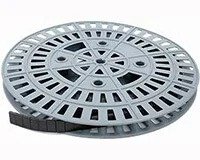
A wheel comes off the balancer with a 0.25 oz imbalance marked at the 6 o’clock position. The operator cleans the spot, presses on an adhesive wheel weights strip, watches the display drop to zero, and rolls the wheel to the mounting rack — only to find the weight sitting
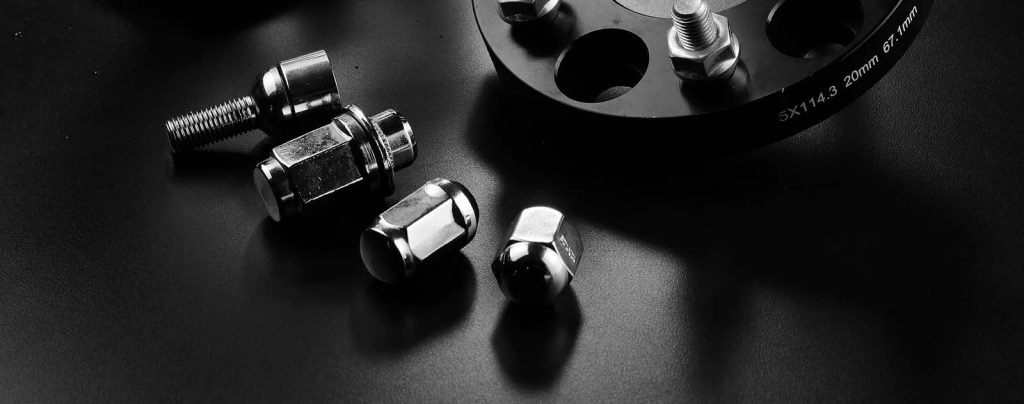
The stock wheel nuts on most cars do their work without anyone noticing them — until the day a wheel wobbles, a stud snaps, or a finish gets scratched during a tire swap. Aftermarket lug nuts solve the cosmetic problem but introduce a technical one: every wheel and stud combination
Send the sensor model or OE number, product photo, vehicle application, wheel or rim information, estimated quantity, destination market and packaging requirement.
Yes. Fortune can review the information you provide and advise which available valve configuration should be checked. Final compatibility is confirmed against the product drawing and application data.
Fortune publicly presents metal, rubber, truck and TPMS accessory categories. Availability, model selection and technical details depend on the current product range.
Sample availability, packaging, MOQ and lead time depend on the model and project requirements. These conditions are confirmed during the quotation process.
Ask Fortune for the documents applicable to the selected product and target market. Only approved certificates, standards and test results should be used in a public product page.