




Home - wheel weights - adhesive wheel weights - lead adhesive wheel weights
Explore Fortune lead adhesive wheel weights in gram and ounce sizes. Compare FSL models, surface options, packaging, tape choices and market-review requirements before ordering.
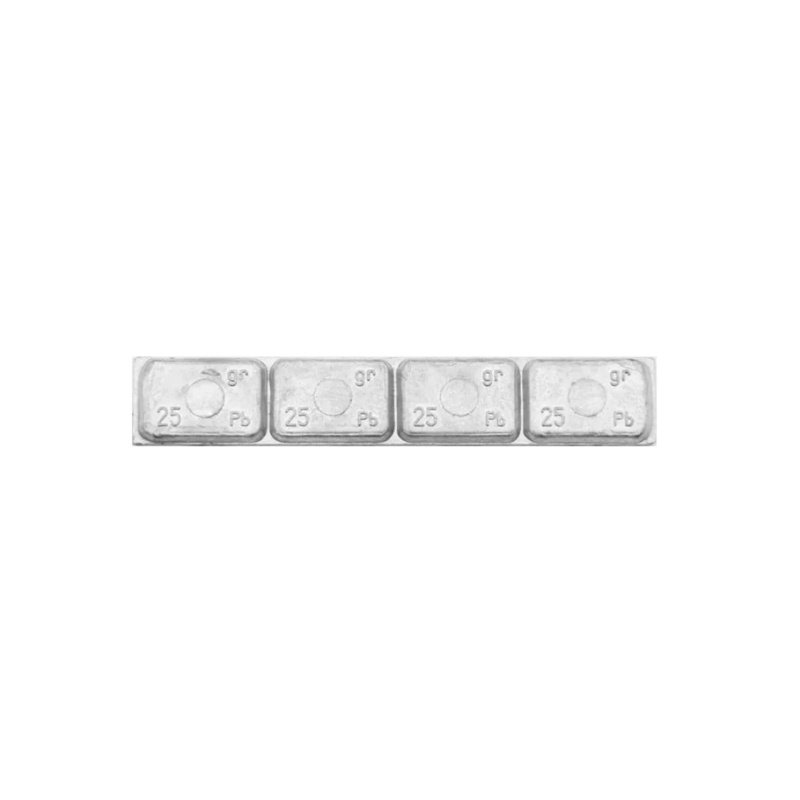
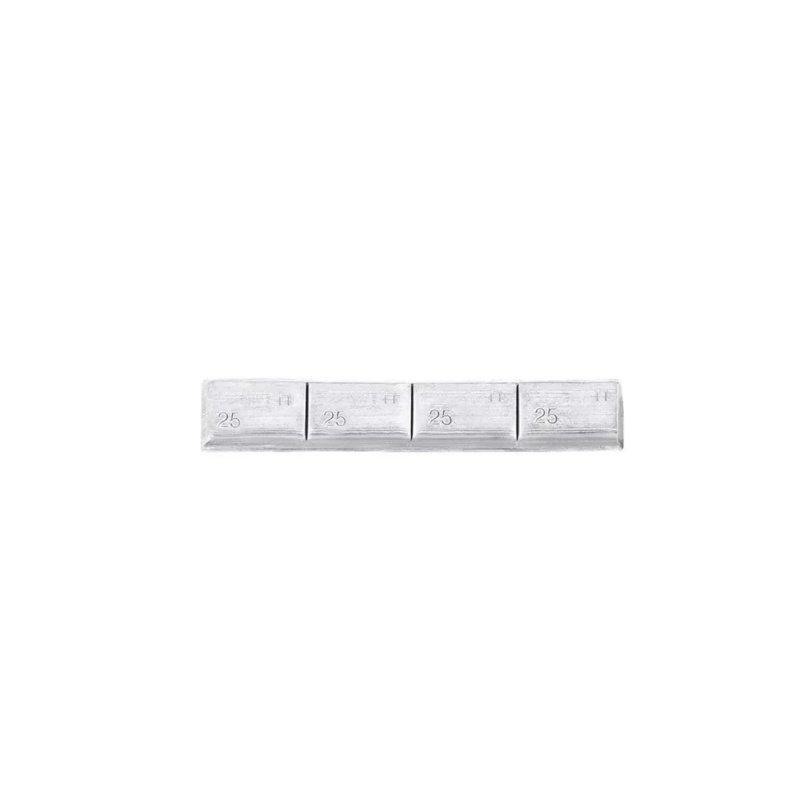
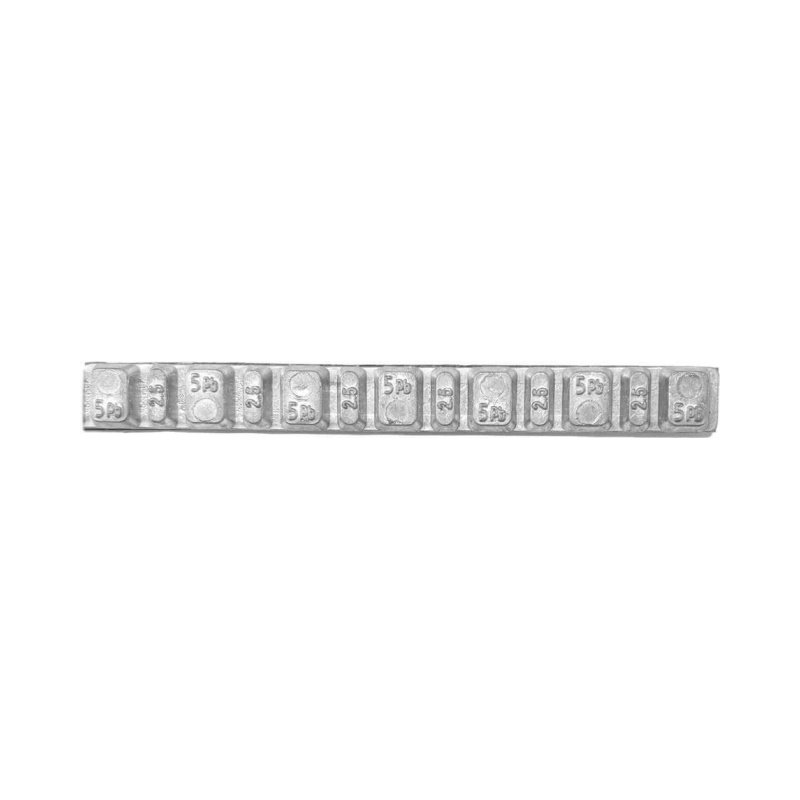
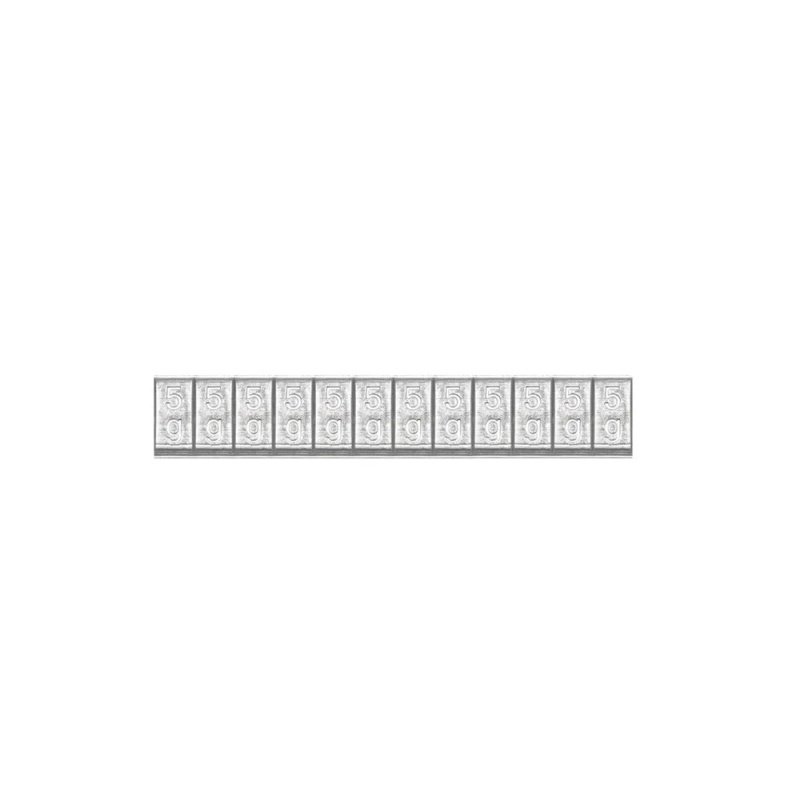
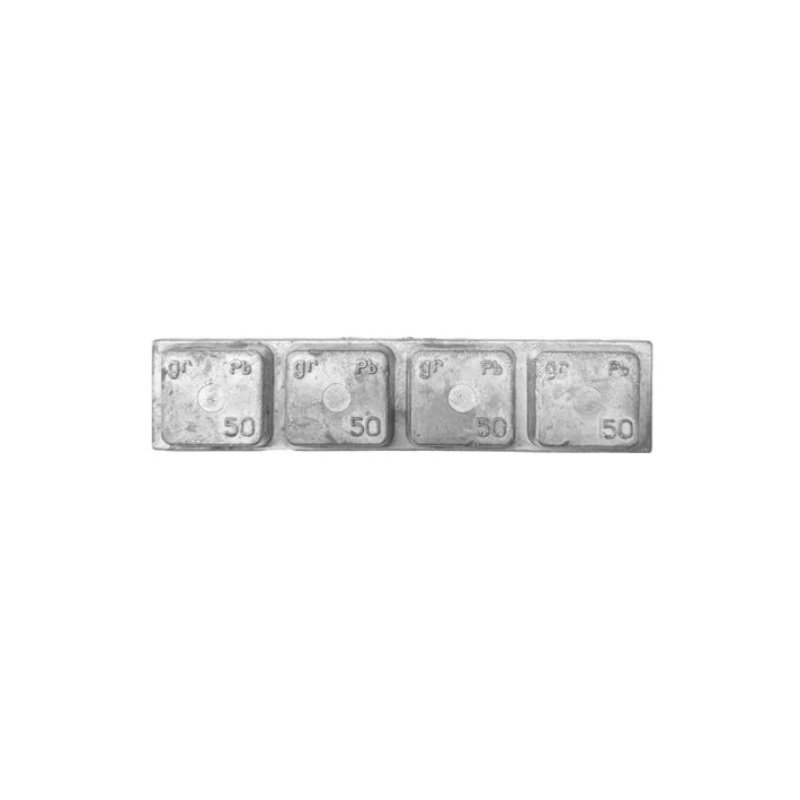
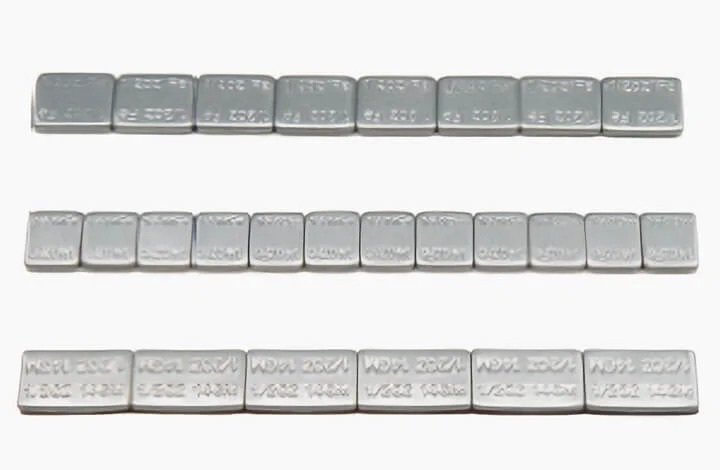
The ounce range covers 1/4oz, 1/2oz, 1oz and 2.00oz segment formats. The gram range includes mixed 5g + 10g strips, 5g strips, a 2.5g + 5g combination, 25g segments and 50g segments.
| Part No. | Weight size | Box weight | Surface | Package |
|---|---|---|---|---|
| FSL01-A | (5g+10g) x 4, 60G | 6.00kgs/box | Uncoated or coated | 100 strips/box, 4 boxes/case |
| FSL01-B | (5g+10g) x 4, 60G | 3.000kgs/box | Uncoated or coated | 100 strips/box, 4 boxes/case |
| FSL02-A | 5g x 12, 60G | 6.00kgs/box | Uncoated or coated | 100 strips/box, 4 boxes/case |
| FSL03 | 2.5g x 6 + 5g x 7, 50G | 5.000kgs/box | Uncoated or coated | 100 strips/box, 4 boxes/case |
| FSL04-A | 25g x 4, 100G | 3.000kgs/box | Uncoated or coated | 30 strips/box, 4 boxes/case |
| FSL04-B | 25g x 4, 100G | 3.000kgs/box | Uncoated or coated | 30 strips/box, 4 boxes/case |
| FSL05-A | 50g x 4, 200G | 2.000kgs/box | Uncoated or coated | 10 strips/box, 4 boxes/case |
| FSL05-B | 50g x 4, 200G | 2.000kgs/box | Uncoated or coated | 10 strips/box, 4 boxes/case |
| Part No. | Weight size listed | Box weight | Surface | Package |
|---|---|---|---|---|
| FSL025 | 1/4oz x 12, 3oz | 4.368kgs/box | Uncoated or coated | 52 strips/box, 4 boxes/case |
| FSL050 | 1/2oz x 12, 6oz | 5.040kgs/box | Uncoated or coated | 30 strips/box, 4 boxes/case |
| FSL100 | 1/ozx6, 6oz | 5.040kgs/box | Uncoated or coated | 30 strips/box, 4 boxes/case |
| FSL200 | 2.00oz x 6, 12oz | 2.688kgs/box | Uncoated or coated | 8 strips/box, 4 boxes/case |
Use an uncoated product only when its appearance and surface behavior fit the project requirements. Select plastic coating when you requires a coated visual finish. For customized colors, provide the requested color reference and confirm whether the coating changes the final product dimensions or package requirements.
| Foam Color | Liner Color/Liner Material | Foam | Re-positionable | Initial Tack | Adherence After 24h | Resistance To High Low Temperature | |
| 3M RED | Grey | Plastic With 3M Logo | Acrylic (High Temperature Resistant) | Yes | Fair | Excellent | Excellent |
| NORTON BLUE | Black | Plastic | Acrylic (High Temperature Resistant) | Yes | Fair | Excellent | Excellent |
| LOHMANN | White Black | Easy Release Paper | Polyethylene | No | Excellent | Excellent | Excellent |
| US WHITE/BLACK | White Black | Easy Release Paper | Polyethylene | No | Excellent | Fair | Fair/Good |
| FST | White Black | Easy Release Paper | Polyethylene | No | Excellent | Excellent | Fair |
| CHINA BLUE | Black | Plastic | Polyethylene | No | Excellent | Good | Fair/Good |
Tire balancing is a crucial process that ensures even weight distribution on vehicle wheels. This process helps prevent vibrations, uneven tire wear, and potential damage to the suspension system. To achieve accurate results, several preparatory steps are necessary.

Rotate the tyre and determine the wheel imbalance in both planes. Ensure that the weight, rim and ambient temperature have at least 15°C.
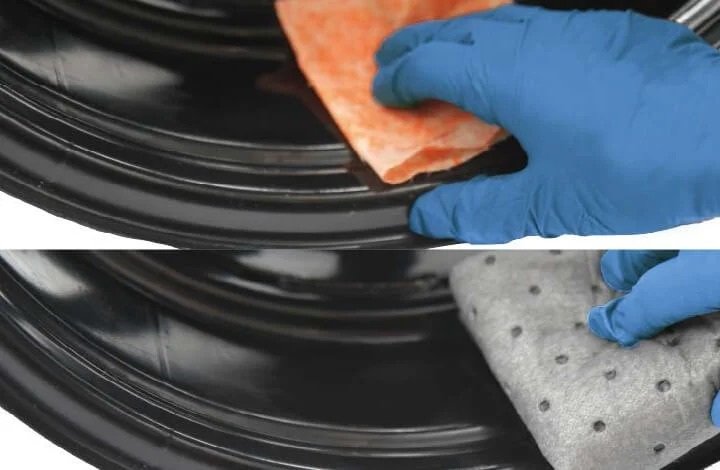
Use pre-cleaning wipe to clean oil and dust on mounting area, Then wipe with a dry cloth to make sure the wheel surface is dry and clean. Be sure to test the cleaning agent on a small area to ensure it will not damage the wheel’s finish.
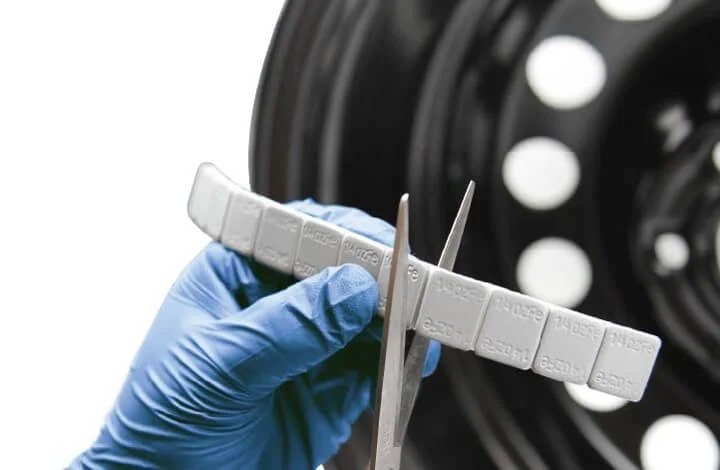
Once the imbalance point is located and the proper amount of segmented weights have been chosen,according to the properties of the tape of the adhesive wheel weight, use scissors or tear it by hand to cut off the required number of balance weights.

Peel off the protective backing without touching the adhesive surface. Be sure to not contaminate the adhesive tape with dirt or oils once the protective backing has been removed. Otherwise, it will affect the adhesion of the tape.
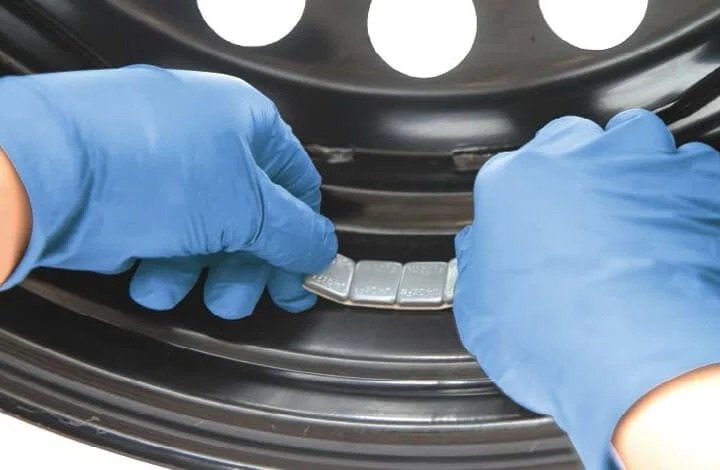
Stick the weight and press the weight from the middle towards the outer edges to match the rim perfectly. The pressure should be at least 100 kPa.
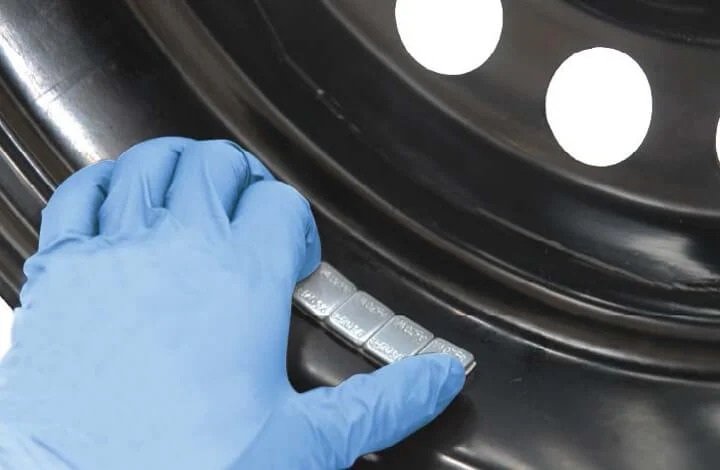
After applying the weight and ensuring the appropriate pressure has been exerted, it is essential to verify that the weight is securely adhered before reinstalling the assembly on the vehicle. To confirm proper fitment, gently grasp the sides of the weight with your fingers and give it a slight pull. If the weight stays firmly in place without any movement, the setup process has been successfully initiated.
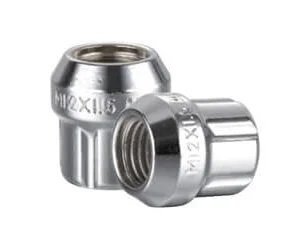
Lead has a significantly higher density than iron and zinc. This means that for the same amount of weight required for balancing, the lead weight can be smaller in size. Less likely to interfere with other components.
The adhesive backing on lead adhesive wheel weights is specially designed to form a strong, long-lasting bond with the rim. Less likely to peel off the wheel. Iron and zinc have harder surfaces and may not bond as effectively.
While not as corrosion resistant as some specialized zinc coatings, lead offers more than enough corrosion resistance for most applications.
Lead is a relatively inexpensive material, making lead adhesive wheel weights a cost-effective solution where use is permitted.

Acorn lug nuts that are not tightened to the correct torque can cause a wheel to come loose at highway speed — one of the most dangerous failures a driver can experience. Too loose, and the wheel works free over the first 100 km; too tight, and the studs stretch
Lug nuts with incorrect torque can cause a wheel to come loose at highway speed — one of the most dangerous failures a driver can experience. Too loose, and the wheel works free over the first 100 km; too tight, and the studs stretch or snap under load. The fix
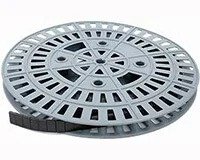
A wheel comes off the balancer with a 0.25 oz imbalance marked at the 6 o’clock position. The operator cleans the spot, presses on an adhesive wheel weights strip, watches the display drop to zero, and rolls the wheel to the mounting rack — only to find the weight sitting
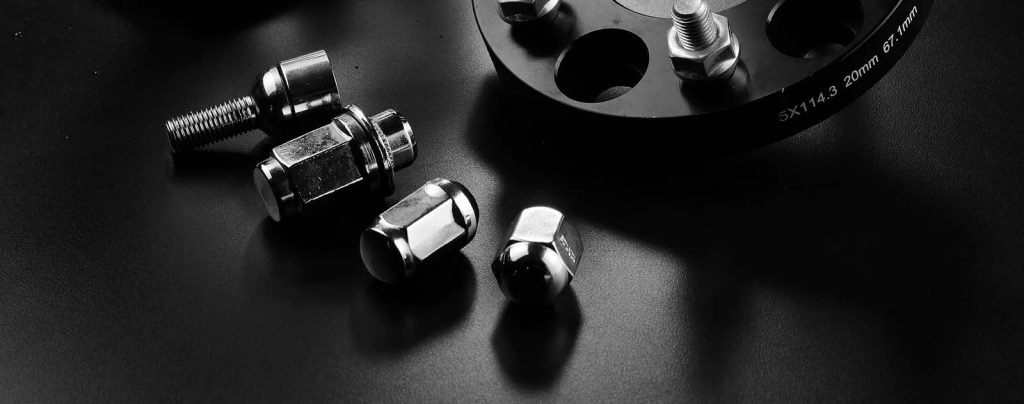
The stock wheel nuts on most cars do their work without anyone noticing them — until the day a wheel wobbles, a stud snaps, or a finish gets scratched during a tire swap. Aftermarket lug nuts solve the cosmetic problem but introduce a technical one: every wheel and stud combination
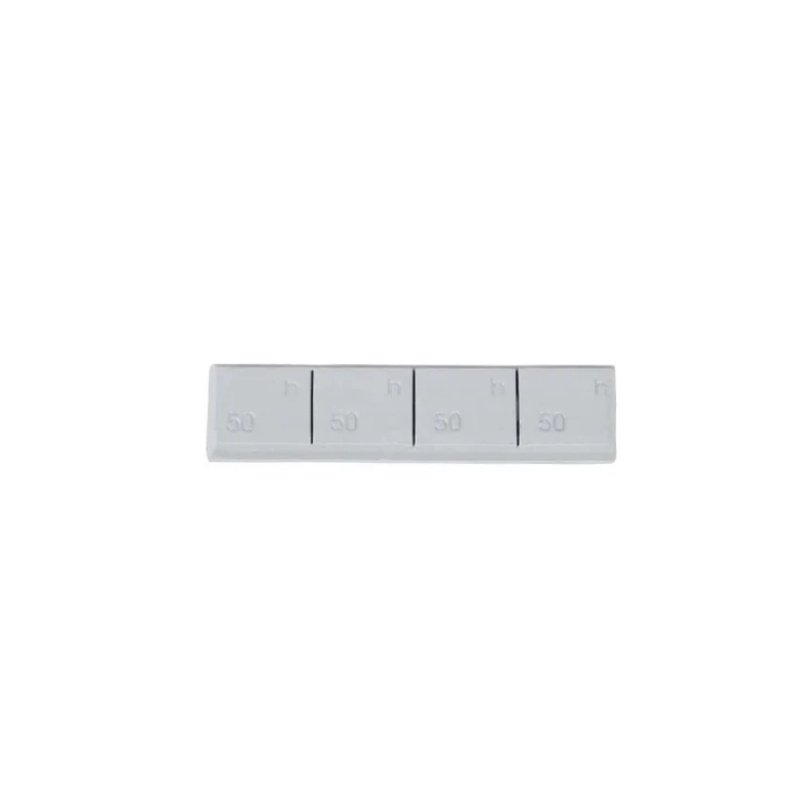
Fortune recommends cleaning the wheel surface with isopropyl alcohol before applying. Press firmly and hold for a few seconds to ensure a good bond. Avoid driving for a few hours after application to ensure proper bonding. Use additional adhesive (such as double-sided tape, etc.) if necessary.
The reason for discontinuing the use of lead in the manufacture of adhesive wheel weights is environmental and health concerns. Lead-free alternatives are now the norm in many areas. Steel and zinc are the most common and Fortune will briefly describe their benefits and limitations.
Steel adhesive wheel weights blocks are one of the most common alternatives. It is found everywhere and is considered a durable option. It is environmentally friendly and recyclable with high density and strength.
Zinc adhesive wheel weights are another popular alternative, corrosion-resistant, easy to mold and use, and more expensive than steel. Strikes a balance between performance and environmental friendliness.
Metal composites can be used for certain specialized applications. Alternatively, they can be manufactured from thermoplastic or flexible materials that can be adapted to any wheel shape.
Lighter wheels generally improve handling, acceleration, braking, and fuel economy, while lighter wheels make the car feel more stable.
Optimizing wheel weight is essential to improving vehicle performance and safety. Using lightweight materials such as alloy or carbon fiber can significantly reduce unsprung weight while maintaining structural integrity. This will result in a more responsive, agile and comfortable driving experience. Reducing wheel weight reduces unsprung weight, allowing the suspension system to react more quickly to the road surface of the flip tray. Achieve more sensitive mass handling.
Heavier wheels increase the vehicle’s inertia, making it more difficult to change direction. Reduced agility and reaction speed, especially at high speeds or in tight turns. Lighter wheels require less energy to rotate, allowing the engine to work more efficiently and reduce fuel consumption.