
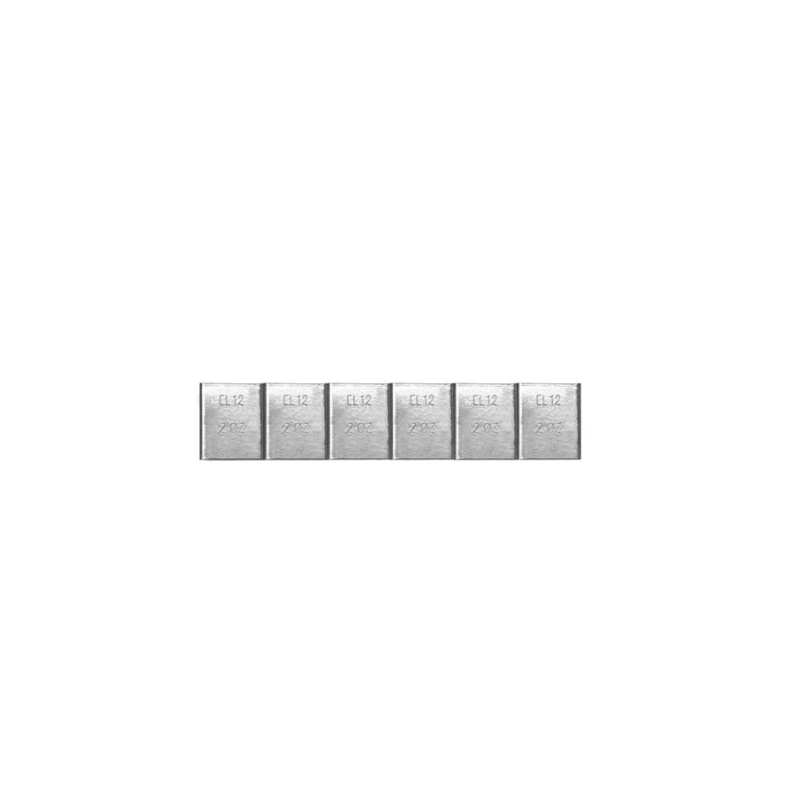
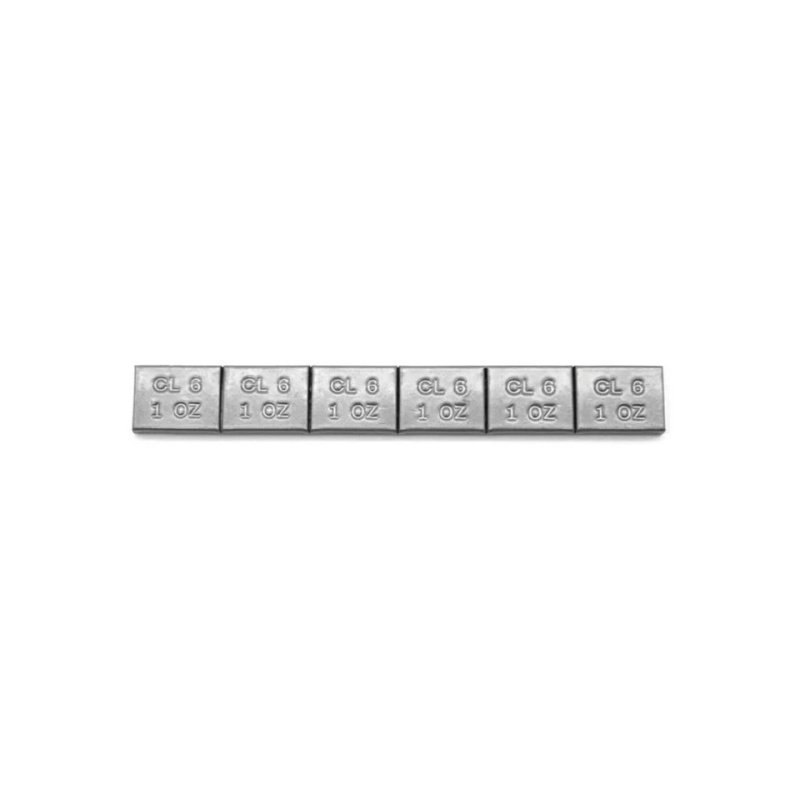
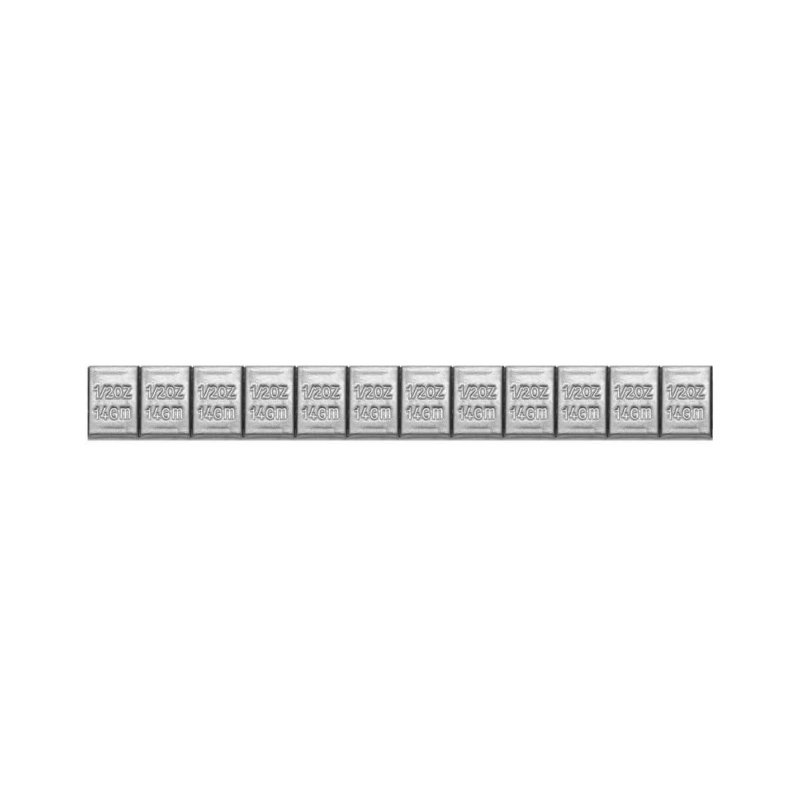
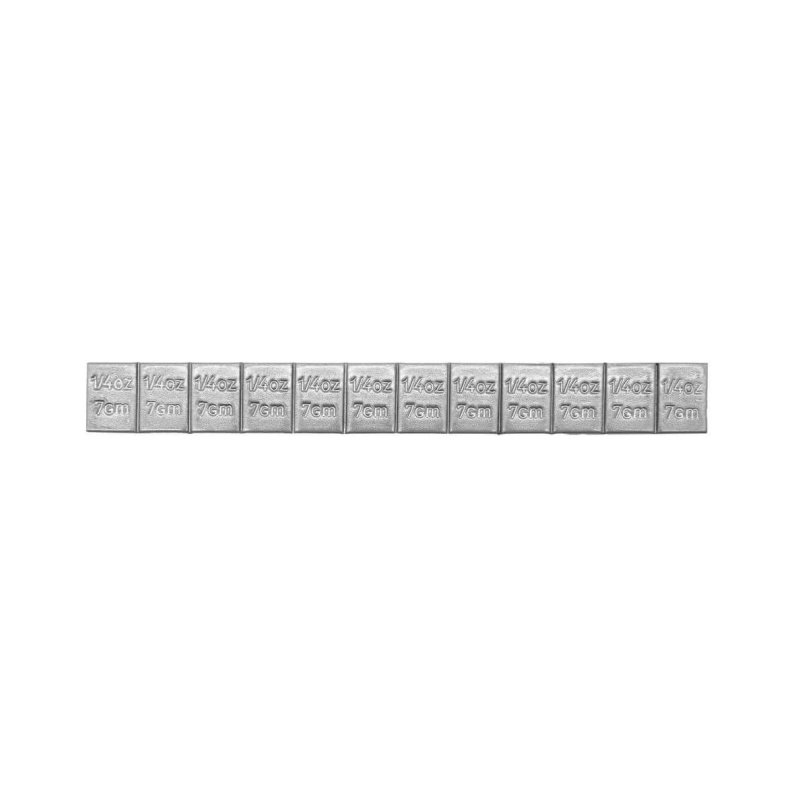
Wheel Weight manufacturer

Fortune is a wheel weight manufacturer supplying adhesive and clip-on wheel balancing weights to tire shop chains, distributors, aftermarket brands, and OEM programs worldwide. From steel and zinc to traditional lead formats, every wheel weight we produce is built for accurate balancing, secure mounting, and consistent quality across high-volume orders.

What Are Wheel Weights & Why They Matter

Wheel weights are precisely calibrated masses that correct the heavy spot every tire-and-wheel assembly has.
The physics are unforgiving: a 10g imbalance on a 16-inch wheel at 100 km/h generates roughly 38 N of pulsing force — 22 times per second.

Improved ride quality

Drivers feel imbalance as steering-wheel shake typically between 80–120 km/h. Correct balancing with quality wheel balancing weights removes the vibration at its source.

Extended tire life

Chronic imbalance causes cupping and scalloped wear; industry testing links it to 10–15% tread-life loss — real money your customers lose on every set of tires.

Lower operating cost

Vibration accelerates wear on bearings, tie-rod ends, and bushings. A wheel weight costing cents prevents component replacements costing hundreds of dollars.

What types of wheel weights does Fortune offer

Fortune stands as a leader in the wheel weight manufacturing industry, offering a comprehensive range of products designed to meet the diverse needs of global customers.

With a strong focus on quality, innovation, and customer satisfaction, Fortune ensures that every wheel weight delivered meets the highest standards of performance and reliability.

Whether you are seeking knock-on, adhesive, or customized wheel weights, Fortune’s expertise and global reach make it the ideal partner for all your wheel balancing needs.

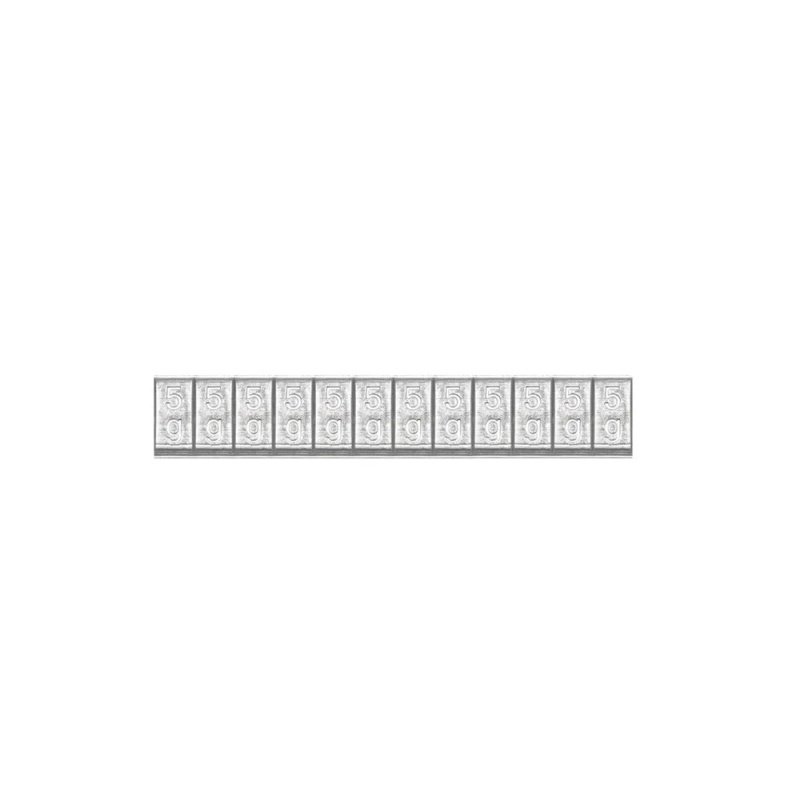
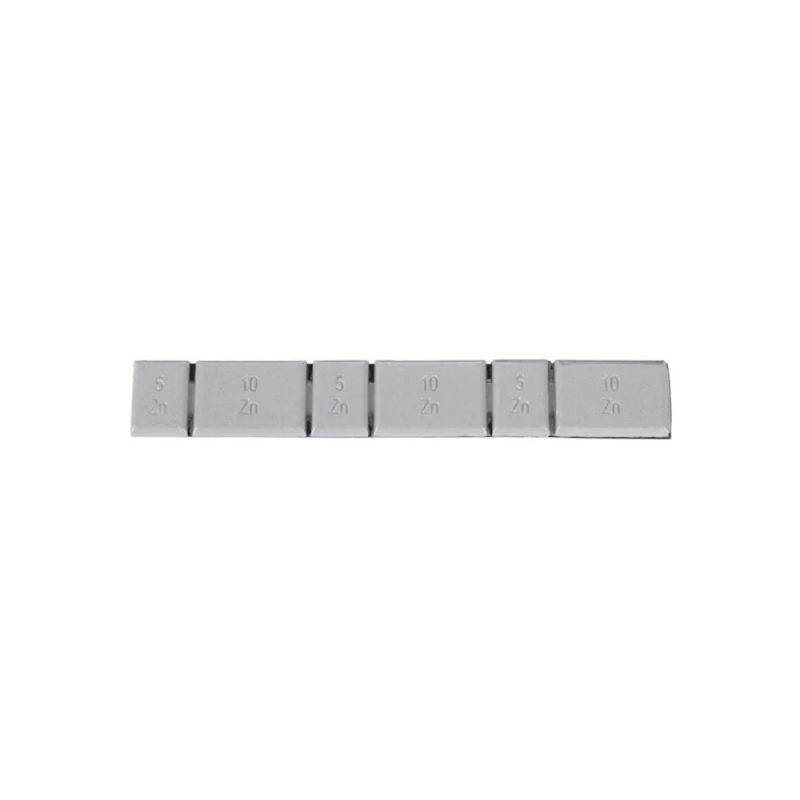
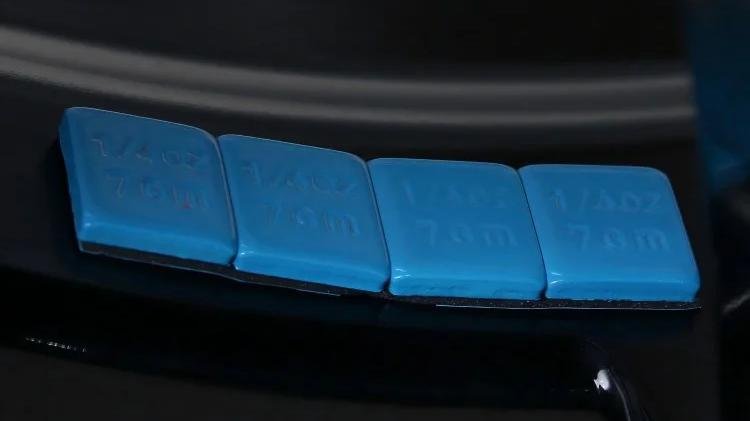
Adhesive (Stick-On) Wheel Weights

The standard choice for alloy wheels — nothing touches the visible rim face. What to specify when buying:
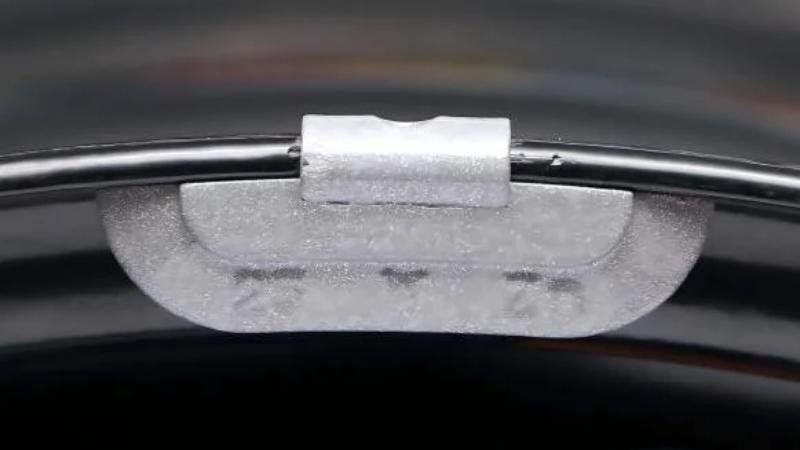
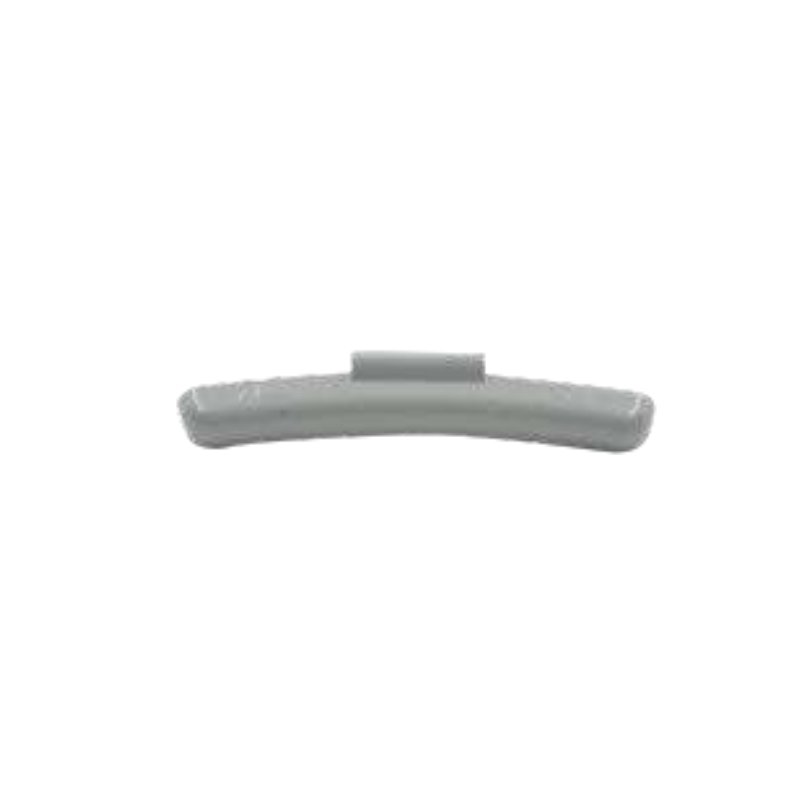
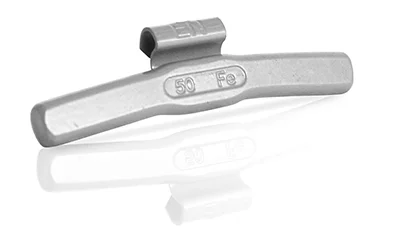
Clip-On (Knock-On) Wheel Weights

Mechanical grip on the rim flange — fastest install and the format of choice for steel wheels and trucks. What to specify when buying:

adhesive vs clip wheel weights

Adhesive vs clip wheel weights Adhesive (stick-on) Clip-on (knock-on)
Wheel fit All rims incl. Alloy, hidden placement Needs A compatible rim flange
Install time ~20–30s (surface prep required) ~10s, one hammer strike
Holding mode Tape bond — sensitive to prep & temperature Mechanical clip — verified grip force
Market trend Growing; dominant in EU / asia Still ~60% of US shop volume
Cost structure Lower unit cost; tape grade drives price Higher unit cost; NO consumables

Wheel Balancing Weight Material Options: Lead, Zinc & Steel

Material choice drives cost, density, corrosion behavior, and — critically — regulatory compliance in your target market. Fortune produces wheel balancing weights in all three mainstream materials. With over 20 years of experience, our company has established itself as a leading supplier of wheel balancing weights globally.

Steel wheel weights

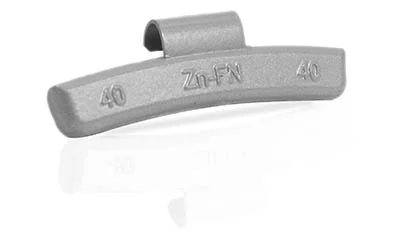
Zinc wheel weights

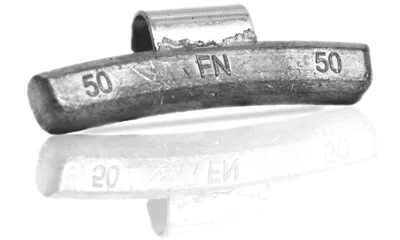
lead wheel weights

Lead-Free Wheel Weight Compliance by Market

Compliance is a moving target — buy from a supplier who tracks it. EU: lead banned under REACH Annex XVII (Regulation (EU) 2015/628). USA: no federal ban, but California AB 2653 and 10+ states restrict lead — national distributors effectively buy lead-free only. Japan / Korea: lead-free by industry standard. Fortune ships every lead-free order with material declarations and RoHS/REACH statements, so customs and audits are a formality, not a risk.

Our OEM & ODM Services for your custom Wheel Weight solutions

Customization at Fortune is an engineering process with defined capabilities and lead times — not a promise. What we can build to your spec:

Custom weight sizes

Non-standard gram/ounce values and low-profile geometries to your drawings. Tolerance ±[0.5]g; new-profile tooling in [4–6] weeks.

Custom clip profiles

Send rim samples or flange drawings; we reverse-engineer clip geometry and verify grip force on physical rim fixtures before production.

adhesive tape selection

Standard, high-temp (≥120°C), or cold-climate grades; 3M / Nitto / tesa-class branded options with peel-shear test reports.

Private-label packaging

Your artwork, barcodes, and multilingual printing; retail boxes from [100]-piece units plus shelf-ready and e-commerce formats.

Custom coating finishes

Powder coating in matched RAL colors, zinc plating, or e-coating — each with stated salt-spray hours on the spec sheet.

Start a Custom Project

Drawing → tooling → sampling → mass production. Tell us what you need and get an engineered proposal.

Why choose Fortune as your wheel weight supplier

Manufacturing Experience

Founded in 1996, Fortune has over 25 years of experience in manufacturing auto parts, specializing in wheel balance weights, tire valves, and tire patch kits.

Innovative Team

Fortune boasts a professional team of over thirty engineers focused on innovation and quality control, ensuring that products meet the highest standards for worldwide markets.

Quality Certifications

The company holds quality certifications such as ISO 9001. These certifications validate Fortune's commitment to maintaining high-quality products and processes.

North America Warehouses

With warehouses and offices in North America established in 2014, Fortune provides enhanced support to its global customer base, ensuring timely service across different regions.

How to Choose the right Wheel Weights

01

Wheel Type

Start by identifying the wheel construction and rim profile.
Alloy wheels: typically use adhesive wheel weights for a clean appearance and easy installation.
Steel wheels with a suitable flange: typically use clip-on wheel weights.
Limited caliper clearance (<5 mm): specify low-profile 3.8 mm segments to prevent interference with the brake caliper.

02

Vehicle Class

The vehicle class determines the required balancing range and weight increments.
Passenger cars: typically 5–60 g, with 5 g increments.
SUVs / Light Trucks: typically up to 100 g.
Heavy Trucks: use TRUCK clip-on weights, typically 50–300 g.
The product range should be matched to the wheel and tire sizes commonly used in the target vehicle segment.

03

Market Regulation

Material selection must comply with the regulations of the target market.
For markets such as the EU, US, Japan, and Korea, specify lead-free wheel weights, typically using steel or zinc.
Before quotation or shipment, confirm which compliance documents are required by the importer or customer, such as: RoHS, REACH, Material Declaration

04

Material Grade

Choose the material according to the required balance of cost, density, corrosion resistance, and market positioning.
Coated steel: recommended as the default option for a strong balance of cost, durability, and density.
Zinc: suitable for premium clip-on product lines and markets with higher corrosion exposure, such as coastal areas.
Lead: only where legally permitted and specifically required.
For coated or corrosion-resistant products, coating performance should be specified rather than simply stating the base material.

05

Mounting Style

Mounting style should match both the customer's wheel types and their installation/labor model.
Adhesive weights: widely used on alloy wheels and provide a clean, concealed appearance.
Clip-on weights: suitable for compatible wheel flanges and can provide fast installation.
For distributors, it is often practical to stock both types. The recommended product mix should reflect the local vehicle and wheel parc.

06

Tape Grade

For adhesive wheel weights, the tape is half the product. Adhesive performance directly affects installation reliability and long-term retention.
Select the tape according to the operating environment:
Hot climates / performance applications / EVs: specify high-temperature tape ≥120°C.
Cold climates: specify a cold-application grade capable of installation at −10°C.
Consider peel adhesion, temperature resistance, surface compatibility, and environmental durability when defining the tape specification.
A high-quality weight with the wrong tape can still result in poor adhesion, so tape selection should be treated as a core product specification rather than an accessory.

Need help choosing the right wheel weight program?

Send us three things — your market, your wheel mix (steel vs alloy), and your monthly volume — and we will return a recommended assortment with quantities per SKU, samples, and a landed-cost quotation. Most buyers receive the full proposal within 24 hours. Fortune also manufactures TPMS valves, lug nuts, andlug bolts — so you can source your complete wheel and tire accessory program from one supplier.

Related Articles

wheel-lug-nuts

How to Properly Torque Lug Nuts

Lug nuts with incorrect torque can cause a wheel to come loose at highway speed — one of the most dangerous failures a driver can experience. Too loose, and the wheel works free over the first 100 km; too tight, and the studs stretch or snap under load. The fix
Read More »

Lug Nuts – Everything You Need to Know

The stock wheel nuts on most cars do their work without anyone noticing them — until the day a wheel wobbles, a stud snaps, or a finish gets scratched during a tire swap. Aftermarket lug nuts solve the cosmetic problem but introduce a technical one: every wheel and stud combination

Read More »

FAQs about Wheel Balancing Weights

What are the best wheel weights for alloy wheels?

Adhesive (stick-on) wheel weights are the best choice for alloy wheels. They bond to the inner rim barrel, stay invisible, and avoid the scratching that clip-on types can cause on finished or machined rims. Where brake caliper clearance is tight, specify low-profile segments (3.8mm height).

Clip-on wheel weights grip the rim flange with a spring-steel clip — fast and mechanical, ideal for steel wheels. Adhesive wheel weights attach with foam tape to the rim’s inner barrel — the standard for alloy wheels and hidden placement.

Steel is denser (7.85 vs ~6.7 g/cm³) and cheaper, but needs coating for corrosion protection — specify salt-spray hours when buying. Zinc is die-cast, naturally corrosion-resistant, and holds clip geometry precisely. Both are fully lead-free and accepted in all regulated markets.

Yes. Coated steel matches lead’s balancing performance in virtually all applications and complies with lead-free rules in the EU, US states, Japan, and Korea. Lead’s only remaining advantages are ~30% smaller size at equal weight and hand-formability — rarely decisive for modern programs.

A high-bond acrylic foam tape with peel adhesion ≥20 N/25mm. Choose high-temperature grade (service to +120°C) for hot climates and performance or EV vehicles, and cold-application grade for near-freezing workshops. Branded tapes (3M / Nitto / tesa class) available on request.

Around 90% of failures trace to installation, not tape: oily or wet rims, application below the tape’s minimum temperature, or insufficient pressure. The fix: clean with alcohol, dry fully, apply within the rated temperature window, and roll firm pressure along the full weight length.

Typically a material declaration plus RoHS and REACH compliance statements (REACH Annex XVII restricts lead in wheel weights). Fortune supplies these with every lead-free shipment, plus batch test reports and third-party lab certificates on request.

Follow your market’s shop equipment and habits: gram increments (5g/10g) dominate in Europe and Asia; ounce increments (0.25oz/0.5oz) are standard in North America. Many distributors stock both — Fortune can mix units within one order.

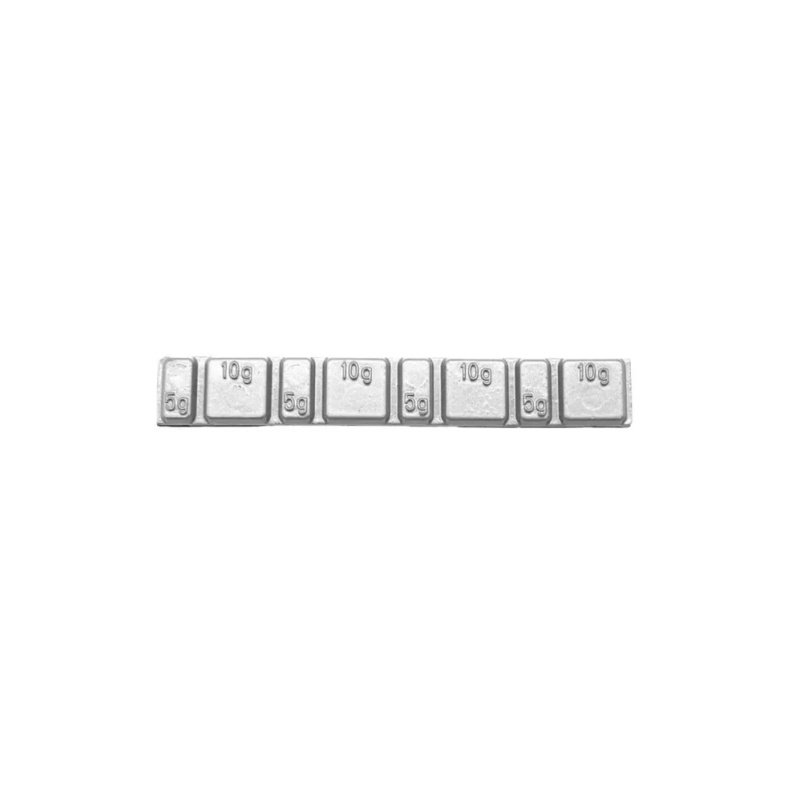
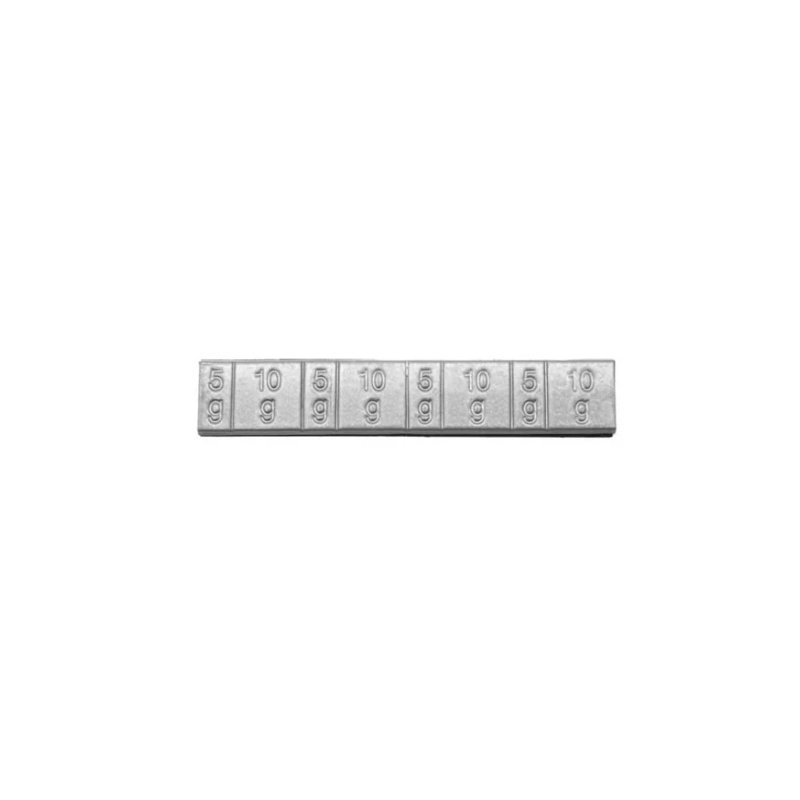
Standard: 5g/10g segments on 60g strips (50 or 100 strips per box), 0.25oz/0.5oz strips, 5kg adhesive rolls, and clip-on weights 5–300g in 100-piece boxes. Master cartons and full pallets ([60–80] cartons) packed to your warehouse spec.

Our standard MOQ is [confirm: e.g. 1,000 boxes per SKU or one mixed pallet], and we support trial orders for new buyers. OEM/ODM programs have project-based minimums depending on tooling requirements.

Yes. We offer full OEM/ODM services: custom sizes, clip profiles, tape grades, coating finishes, and private-label packaging with your branding and barcodes. Send us your drawings or samples for a quotation.

Fortune operates under [IATF 16949 / ISO 9001] quality management systems. Lead-free lines carry RoHS/REACH compliance documentation, and products undergo salt-spray, adhesion, and weight-calibration testing per lot.

Standard catalog orders ship within [15–25] days; custom or private-label orders typically need [25–35] days including tooling or print preparation. We ship by sea (FCL/LCL), air, or express, with EXW, FOB, CIF, and DDP terms available.

Yes. Free samples of standard wheel weights are available — you only cover the courier cost, and most sample kits ship within three working days. Custom samples are produced after drawing confirmation and ship within [7–10] days. Contact our sales team with your target market and product list to arrange yours.

contact Fortune