
Metal TPMS Valve Manufacturer

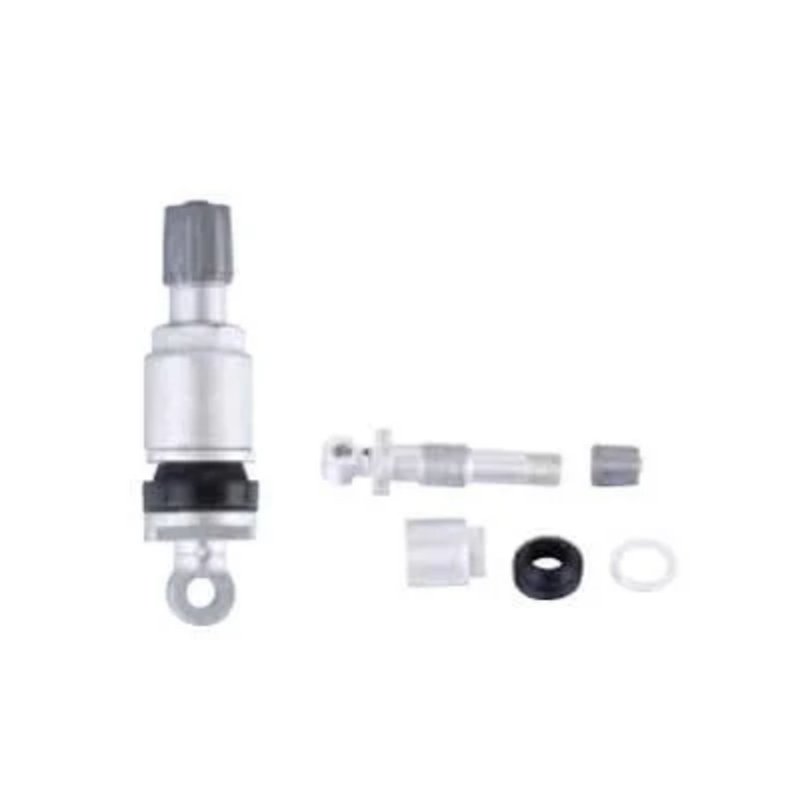
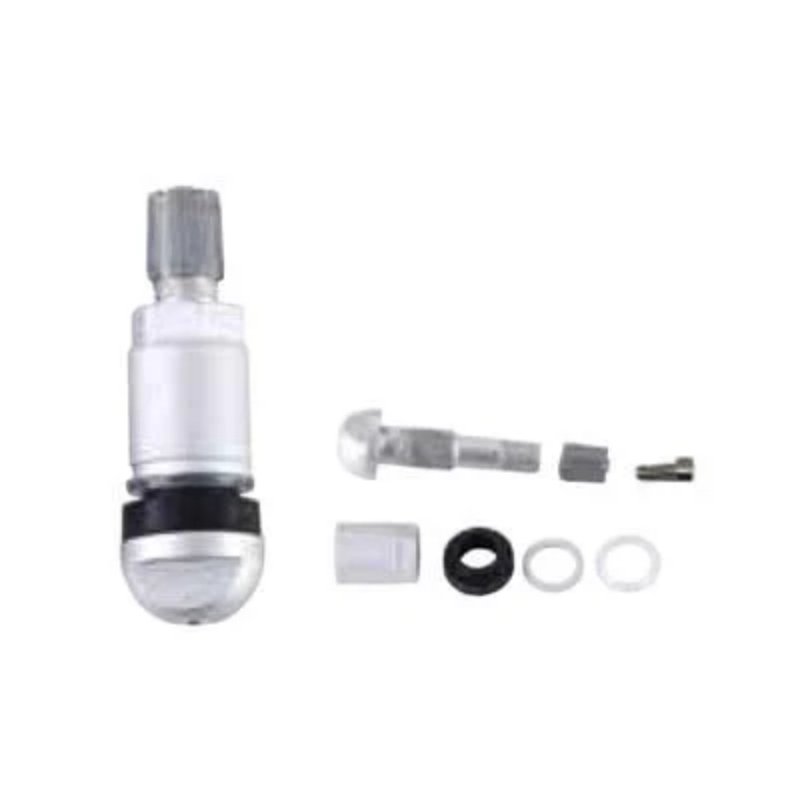
At Fortune, we manufacture metal TPMS valve stems for buyers who need a dependable clamp-in connection between a wheel, a tire pressure sensor and the inflation path. Our metal range is designed around the details that determine fitment: valve body material, stem geometry, rim hole, sensor interface, sealing hardware and installation torque.

what Is a Metal TPMS Valve?

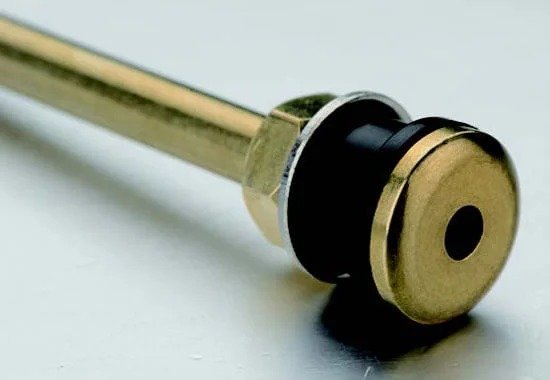
TPMS valves are the component that connects the tire to the TPMS sensor, which transmits the tire pressure data to the vehicle’s computer. Unlike more common, cheaper rubber, metal TPMS valves are made from durable materials such as aluminum or brass. It is more durable, corrosion-resistant, and performs better in adverse weather conditions.

Rubber vs Metal

Point of comparison Rubber TPMS valve Metal TPMS valve
How it holds the rim Base pulls through the rim hole and seals by compression Stem clamps to the rim with a nut
What carries the sensor A metal insert moulded into the rubber body A machined metal stem
Installation Pull-through with a standard tool; no clamp nut to torque Clamp nut torqued to the rim, with a grommet and washer
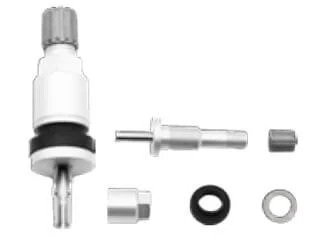
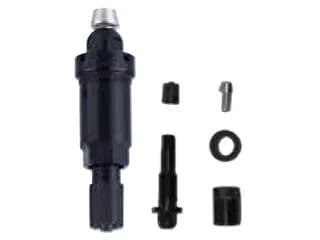
Parts to keep on the shelf Valve core, cap, sensor screw Stem, grommet, washer, nut, core, cap

Fortune Metal Materials and Finish Options

We machine metal TPMS valve stems in more than one material because “metal” is not a single specification. Which material is correct depends on your weight target, corrosion environment, finish requirement and cost position — and on the specific model, so confirm it per part number rather than per family.

Aluminum Alloy TPMS valve

Aluminum alloy is the lightweight option and the most common choice for passenger-car metal stems. It takes anodizing well, which gives you a wide range of colours and a hard, corrosion-resistant surface. It handles the temperature swings a wheel sees in service. The trade-off is that aluminum is more susceptible to physical damage than brass, so it is a better fit for normal road use than for environments with heavy impact or abrasion.

Brass TPMS valve

The advantages of copper valve stems lie in their mechanical strength and machining stability. They are less prone to bending or deformation under load, making them suitable for heavy-duty applications. They are heavier than aluminum and more susceptible to corrosion without proper coating—therefore, we typically discuss plating rather than leaving the surface bare for copper. Copper also has a higher electrochemical potential than aluminum, which is important when the valve stem comes into contact with aluminum alloy rims in humid or salty environments; this risk is managed through coating specifications, which we will advise based on your market.

Steel Components TPMS valve

Steel appears in specific structural components and project-specific designs rather than as a general-purpose stem body. Material grade and surface treatment are confirmed against the drawing for that project.

Finish and Surface Engineering

For each approved model, the finish discussion can cover color, coating or anodizing, appearance standard and corrosion requirement. We can review road salt, moisture, temperature change and wheel-cleaning conditions when selecting the finish.

Field What we need to know
Finish Type Anodized, nickel-plated, painted or as specified
Colour Silver, black, or a colour matched to your market
Coating / Anodizing Specification Thickness and process standard per approved drawing
Salt-Spray or Corrosion Requirement Test duration and acceptance criteria per your market
Target Market Drives which corrosion and appearance standard applies
Appearance Standard Cosmetic acceptance criteria for the visible surfaces

We test coating quality with a salt spray test chamber, and we run high- and low-temperature testing and tensile testing on our production. If your market has a specific corrosion duration requirement, tell us at enquiry stage — it is much cheaper to build into the specification than to discover at inspection.

Benefits of Metal TPMS Valve Stems

A rigid, mechanically locked mounting

Nut-and-grommet clamp-in structure holds the stem firmly against the rim.

A material system that matches your cost position

Aluminum, brass and steel components cover different cost positions.

Length, angle and finish options across the range

Straight and angled designs with multiple surface finishes.

Complete assemblies, not loose stems

Stem, grommet, washer, nut, valve core and cap supplied together.

A catalogue you can plan a product line around

Standard numbers TPMS-11 to TPMS-40, TPMS-B and TPMS-S.

Support for drawings, samples, packaging and private label

Your own part number, label, barcode and carton.

Applications for Fortune Metal TPMS Valve Stems

Different types of vehicles have different requirements for valve stems. Fortune provides you with suitable application options for metal valve stems.

01

Alloy Wheel Replacement

Metal clamp-in valves are often considered for compatible alloy wheels. The key checks are rim-hole size, rim thickness, sensor clearance, sealing surface and finish. Send us a wheel photograph or drawing , Fortune can review the installation area rather than selecting from appearance alone.

02

Passenger-Car and SUV Programs

Passenger-car and SUV programs may require a mixture of straight and angled stems, different lengths or more than one sensor interface. We can help organize the range around verified part numbers. The final application list should be based on the current drawing and sensor data, not on a general vehicle category.

03

Aftermarket Sensor Replacement

If you distribute aftermarket TPMS sensors, we can review the sensor model, mounting screw, valve angle and wheel clearance together. This allows you to build a valve matrix that follows your sensor range. We can also discuss service-kit contents, labels and packaging for the replacement channel.

04

Appearance and Corrosion Requirements

For wheels exposed to moisture, road salt or frequent cleaning, material and finish need to be considered together. We can review the required coating or anodizing information and the documents needed for your market. Any corrosion or environmental performance statement must be tied to the applicable model and test method.

How to Choose Metal TPMS Valve of fortune ?

Work through these six steps and you will have everything needed for an accurate quotation. If you would rather skip ahead, send us what you have — we regularly identify the correct stem from a sensor photo and an OE number.

Send the sensor brand, model and OE number

This is the single most useful piece of information. It tells us the sensor interface and usually the vehicle range.

Confirm the sensor mounting interface and screw specification

A stem that looks right but takes the wrong sensor screw will not assemble, or will assemble loosely.

Confirm the rim hole, rim thickness and available installation space

These determine whether the stem seats correctly and whether there is room for the nut and the sensor body.

Choose stem length, angle, material and finish

Length and angle follow the rim geometry; material and finish follow the environment and the market.

Check the specified installation torque for the nut, screw and valve core

Torque is model-specific and comes from the approved drawing — under-tightening risks leakage, over-tightening risks deformation.

Validate with a sample or a drawing

Fitment, sealing and clearance are confirmed on a physical sample or against an approved drawing before you commit to volume.

Why Choose Metal TPMS Valves from Fortune ?

Fortune started making wheel weights and tire valves in Ningbo, Zhejiang in 1996. A second factory followed in 2008, and we set up warehouses and offices in Canada in 2014 and a warehouse in the United States in 2023.

Manufacturing since 1996

Over 29 years of manufacturing experience and more than 15 years of export experience behind the part number you buy from us.

check fitment before we quote

Send us a sensor model, an OE number or a photo and we will review the interface, rim dimensions and clearance against our range before we put a price in front of you.

test and inspect before shipment

Salt spray chamber for coating corrosion testing, high- and low-temperature testing, tensile testing, and 100% inspection of product before shipment. Packaging is checked and order quantities are reconciled against the delivery note.

A manufacturer, not a trading desk

Ningbo Fortune Auto Parts Manufacture Co., Ltd. runs its own production, with computer-controlled machinery and automated lines, and a technical team of more than 15 engineers.

Certifications

Our manufacturing is certified to ISO 9001:2015, ISO/TS 16949:2009 and ISO 14001.

Export documentation

Certificates of Analysis and Conformance, insurance, certificates of origin and other export documents are available on request.

Fortune Latest News

wheel-lug-nuts

How to Properly Torque Lug Nuts

Lug nuts with incorrect torque can cause a wheel to come loose at highway speed — one of the most dangerous failures a driver can experience. Too loose, and the wheel works free over the first 100 km; too tight, and the studs stretch or snap under load. The fix
Read More >

Lug Nuts – Everything You Need to Know

The stock wheel nuts on most cars do their work without anyone noticing them — until the day a wheel wobbles, a stud snaps, or a finish gets scratched during a tire swap. Aftermarket lug nuts solve the cosmetic problem but introduce a technical one: every wheel and stud combination
Read More >

FAQs about Fortune Metal TPMS valve

What is the MOQ and lead time for a metal TPMS valve order?

MOQ and lead time depend on the model and whether it is a standard or custom item. As a guide, samples take about 7 days and mass production runs 20–30 days after deposit and final approval. We will confirm both in the quotation.

Yes. Samples are typically available in about 7 days, and we can prepare application information for the models you are considering. Sample conditions are confirmed during quotation.

The torque values for the nut, sensor screw and valve core are stated on the approved drawing for your specific part number. Ask us for the drawing for the model you are buying — do not work from a general figure, because torque is model-specific.

No. The sensor mounting interface, the screw specification and the available clearance all have to match. Metal clamp-in stems are made for specific sensor interfaces — send us the sensor model and we will confirm whether one of ours fits.

Aluminum alloy is lighter and takes anodized finishes in a range of colours, which suits passenger-car programs. Brass is stronger and less likely to deform under load, but it is heavier and needs a plated finish to resist corrosion. The right choice depends on the model, the wheel and the service environment.

contact Fortune