
Home - lug nuts - Page 3

lug nuts Manufacturer

What is a Lug Nut?

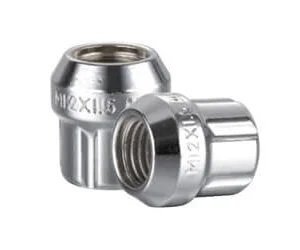
A lug nut is a small but critical fastener that holds your vehicle’s wheel securely to the hub. It threads onto a wheel stud and clamps the wheel in place, ensuring stability while driving. Despite their size, lug nuts are essential to road safety.
For a complete wheel and tire service setup, Fortune also manufactures wheel balance weights and tire-patches, ensuring every part of your tire assembly meets the same quality standard.

wheel-lug-nuts

Common Automotive Lug Nut Application

At Fortune, we offer high-quality lug nuts tailored to your vehicle type—whether for passenger cars, commercial trucks, or trailers. Our precise fit ensures safety, compatibility, and long-term durability across all applications.

Car Lug Nut

Car lug nuts are typically smaller in size, using conical or ball seat designs to match standard passenger vehicle wheels. These automotive lug nuts are designed for daily use, offering easy installation, corrosion resistance, and secure fastening. They’re commonly made from steel or aluminum, and often feature finishes like chrome or black zinc.

Trailer Lug Nut

Trailer lug nuts need to support uneven loads and resist corrosion from exposure to water and road salt. Many trailer wheel lug nuts use zinc-plated or galvanized finishes and come in sizes like 1/2x20 or 9/16x18. Matching the correct seat type—usually conical—is crucial to prevent loosening during travel.

Truck Lug Nut

Truck lug nuts are built for high-load applications. These heavy-duty lug nuts often come in extended thread or two-piece formats, using materials like carbon steel or chrome-plated alloy. They’re designed to withstand vibration, long-distance hauling, and harsh weather—making them essential for commercial and industrial fleets.

Golf Cart Lug Nut

Golf cart lug nuts are lightweight and often smaller in diameter, such as 12mm or 1/2". They typically come with decorative finishes like anodized black or machined aluminum. These small vehicle lug nuts are designed for low-speed applications but must still provide firm fitment and rust resistance for outdoor use.

Racing Lug Nut

Racing lug nuts prioritize performance and weight reduction. Commonly made from forged aluminum or titanium, these racing wheel nuts feature extended threads and precise torque tolerances. Their design allows for quick pit-stop changes while maintaining safety at high speeds, making them ideal for motorsports and track applications.

Fortune Lug Nut Seat Types and Their Differences

Choosing the right seat style of automotive lug nut is crucial for secure wheel installation and long-term performance. Fortune offers a full range of lug nuts with precise seat types like acorn seat lug nuts and mag lug nuts, engineered for perfect mating with your wheel design.

01

Conical Seat Lug Nut & Acorn Lug Nut & Tapered Lug Nut

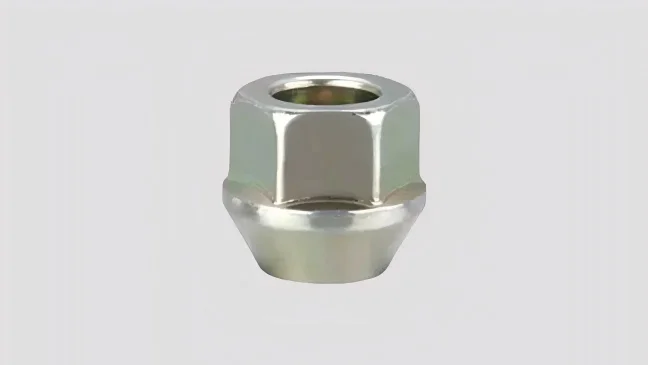
Conical seat lug nuts—also known as acorn or tapered lug nuts—are the most common type used on modern vehicles. Their cone‑shaped seat helps center the wheel precisely and provides a tight, secure fit. This design is widely used on both factory and aftermarket wheels for its simplicity and reliability.

When installing, make sure the seat angle of the nut matches the wheel’s design, usually 60 degrees. A mismatch can cause vibration or loosening over time. Thanks to their self‑centering shape and strong contact pressure, conical lug nuts are easy to install and offer excellent stability for everyday driving.

lug-nuts

02

Ball Seat Lug Nut & Spherical Lug Nut

wheel-nut-banner

Ball seat lug nuts—also known as spherical seat lug nuts—have a rounded base that matches the curved wheel seat design. This rounded interface distributes clamping force evenly and prevents damage to the wheel surface.

They are commonly found on European vehicles, where precision seating is required. Ball seat nuts are easy to install, but make sure to match the seat type exactly—mixing them with conical seats can lead to improper torque and unsafe wheel fitment.

03

Flat Lug Nut

Flat seat lug nuts feature a flat washer‑like base that provides even pressure against the wheel surface. This type is less common than conical or spherical styles but is often used where precise surface contact is required—such as with some alloy or custom wheels.

Because the flat seat doesn’t self‑center, proper alignment during installation is essential. When tightened correctly, these lug nuts ensure an even clamp and are ideal for vehicles needing balanced load distribution across the wheel face.

wheel-nuts

Different Types of Lug Nuts By construction and features

Beyond seat type, the overall construction and structural features of a lug nut play a crucial role in its performance, installation ease, and wheel compatibility. Fortune provide a wide range of structurally distinct automotive lug nuts—designed for superior durability, secure fitment, and optimized aesthetics. Whether you’re sourcing for aftermarket upgrades or high-performance applications, our solutions ensure both safety and long-term reliability.

Mag Style Lug Nut & Shank Lug Nut

Mag-style lug nuts feature a flat seat and an extended shank that fits into the wheel. They often come with a separate washer and provide a wide contact surface for better load distribution. Shank lug nuts are commonly used on custom wheels that require precise alignment.

Extended Thread Lug Nut

Extended thread lug nuts offer a longer threaded section for better grip and easier torque application. They’re popular in performance vehicles and racing setups where faster, more secure installation is required. Use only if the stud length matches the nut design.

Tuner Lug Nut & Spline Lug Nut

Tuner and spline lug nuts are narrow-design nuts that require a special key for installation and removal. Often used on aftermarket wheels with small diameter holes, they add a level of security while maintaining a sleek appearance.

Spike Lug Nut

Spike lug nuts have an aggressive, pointed design for styling purposes. While primarily decorative, they can still function as regular lug nuts. They’re popular in custom trucks and off-road builds but require careful installation to avoid damage.

Left Hand Lug Nut

Left-hand lug nuts use reverse threading and are tightened counterclockwise. They’re mainly found in older vehicles or specialty applications where rotation direction might loosen standard nuts. Always verify thread direction before replacement.

Two Piece Lug Nut

Two-piece lug nuts consist of a core nut and a free-spinning cap. This design helps protect the outer finish and allows for easier removal. However, exposure to moisture can cause the cap to swell, making removal difficult over time.

Fortune Latest News

wheel-lug-nuts

How to Properly Torque Lug Nuts

Lug nuts with incorrect torque can cause a wheel to come loose at highway speed — one of the most dangerous failures a driver can experience. Too loose, and the wheel works free over the first 100 km; too tight, and the studs stretch or snap under load. The fix
Read More >

Lug Nuts – Everything You Need to Know

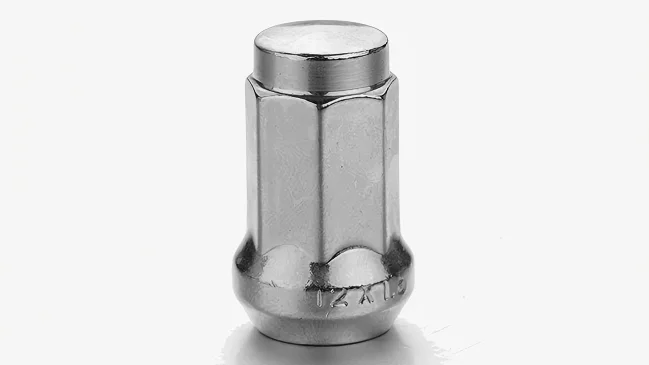
The stock wheel nuts on most cars do their work without anyone noticing them — until the day a wheel wobbles, a stud snaps, or a finish gets scratched during a tire swap. Aftermarket lug nuts solve the cosmetic problem but introduce a technical one: every wheel and stud combination
Read More >

FAQs about Fortune Lug Nuts

lug-nuts-2

How tight should wheel nuts be?

Proper torque is critical when installing automotive lug nuts. Under‑tightening can cause the wheel to loosen, while over‑tightening can damage the stud or rotor. Always start tightening by hand, then use a torque wrench to reach the manufacturer’s recommended torque value—typically between 75 and 110 ft‑lbs for most cars. Do not lubricate the threads or seats, as this changes the friction and causes inaccurate torque readings.

After any tire change—whether at a repair shop or roadside—it’s essential to recheck your automotive lug nuts within the first 80–100 km (50–60 miles). Driving can cause lug nuts to loosen slightly due to heat, vibration, or uneven clamping, especially with new wheel installations. Re-torquing ensures your wheel remains securely fastened and prevents potential hazards like wheel detachment or stripped studs. It’s also good practice to check lug nut torque before long trips or during seasonal tire changes.

Yes, automotive lug nuts—especially two-piece capped designs—can swell over time. This occurs when moisture seeps between the decorative chrome cap and the inner steel nut. Corrosion, galvanic reactions, and exposure to road salt or de-icing chemicals accelerate this process, causing the steel to push against the cap and deform it.

No, lug nuts are not universal. They vary in size, thread pitch, seat type, and overall design depending on the vehicle make and model. Always check compatibility before replacing lug nuts to avoid safety risks like cross-threading or wheel detachment.

contact Fortune