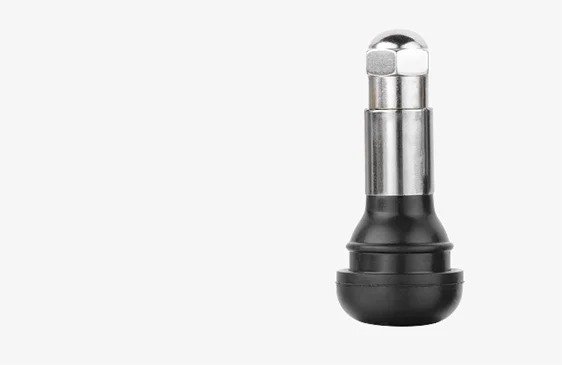
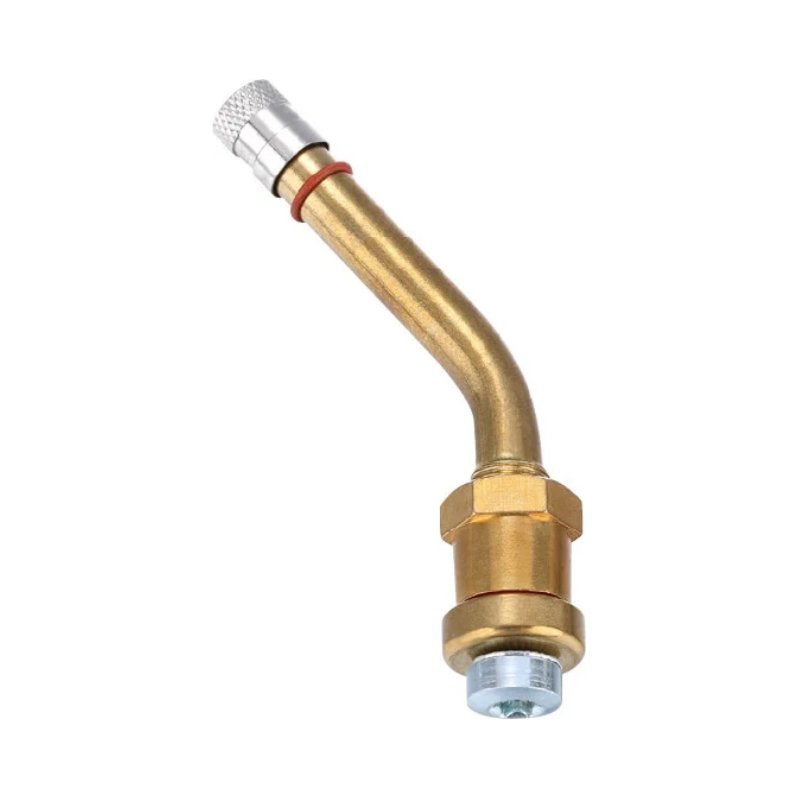
A freshly unboxed TPMS sensor that refuses to scan is one of the most common “false defective” cases in auto parts warehouses and tire service shops. In our experience at Fortune, a TPMS sensor manufacturer supplying wholesale and custom batches, this scenario appears in roughly 8–12% of new-unit intake checks. The cause is rarely a dead battery. New units ship dormant from the factory to preserve shelf life and need a proper wake-up signal before responding to a TPMS activation tool. Compatible TPMS valve stems are also an important consideration when checking sensor fitment and preparing replacement assemblies. This guide covers the two activation methods we recommend, plus the diagnostic checks that distinguish a sleeping sensor from a genuinely defective one.
Why a New TPMS Sensor May Appear Dead
Factory sleep mode, explained
TPMS sensor manufacturers ship units in a low-power dormant state. The radio transmitter is muted and the pressure-sensing element is in standby. The unit looks “dead” to a TPMS activation tool because no signal is being broadcast.
Why TPMS sensor batteries stay quiet in storage
Built-in lithium cells lose roughly 2–3% capacity per year in storage. Activating the radio before sale would drain 30–40% of capacity during a typical 2–3 year shelf life, which is why factories default to dormant mode. Once installed and inflated, the unit wakes permanently.
TPMS Sensor Activation — Tools and Conditions
TPMS activation tools required
A TPMS activation tool compatible with the sensor frequency (315 MHz or 433 MHz), an inflator with gauge, and a stable power supply for the tool. Keep the frequency printed on the outer label for cross-reference before triggering.
The pressure window required for activation
The sensor’s pressure switch closes at roughly 1.8–2.0 bar (26–29 psi). Below that threshold, the unit stays dormant even when triggered. Always bring the tire up to at least 2.0 bar before attempting activation.
TPMS Sensor Activation — Standard Method
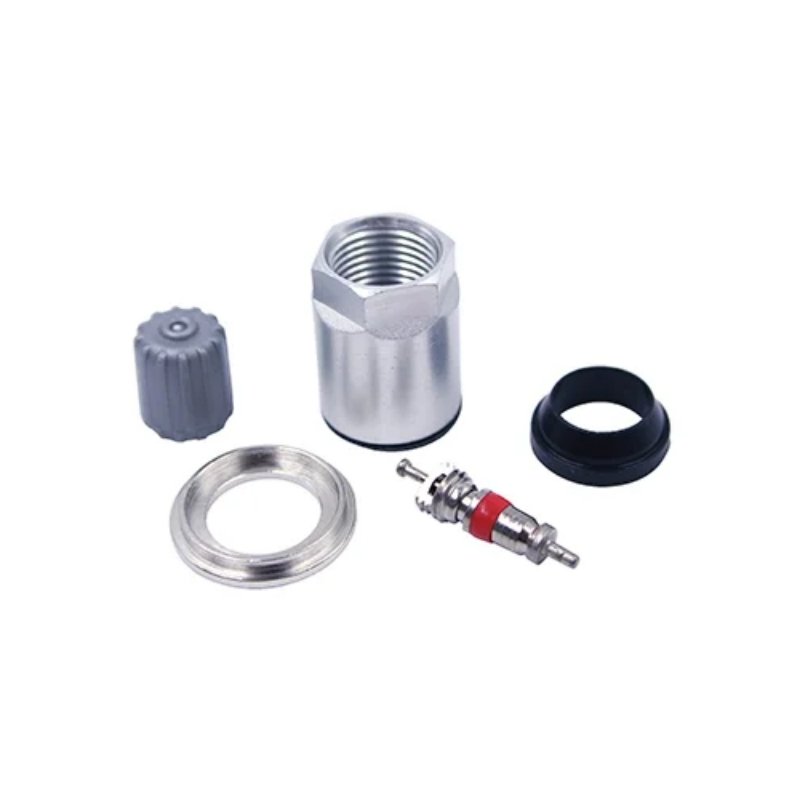
Step 1: Mount the sensor onto the wheel
Seat the grommet of the rubber TPMS valve fully into the rim valve hole. A half-seated sensor will not register pressure correctly and may fail to wake.
Step 2: Pressurize the tire to operating spec
Inflate to the vehicle’s B-pillar specification, typically 2.2–2.5 bar (32–36 psi) for passenger cars. This crosses the pressure switch threshold and primes the unit.
Step 3: Send the wake-up signal with your TPMS tool
Hold the tool against the sidewall near the valve stem and trigger. The unit should respond within 1–3 seconds with a unique sensor ID. This works on most units within 30 days of manufacture. For older stock, move to Method 2.
TPMS Sensor Activation — Pressure-Release Wake-Up
The 3-second pressure-release trick (when the standard method fails)
If the standard trigger returns no ID, deflate the tire continuously for at least 3 seconds while keeping the tool active. The pressure drop forces an internal reset and the unit broadcasts a fresh ID.
Why a pressure drop works as the wake-up signal
The sensor contains a mechanical pressure switch. A drop of 0.5 bar or more over 3 seconds triggers the wake-up circuit, even when the radio was muted. This is why a slow manual bleed rarely works; a steady 3-second drop is the threshold.
When the TPMS Sensor Is Actually Defective
Start with a visual inspection
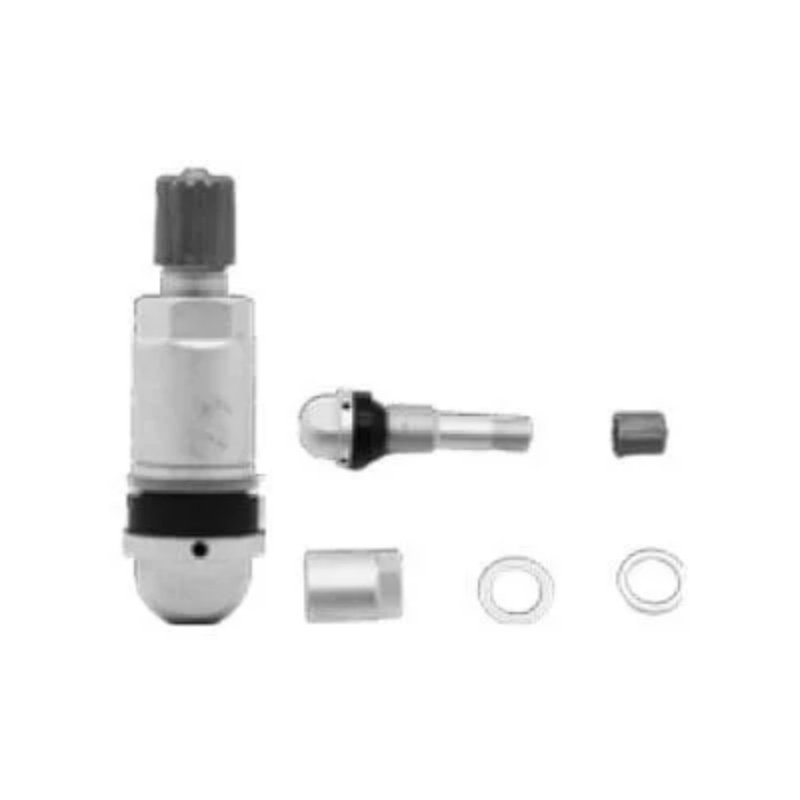
Check the grommet for cracking, the metal TPMS valve housing for corrosion, and the antenna coil for damage. A physically damaged unit will never wake.
Tire Pressure Monitoring System battery voltage as the real health metric
A healthy dormant TPMS sensor reads 2.8–3.2 V at the cell terminals. Anything below 2.5 V indicates a depleted battery, often from 4+ years of shelf time. The unit is unrecoverable and should be returned to the supplier.
How many attempts before flagging dead-on-arrival
Industry convention is 3 attempts: standard method, pressure-release method, and one fresh battery check. If none respond, flag the unit for replacement. For wholesale TPMS sensor batches, Fortune autoparts offers lot-level DOA replacement under standard supplier terms.
FAQ
Does this method revive sensors already installed on a vehicle?
No. This wake-up procedure is for factory-dormant units only. An installed unit that has gone silent is almost always at end-of-life (battery depleted) and must be replaced.
How long can a sensor sit dormant on the shelf?
Industry shelf life is 5–7 years in dormant mode with minimal capacity loss. Beyond that, the cell voltage drops below the wake-up threshold.
Is every brand shipped in sleep mode?
Yes. Every major TPMS sensor manufacturer ships units in dormant mode by default to protect shelf life.
Does the battery still drain during dormancy?
Yes, but at a much lower rate than active mode. Expect 0.5–1% capacity loss per year versus 100% depletion in active use.
Will the sensor re-enter sleep mode after activation?
Once activated and installed, no. The unit stays awake until the battery is depleted, typically 5–10 years of service.