Why Is EPDM Rubber Commonly Used in Automotive Tire Valve Stems?
 20Jul
20Jul 

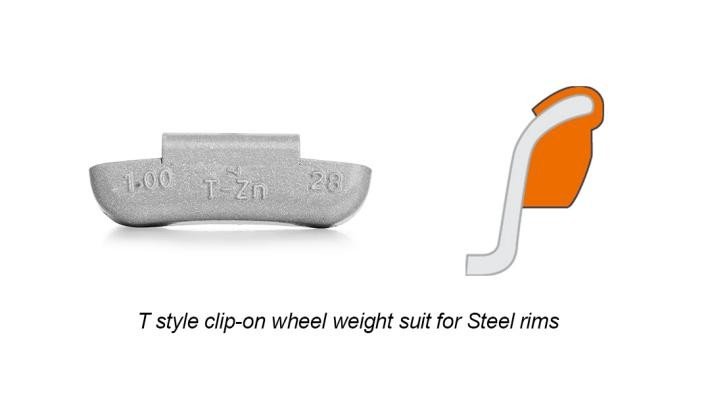
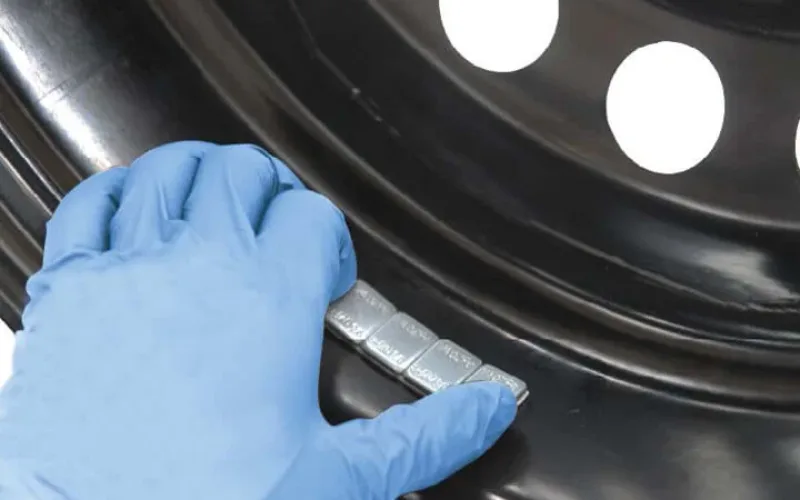
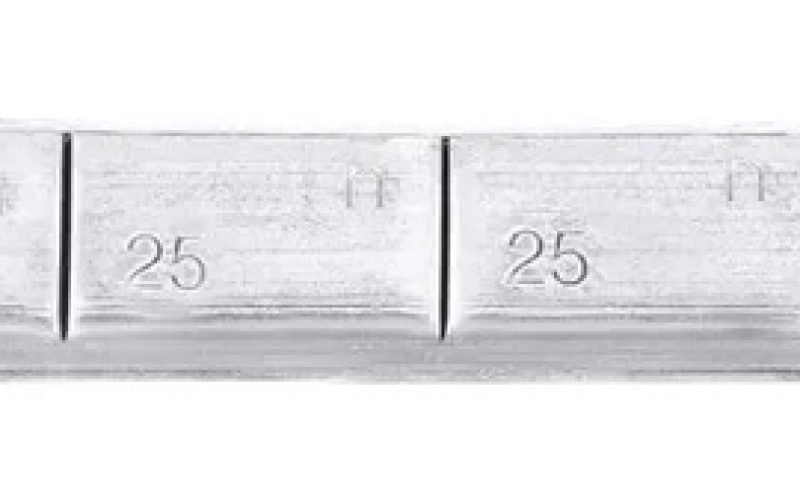
Clip-On Wheel Weights are critical safety and performance components in the tire service industry, designed to counteract dynamic imbalance in passenger cars, SUVs, and commercial vehicles.
However, sourcing these components requires rigorous technical oversight. At highway speeds, the centrifugal force exerted on a wheel weight is exponentially increased based on the standard formula for radial force (F = mω²r, where ‘m’ is the mass of the weight, ‘ω’ is the angular velocity, and ‘r’ is the radius of the wheel). If a weight lacks the correct clip geometry or tension profile for a specific rim standard, this force will cause immediate detachment—leading to severe wheel damage, safety hazards, and increased warranty claims.
At Fortune Auto Parts (fortuneautoparts.com), we operate strictly as a direct manufacturing factory—never as a distributor or dealer. Backed by IATF 16949:2016 and ISO 9001:2015 certifications, we engineer our products to meet rigid OEM specifications. This technical guide outlines the industry standards, verifiable metallurgical properties, and fitment matrices necessary for OEM and aftermarket buyers to source accurately and mitigate risk.
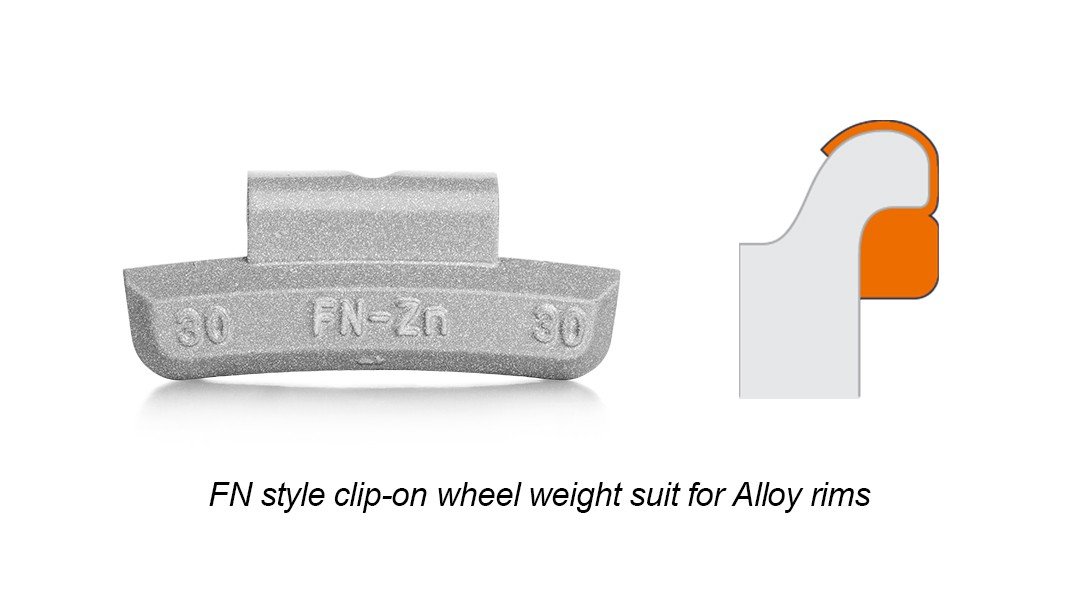
Clip-On Wheel Weights are engineered to conform to specific regional wheel flange regulations. Understanding the technical divide between the European and North American manufacturing specifications is the first step in successful procurement.
European wheel weights strictly follow the dimensional guidelines set by the European Tyre and Rim Technical Organisation (ETRTO).
The North American market follows the standards set by the Tire and Rim Association (TRA) and SAE J1986. Because North American OEMs utilize a vast array of flange profiles (J-flange, K-flange, etc.), the weight classification is highly fragmented.
International buyers frequently confuse the North American Gram series (IAW, FN, EN) with the European Gram series. While both utilize the metric system, a North American 20g FN-style weight is stamped with a TRA-compliant clip. Its insertion angle and gap width make it entirely incompatible with an ETRTO-standard European alloy rim. This structural mismatch is a primary cause of high-speed weight loss.
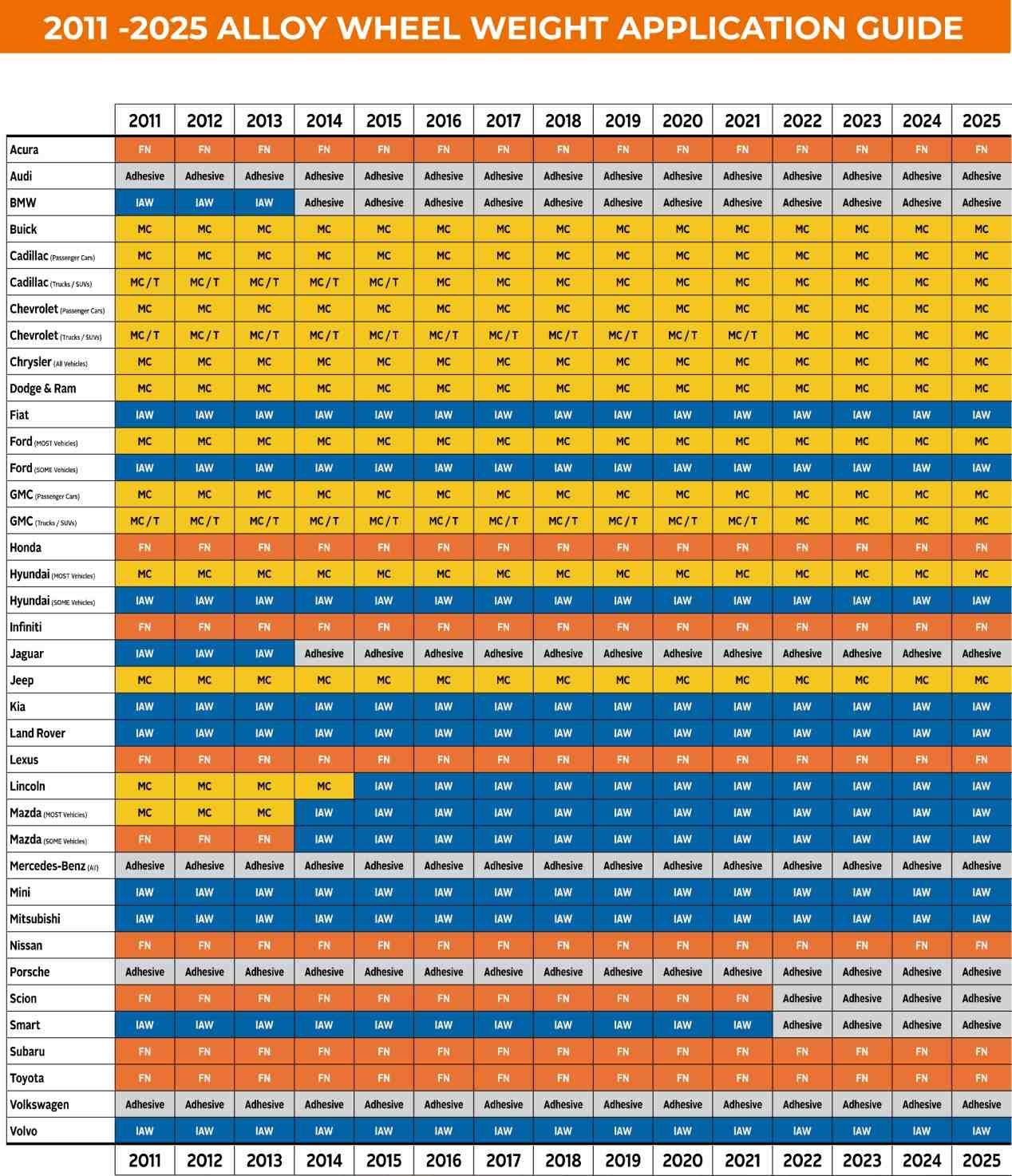
The physical material of the wheel dictates the shape, gap, and tension of the retention clip. To guarantee retention, our factory utilizes premium 65Mn spring steel for the clips, subjected to precise heat treatment to achieve a Rockwell Hardness (HRC) of 42-50. This ensures the clip retains its “memory” and exerts optimal clamping force after insertion.
Material selection dictates environmental compliance, raw material costs, and corrosion resistance. All Fortune Auto Parts products undergo strict third-party validated testing to guarantee longevity.
| Material | Regulatory Status | Surface Treatment & Testing (ASTM B117) | Best Application |
| Steel (Fe) | Globally Compliant (RoHS/REACH) | Protected via Zinc + Epoxy powder coating or Dacromet (ASTM F1136). Passes >480–720 hours Salt Spray Test (SST). | High-volume aftermarket; dominant in North America. |
| Zinc (Zn) | Globally Compliant (RoHS/REACH) | Die-cast construction. Inherently resistant to galvanic corrosion. Exceptional aesthetic retention. | Premium OEM markets; environmentally strict regions (NA/EU). |
| Lead (Pb) | Restricted (EPA / EU Directive 2000/53/EC) | Uncoated or polymer-coated. Highly pliable for superior flange conformity. | Specific legacy European markets where legal; specialized industrial. |
Industry Insight: With the rapid adoption of Electric Vehicles (EVs), which generate significantly higher instant torque and possess heavier curb weights, the demand for high-retention, anti-corrosive Steel and Zinc weights has surged. Precise fitment is no longer optional; it is a structural necessity to prevent EV NVH (Noise, Vibration, and Harshness) degradation.
To prevent supply chain failures, procurement teams should verify the following empirical tolerances and certifications before placing volume orders:
No. Even if the weights are identical in mass (e.g., 20g), European wheel weights conform to ETRTO rim flange specifications, whereas North American vehicles require TRA-standard clips. Using a European clip on a North American rim profile results in insufficient retention force and high risks of the weight detaching at high speeds.
Environmental legislation (such as the EU’s End-of-Life Vehicles Directive and various US state bans) heavily restricts lead due to its environmental and biological toxicity. Steel and Zinc are 100% eco-friendly, globally compliant, and offer superior structural rigidity, making them the standard for modern automotive applications.
North American alloy wheels use highly specific rim contours. For example, the MC style is engineered primarily for domestic passenger cars, AW style fits older domestic alloy rims, while the FN style is designed specifically for Japanese imports (Toyota, Honda, Nissan). Always consult a dedicated application guide or verify the rim’s flange code before sourcing.
At Fortune Auto Parts, we use high-grade 65Mn spring steel for all our clips. By applying localized heat treatment, we lock the clip’s hardness between HRC 42-50. This creates structural “elastic memory,” ensuring that the clip maintains its rated clamping force even under severe driving vibrations and thermal expansion.
Eliminate supply chain friction and quality variance by partnering directly with the manufacturing source. Fortune Auto Parts operates an advanced production facility capable of producing the complete portfolio of ETRTO and TRA standard Clip-On Wheel Weights in steel, zinc, and lead.
We back our production with in-house fatigue testing, SST chambers, automated stamping lines, and full OEM/ODM private-label capabilities. Visit fortuneautoparts.com to access our technical CAD catalog, review our SGS compliance reports, and discuss your bulk manufacturing requirements directly with our engineering team.
 Request a quote