Why Is EPDM Rubber Commonly Used in Automotive Tire Valve Stems?
 20Jul
20Jul 

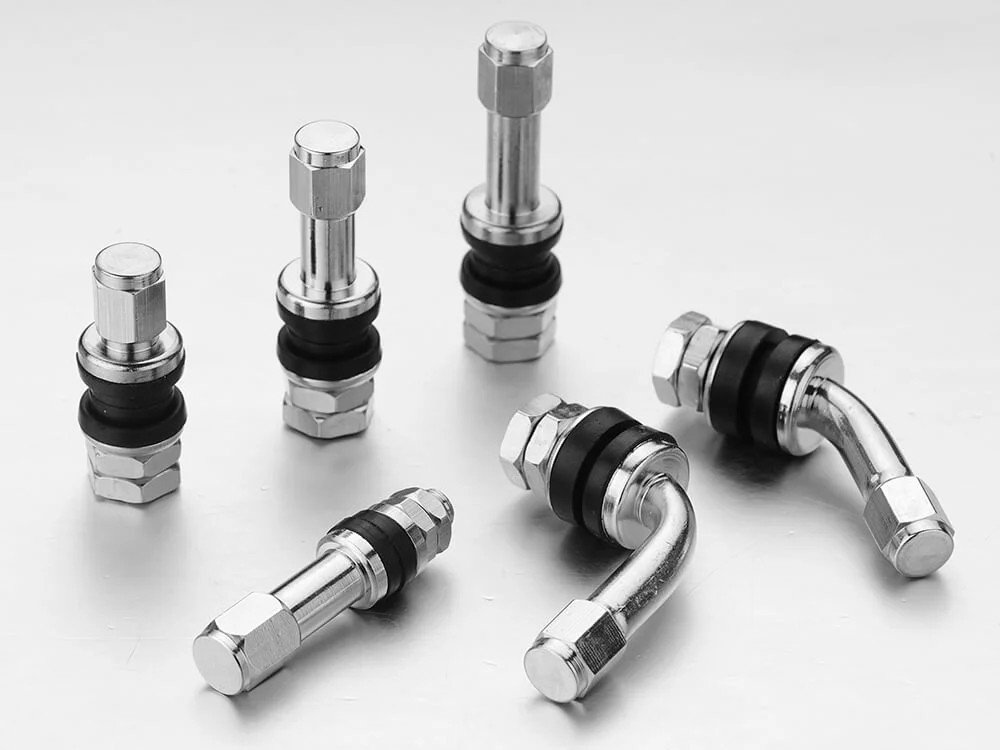
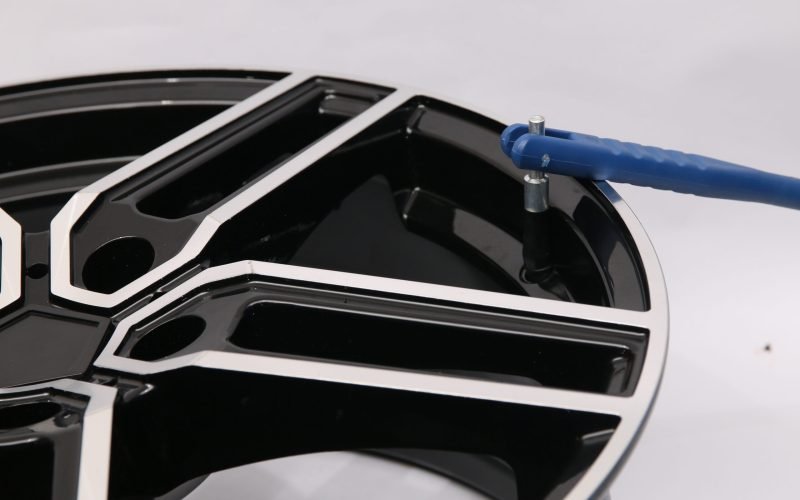
Replacing a tire valve stem is a simple DIY repair that typically takes 15–30 minutes using basic tools. In many cases, it can be completed without removing the tire by using a quick valve stem tool.
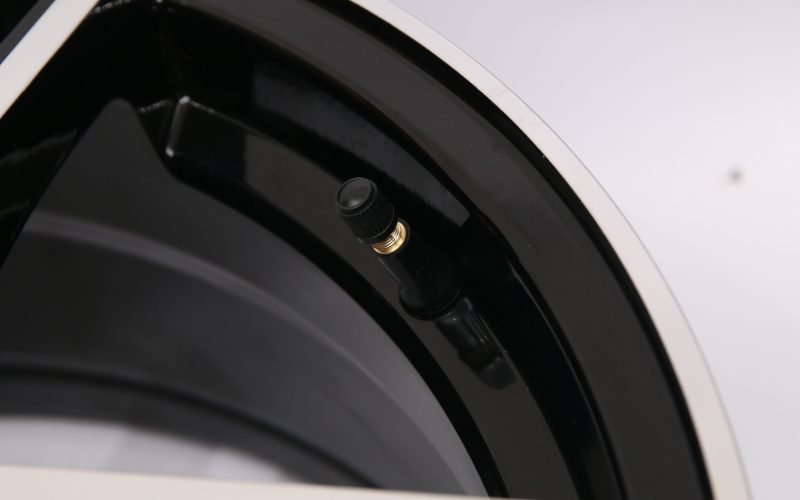
A failing valve stem is one of the most common causes of slow tire pressure loss. Over time, heat, moisture, and road conditions can cause the rubber to crack or the valve to lose its seal, leading to unstable tire pressure and reduced driving safety. Learning how to replace a tire valve stem correctly helps maintain proper tire pressure, extend tire life, and improve overall vehicle safety.
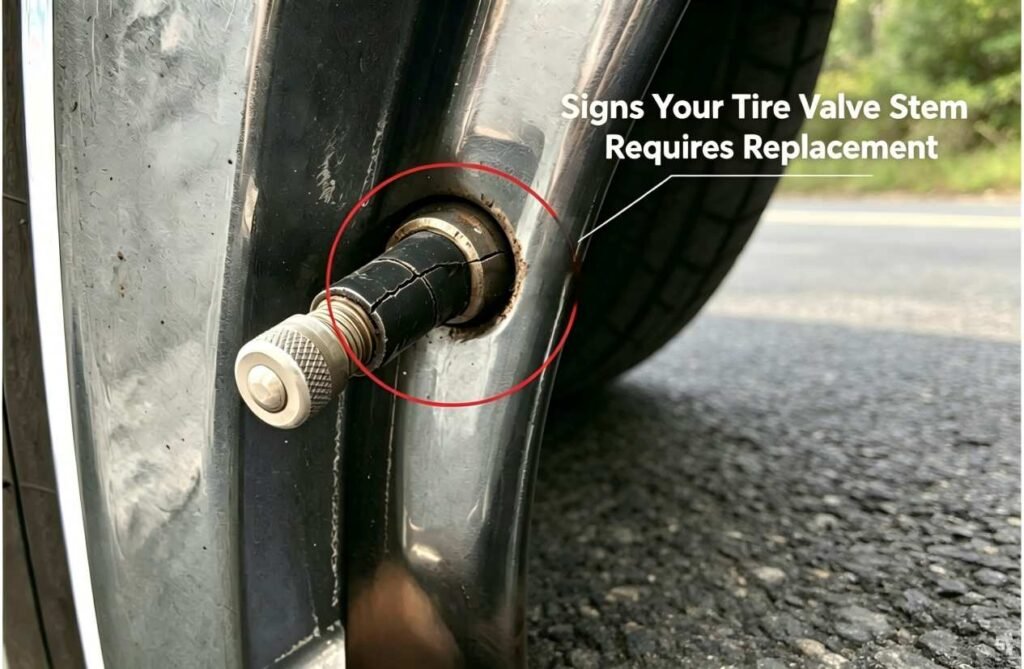
A leaking valve stem may produce a faint hissing sound near the valve area. You can also apply soapy water around the stem and look for bubbles, which indicate escaping air. Damage often occurs after impacts from potholes, curbs, or rough road conditions.
If a tire consistently loses pressure without any visible puncture, the valve stem may be leaking. Aging rubber can become dry, stiff, or brittle over time, preventing the valve from sealing properly.
Visible cracks, splits, or surface wear are clear signs that the valve stem should be replaced. Worn rubber is more likely to leak air and may eventually fail completely under driving pressure and temperature changes.
A persistent TPMS (Tire Pressure Monitoring System) warning light can sometimes indicate a slow leak caused by a faulty valve stem or valve seal. Inspect the valve area carefully if tire pressure continues to drop after inflation.
💡 Pro Tip: Valve stems are inexpensive and wear at a similar rate as tires. Replacing all valve stems when installing new tires can help prevent future leaks and reduce maintenance issues later on.
Replacing a tire valve stem only requires a few basic tools. The exact tools may vary depending on whether you remove the tire completely or use a quick-change valve tool:
| Tool | Purpose |
|---|---|
| Valve Core Tool | Removes the valve core to release air from the tire |
| Valve Stem Puller / Installer | Removes the old valve stem and installs the new one |
| Tire Pressure Gauge | Checks tire pressure after installation |
| Air Compressor or Tire Inflator | Re-inflates the tire after replacement |
| Lubricant (Soapy Water) | Helps slide the new valve stem into place |
| Spray Bottle with Soapy Water | Checks for leaks after installation |
| Jack and Lug Wrench | Needed if the wheel must be removed from the vehicle |
| Quick Valve Change Tool (Optional) | Allows valve stem replacement without fully removing the tire |
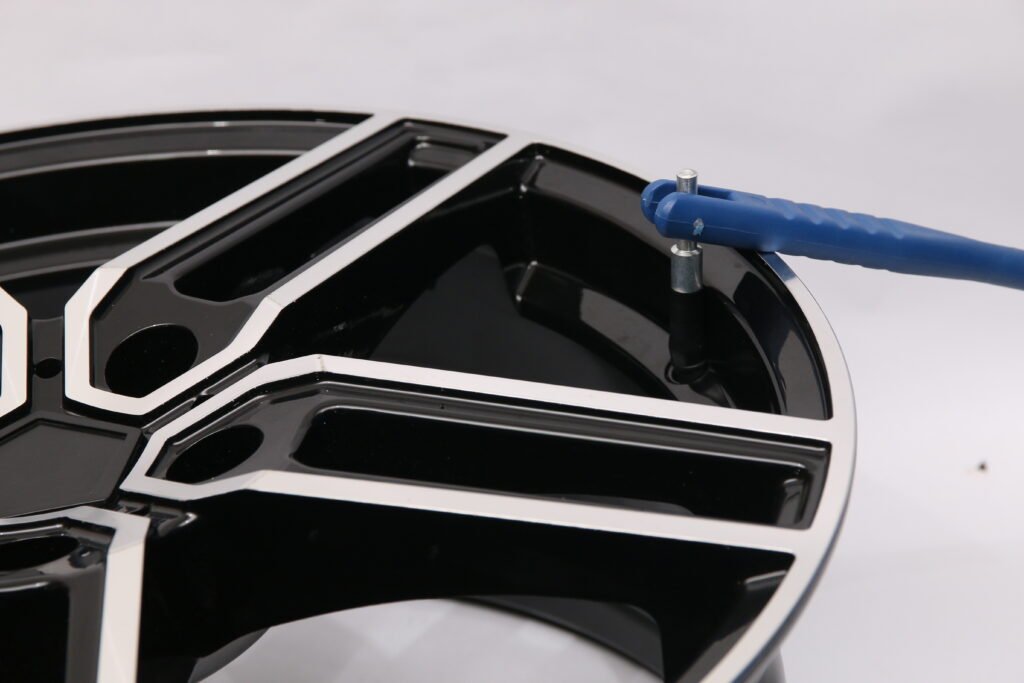
Park the vehicle on a flat surface and engage the parking brake. Use wheel chocks to prevent movement. Gather all tools and wear safety gloves and eye protection before starting.
Remove the valve cap and use a valve core tool to remove the valve core. Allow all air to fully escape before continuing.
If the tire is dismounted, use a valve stem puller to remove the stem from inside the wheel. If the tire remains installed, use a quick valve tool following manufacturer instructions to extract it through the valve opening.
Apply a small amount of soapy water to the base of the new valve stem. Insert it through the valve hole from the inside of the wheel and pull it into place until fully seated and flush against the rim.
Reinstall and tighten the valve core. Inflate the tire to the manufacturer’s recommended pressure. Apply soapy water around the valve stem base and inspect for bubbles. If leakage is detected, reseat the valve stem and repeat the test.
Valve stem replacement is a low-cost maintenance task. The part typically costs only a few dollars, while professional service ranges from $10 to $30 per tire depending on labor and tire removal requirements.
DIY replacement only requires the cost of the valve stem and basic tools, making it one of the most affordable tire maintenance procedures.
Replacing a tire valve stem is a fast and cost-effective maintenance task that can resolve slow air leaks and restore proper tire pressure. When performed correctly and followed by a proper leak test, it helps improve driving safety, reduce tire wear, and extend tire life. For reliable performance and long-lasting sealing, choose high-quality Fortune tire valve stems for your vehicle.
Tire valve stems should typically be replaced every 5–6 years or whenever new tires are installed.
Yes. A quick valve tool allows replacement from the outside of the wheel without breaking the tire bead.
Leaks may occur due to improper seating, dirt in the valve hole, or a loose valve core. Reinstallation and cleaning are recommended.
Yes. A failing valve stem can cause slow or continuous air loss, eventually leading to a flat tire if not repaired.
 Request a quote