Why Is EPDM Rubber Commonly Used in Automotive Tire Valve Stems?
 20Jul
20Jul 

Handle lead wheel counterweights with extreme care. This is for your safety and to protect the environment. Recycling is the best and safest way to dispose of them. You can consult with suppliers (such as Fortune) about recycling or recycling programs. Please be sure to comply with local laws and regulations to avoid fines or pollution. Please refer to the table below for the best disposal methods:
| Disposal Method | Description |
|---|---|
| Return to Supplier | Please contact the supplier for advice on replacement or safety measures. |
| Recycling | The lead blocks were sent for recycling as scrap metal. |
| Hazardous Waste Disposal | Please take them to a designated waste disposal site, not to a regular trash can. |
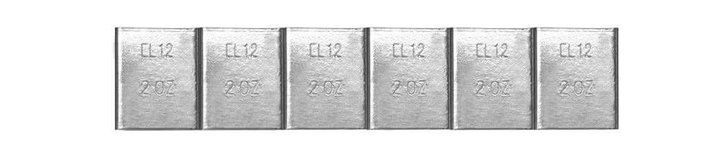
You may not realize how much lead from wheel ballast enters the environment each year. In the United States, approximately 50 million pounds of lead are used in tire ballast annually. Smelters recover about 75% of this lead, but about 12.5 million pounds still end up in the environment untreated. Of this, 1.6 million pounds detach from wheel ballast during driving. The remaining lead may contaminate soil and water sources or be used for unsafe purposes.
A New Jersey study found that 23 to 26 tons of lead from wheel ballast enter the local environment each year. This lead breaks down into small pieces, mixing with dust and posing a danger to children. Lead pollution in soil, dust, and water is a serious concern, especially in urban areas. Lead levels in roadside soil are often very high, sometimes reaching as high as 115 parts per million. Wheel ballast is one of the main sources of this pollution.
Tip: Always collect and store used wheel ballast properly to prevent it from contaminating soil or water sources.
Lead is a toxic metal. When handling scrap wheel counterweights, you may be exposed to lead dust or particles. This can happen if you touch your face or eat without washing your hands after handling. Children are especially vulnerable because lead can cause permanent health problems. Even small amounts of lead can damage the brain and nervous system.
If you need to melt or process lead, use a respirator and thick gloves. Ensure you work in a well-ventilated area and avoid inhaling fumes.
When disposing of lead wheel counterweights, local and national laws must be followed. In the United States, the Environmental Protection Agency (EPA) is developing new regulations for the disposal of lead wheel counterweights. For example:
| Date | Action |
|---|---|
| March 13, 2024 | The U.S. Environmental Protection Agency has issued a notice of a proposed settlement agreement regarding lead wheel ballast. |
| Dec 31, 2024 | The U.S. Environmental Protection Agency will sign a proposed rule or take final action to regulate leaded wheel weights. |
| Sept 30, 2025 | The final action or decision regarding the formulation of rules. |
| April 3, 2024 | The U.S. Environmental Protection Agency (EPA) has issued a preliminary notice and a request for comments. |
| May 3, 2024 | The deadline for submitting comments to ANPRM. |
You should check your local regulations, as some places have strict rules regarding recycling or hazardous waste disposal. Complying with these laws and regulations helps protect your community and avoids fines.
You should always store used wheel weights properly. Use sturdy containers and label them specifically for storing these items. This will prevent lead from entering your workplace or environment. Store the containers in a dry, locked place. Ensure they are out of reach of children and pets. Never mix wheel weights with regular garbage or other recyclables. Proper storage helps prevent lead spills and facilitates future disposal.
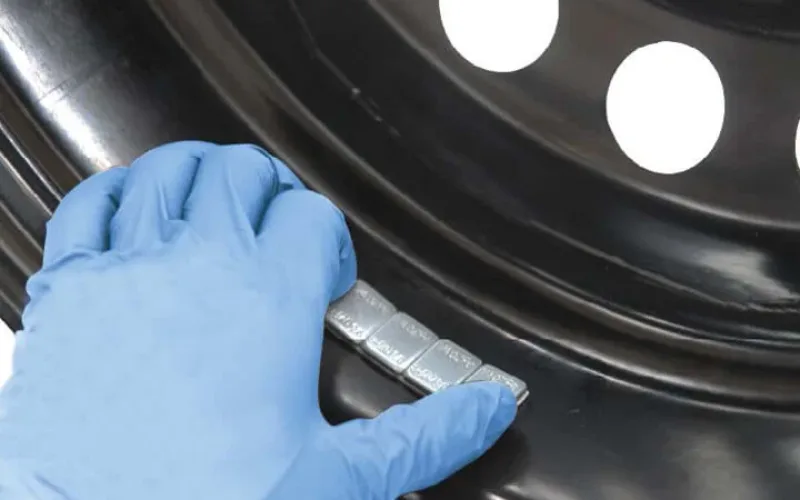
Tip: Wear gloves when handling used wheel weights. This will prevent lead dust from coming into contact with your skin.
Before discarding wheel weights, please check the regulations in your area. Some places have strict laws regarding lead handling and recycling. You may need to go to a specialized recycling center or hazardous waste disposal site. Adhering to these regulations will keep your town safe and help you avoid fines. You can call your local waste management department or visit their website for assistance.
Recycling is the best way to dispose of lead wheel weights. Many suppliers, such as Fortune, offer recycling or recycling programs. You can also take used wheel weights to tire shops, auto service centers, or municipal garages. These places typically collect them for recycling. The table below lists recycling locations in North America and Europe:
| Location Type | Description |
|---|---|
| Tire Shops & Dealerships | Balance tires and collect used wheel weights |
| Fleet Maintenance Yards | Handle truck and bus wheel weights |
| Automotive Recyclers | Process end-of-life vehicles |
| Municipal Garages | Manage public works fleets |
During recycling, the lead is melted down and reused. This prevents lead from ending up in landfills, thus protecting the environment.
Note: Ask your supplier (such as Fortune) if they recycle old wheel weights. Many tire shops also send collected weights to recycling centers.
If you cannot recycle your wheel weights, please take them to a hazardous waste disposal center. These facilities know how to safely dispose of lead. Some centers treat removed wheel weights as scrap metal and therefore may not be considered hazardous waste. Other centers require you to hire a qualified contractor for disposal. For everyone’s safety, please always follow the center’s instructions.
Never put wheel weights in regular trash cans or discard them outdoors. Lead is a toxic metal that can leach into soil and water. Improper disposal is not only illegal but also harms the community environment. Furthermore, it increases cleanup costs and endangers public health.
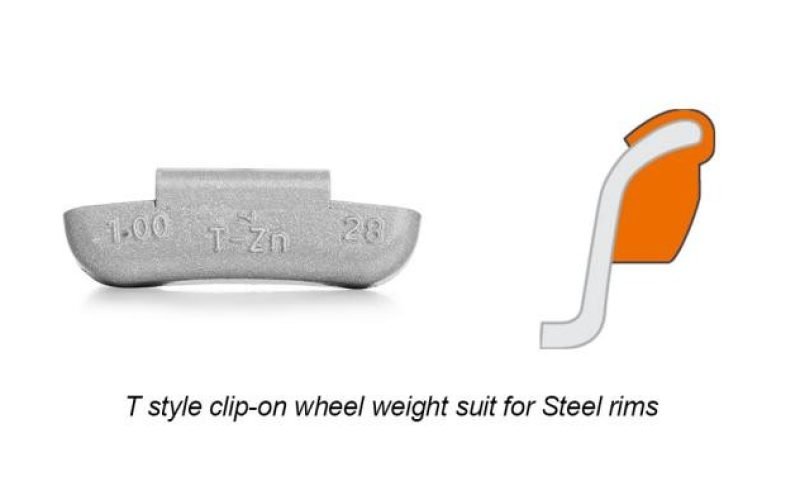
Note: Using lead-free wheel weights, such as steel or zinc weights, helps reduce pollution and protect the environment. Fortune sells both leaded and lead-free wheel weights, allowing you to choose a safer product that protects both your vehicle and the planet.
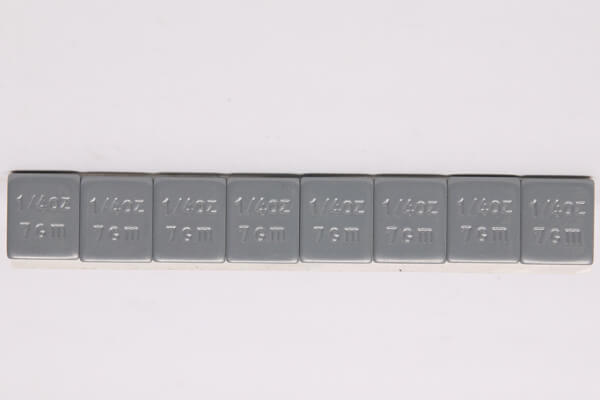
You can take lead wheel weights to certified scrap metal recyclers. These recyclers follow regulations to protect the environment. Many states prohibit wheel weights with a lead content exceeding 0.1%. If you remove lead wheel weights, you must use safer alternatives. Scrap metal recyclers typically require you to sort the metal before you bring it in. Please confirm their requirements before you go.
You can search online or ask nearby auto repair shops to find certified recyclers. Many auto repair shops collect scrap metal for recycling. If you know a local mechanic, they can often help you with recycling.
Tire shops and auto service centers recycle old wheel weights. You can ask your local tire shop if they recycle lead weights. Many tire shops send these weights to recycling centers. You can also ask municipal garages or fleet parking lots. These places often handle large quantities of weights and know how to dispose of them safely.
Tip: Try to go to the tire shop when it’s less busy. The staff can answer your questions and help you find a recycling point.
Suppliers’ recycling programs make recycling simple. You can take your wheel weights to a convenient recycling point. Suppliers like Fortune work with stores and recycling centers to handle materials correctly. These programs reuse materials like rubber, steel, and fibers in new products.
Consult your supplier about a regular recycling program. This helps you comply with regulations and protect the environment.
Note: Establish a regular recycling program with your recycler or supplier. This keeps your workplace clean and prevents lead contamination of the environment.
Properly storing lead wheel weights is a contribution to the community. Following local regulations and using recycling programs are also fulfilling legal obligations. Choosing lead-free products from Fortune is a contribution to the planet. The table below lists the impact of each material on the planet and your health:
| Material | Environmental Impact | Health Risks |
|---|---|---|
| Lead | Contaminates ecosystems | Severe health issues |
| Zinc | Reduces lead exposure | Minimal health risks |
| Steel | Low toxicity, recyclable | Minimal health risks |
By recycling and using safer materials, you’ve made a wise choice.
No, never throw lead wheel weights into a regular trash can. Lead is toxic and harmful to humans and the environment. Always use a recycling system or hazardous waste disposal procedure.
You can search online for local scrap metal recyclers or contact your tire shop. Many auto service centers also recycle old wheel weights. Your supplier, such as Fortune, may also offer a recycling program.
To protect your skin, you should wear gloves. Wash your hands after handling lead. If you are melting or cutting lead, wear a respirator and work in a well-ventilated area.
Lead-free wheel weights, such as those made of steel or zinc, help protect the environment and reduce health risks for you and your community. Fortune offers both leaded and lead-free options for added safety.
 Request a quote