

Not all wheel weights are made of lead. You see more drivers and mechanics choosing alternatives like zinc and steel. Lead still holds about 36% of the market because of its density and cost, but many turn to zinc, the fastest-growing option, due to new environmental rules. Fortune stands out by offering both lead and non-lead wheel weights. When you use wheel weights, you help your vehicle stay balanced, improve ride comfort, and keep your tires from wearing out too quickly. These small parts play a big role in keeping you safe on the road.

When you look at wheel weights, you’ll see they’re made of different materials. Each material has its advantages and disadvantages. You can choose from lead, zinc, steel, or even types like plastic and composites. Let’s take a look at what makes each material unique.
Lead has long been used as wheel weights. It’s used because of its high density and ease of shaping, allowing for wheel balance with smaller weights. Here are some key properties of lead:
Lead wheel weights come in two types: snap-on and adhesive. Snap-on weights attach to the rim, while adhesive weights are glued to the inside of the wheel. Both types contribute to a smoother ride.
Caution: Lead is harmful to humans and the environment. It does not decompose naturally and can pollute soil and water. Children are more vulnerable to lead poisoning, which can lead to learning disabilities and other health problems. Many states have banned or restricted the use of lead wheel weights.
| Health Risk | Description |
|---|---|
| Neurodevelopmental Damage | Lead exposure can impair brain development, especially in children. |
| Nerve Damage | It may cause neurological problems. |
| Cancer | It is associated with a higher risk of cancer. |
| Cardiovascular Disease | Lead can raise blood pressure and cause heart problems. |
| Kidney Damage | Long-term use may damage the kidneys. |
| Fertility Problems | Lead can affect reproductive health. |
Zinc is another material used for wheel balancing. It’s now used more widely because it’s considered safer for humans and the environment. Zinc weights are slightly larger than lead weights because zinc has a lower density. However, they still balance the wheel very well.
Zinc wheel weights are available in both adhesive and snap-on types. Many car owners choose zinc weights because they are safe and robust. Zinc weights are generally more expensive than steel weights, but many believe their advantages justify the price.
Steel is now the primary material for wheel counterweights. People use steel because it is strong, safe, and affordable. Steel counterweights of the same size are heavier than zinc or lead counterweights, but they still provide good wheel balance.
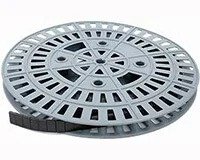
Steel wheel counterweights come in two types: adhesive and snap-on. Adhesive steel counterweights have a simple and aesthetically pleasing appearance and are suitable for various wheel shapes. Steel is also cheaper, making them popular with many car owners. However, steel is prone to rust without a coating, so it’s essential to ensure it has a good protective layer.
Balance wheels can help your car save up to 8% on fuel. This means that steel wheel counterweights can save you money and make your car run more smoothly.
Plastic and composite wheel ballasts are a newer option. They are chosen when lightweight and rust-resistant ballast is needed. They perform well in hot, cold, and humid environments.
| Advantage | Description |
|---|---|
| Regulatory compliance | It meets safety standards for sensitive environments. |
| Shock resistance | It can withstand impacts better than metal. |
| Temperature range | It can be used in both hot and cold weather. |
| Weight | Lighter than metal, it helps improve energy efficiency. |
| Corrosion resistance | It will not rust or corrode. |
| Customizable | It can be made into various shapes and sizes. |
| Friction Coefficient | Needs less lubrication, saves money. |
| Load-bearing | Handles heavy loads well. |
| Moisture absorption | Does not soak up water, good for wet places. |
Most commercially available plastic and composite wheel weights are adhesive-based. They adhere firmly and won’t damage the wheel rim. For car owners who prioritize modern environmental protection, these weights are a good choice.
Tip: When choosing wheel weights, consider your driving habits, weather conditions, and any material regulations. Fortune offers lead, zinc, and steel wheel weights in both adhesive and snap-on types, allowing you to choose the most suitable style for your vehicle.

Comparing leaded and lead-free wheel weights reveals some significant differences. Lead has a high density, so only a small amount is needed to balance the wheels. It is also durable and rust-resistant. However, lead is toxic and harmful to the environment. Many places have banned lead due to these risks. Lead-free weights, such as steel and zinc, are safer for both you and the planet. Steel is strong, durable, and affordable, but it is prone to rusting if not properly coated. Zinc is corrosion-resistant and performs well in humid or saline environments. More and more drivers are choosing lead-free weight materials because they comply with safety regulations and help protect the environment.
Tip: If you live in an area with strict regulations, then lead-free wheel weights are the best option.
You can choose between adhesive or snap-on wheel weights. Adhesive weights are directly attached to the wheel rim; simply clean the rim surface, peel off the adhesive backing, and press it in. They won’t scratch the rim and have a clean appearance. Snap-on weights are secured to the rim with clips and may require special tools. They may leave small gaps, allowing water to seep in and cause rust. Adhesive weights are suitable for various rim shapes and are easy to use. While snap-on weights can also provide some protection, they require regular checks to ensure they are securely fastened.
Each material and type has its own advantages and disadvantages. Steel wheel counterweights are durable and inexpensive, but require a good coating to prevent rust. Zinc is environmentally safe and corrosion-resistant, but expensive. Lead is inexpensive and easy to process, but it is harmful and banned in many places. Composite materials are lightweight and rust-free, but not readily available.
Note: Your choice depends on your needs, local laws, and your expectations for the car.
You should be familiar with the regulations regarding lead wheel counterweights. Many countries have strict laws to ensure public safety. These laws also help protect the environment. Please see the table below to see which counterweights are permitted in different regions:
| Region | Legal Status |
|---|---|
| European Union | According to the End-of-Life Vehicles Directive (ELV Directive), their use has been prohibited since 2005. |
| United States | The federal government has not banned it; however, some states (such as California and New York) have restrictions or bans. |
| Canada | Federal law prohibits the production and import of wheel weights with a lead content exceeding 0.1%. |
| Japan | Automakers have stopped using lead wheel weights for nearly a decade. |
| China | Allowed but must follow safety and environmental rules. |
Lead is being banned in more and more places. In the United States, nine states have already banned the use of lead wheel weights. This is prompting automakers and suppliers to use safer materials.
Choosing lead-free wheel weights is a contribution to the planet. Lead weights, if detached from a car, can pollute soil and water. Zinc, steel, and composite materials are more environmentally friendly. Please see the table below for a comparison:
| Material | Impact During Production | Impact During Disposal |
|---|---|---|
| Zinc | Non-toxic, resists corrosion | Eco-friendly, keeps soil and water clean |
| Steel | Often made from recycled materials | Recyclable, reduces landfill waste |
| Composite/Plastic | Resists corrosion, protects environment | Lightweight, recyclable, lowers footprint |
These counterweights are available in both adhesive and snap-on types. Adhesive counterweights have good adhesion and won’t scratch the wheel rims. Snap-on counterweights are easy to install and remove.
Tip: Choosing lead-free counterweights helps maintain community safety and cleanliness.
The automotive industry is undergoing rapid transformation. More and more car owners and repair shops are looking for environmentally friendly wheel weights. Today, companies are offering more weights made of zinc, steel, and composite materials. Fortune provides both leaded and lead-free options to meet these needs. Adhesive wheel weights are increasingly used, especially on alloy wheels. Electric vehicles require lighter, more precise weights to maintain balance.
You can trust Fortune; we always comply with all safety and environmental regulations. The company maintains strict quality control and offers both adhesive and snap-on types. You will get safe, modern wheel weights that meet your vehicle’s and local regulations.
You can choose from a variety of wheel weights. Some weights are not made of lead, but rather safer options such as zinc, steel, or composite materials. Fortune and other brands sell legal, high-quality products. The table below can help you choose the right weights:
| Factor | Why It Matters |
|---|---|
| Vehicle type | Different cars require different weight distributions. |
| Material | Impact on safety and environment. |
| Installation method | Choose adhesive or clamp-on. |
| Local regulations | Lead is banned in some places. |
Tip: Before buying a car, be sure to understand your car needs and local laws and regulations.
Using wheel rim counterweights helps balance the tires. Balanced tires contribute to a smoother ride, reduce vibration, extend tire life, improve fuel efficiency, and provide a safer driving experience.
Do not mix tires of different materials on the same rim. Mixing can lead to wheel imbalance or corrosion. To ensure vehicle safety and balance, always use the same type and style of tires for each wheel.
Yes, lead-free wheel hubs made of zinc and steel offer excellent weight distribution. They balance the wheels and meet safety standards. Many drivers choose them because they are safer for both people and the environment.
Please consult your vehicle’s manual or a tire professional. Consider your wheel type, local regulations, and driving needs. Fortune offers a variety of options to help you find the best tires for your car.
No, not all states ban leaded wheel weights. Some states have strict regulations, while others allow them. You should check your local laws and regulations before choosing wheel weights.