Blog

How to Activate a Brand New TPMS Sensor?

A freshly unboxed TPMS sensor that refuses to scan is one of the most common “false defective” cases in auto parts warehouses and tire service shops. In our experience at Fortune, a TPMS sensor manufacturer supplying wholesale and custom batches, this scenario appears in roughly 8–12% of new-unit intake checks. The cause is rarely a dead battery. New units ship dormant from the factory to preserve shelf life and need a proper wake-up signal before responding to a TPMS activation
How to Replace a TPMS Without Tire Removal

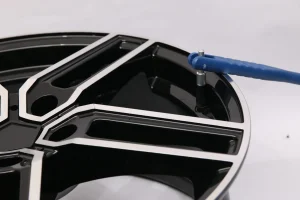
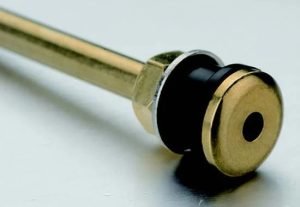
Most drivers who see the tire pressure monitoring system (TPMS) warning light illuminate head straight for a service appointment. However, they may discover that many repair shops equate “TPMS sensor replacement” with removing the entire tire and running it through a tire machine, pushing a single job past thirty minutes. Choosing compatible TPMS valves and using an appropriate replacement method can help technicians streamline certain service procedures. A shorter path has always existed. One technician uses a method that does

clip-on-wheel-weights1

How to Choose the Right Clip-On Wheel Weights: Types, Materials & Fitment Guide

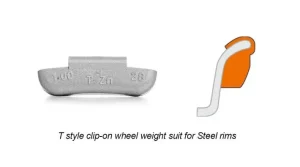
Clip-On Wheel Weights are critical safety and performance components in the tire service industry, designed to counteract dynamic imbalance in passenger cars, SUVs, and commercial vehicles. However, sourcing these components requires rigorous technical oversight. At highway speeds, the centrifugal force exerted on a wheel weight is exponentially increased based on the standard formula for radial force (F = mω²r, where ‘m’ is the mass of the weight, ‘ω’ is the angular velocity, and ‘r’ is the radius of the wheel).

Tire-Valve-Stem-2048x1365

Why Is EPDM Rubber Commonly Used in Automotive Tire Valve Stems?

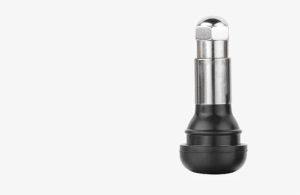
Although an automotive tire valve stem is small, it plays a critical role in maintaining tire pressure and preventing air leakage. During vehicle operation, the valve stem is continuously exposed to demanding conditions such as high and low temperatures, ultraviolet radiation, ozone, rainwater, road salt, vibration, and centrifugal force at high speeds. If the rubber compound does not provide sufficient aging resistance, the valve stem may gradually harden, lose elasticity, develop surface cracks, suffer reduced sealing performance, and eventually cause