Why Is EPDM Rubber Commonly Used in Automotive Tire Valve Stems?
 20Jul
20Jul 

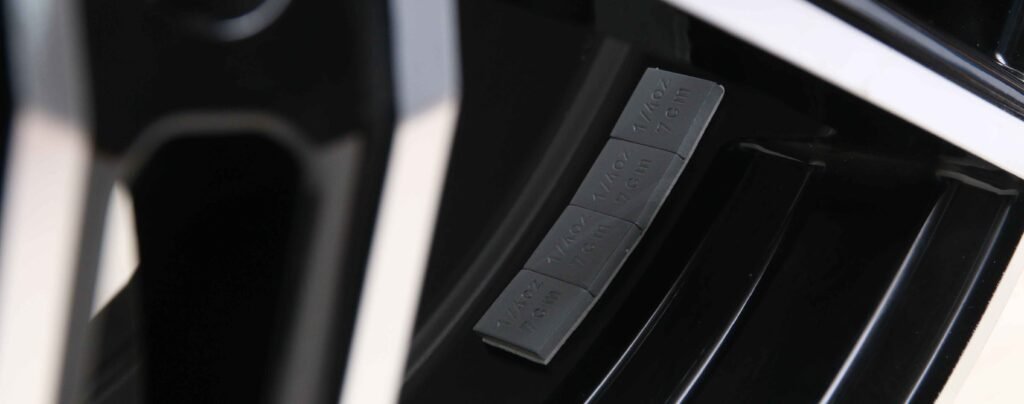
Have you ever wondered why your adhesive wheel weights keep falling off? They might be due to dirty wheels, worn-out adhesive, or improper installation. These problems are indeed frustrating, but you’re not alone. Fortune’s adhesive wheel weights offer a clever solution with strong adhesive, easy installation, and durable materials. This product provides a secure, long-lasting bond. Say goodbye to loose wheel weights!
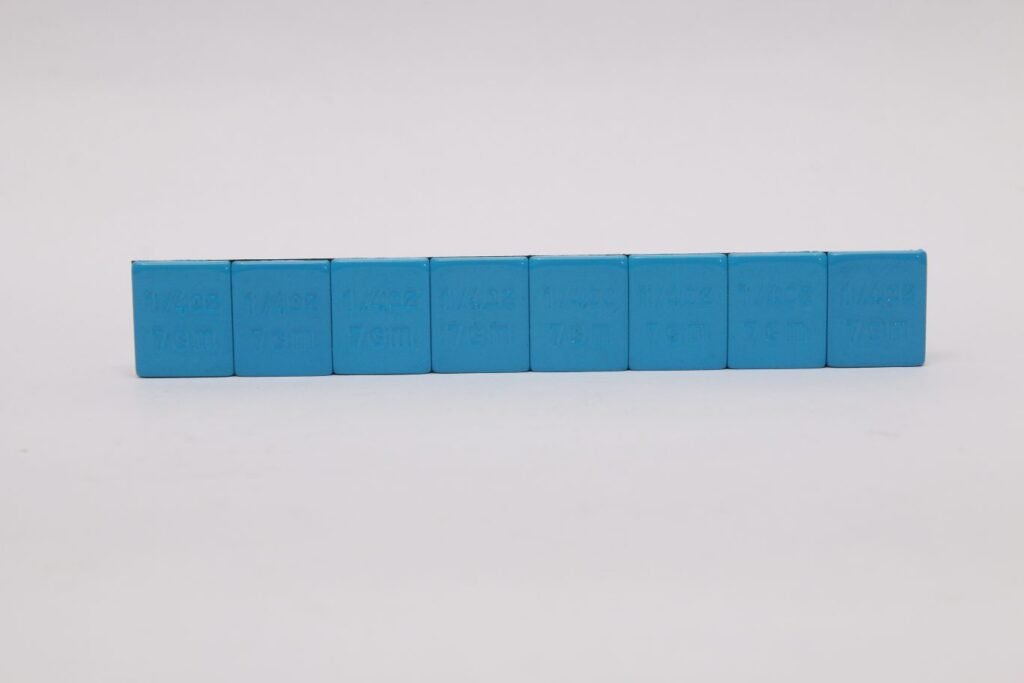
You might ask, why do adhesive wheel weights always fall off? There are several main reasons why they fall off.
Problems can arise if the wheel rims are not cleaned. Dust, brake dust, oil, and old glue can all affect the adhesion of the new weights. Glue needs a clean, dry surface to bond effectively. If any dirt or sticky substances remain, the adhesion will immediately weaken.
Tip: Before starting installation, be sure to remove any old glue and clean the wheel rims with a suitable cleaner.
People often make mistakes when installing adhesive wheel weights. Here are some common mistakes:
If you rush or skip steps, the weights may fall off after a few rides. Fortune’s segmented design helps you place each component in the correct position and press with the appropriate amount of pressure. This makes installation easier and more convenient.
The quality of the adhesive is crucial. A high-quality adhesive firmly holds the counterweight in place, even at high speeds or when encountering bumps. A poor-quality adhesive may melt, shift, or detach, especially in hot or humid weather.
The following are various factors that affect adhesive performance:
| Key Factors | Description |
|---|---|
| Strong Bonding | Good adhesives can bond firmly even in high temperatures, humidity, and when wheels are spinning. |
| Resistance to Peeling | High-quality adhesives will not peel or slip even at high speeds. |
| Long-term Reliability | High-quality adhesives are suitable for all weather and road conditions. |
What you need are adhesive wheel weights that use strong, tested adhesive. Fortune’s weights are made of rust-free and durable materials, so you don’t have to worry about them falling off in bad weather.
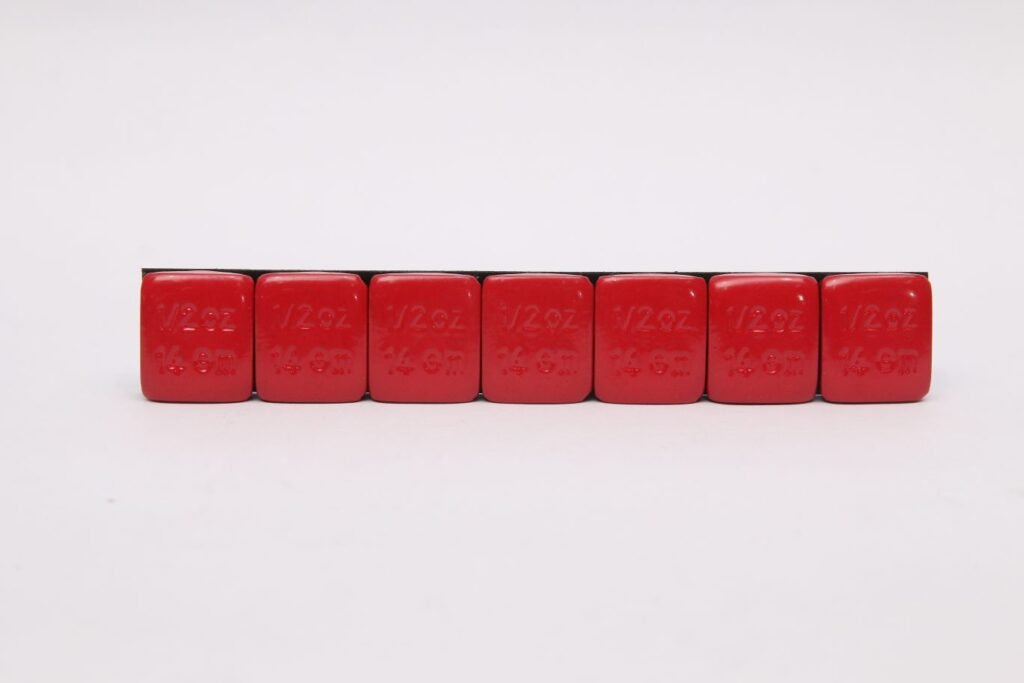
You might not see it, but your wheel rims accumulate a lot of dirt. Brake dust, road grime, oil stains, and even tire polish can all stick to the rim surface. All of this can affect the adhesion of adhesive wheel weights. If you try to attach the weights to a dirty rim, the adhesive won’t hold. The weights may fall off after only a few uses.
Tip: Always check your rims for dirt and oil before attaching the weights. Clean rims ensure the best adhesion.
Old adhesive can be tricky. Even after you remove the old weights, sticky residue may remain. This residue will prevent the new weights from adhering properly. Your wheels may look clean, but even a thin layer of old adhesive can cause problems.
Try using a plastic scraper or a specialized cleaner to remove all remaining old adhesive.
Not all cleaning methods are equally effective. Simply wiping the rims with a dry cloth will leave dust and grease residue on the surface. Water alone cannot remove grease. For optimal adhesion, you need to use a suitable cleaner.
Properly cleaning the rims helps Fortune Easy-Tear Adhesive adhere better and extends its lifespan. Good cleaning means your adhesive rim weights will stay firmly in place, even on bumpy roads or in bad weather.
Maintaining wheel balance is crucial. If the counterweights are misplaced, the vehicle may shake or veer to one side. Many people place the counterweights by feel, but this won’t work. You need to use a wheel balancer or follow a mechanic’s markings. Make sure the counterweights are placed precisely in the desired position. Fortune’s segmented design helps you align each component. You can adjust the shape of the counterweights to fit the wheel’s curvature, which not only makes installation easier but also ensures the counterweights are securely fixed to the wheel.
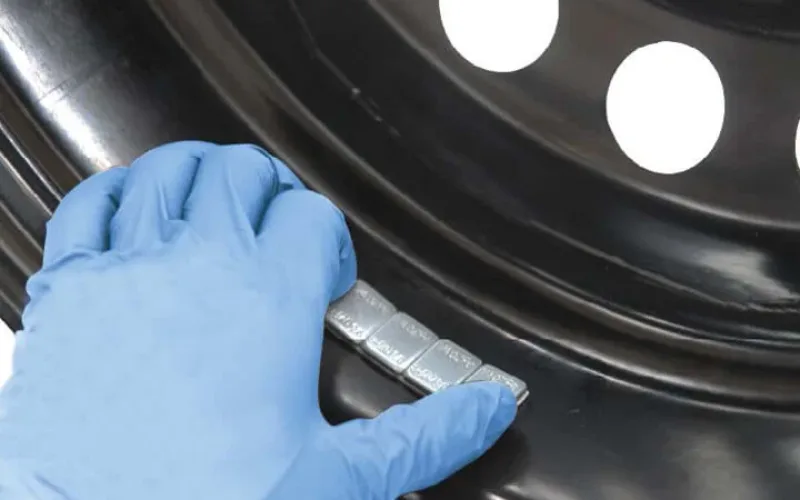
After removing the backing, you must press the weight firmly. Some people simply tap it lightly, but that’s far from enough. The adhesive needs pressure to bond securely to the wheel. Using your thumb or a roller, press along the entire length of the weight until it feels firmly attached. Skipping this step may cause the weight to come off after a few miles of riding. Be patient and make sure each section is pressed in place.
Weather conditions significantly impact adhesion. If the weather is too cold or the air is humid, the adhesive may not bond firmly. You might think that adhesive wheel counterweights are unusable in winter or rainy weather, but this is not the case. High-quality counterweights are designed to withstand various temperatures and can even resist road debris. Nevertheless, you should still install the counterweights in a dry location whenever possible. If you must install them outdoors, warm the wheel with your hand or a hairdryer; this will help the adhesive bond better.
Tip: Be sure to read the instructions on the packaging. Small actions can greatly extend the lifespan of your dumbbells.
Using Fortune’s adhesive wheel weights, you’ll find installation incredibly easy. The segmented design allows you to easily fit the weights to any wheel shape. You don’t need to worry about tricky spots or sharp turns. Just follow the steps, and your wheel will remain balanced and smooth.
You might not notice the age or quality of the adhesive on your wheel weight blocks, but it’s actually crucial. Aged or poor-quality adhesive will lose its stickiness. Once it loses its stickiness, the weight blocks can detach, especially after driving in the rain or hitting potholes. Heat from braking or sunlight can also melt weaker adhesives. Water, salt, and road chemicals can accelerate the breakdown of the adhesive. What you need is an adhesive that stays strong regardless of road conditions.
Not all wheel weights are created equal. Some materials are not suitable for certain wheels or climate conditions. Using the wrong material can lead to rust or even prevent the weight from bonding properly. You need a durable material that protects your wheels. Please see the table below for the advantages of different materials:
| Material | Benefits |
|---|---|
| Zinc | It is flexible, corrosion-resistant, rust-free, and durable. |
| Steel | Environmentally friendly, with a zinc-plated surface to prevent rust, and sturdy and durable. |
Fortune uses lead-free materials such as zinc and steel. These choices help extend the lifespan of the adhesive wheel counterweights and maintain the wheel’s appearance.
Your wheels face a variety of challenges every day. Rain, snow, salt, and even car wash liquid can corrode the adhesive. Over time, these factors can cause the weight blocks to detach. You need a robust and durable product. Fortune’s adhesive wheel weights undergo rigorous laboratory testing, including salt spray testing. These tests ensure the weight blocks remain secure even in harsh weather conditions. Superior corrosion resistance means your weight blocks will last longer, allowing for a smoother and more comfortable ride.
Tip: Always choose adhesive wheel weights made with tested adhesives and corrosion-resistant materials. This will help you avoid problems later on.
To ensure adhesive wheel weights adhere firmly to the rims, first clean the rims. Spray wheel cleaner evenly over the rim surface. Wipe away all dirt and brake dust with a microfiber towel. Pay special attention to cleaning the area where you plan to attach the weights. Make sure the rims are completely dry before proceeding. A clean surface helps the adhesive adhere better and prevents the weights from falling off.
Tip: Be sure to remove any old weights and residual adhesive before you begin attaching. If necessary, gently scrub the area with a scouring pad until the metal is exposed.
Extend the life of your installation by following these simple steps: Place the counterweight accurately where a balancer or technician indicates. Press down firmly along the entire length of the counterweight. Using a thumb or roller tool will yield the best results. Install the counterweight when the temperature is between 50°F and 125°F. If it’s cold, slightly warm the wheel first. This helps the adhesive bond better.
Not all wheel weights are created equal. High-quality products will show significant differences. Please see the table below for the reasons:
| What You Get With Quality Weights | Why It Matters |
|---|---|
| Strong adhesive backing | It can maintain its weight even under harsh conditions |
| Accurate weight calibration | Prevent tire vibration and uneven wear |
| Corrosion-resistant materials | More durable and protects your wheels |
Fortune’s adhesive wheel weights use strong adhesives and lead-free materials such as zinc and steel.
Check your wheels every few months. Look for missing or loose weights, cracks, or damage. If you find any problems, fix them immediately. Keeping your wheels clean also helps extend the life of the weights. Regular maintenance means less worry about wheel balance, giving you more time to enjoy driving.
Note: A little maintenance can bring big benefits. Adhesive wheel weights need to be checked regularly to perform at their best.
Now you understand why adhesive wheel weights sometimes come off. Keeping the wheel rim clean helps the weights adhere better. Careful installation is also crucial for good results. Choosing the right product is equally important. If you do all of the above, your driving experience will be smoother, and your tires will last longer. Many car owners report longer tire life and a more stable ride. People appreciate the quality and wide selection of Fortune products and notice a significant reduction in vibration while driving. Fortune ensures that every product performs exceptionally well, so you can always trust them.
High-quality adhesive wheel counterweights, if installed correctly, can last for years. Clean wheels and good quality adhesive help them adhere firmly in various weather conditions.
No, you should not reuse them. Once the weights are removed, the adhesive strength decreases. For best results, always use new weights.
If the counterweights on your wheels come loose, you may feel your vehicle shaking or vibrating. Stop and check your wheels. Replace the missing counterweights as soon as possible to maintain a smooth ride.
Most adhesive wheel weights work best on clean, smooth alloy wheels. Some may not adhere well to rough or dirty surfaces. Always check your wheel type before installation.
Tip: For best results, always follow the instructions on the packaging.
 Request a quote