Why Is EPDM Rubber Commonly Used in Automotive Tire Valve Stems?
 20Jul
20Jul 

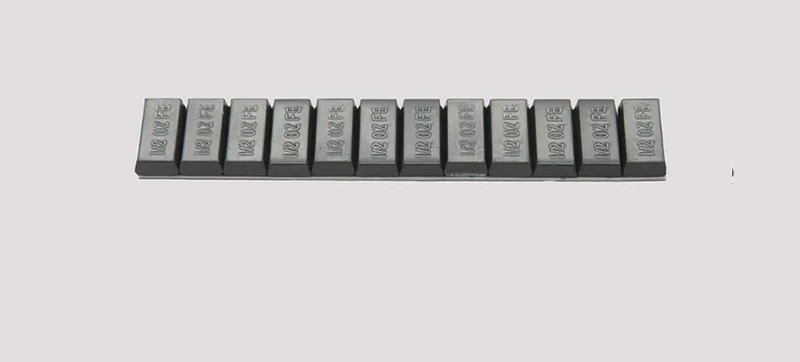
Using viscous wheel balancers can balance the wheels, resulting in a smoother and safer driving experience. Even at high speeds, these balancers help maintain vehicle stability. Many car owners choose them because they look great with alloy wheels and match the style of modern cars. Precise installation can also improve vehicle performance. With more and more cars using lightweight materials today, viscous wheel balancers are a wise choice, aligning with this new trend.
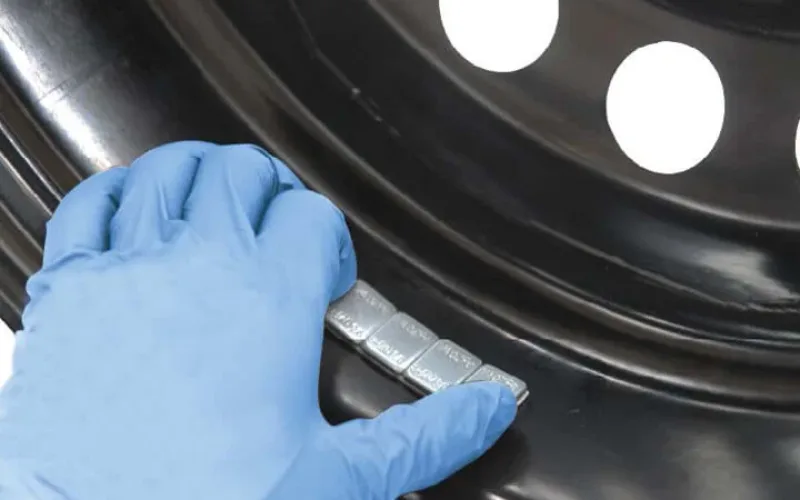
Using adhesive wheel weights helps maintain wheel balance and makes driving smoother. These weights are directly glued to the inside of the wheel rim. They are suitable for both alloy and steel rims. First, ensure the rim surface is ready. Here are the specific steps:
This method ensures a secure bond. The weight will stay in place even at high speeds or when encountering bumps. You should check the weights regularly, especially after heavy driving.
Adhesive wheel weights allow you to place them precisely where needed. This helps you achieve optimal balance. You don’t need to worry about the shape of the rim. Using these weights on custom rims keeps the rim looking neat.
Tip: Always ensure the wheel is dry before attaching the weights. This helps the adhesive work better.
Wheel balancing ensures your vehicle doesn’t shake or vibrate while driving. Using adhesive weights allows for more precise application. Here are the steps:
Adhesive weights allow for precise positioning. This helps eliminate vibrations, making your driving more comfortable. You’ll experience a smoother ride, even at high speeds. Many car owners choose these weights because they match modern wheels perfectly and don’t affect the appearance.
Adhesive counterweights meet the needs of modern vehicles, helping you enjoy a safer and smoother driving experience.

Adhesive wheel weights are primarily found on passenger cars. These vehicles are typically equipped with aluminum alloy or composite alloy wheels. Many people choose to use weights to improve the vehicle’s clean look and ride smoothness. Motorcycles with custom wheels may also use weights. Some trucks equipped with flangeless wheels also use weights. If you drive a luxury sedan or a vehicle with special wheels, you are likely to see adhesive wheel weights. They help maintain vehicle stability and make your wheels look more aesthetically pleasing.
Note: Modern cars, due to their complex wheel designs, often require concealed weights for optimal visual appeal.
You can use adhesive wheel balancers on a variety of wheel types. They work best on alloy wheels, commonly found on newer cars. Some high-end steel wheels can also use these balancers. If you have custom or luxury wheels, adhesive wheel balancers are favored for their discreetness and precise balance.
For car owners who value both style and performance, adhesive wheel balancers are essential. Regardless of what kind of vehicle you drive, they can help you drive safer and more comfortably.
You want your wheels to stay balanced. Adhesive weights allow you to precisely place weight where needed. This helps improve the smoothness of the ride and reduces vibration. You can cut these weights to fit the tight spaces on the wheel. This is especially important for custom or alloy wheels, which require a high degree of detail.
The table below compares adhesive and clip-on weights:
| Type of Weight | Advantages | Limitations |
|---|---|---|
| Adhesive Wheel Weights | You can place them in suitable locations.You can cut them to size and install them in tight spaces.They are perfect for alloy or custom wheels. | None mentioned |
| Clip-On Weights | They provide excellent wheel balance.They are easy to install. | You can’t install them everywhere.They might not balance certain wheels very well. |
You also value the appearance of your wheels. Adhesive wheel balancers can make your wheels look clean, beautiful, and almost imperceptible. You can use them on new alloy wheels or custom wheels. They are usually hidden behind the spokes, making the wheel look more streamlined.
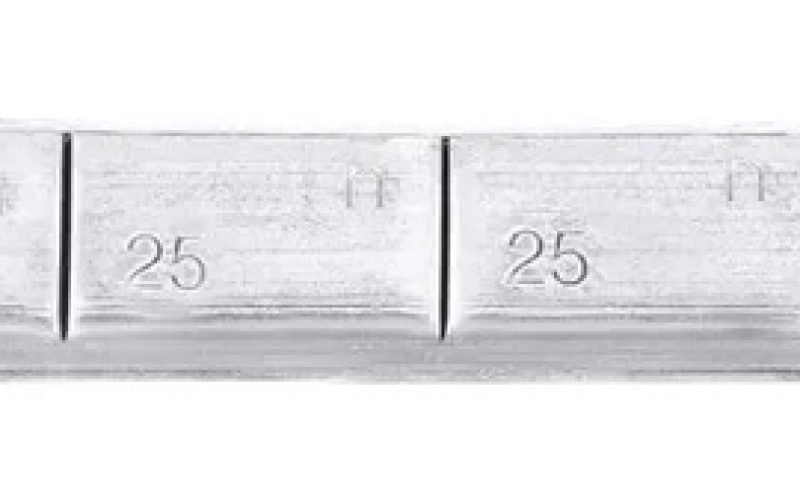
You can choose from adhesive wheel weights made of different materials. FORTUNE offers weights in steel, lead, and zinc. Each material has its advantages. Steel weights are strong, durable, and highly accurate. Zinc weights do not rust and are more environmentally friendly. Lead weights are still used in some places, but many people now prefer the safer material.
You can also choose from different finishes. FORTUNE offers black, silver, and chrome finishes. These finishes help ensure a perfect match between the weights and your wheels. Processes such as galvanizing and powder coating effectively prevent rust and stains, keeping your wheels looking good and protected from damage.
FORTUNE uses a special tape for its adhesive wheel weights. This tape is strong and durable, ensuring the weights adhere firmly even at high speeds or in inclement weather.
Choosing the right wheel weights helps protect the planet. Many places have stopped using lead wheel weights because they pollute water and soil. States like California and Washington have passed laws banning new lead wheel weights. Similar regulations exist in other parts of the United States and Canada.
The table below lists some relevant regulations:
| Regulation | Description |
|---|---|
| California’s Metal Wheel Weights Act | Starting January 1, 2009, the production of new vehicles with lead wheel ballast was prohibited, as was the sale of lead wheel ballast used for balancing. |
| Washington Legislation | Like California, the state bans lead wheel ballast because it pollutes stormwater runoff. |
| Broader Adoption | Similar regulations have been enacted in other parts of the United States and various provinces in Canada to protect the environment. |
Today, there are increasingly more environmentally friendly product options available. Businesses are starting to use recycled materials and safer metals such as steel and zinc. This shift stems from new regulations and a growing desire to protect the planet. FORTUNE’s adhesive wheel weights comply with these new regulations. You not only get a high-performance product, but you also contribute to protecting the planet.
Tip: By choosing adhesive wheel weights made from environmentally friendly materials, you are contributing to reducing pollution and creating a cleaner world.
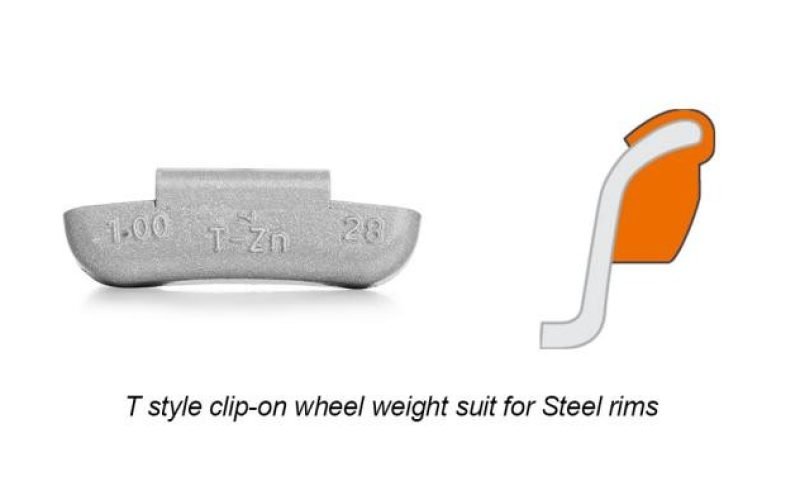
There are significant differences between adhesive-on and clip-on wheel weights. Their installation methods directly affect the wheel’s appearance and the time required for installation. Please see the table below for the main differences:
| Feature | Clip-On Wheel Weights | Adhesive Wheel Weights |
|---|---|---|
| Installation | The clips securing the wheel hub may cause scratches. | Sticked to the rim, no scratches. |
| Aesthetics | It may leave marks and scratches. | The overall appearance is cleaner. |
| Material | (Historically) usually made of lead. | It is now made of steel, which has a lower density than lead. |
| Weight Adjustment | Less weight may be needed to maintain balance. | More weight is needed to achieve the same balance. |
Installing clip-on counterweights requires specialized tools such as pliers and a rubber mallet, which is time-consuming. Adhesive counterweights, on the other hand, are much quicker to use, requiring no additional tools; simply peel off the adhesive backing to attach them.
Tip: Using adhesive counterweights can prevent wheel rims from getting scratched and keep them looking new.
If you are using alloy wheels or low-profile rims, choose adhesive wheel weights. These weights are suitable for custom wheels and flangeless rims, do not alter the appearance of the wheel, provide precise balance, and protect the rim.
When choosing between adhesive and clip-on wheel weights, consider the following:
For modern cars, viscous wheel ballast is a wise choice. It has a simple and beautiful appearance, is easy to use, and has excellent performance.

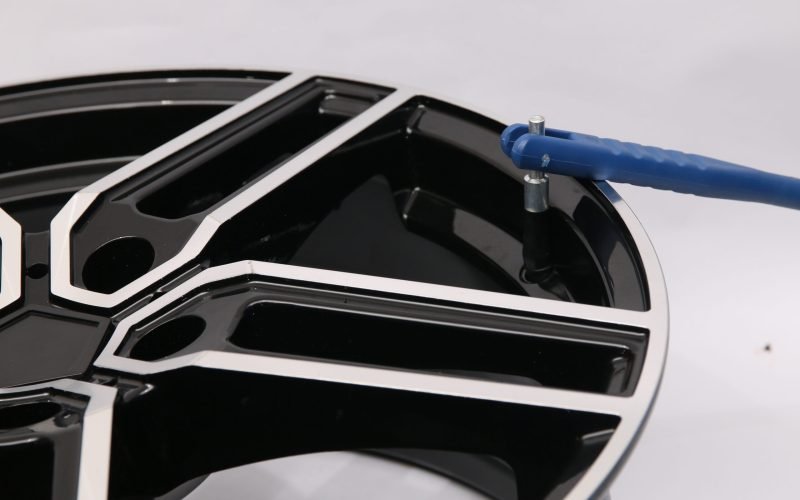
Before using adhesive rim balancers, you need to prepare your rim. First, clean the inside of the rim where you will be attaching the balancers. Use a dedicated rim cleaner or solvent to remove dirt, grease, and brake dust. Spray the cleaner onto the rim and then wipe it with a clean cloth. Ensure the surface is dry and free of dust or oil. A clean rim helps the adhesive bond better and prevents the balancers from falling off.
Choose adhesive rim balancers suitable for your rim. Consider the material and size that suits your rim and balancing needs. If you are unsure which to choose, request a sample from the manufacturer. Before installing all the balancers, test the sample on your rim to see if it fits and adheres firmly.
FORTUNE’s adhesive wheel weights use easy-tear tape. The tape is wider than the weight, so you can easily peel it off without leaving sticky residue. Peel off the tape slowly, and never touch the sticky side with your fingers to keep the adhesive clean.
Press the weight onto the marked position on the rim. Press for 10 to 15 seconds to ensure it adheres firmly. If the outside temperature is low, heat the adhesive with a hairdryer before applying. After application, do not drive or allow the wheels to come into contact with water for at least 24 hours. This allows the adhesive to fully cure and ensures its adhesion.
| Mistake | How to Avoid It |
|---|---|
| Skipping cleaning steps | Before installing the counterweights, be sure to clean the wheels with a dedicated cleaning pad. |
| Touching adhesive directly | Hold the heavy object by the edge to keep the sticky part clean. |
| Rushing installation | Press the heavy object firmly and wait 24 hours before driving to allow the adhesive to cure. |
| Using wrong adhesive tape | Use tape suitable for your wheel type and weather conditions. |
Tip: Please be patient and meticulous during preparation and installation. This will help achieve the best balance and maintain the wheel’s appearance.
Using adhesive wheel weights helps maintain wheel balance and ensures driving safety. These weights are firmly bonded, can be precisely placed where needed, and are rust-resistant. They help prevent wheels from rubbing against sharp edges, making driving smoother. Reputable brands like FORTUNE offer reliable and customizable options. They use advanced materials and prioritize environmental protection. For best results, follow these simple steps to choose the right weights for your vehicle.
| Vehicle Type | Best Weight Choice |
|---|---|
| Alloy or custom wheels | Adhesive weights |
| Want a hidden look | Adhesive weights |
Note: Always read the instruction manual before installing new wheel counterweights.
When your wheels require precise balance, use adhesive weights. These weights are best suited for alloy wheels, custom wheels, or flangeless wheels. They can also be used if you want a clean look and don’t want to see clips.
No, adhesive wheel weights are not reusable. Once removed, the adhesive loses its effectiveness. For best adhesion and safety, always use new weights.
Simply clean the wheels and install the counterweights correctly, and they will be securely in place. FORTUNE’s strong tape ensures the counterweights remain stable, even on bumpy roads or in bad weather.
Most alloy and steel wheels can use adhesive counterweights. For best results, always check the wheel surface condition and follow the manufacturer’s instructions.
 Request a quote