Why Is EPDM Rubber Commonly Used in Automotive Tire Valve Stems?
 20Jul
20Jul 

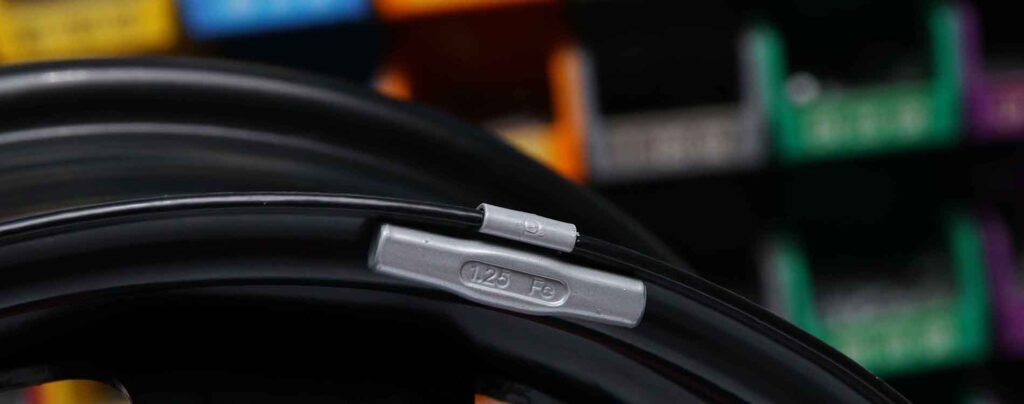
When selecting wheel weights for your vehicle, it’s crucial to consider performance and wheel type. Clip-on wheel weights offer a secure fit on steel wheels, ensuring stability even under demanding driving conditions. In 2024, clip-on weights generated over USD 430 million in revenue, highlighting their popularity for both commercial and aftermarket applications. On the other hand, stick-on wheel weights are ideal for alloy wheels and offer a clean, unobtrusive appearance. Proper wheel balancing can improve fuel economy by up to 2% and extend tire life by as much as 80%. Choosing the right balance weight, like those offered by Fortune, tailored to your wheel type, ensures a smoother and more comfortable driving experience.
For a smooth ride, your wheels and tires must rotate without wobbling. Even slight weight imbalances can lead to vibrations and discomfort. Rim balance weights correct these imbalances by ensuring even distribution of weight around the wheel. There are two main types: clip-on wheel weights and stick-on wheel weights. Both are designed to help you achieve proper balance, each in its unique way.
A wheel balancer machine checks for imbalances and indicates where to place the weights. Balancing the inside and outside of the rim may be necessary to achieve dynamic balance, which helps reduce vibrations, improve ride comfort, and protect tires from premature wear. Correct balancing also contributes to your vehicle’s safety and reduces repair costs.
Tip: Always clean the wheel surface before installing stick-on weights to ensure better adhesion and longevity.
Good wheel balance significantly enhances your vehicle’s performance. If unbalanced, you may feel your steering wheel shaking or experience seat vibrations, which can make driving uncomfortable or even unsafe. Proper balance improves comfort and control, especially at higher speeds. Research shows that balancing can increase tire life by up to 80%, helping avoid unnecessary maintenance costs while reducing strain on suspension and steering components.
| Balance Metric | Condition | Change Post-Drive vs Pre-Drive | Significance |
|---|---|---|---|
| Tire Sway | Task | 37% increase | Significant |
| Path Length | Task | 16% increase | Consistent |
| Elliptical Area | No-Task | 35% increase | Significant |
This table illustrates how balance can enhance driving control and safety, reducing vibrations and improving stability.

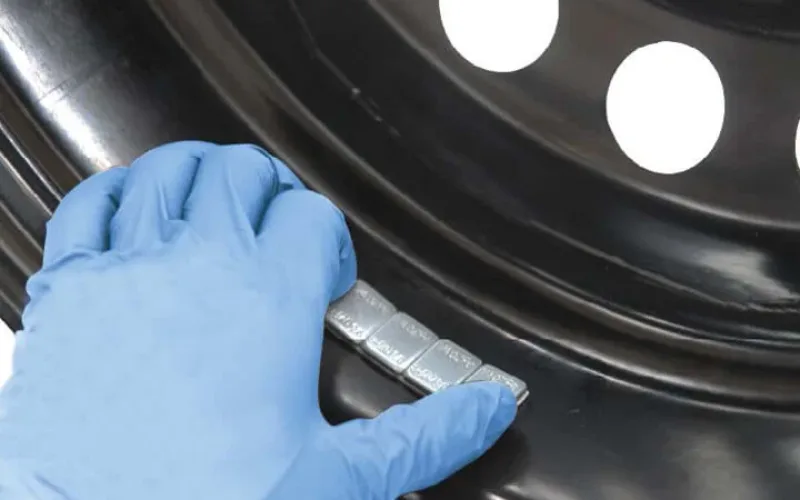
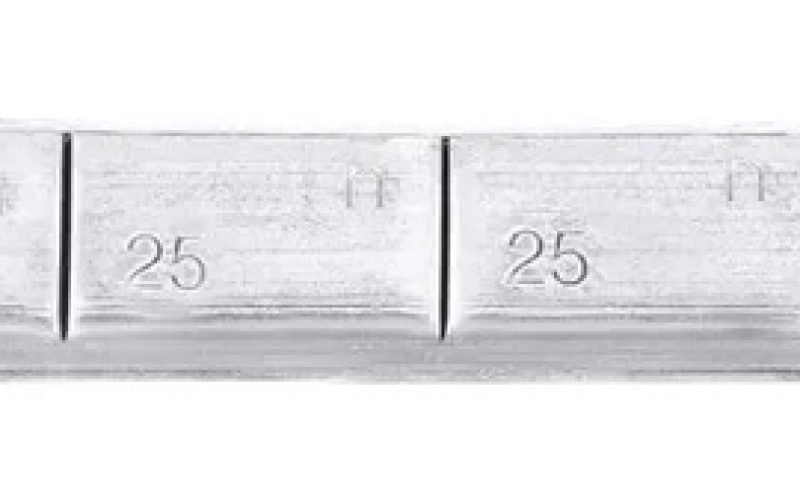
Stick-on wheel weights use a strong adhesive backing to attach directly to the inside of your wheel. After peeling off the protective layer, simply press the weight onto a clean, dry surface. This creates a secure bond that holds the weight in place, even during rough drives or temperature changes. With a low-profile design, stick-on weights remain hidden behind the spokes, giving your rims a sleek, clean appearance.
| Feature | Explanation |
|---|---|
| Adhesive backing | Sticks securely to alloy wheels without damaging them |
| Low-profile design | Reduces air resistance and keeps the weight hidden |
| Precise placement | Ensures exact positioning for optimal balance |
| Material quality | Lead-free, corrosion-resistant materials for durability |
| Environmental performance | Strong adhesive holds up in both cold and hot weather |
When you opt for stick-on wheel weights, you gain several advantages. These weights provide high balancing precision, with accuracy up to ±1 gram, ensuring smooth wheel rotation and reducing vibrations. Stick-on weights support wheels up to 32 inches in diameter and are made from environmentally-friendly materials like lead-free zinc. The adhesive is strong, but it is recommended to allow 24 hours for curing before driving.
| Performance Metric | Description/Specification |
|---|---|
| Balancing Precision | ±1 gram accuracy ensures precise wheel balancing |
| Measuring Time | About 8 seconds per wheel balance cycle |
| Maximum Wheel Diameter | Supports wheels up to 32 inches |
| Maximum Wheel Weight | Supports up to 200 kg |
| Material Composition | Lead-free zinc and composite materials |
| Adhesive Strength | Strong adhesive, 24-hour curing recommended |
| Environmental Compliance | Meets safety standards |
| Compatibility | Works with alloy, custom, and steel wheels |
| Durability | Corrosion-resistant and stain-free |
There are a few drawbacks to stick-on weights. You must ensure the wheel surface is clean and dry before applying the adhesive; otherwise, the bond may fail. Stick-on weights are also single-use; if removed, they cannot be reused. In extreme conditions, such as off-roading, adhesive weights may not stay in place as well as clip-on weights. Regular inspections are essential to check for any loose or missing weights.
Tip: Let the adhesive cure for at least 24 hours before driving for the best results.
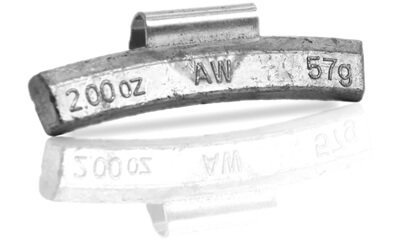
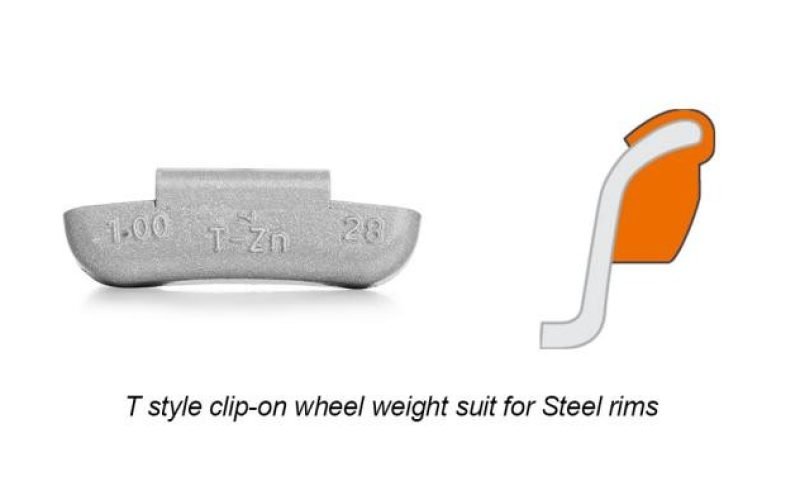
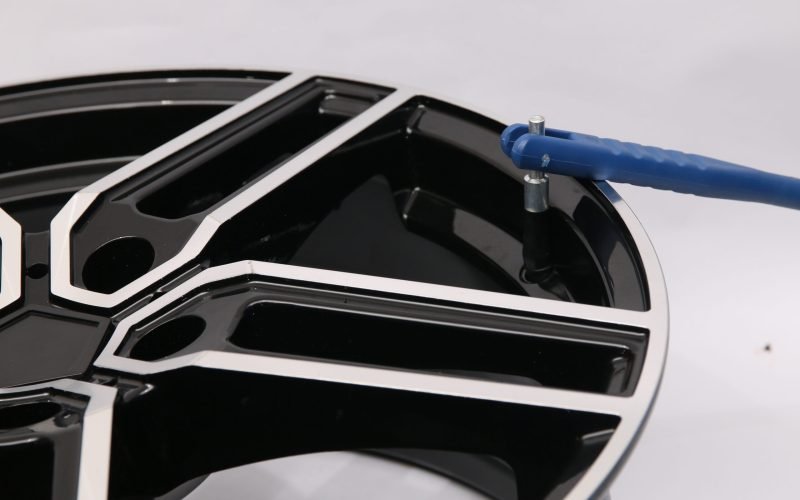
Clip-on wheel weights are attached to the rim lip of your wheel using a special tool with a spring-loaded piston. This tool securely locks the weight in place. The clip-on method is quick and doesn’t require adhesive, making it highly efficient, especially for steel wheels. Clip-on weights offer a secure fit even under harsh driving conditions, maintaining wheel stability and balance.
Clip-on wheel weights provide secure attachment, especially for steel wheels with a pronounced rim lip. They remain intact even under high speeds or on rough roads. Here are some key features:
Both stick-on and clip-on weights serve to improve balance, but stick-on weights offer higher precision, particularly for alloy or custom wheels. Clip-on weights, while less accurate, provide strong performance for steel wheels in demanding environments.
For long-term durability, clip-on weights are the superior option, especially in harsh environments like snow, mud, or salt. Stick-on weights perform well on clean, dry surfaces but require more maintenance in rough conditions.
| Durability Aspect | Stick-On Wheel Weights | Clip-On Wheel Weights |
|---|---|---|
| Performance on smooth, dry roads | Good adhesion and durability | Secure attachment |
| Performance in wet, muddy, salty | Adhesion may fail; requires clean, dry surface | Mechanically attached; remains secure |
| Reusability | Cannot be reused | Can be reused if in good condition |
| Resistance to corrosion | Lower; adhesive degrades in harsh conditions | Higher; rust-resistant |
| Suitability for harsh environments | Less durable; requires more maintenance | More durable; suitable for rough conditions |
Selecting the right balance weight depends on your wheel type and driving conditions. Stick-on weights are perfect for alloy wheels, offering a hidden, sleek look, while clip-on weights are ideal for steel wheels, ensuring durability in harsh environments.
Tip: Always choose the right balance weight for your wheel type to enhance performance and prevent uneven tire wear.
By considering your needs and wheel type, you can select the most suitable fortune option for a smooth and safe ride. Whether you choose stick-on wheel weights or clip-on wheel weights, the key is ensuring proper wheel balance for optimal driving performance.
 Request a quote