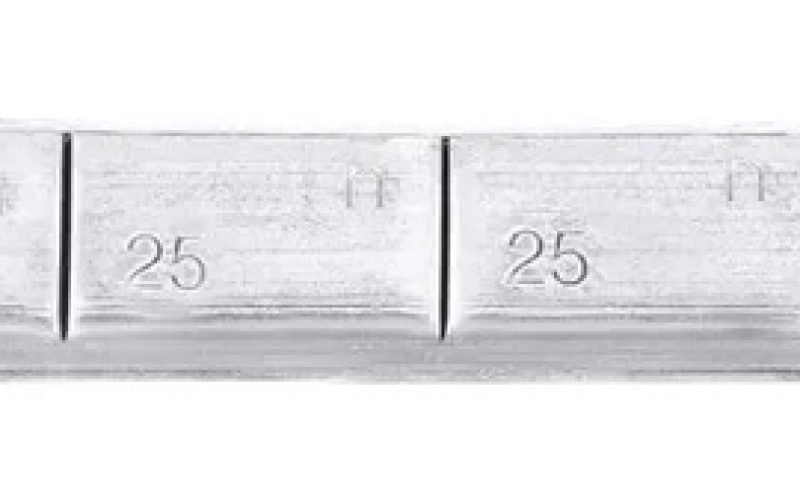
Why Is EPDM Rubber Commonly Used in Automotive Tire Valve Stems?
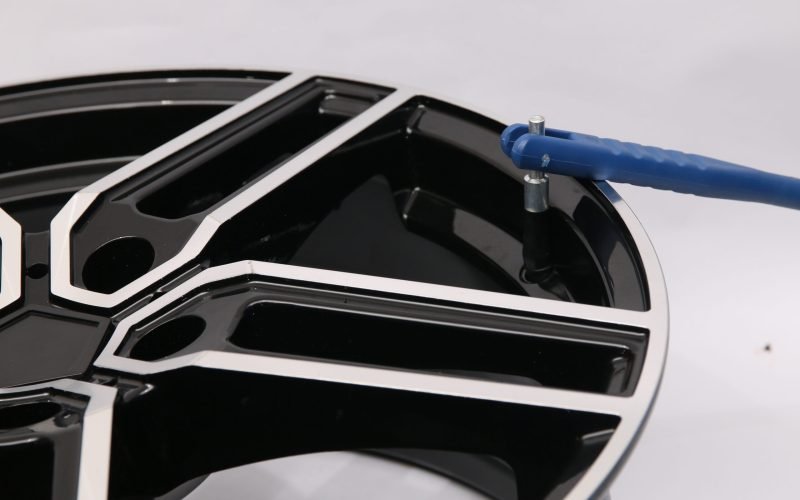 20Jul
20Jul 

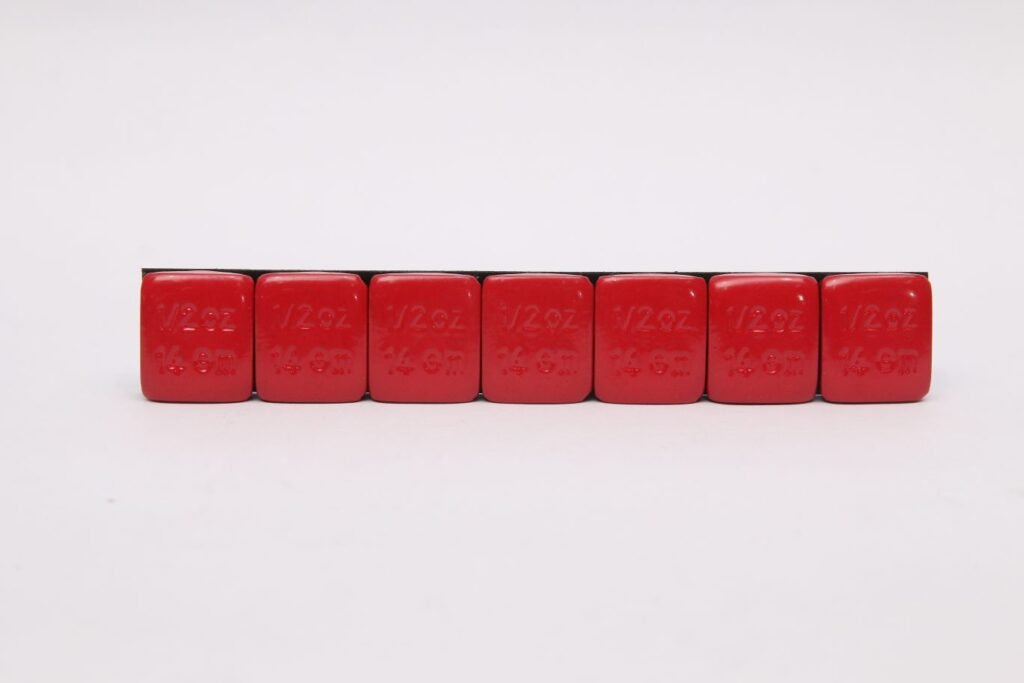
Tire vibration is most often a balance deviation issue rather than a structural tire defect. In practical service conditions, correcting imbalance with stick on wheel weights remains one of the most effective solutions. Compared with traditional clip systems, modern wheel weights—particularly steel adhesive wheel weights—allow more precise correction while protecting alloy rim surfaces. When properly selected and installed, adhesive balancing weights reduce radial force variation, minimize tread irregular wear, and restore rotational stability.
As a manufacturer, fortune supplies high-accuracy steel adhesive wheel weights engineered for controlled gram tolerance, stable bonding strength, and long-term corrosion resistance across varied road environments.
Tire vibration occurs when the tire–wheel assembly rotates with uneven mass distribution. Even a few grams of imbalance can generate measurable centrifugal force at highway speed. This force transmits through the hub, suspension, and steering components, creating noticeable steering wheel shake or chassis oscillation.
Engineering studies show that vibration behavior spans a broad frequency range and that tread bending vibration contributes significantly to high-speed noise generation. Importantly, vibration characteristics change dynamically under load compared to static measurement conditions, which is why dynamic balancing is essential.
The most frequent sources include:
When imbalance is present, side-force variation increases, and drivers experience speed-dependent shaking. Corrective balancing restores even rotational mass distribution and stabilizes tire-road contact.
Dynamic wheel balancing reduces runout and force variation. In controlled service testing:
Balanced assemblies lower vibration transmission, improve steering stability, and extend component fatigue life across hubs and suspension systems.
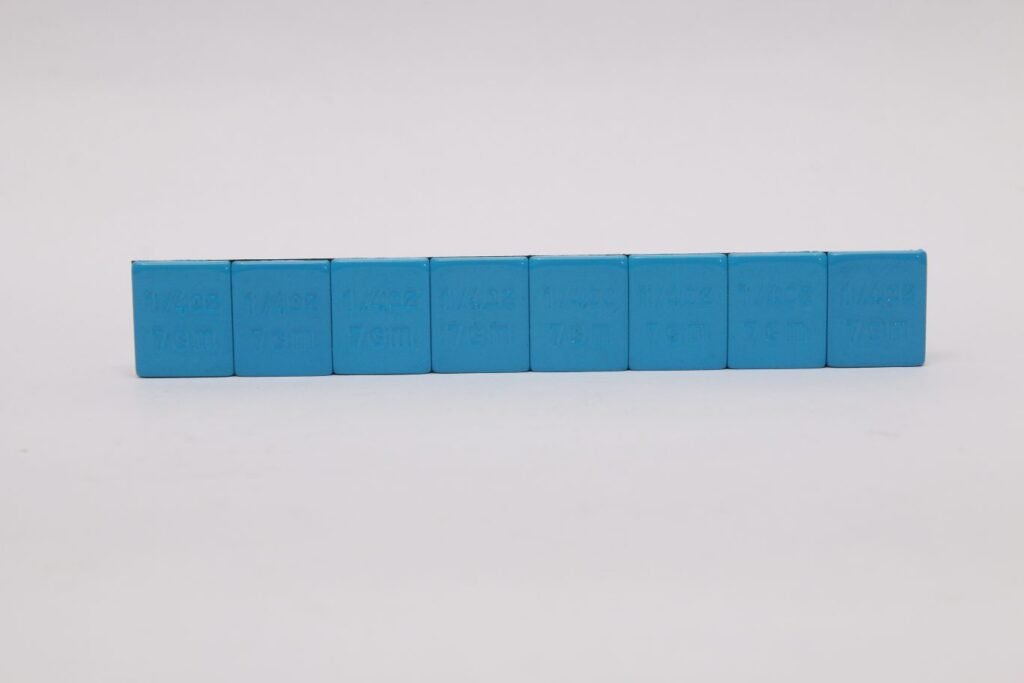
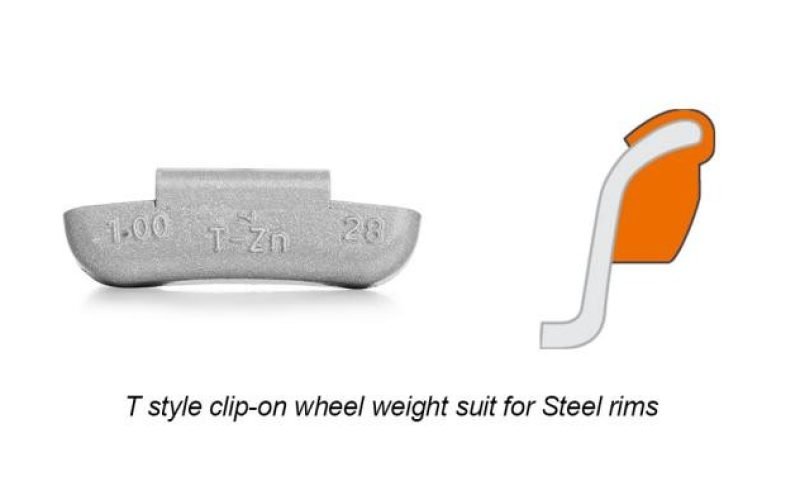
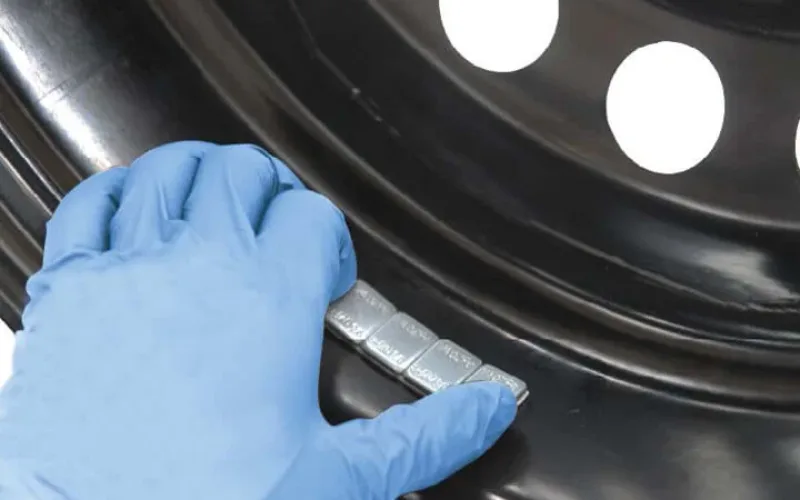
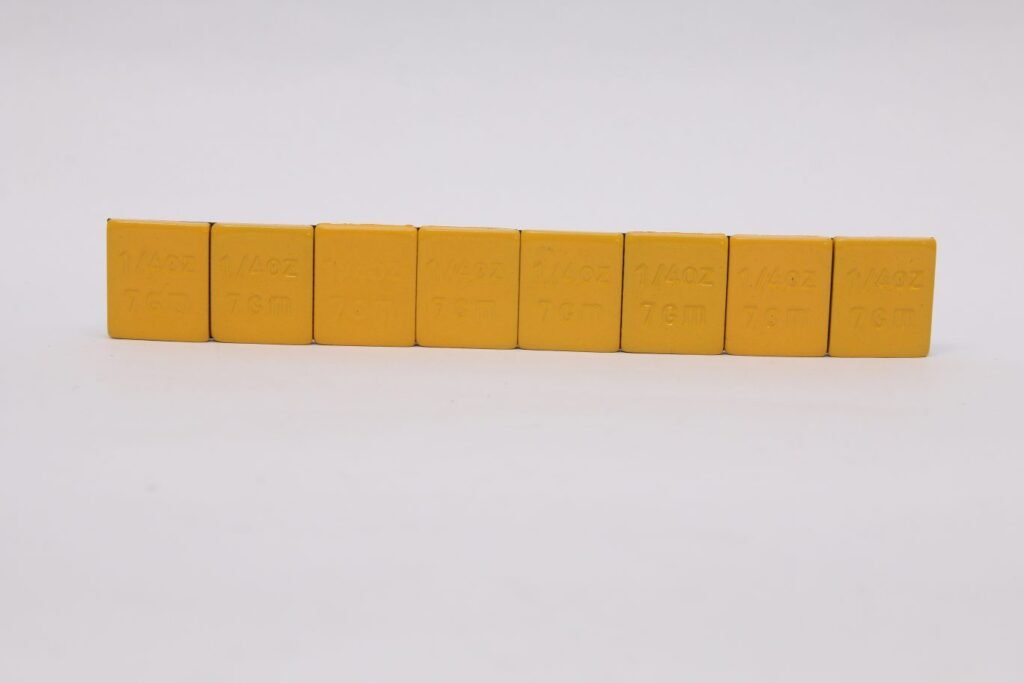
Sticker wheel weights consist of segmented metal blocks—commonly steel or zinc—with industrial-grade pressure-sensitive adhesive backing. They are mounted along the inner barrel of the rim rather than clipped to the flange.
Segmented construction allows fine incremental correction. Technicians can divide strips into smaller units to match exact balancing machine outputs, improving correction accuracy compared with fixed clip increments.
fortune’s steel adhesive wheel weights are produced through precision stamping and automated adhesive lamination. Each batch undergoes peel-strength validation to ensure stable bonding under temperature cycling and centrifugal load.
Balancing machines identify both static and dynamic imbalance. Adhesive weights are then positioned at calculated locations along the inner barrel to counteract heavy spots.
Once installed correctly:
Unlike clip weights, adhesive systems allow placement exactly at the correction plane required, which improves balancing precision—especially on wide alloy rims.
Lead-based weights are increasingly restricted in global markets. Steel adhesive wheel weights provide:
Material stability directly affects long-term balance retention. Proper coating thickness and surface treatment prevent oxidation that could otherwise weaken adhesion over time.
Stick-on wheel weights offer greater placement flexibility. Because they are mounted on the inner barrel, technicians can position them precisely where dynamic imbalance requires correction.
Clip-on weights are limited to flange locations, which may not align with optimal correction planes on modern wide-profile wheels.
Modern alloy wheels often lack sufficient flange geometry for clip retention. Adhesive systems attach directly to smooth barrel surfaces, eliminating flange deformation risk.
For painted or coated rims, adhesive installation prevents coating damage associated with hammer-installed clips.
Flush-mounted adhesive weights sit inside the barrel profile, reducing external protrusion. While the aerodynamic impact is modest, internal mounting avoids airflow disruption and preserves wheel aesthetics.
Retention performance depends on:
Mechanical clips provide strong retention in extreme off-road environments. However, high-quality adhesive systems perform reliably under standard passenger and commercial vehicle conditions when installation protocols are followed.
fortune engineers adhesive backing formulations to maintain shear resistance under braking heat and continuous rotational stress.
Adhesive performance depends heavily on surface condition. Prior to installation:
Contaminants significantly reduce bonding strength.
Precise centering on the balancer shaft is critical. Mis-centering can introduce measurement error and lead to residual imbalance.
Even small angular misplacement affects balance efficiency. Modern balancing machines often include laser positioning guidance to improve alignment accuracy.
On ultra-high-performance assemblies, allow the tire bead to settle fully before final measurement to prevent false readings caused by bead distortion.
Primary causes include:
To correct:
High-quality steel adhesive wheel weights with validated bonding strength significantly reduce detachment risk.
Inspection should occur:
Look for lifting edges, corrosion around segments, or missing pieces. Immediate correction prevents uneven tread wear progression.
Field data shows that correct wheel balancing can deliver:
Extended tire life results not only from weight correction but also from stabilized tread contact and minimized oscillatory force.
Tire vibration originates primarily from mass imbalance and rotational force variation. Corrective balancing using stick on wheel weights remains a precise and structurally compatible solution for modern wheel assemblies.
Compared with traditional flange-mounted systems, steel adhesive wheel weights provide improved placement flexibility, rim protection, and regulatory compliance. When installed on properly prepared surfaces and validated through dynamic balancing equipment, adhesive weights effectively restore rotational stability and reduce long-term wear.
Through controlled manufacturing processes, adhesive validation testing, and corrosion-resistant finishing, fortune supplies balancing solutions designed to maintain retention integrity and gram accuracy throughout the service life of the tire–wheel assembly.
Sticker wheel weights can last for years if you install them on a clean, dry surface. High-quality adhesives resist heat, moisture, and road debris. You should check them during regular tire maintenance to ensure they remain secure.
You can use sticker wheel weights on most alloy, steel, and custom wheels. They work best on smooth, clean surfaces. You avoid scratches and damage because you do not need to hammer or clip them onto the rim.
Sticker wheel weights stay hidden on the inside of the rim. You keep your wheels looking clean and stylish. Many drivers prefer them for custom or alloy wheels because they do not show from the outside.
Clean the area with isopropyl alcohol. Dry the surface completely. Replace the weight with a new one. Always press firmly to ensure a strong bond. Check your wheel balance after replacing the weight to keep your ride smooth.
 Request a quote