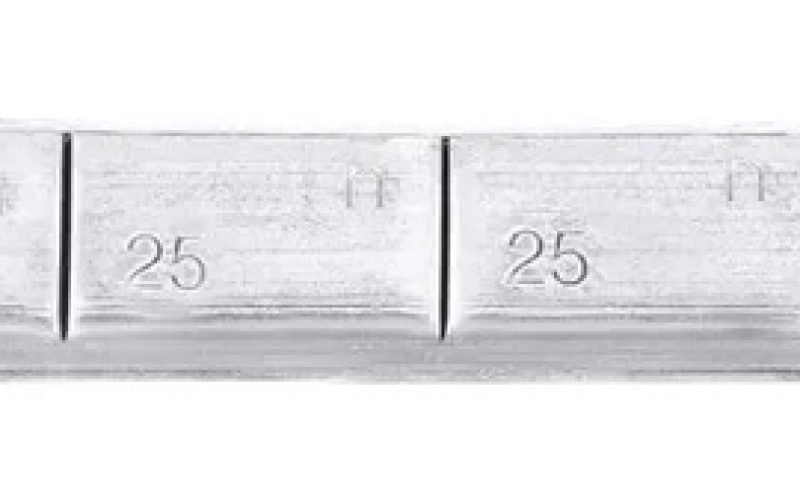
Why Is EPDM Rubber Commonly Used in Automotive Tire Valve Stems?
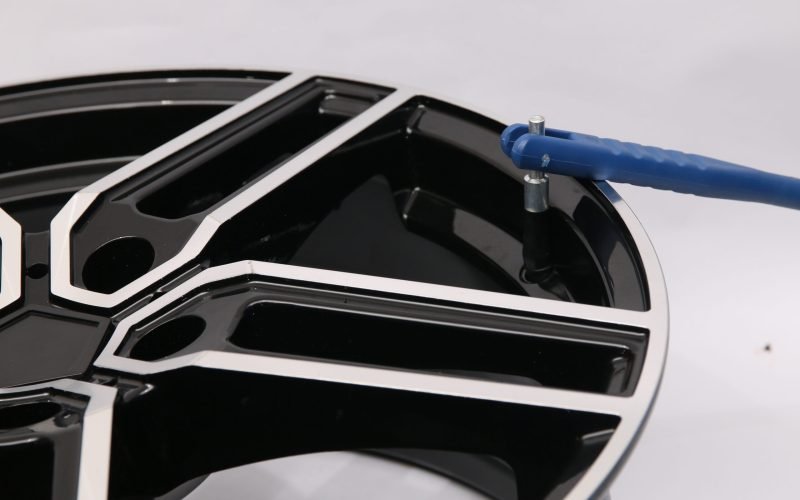 20Jul
20Jul 


Most passenger cars use wheel counterweights that typically weigh between 0.25 and 2.1 ounces. Some commercial vehicles require counterweights of 7 ounces or more. Proper wheel counterweights can improve your vehicle’s performance in several ways:
When choosing wheel counterweights, quality is paramount.
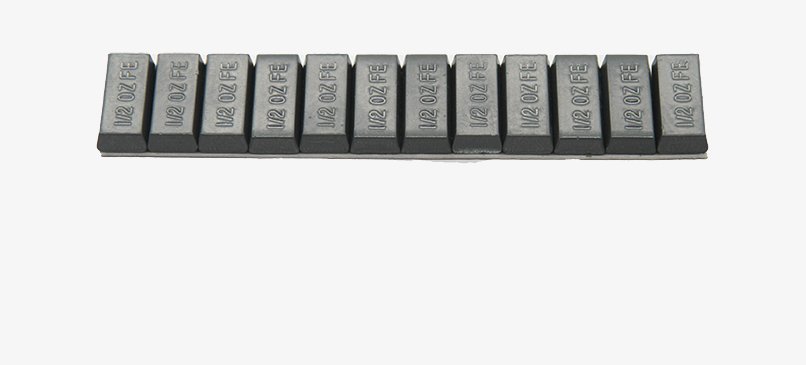
Wheel weights are available in a variety of sizes. Manufacturers offer different weight specifications to suit different vehicles and balance requirements. Most standard vehicles use weights ranging from 5 grams to 60 grams. High-performance vehicles sometimes require smaller, more precise weights, weighing less than 0.25 ounces. You can find common specifications in the table below:
| Weight Increment | Description |
|---|---|
| 5g to 60g | Common weight increments for standard vehicles. |
| Under 0.25 ounces | High-precision counterweights specifically designed for high-performance vehicles. |
You need proper weights to balance your wheels. A tire balancer can help you find the precise weight distribution. This machine measures the wheel’s width, the distance between the rim and the flange, and its diameter. It rotates the wheel and indicates the placement of the weights. After the weights are installed, the balancer rotates the wheel again to check for proper balance.
Tip: Always use a tire balancer to ensure your wheels are balanced. This will ensure a smooth and safe driving experience.
Wheel weights come in various sizes to match different vehicles. Passenger cars typically require weights ranging from 0.25 to 2.1 ounces. Commercial vehicles may require weights of 7 ounces or more. Some high-performance vehicles use lighter weights for precise balance.
You can view the tire weight ranges for different vehicle models:
| Vehicle Type | Tire Weight Range (pounds) |
|---|---|
| Passenger Vehicles | 15 – 25 |
| Commercial Vehicles | 45 – 100+ |
Wheel weight distribution must be matched to the tire and wheel size. Larger tires, such as those used on trucks and buses, require heavier weight distribution. Lighter weight distribution is more suitable for sports cars and high-performance vehicles.
Note: Choosing the right wheel weight distribution can help extend tire life and improve vehicle handling.
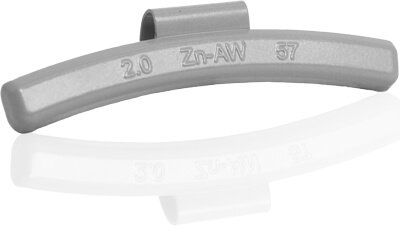
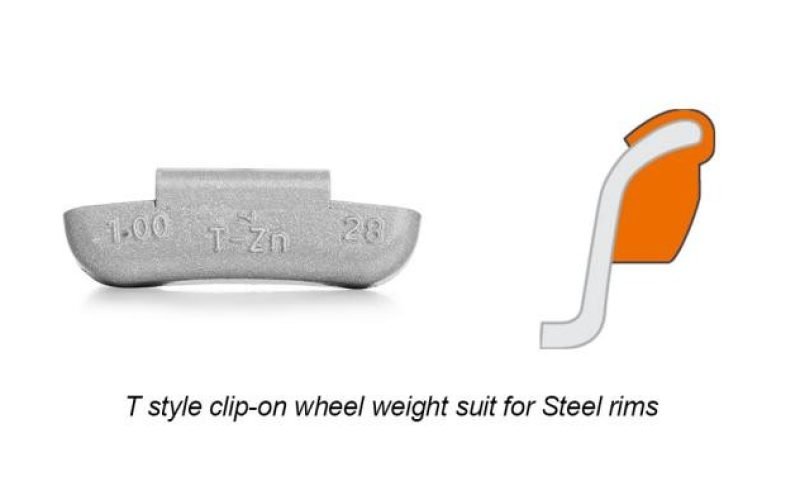
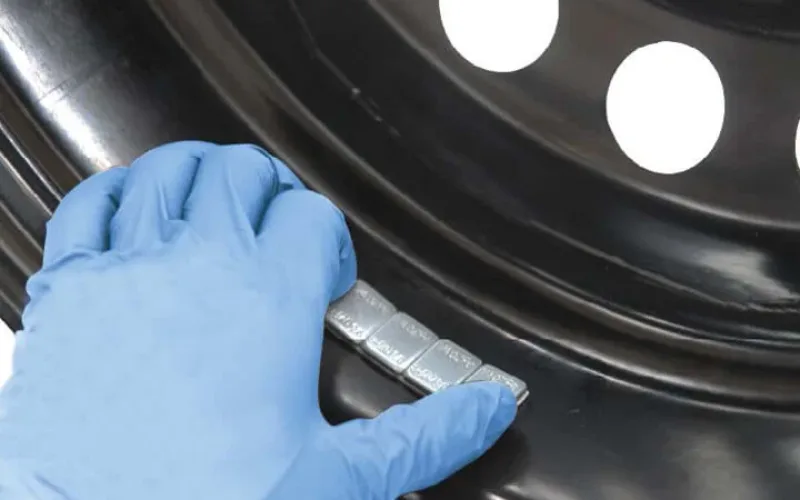
You can choose between clip-on or adhesive wheel weights. Clip-on weights are secured to the rim edge with clips, while adhesive weights are glued directly to the rim. Each type of weight is best suited for specific rims and road surfaces.
| Feature | Clip-On Wheel Weights | Adhesive Wheel Weights |
|---|---|---|
| Application | Suitable for steel wheels and harsh working conditions | Ideal for alloy wheels and smooth roads |
| Durability | Rugged design, excellent off-road performance | It may fall off in damp or muddy places |
| Aesthetic Impact | It might scratch the rims, which wouldn’t look good | The design is simple and protects the rims from scratches |
| Environmental Suitability | It was not designed for environmental protection | Compliant with California Environmental Protection Agency safety regulations |
Tip: Use clamp-on counterweights for steel wheels and adhesive counterweights for alloy wheels. This will help you choose the appropriate counterweights.
Wheel counterweights are available in a variety of materials. Lead counterweights are heavier and provide good balance to the wheel. Non-lead counterweights, such as those made of zinc or steel, are more environmentally friendly and will not rust.
Lead-free weights have a longer lifespan and are less prone to rust. They are recyclable, helping to protect the environment. Fortune sells both leaded and lead-free weights, allowing you to choose the one that best suits your needs.
A special plating process effectively prevents rust. The low-profile trapezoidal design allows the weights to fit a variety of rims. These features not only facilitate installation but also extend their lifespan.
Note: Fortune’s wheel weights are robust, durable, fit a variety of rims, and are made with safe materials. You get a high-performance and long-lasting product.Choosing Wheel Weights
When choosing wheel counterweights, you need to consider the following aspects. Every car or truck is different. Here are some key considerations:
Fortune offers a variety of wheel counterweights to choose from. Their products are tested and meticulously manufactured. You get high-performance and durable wheel counterweights.
| Aspect | Impact on Wheel Weights |
|---|---|
| Quality Production | Good production makes better wheel weights |
| Safety Benchmarks | Safe products you can trust |
| Consistent Performance | Works the same every time |
| Certifications | Has ISO and SAE certifications |
| Quality Control | Keeps product standards high |
| Trust and Partnerships | Makes customers trust the brand |
Tip: Always consult your vehicle’s manual or an expert before selecting wheel counterweights.
You can choose original equipment (OEM) or aftermarket wheel weights. Each weight is different.
You may encounter warranty issues if you use custom wheels that are not approved by the manufacturer. Some companies may refuse to repair wheels that do not meet their specifications.
Note: Fortune wheel weights are suitable for both OEM and aftermarket wheels. They are of excellent quality and compatible with a wide range of wheel options.
You’ll feel a noticeable difference after balancing your wheels. Proper wheel balance results in a smoother driving experience and contributes to driving safety. Using appropriate wheel weights ensures more even tire wear. This makes your car easier to handle and reduces vibrations, especially at high speeds. You’ll also have better control of the vehicle, even in adverse road conditions like rain and snow. Uneven wheels can cause the vehicle to shake or veer to one side. This increases driving difficulty and the risk of accidents. Using incorrect weights can also damage vehicle components and reduce vehicle stability. Over time, unbalanced wheels will cause tires to wear out faster, meaning you’ll need to replace them more frequently. Using appropriate wheel weights saves you money and avoids hassle.
Tip: Always check wheel balance after changing tires. This helps maintain a smooth and safe ride.
Balanced wheels help improve vehicle performance and save fuel. Tires with even wear have better grip and a longer lifespan, reducing the frequency of tire replacements. Uneven wheels cause uneven tire wear, reducing traction, increasing engine load, and ultimately leading to increased fuel consumption. Studies show that balanced tires can improve fuel efficiency by up to 2.2%, allowing you to travel further per gallon and saving on fuel costs. Furthermore, balanced tires reduce the need for premature tire replacements, saving you money in the long run.
Choosing high-quality wheel balancers helps you maximize your vehicle’s performance, enjoy a safer and smoother driving experience, and save money in the long run.
You might be wondering if you can install wheel weights yourself. Many people try to do it at home, but you should know when to ask for help. Wheel balancing requires specialized tools, such as a dynamic wheel balancer. Most people don’t have these tools in their garages. If you’re not a professional mechanic, you might make mistakes that could endanger your safety. Professionals know how to place the weights correctly and check for any other problems. This ensures your vehicle runs safely and smoothly.
Tip: If you don’t have the appropriate equipment or training, always seek professional help. Safety first.
If you have the right tools and experience, you can try installing them yourself. However, most car owners opt for a professional repair shop. Fortune wheel weights make installation easier because they come in various shapes to fit different wheels and are secured with strong adhesive or clips.
You will need the right tools to properly install the wheel counterweights. Here are some useful tools:
Follow these steps for proper installation:
Note: Do not attach too many counterweights to the wheel. This may affect vehicle performance.
Fortune wheel weights feature a powder coating process that effectively prevents rust and extends their lifespan. The lead-free formula is more environmentally friendly. Their unique shape design makes installation easy and protects wheels from scratches. Rigorously tested, they ensure a secure fit even under harsh conditions.
Most car wheel balancers weigh between 0.25 and 2.1 ounces. Proper wheel balancers help you drive safely and keep your tires in good condition. Lead-free balancers, such as those made of zinc or steel, are more environmentally friendly. Fortune sells robust and durable wheel balancers suitable for a wide range of car models. If you’re unsure how to choose, consult an expert. Here are a few things to keep in mind:
You can use a tire balancer to find the appropriate weight distribution. The machine will tell you where the weights should be placed and how much is needed. Please always follow your vehicle’s owner’s manual.
Do not reuse wheel weights. Old weights may not adhere well or be loosely installed. New weights provide better balance and safety.
Lead-based wheel weights work well, but for safety and environmental reasons, you should choose lead-free materials. Zinc and steel weights are sturdy, durable, and safer.
Check wheel balance every time you change a tire or notice vibrations in your vehicle. Regular checks help extend tire life and maintain a smooth ride.
 Request a quote