Why Is EPDM Rubber Commonly Used in Automotive Tire Valve Stems?
 20Jul
20Jul 

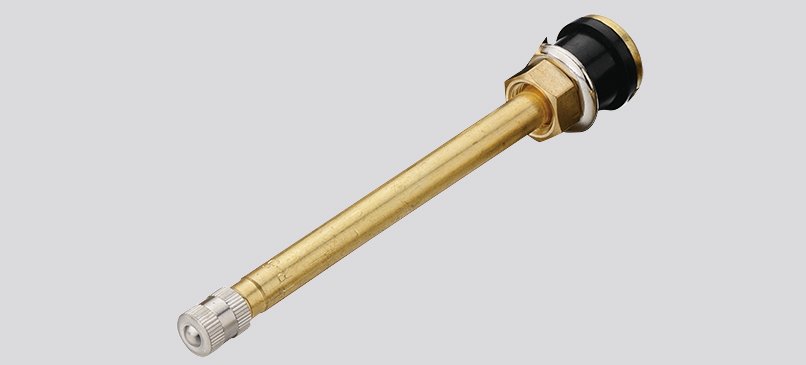
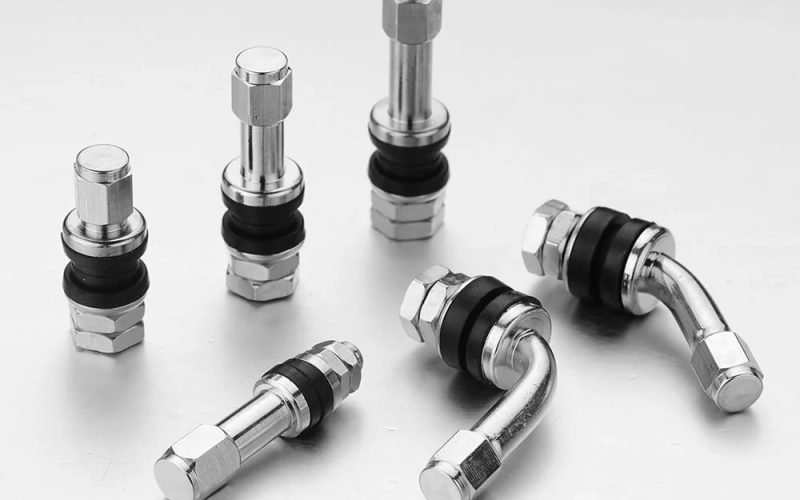
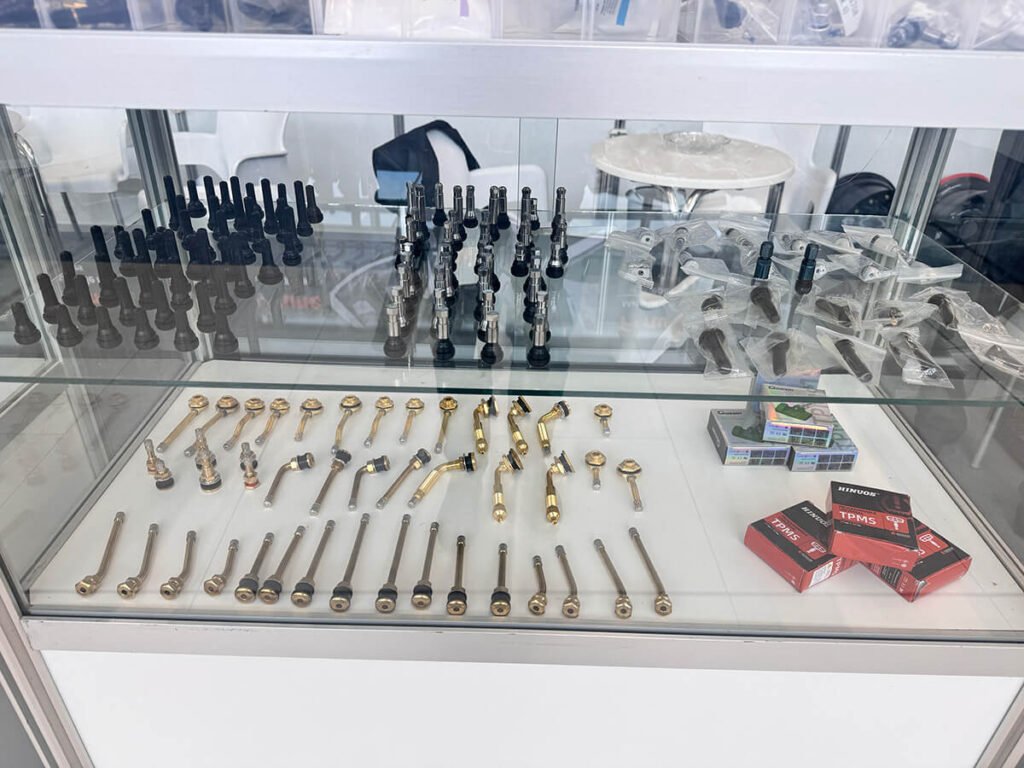
When preparing your off-road vehicle, your tire valves play a crucial role in performance and safety. Whether you rely on standard tire valves, robust metal tire valves, or advanced fortune TPMS valves, having the right air down tools ensures your tires deliver optimal grip on sand, rocks, or mud. Reducing tire pressure not only increases traction but also helps your tires conform to obstacles, giving you a smoother, more controlled ride.
Benefits of proper air down tools include:
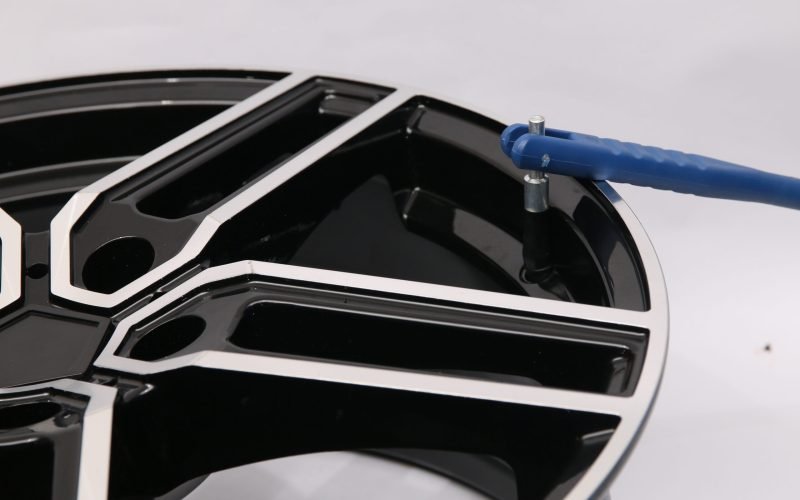
Connecting your air down tool to a reliable tire valve—metal or TPMS-compatible—allows precise pressure adjustments. Lowering tire pressure increases your tire’s footprint, enhancing traction on challenging surfaces. Softer tires wrap around obstacles better, reducing slippage and improving control. By combining quality air down tools with durable metal tire valves, you ensure your tires respond accurately, whether climbing steep inclines or navigating uneven terrain.
Tip: Always use a deflator compatible with your tire valve type to achieve accurate pressure before hitting the trail.
Lowering tire pressure with a proper deflator connected to a metal tire valve reduces impact from rocks and ruts. This allows your suspension to perform more effectively and reduces driver fatigue. Softer tires help your vehicle glide over uneven surfaces, offering a safer and more enjoyable off-road experience.
Key comfort advantages:
Air down tools help prevent tire damage by allowing tires to flex around obstacles rather than puncturing. Using quality tools reduces stress on both your tires and valve stems—especially important for TPMS valves, which can be sensitive to improper handling. Proper deflation minimizes wheel spin and prevents unnecessary tire wear, giving you longer-lasting tires and reliable valve performance.
Note: Check pressures with a gauge after deflating to avoid over- or under-inflation, which can damage tire valves or compromise traction.
Automatic deflators allow precise tire pressure adjustments with minimal effort. Attach the tool to your metal tire valves or TPMS valves, preset your target pressure, and the tool does the work—saving time and ensuring consistency across all tires.
Popular automatic deflators:
Comparison at a glance:
| Deflator Brand | Speed | Accuracy | Ease of Use | Notes |
|---|---|---|---|---|
| Staun | <4 min | 5/5 | Very easy | Factory presets, premium build |
| Real 4X4 | <5 min | 4.9/5 | Easy | Gauge included, budget-friendly |
| Coyote | Slightly slower | 4.9/5 | User-friendly | Wide adjustment, good value |
Manual deflators attach directly to your tire valve and allow you to monitor pressure as you release air. They are simple, portable, and cost-effective. These tools are especially useful for TPMS-equipped tires, where careful control prevents sensor errors.
Popular manual options:
Tip: Always verify tire pressures with a gauge after manual deflation to ensure even PSI across all tires.
Digital tools combine deflation and measurement for precise readings. Many include a built-in gauge compatible with metal tire valves and TPMS valves, ensuring accurate pressure without guesswork.
Top digital options:
Tips for digital use:
Rapid air down kits speed up the process, releasing air quickly through the tire valve for immediate readiness on sand or rocky terrain. Multi-tire systems let you deflate all tires simultaneously, ensuring balanced pressures. These are favored by professional off-road teams and clubs for efficiency and accuracy.
Benefits:
Recommended systems:
| System Name | Number of Hoses | Accuracy | Display Type | User Rating |
|---|---|---|---|---|
| Indeflate | 2 or 4 | High | Analog/Digital | ★★★★★ |
| ARB510 E-Z Deflator | 1 | +/-1 psi | Digital | ★★★★★ |
High-quality deflators provide predictable pressure every time, crucial for protecting tires and valves. Many tools are factory-calibrated for ±2 PSI precision. Automatic shut-off features prevent over-deflation.
Quick deflation saves time while preparing for the trail. Rapid kits like JACO RapidFlow can drop 15 PSI in under 20 seconds, allowing you to spend more time off-roading.
Look for tools made with high-grade metals like steel or aluminum for long-lasting performance. Chrome or powder coatings prevent corrosion, keeping your tools and tire valves protected.
User-friendly designs with clear gauges, ergonomic handles, and reliable bleeder valves make air down tasks straightforward. Properly designed tools save time and prevent valve damage.
Ensure your tool works with your tire type and valve style—whether standard, metal, or TPMS valves. Adjustable fittings and universal connections increase flexibility for various tires and vehicles.
Match your air down tool to your vehicle, tire size, and valve type. Consider terrain-specific pressure needs, from sand to rocky trails. Always verify tire pressure before and after each adventure for safety and optimal performance.
Tip: Using high-quality air down tools with compatible metal tire valves or TPMS valves ensures the best off-road performance, comfort, and tire longevity.
 Request a quote