Why Is EPDM Rubber Commonly Used in Automotive Tire Valve Stems?
 20Jul
20Jul 

Wheel weights – including steel wheel weights and zinc wheel weights, etc. – play a crucial role in ensuring your vehicle’s performance and safety. These small components are essential for achieving proper balance, which minimizes vibrations and improves overall stability. Balanced wheels not only enhance the comfort of your ride but also reduce wear on tires and suspension components. Unbalanced wheels, on the other hand, can cause vibrations that put additional stress on mechanical parts, leading to premature wear and higher maintenance costs. Studies show that balanced wheels distribute weight evenly, improving handling and reducing the risk of uneven tire wear. With over 25 years of expertise, Fortune Auto Parts specializes in manufacturing high-quality wheel balancing solutions that meet global standards.
Wheel weights are small components attached to the vehicle’s wheels to ensure proper balance. They help distribute the wheel’s weight evenly, preventing uneven rotation. This balance is crucial for maintaining a smooth and stable ride. Wheel weights come in various forms, such as clip-on and stick-on weights, each designed for specific wheel types.
The composition of wheel weights has evolved. Traditional lead wheel weights were once common, but many manufacturers now use lead-free alternatives like zinc or steel due to environmental concerns. Here’s a breakdown of the composition details of different types of wheel weights:
| Composition Type | Details |
|---|---|
| Lead Wheel Weights | Contains lead and other constituents like zinc and mercury. |
| Lead-Free Alternatives | Increasing use of lead-free weights in both original equipment and aftermarket applications. |
By understanding the composition and types of wheel weights, you can make informed decisions about which is best for your vehicle.
Wheel weights play a vital role in vehicle performance. When wheels are unbalanced, they can cause vibrations that negatively affect your driving experience. These vibrations may lead to uneven tire wear, reduced fuel efficiency, and damage to suspension components. Proper wheel balancing, achieved with the use of wheel weights, ensures that your tires maintain consistent contact with the road.
A study highlights that wheel weights and balancing devices improve vehicle performance by reducing bounce, enhancing tire-road contact, and saving energy. Vehicles equipped with balancers can stop in up to fifteen feet less distance at fifty-five miles per hour.
This improved contact with the road not only boosts performance but also enhances safety. Whether you use clip-on weights or adhesive weights, maintaining balance is crucial for achieving optimal vehicle performance.
Wheel weights significantly contribute to safety and comfort. By reducing vibrations, they make your ride more comfortable. Balanced wheels also improve stability, especially at higher speeds, providing better control, even during sudden maneuvers.
Moreover, balanced wheels protect your tires from uneven wear, extending their lifespan. This not only saves you money but also reduces the risk of tire-related accidents. Stick-on wheel weights, often used for alloy wheels, ensure precise balancing and improved accuracy during installation.
By using the right wheel weights and maintaining proper balance, you can enjoy a smoother, safer, and more comfortable driving experience.

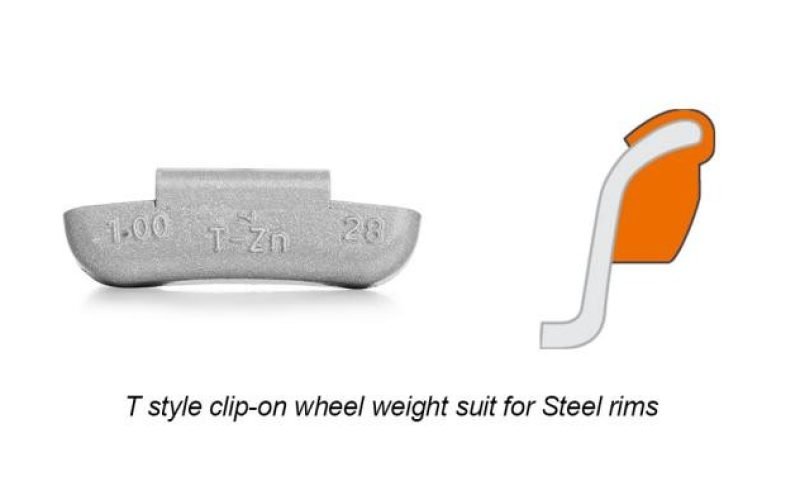
Clip-on wheel weights are a popular choice for balancing wheels that have a pronounced rim lip. These weights attach securely by clipping onto the edge of the wheel, ensuring they stay in place even during high-speed driving. Their design makes them highly durable, especially for vehicles frequently exposed to rough roads or harsh conditions.
One of the key advantages of clip-on wheel weights is their ease of installation. Technicians can quickly attach them without the need for adhesives or additional tools. However, they are best suited for steel wheels or rims with a defined flange, as their clip mechanism relies on this structure for a secure fit.
| Type | Description |
|---|---|
| Clip-On Type | A type of wheel weight that clips onto the rim. |
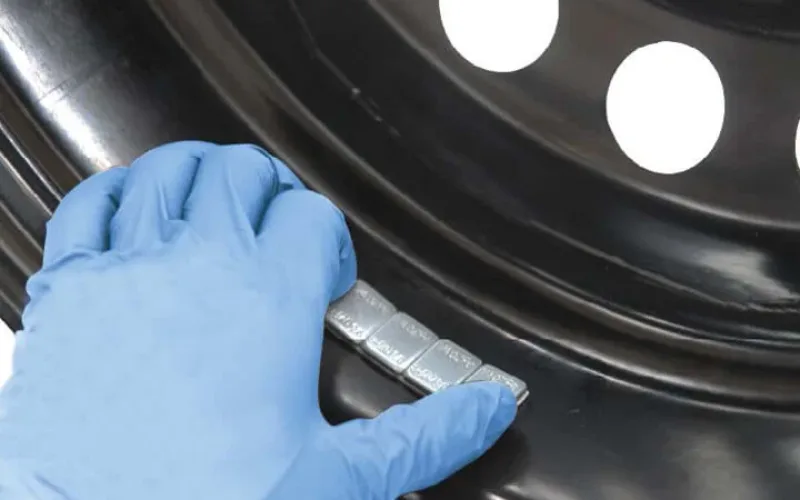
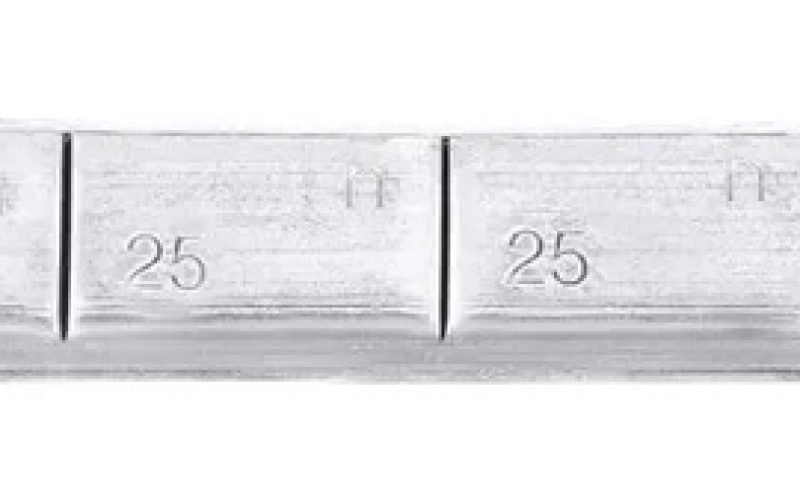
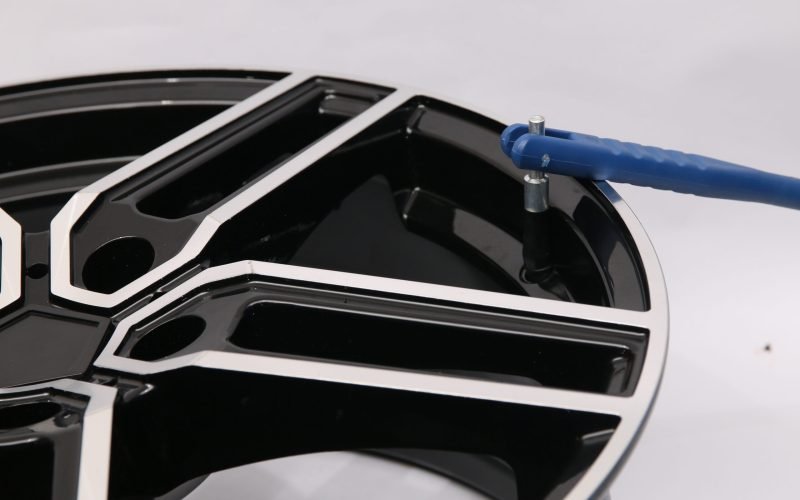
Adhesive wheel weights, also known as stick-on weights, are designed for modern alloy wheels or rims without a pronounced lip. These weights use a strong adhesive backing to attach directly to the inner surface of the wheel. This design makes them ideal for vehicles with stylized or custom wheels, providing a cleaner, more discreet appearance.
Stick-on weights offer excellent precision in balancing because they can be placed exactly where needed. They are also less likely to damage the wheel’s finish, making them a preferred choice for high-end or aesthetic-conscious vehicle owners. However, proper surface preparation is essential to ensure the adhesive sticks securely.
| Type | Description |
|---|---|
| Adhesive Type | A type of wheel weight that adheres to the rim using adhesive. |
Choosing the right wheel weight depends on various factors. Clip-on weights work well for traditional steel wheels with a flange, offering durability and reliability in challenging driving conditions. In contrast, adhesive weights are better suited for alloy wheels or rims without a lip, providing a sleek and unobtrusive look.
By understanding the differences between these two types of wheel weights, you can select the best option for your vehicle’s needs. Whether you prioritize durability, aesthetics, or compatibility, choosing the right balance weight wheel ensures optimal performance and safety.
Steel wheel weights are a popular choice due to their durability and cost-effectiveness. These weights are made from high-strength steel, which ensures they can withstand the stresses of daily driving. Steel is also less dense than lead, making these weights slightly larger but still effective in maintaining balance. Their robust nature makes them ideal for vehicles exposed to rough terrains or heavy loads.
Studies highlight the performance of steel in wheel weights. For example, research by Topac et al. and Myneni et al. emphasizes the importance of steel’s fatigue resistance and its ability to handle dynamic stresses. Steel wheel weights are also environmentally friendly, as they are recyclable and free from toxic materials.
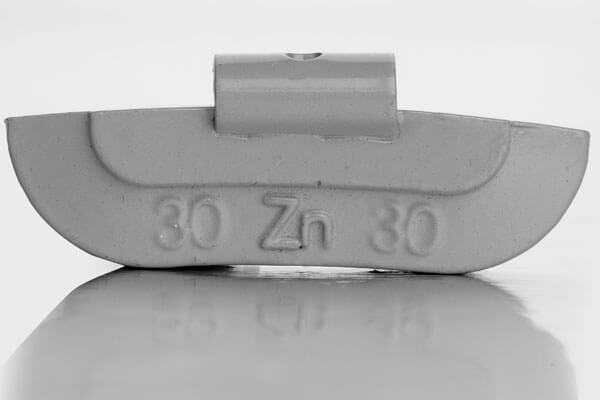
Zinc wheel weights offer a balance between performance and environmental sustainability. Zinc is denser than steel but less dense than lead, providing a middle ground in size and weight. This makes zinc weights versatile and suitable for various vehicle types. Their corrosion resistance ensures they remain effective even in harsh weather conditions.
Zinc weights are easy to handle during manufacturing and installation. They are available in both clip-on and adhesive forms, making them adaptable to different wheel designs. With increasing regulations against lead, zinc has become a preferred material for manufacturers. Its sustainable properties and performance make it a practical choice for modern vehicles.
Tip: If you’re looking for an eco-friendly option that doesn’t compromise on performance, zinc wheel weights are an excellent choice.
Lead wheel weights were once the standard in the automotive industry due to their high density and small size. Their compact nature allowed for precise balancing with minimal material. However, lead’s toxicity has led to its decline in use, as many countries now regulate or ban its application in automotive products.
Despite these restrictions, lead weights are still used in some regions where regulations permit. They remain effective for achieving balance, especially in heavy-duty vehicles. However, if you prioritize environmental safety, consider alternatives like zinc or steel.
| Material | Optimal Wall Thickness | Maximum Stress | Safety Factor | Lifespan (Cycles) | Weight Reduction Percentage |
|---|---|---|---|---|---|
| Q355 | 10 mm | Below Yield Strength | High | Exceeds 1 million | 5.21% |
| 540CL | 7 mm | Below Yield Strength | Highest | Exceeds 1 million | 24.78% |
Understanding the properties of lead, zinc, and steel helps you choose the right material for your wheel weight. Each material offers unique benefits, so consider your vehicle’s needs and environmental impact when making a decision.
As environmental concerns grow, the automotive industry has shifted toward eco-friendly wheel weights. These alternatives reduce environmental impact while maintaining performance. Traditional lead weights, once common, are being replaced by materials like steel, zinc, and innovative composites.
Steel and zinc are popular choices for their durability and recyclability. Steel wheel weights offer excellent strength and resistance to wear. Zinc, being lighter than steel, provides a balance between performance and sustainability. Both materials are free from toxic substances, making them safer for the environment.
Manufacturers have also introduced advanced solutions to meet modern demands. For example, IMI’s XactBalance uses a thermoplastic cartridge filled with free-moving steel particles. This design adjusts to vibrations dynamically, ensuring precise balance. Similarly, 3M offers adhesive weights made from flexible materials that conform to wheel shapes, reducing the need for multiple product variations.
Corrosion resistance is another critical factor in eco-friendly options. Plombco’s steel weights feature OE-approved coatings, while Hennessy’s Bada weights boast three times the corrosion resistance of traditional products. These advancements ensure long-lasting performance, even in harsh conditions.
Recycling programs further enhance sustainability. Companies like Wurth provide full-service transition programs, helping users switch from lead weights to greener alternatives. These programs also include recycling services, ensuring proper disposal of old materials.
By choosing environmentally friendly wheel weights, you contribute to a cleaner planet without compromising your vehicle’s performance. Whether you opt for steel, zinc, or innovative designs, these options ensure your wheel weights meet both functional and ecological standards.
When selecting the right wheel weights, your vehicle type plays a crucial role. Different vehicles have unique requirements based on their design, load capacity, and intended use. For instance, passenger cars prioritize comfort and fuel efficiency, while heavy-duty trucks demand durability and load-bearing capabilities.
| Aspect | Description |
|---|---|
| Load Distribution | Proper load distribution ensures balanced vehicle dynamics and performance. |
| Measurement Accuracy | Accurate weighing scales improve balance and reduce vibrations. |
| Experimental Measurements | Data from tests helps understand how wheel weights affect performance. |
| Factors Considered | Includes tire deformation, suspension effects, and center of gravity. |
For heavy vehicles, clip-on wheel weights may provide better durability under high stress. On the other hand, adhesive weights are ideal for lightweight vehicles with alloy wheels, offering a cleaner look and precise balancing. Always match the wheel weights to your vehicle’s specific needs to ensure optimal performance and stability.
Wheel size and design significantly influence your vehicle’s balance and overall performance. Larger wheels, for example, enhance stability at high speeds but may increase drag, reducing fuel efficiency. Smaller wheels, while more aerodynamic, might compromise stability during sharp turns or sudden stops.
When selecting wheel weights, consider how the size and design of your wheels interact with these factors. For instance, adhesive weights work well with modern alloy wheels, which often feature sleek designs and minimal lip structures. Clip-on weights, however, are better suited for traditional steel wheels with pronounced rims.
The material of your wheel weights directly impacts their performance, durability, and environmental impact. Steel, zinc, and lead are the most common materials used in automotive wheel weights, each offering unique advantages.
| Aspect | Steel Wheel Rims | Alloy Wheel Rims |
|---|---|---|
| Durability | High durability, cost-effective | Lighter, improved fuel efficiency |
| Performance | Standard performance | Superior performance in heat dissipation |
| Design Considerations | Traditional design | Enhanced styling options |
| Structural Analysis | Static and dynamic stress analysis | Improved structural integrity |
| Fatigue Life | Standard fatigue life | Greater fatigue life under cyclic loading |
Steel wheel weights are durable and cost-effective, making them a popular choice for vehicles exposed to rough terrains. Zinc weights, on the other hand, offer a balance between performance and environmental sustainability. They resist corrosion and are suitable for various wheel designs. Lead weights, though effective, are less common due to environmental concerns.
Proper installation of wheel weights is essential for achieving accurate balance and ensuring optimal vehicle performance. When you install wheel weights correctly, your vehicle experiences reduced vibrations, improved handling, and extended tire life. Here are the key steps to ensure accurate installation and balance accuracy.
Steps for Accurate Installation:
Regular maintenance of your wheel weights is crucial for long-term reliability and safety. Periodic inspections help identify issues before they escalate into costly repairs. Regular checks ensure that your wheels remain balanced and safe to drive on.
Avoiding common mistakes during installation ensures proper wheel balancing and prevents unnecessary wear and tear. Here are some errors to watch out for:
By following best practices, you can ensure optimal vehicle performance and safety.
Wheel weights are essential for maintaining your vehicle’s performance and safety. Selecting the right type of wheel weight ensures a smoother ride, reduces tire wear, and enhances stability. By prioritizing proper installation and regular maintenance, you can extend the lifespan of your tires and improve driving comfort. Fortune Auto Parts is dedicated to providing high-quality wheel weights that meet global standards, ensuring that your vehicle operates at its best.
 Request a quote