Why Is EPDM Rubber Commonly Used in Automotive Tire Valve Stems?
 20Jul
20Jul 

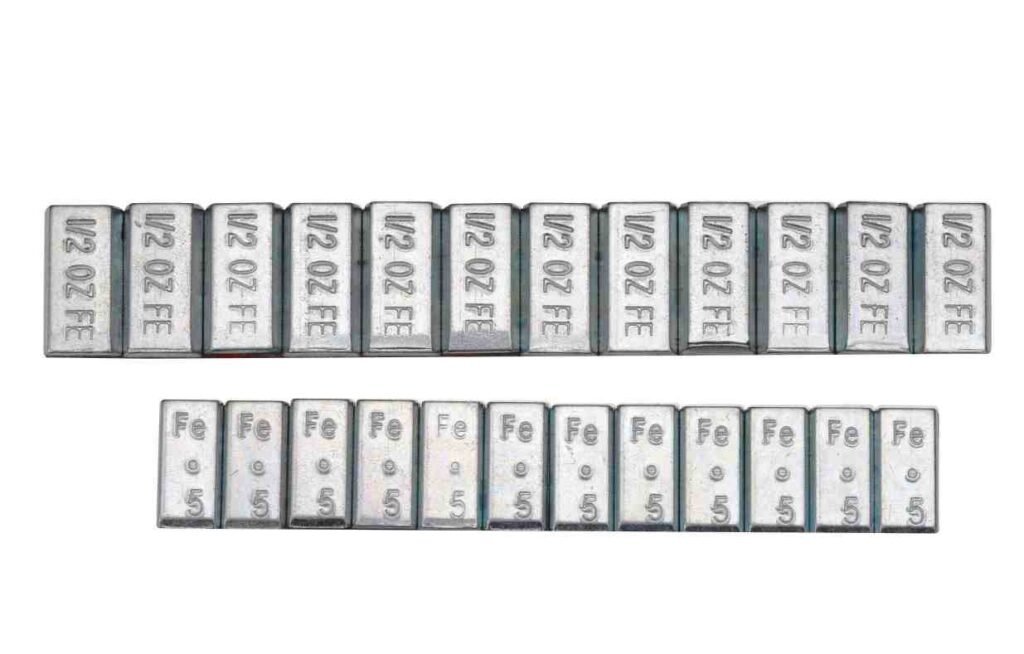
You might ask, are balance beads and counterweights equally effective? Both help keep the tires stable, but they work on different principles. Please see the table below for key differences:
| Category | Wheel Weights | Balancing Beads |
|---|---|---|
| Effectiveness | Need to be replaced frequently | No maintenance required |
| Cost | Costs will increase over time | Lower cost, no need to replace |
| Installation | Installation is difficult; the wheels must be removed first | Easy to install, no disassembly required |
| Durability | May be damaged or worn | Durable and wear-resistant |
| Environmental Impact | It will harm nature | Environmentally friendly and recyclable |
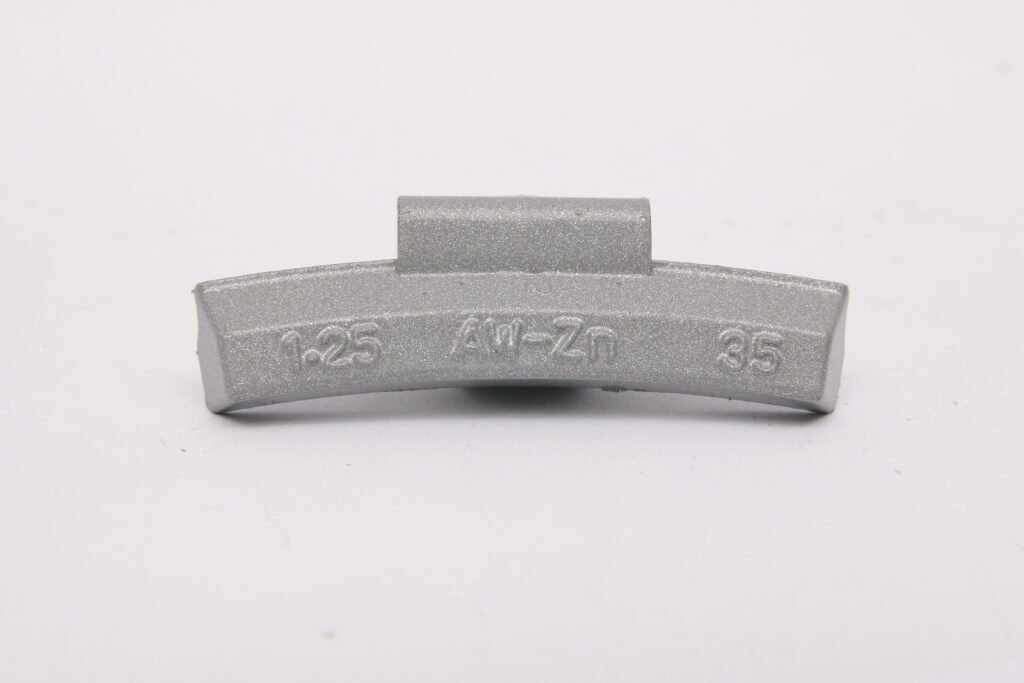
You can use wheel weights to balance the weight distribution of your tires. Uneven tires can cause vibration or premature wear. Wheel weights work by adding a small amount of weight to the rim. A machine detects areas of uneven weight distribution on the rim. You or a mechanic then place the weights in the correct positions, allowing the tires to rotate smoothly. This process eliminates vibration and helps extend tire life. Wheel weights are suitable for many types of vehicles, from cars to trucks. Furthermore, balanced tires roll more smoothly, thus helping to save fuel.
Balance beads are produced using a different method. Tiny beads are poured into the tire. As the wheel rotates, the beads move and spread out. They land on areas where weight needs to be added. This helps balance the tire while driving. The size, weight, and material of the beads all affect their balancing effect. The table below lists the factors that affect the performance of balance beads:
| Factor | Description |
|---|---|
| Bead Weight | The mass of each tire bead helps balance the tire. |
| Material Density | The type of material affects the performance of the beads. |
| Vehicle Type | Different vehicles require different quantities and types of beads. |
| Operating Conditions | Load and speed will change the performance of the beads. |
| Aggregate Mass | More beads can balance larger or heavier tires. |
You might be wondering how effective these two methods are in practice. Many drivers report that wheel weights provide a stable and reliable balance. You can clearly see the weights and confirm the tires are balanced before driving. Some users prefer using balance beads because they don’t leave marks on the rim. They also report that balance beads make the ride smoother and help extend tire life.
However, some users find that the number of balance beads needed depends on the tire size. This means that balance beads may not be suitable for all vehicles.
You may face some challenges with both methods. With wheel weights, you need to check them from time to time. They can fall off or get damaged. Some people prefer them because you can see if they are still in place. With balancing beads, you do not need to check them often, but they can act differently if there is moisture inside the tire. Some shops stop using beads because they do not always work the same way, especially at high speeds or in wet conditions. Professional racers often choose wheel weights for this reason.
Tip: If you want a method that can be checked visually, wheel balancing might give you more peace of mind.
Wheel weights and balance beads both help balance the tires. Your choice may depend on your vehicle, driving style, and your tire needs.
Wheel weights require payment for both purchase and installation. Some types of weights, such as Fortune’s adhesive weights, are more expensive because they require specific wheel rims. You may need to pay a professional technician for installation. Balance beads have a lower initial cost and can be easily installed into the tires yourself without special tools. In the long run, balance beads can save you money because they don’t require frequent replacements.
You need to check wheel weights frequently. They can fall off or rust. Every time you change tires, you may need to rebalance the tires, which increases your costs. Balance beads, on the other hand, are located inside the tire, require no inspection, and have the same lifespan as the tire. You save money by not needing to buy new balance beads or pay extra labor costs.
Balance beads not only provide smooth performance but also save costs in the long run. Because they require almost no maintenance and don’t need to be replaced as frequently as wheel weights, you can enjoy lower maintenance costs in the long term.
Wheel weights are suitable for most cars and trucks. You get a stable balance and can see the weights on the wheels. For some vehicles, such as motorcycles or heavy trucks, balance beads may be more suitable. Balance beads provide a smoother ride and help extend tire life. Truck fleets can save costs and improve fuel efficiency by using balance beads.
While wheel weights remain the gold standard for everyday tire balancing, they can detach or corrode. Balance beads perform well on heavy trucks and motorhomes. For most drivers, weights are sufficient, but balance beads are more suitable in specific situations.
You should consider your vehicle type and how much you’re willing to invest in the long term. Both methods can balance tires, but if you drive a heavy vehicle or want to reduce maintenance costs, using balance beads may be more economical.
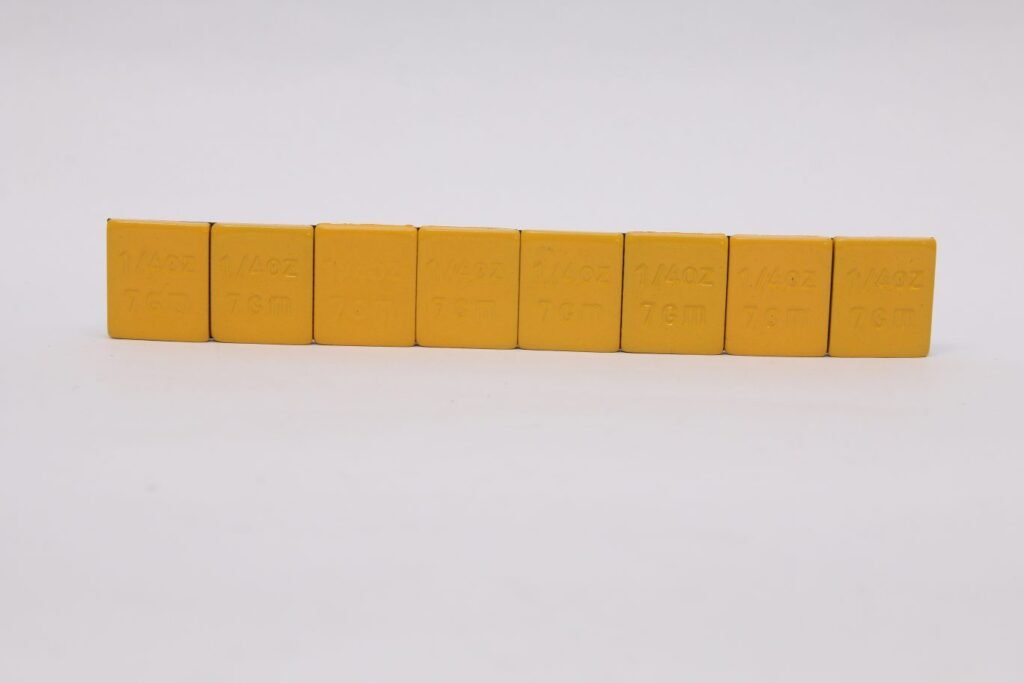
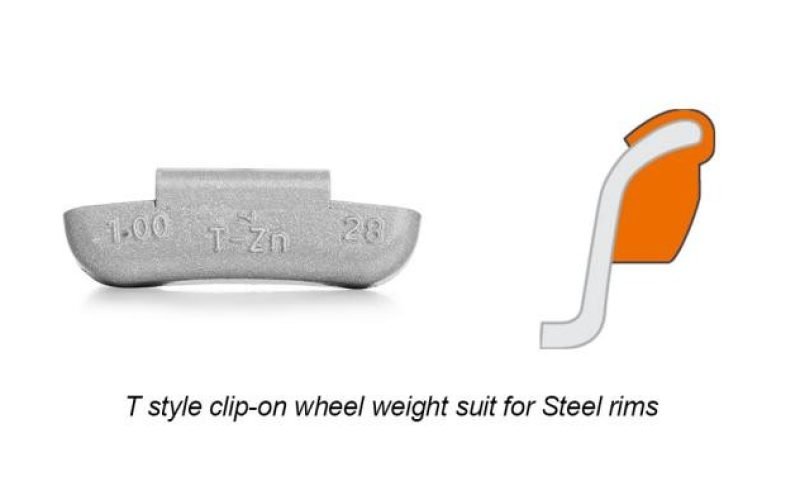
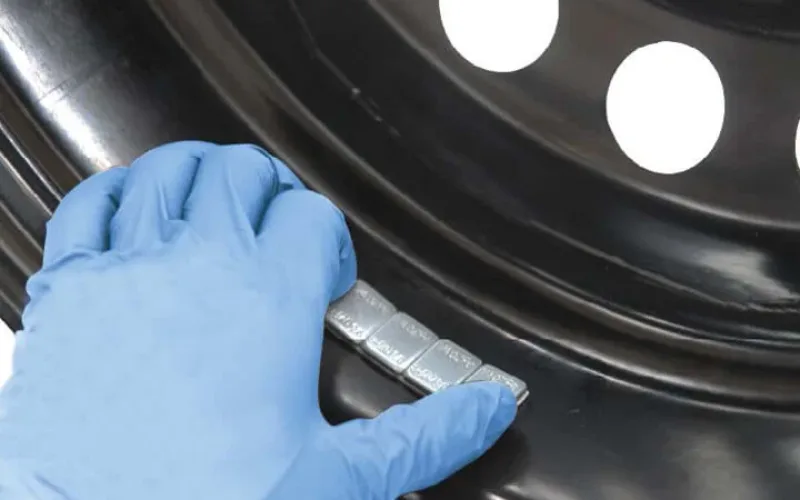
Installing wheel weights first requires removing the wheels from the vehicle. This step requires specialized tools and careful handling. You can determine the wheel’s weight distribution yourself or have a professional mechanic use a balancing machine. Then, install the weights onto the rims. Fortune offers two main types of weights: adhesive and snap-on. Adhesive weights are attached to the inside of the rim and are suitable for alloy wheels. Snap-on weights clip onto the edge of steel wheels. Both types help balance the tires, but you must choose the appropriate weights based on the wheel type. The entire process is time-consuming and usually requires a professional to avoid errors.
Tip: If you want your alloy wheels to look cleaner and more aesthetically pleasing, adhesive counterweights are a good option.
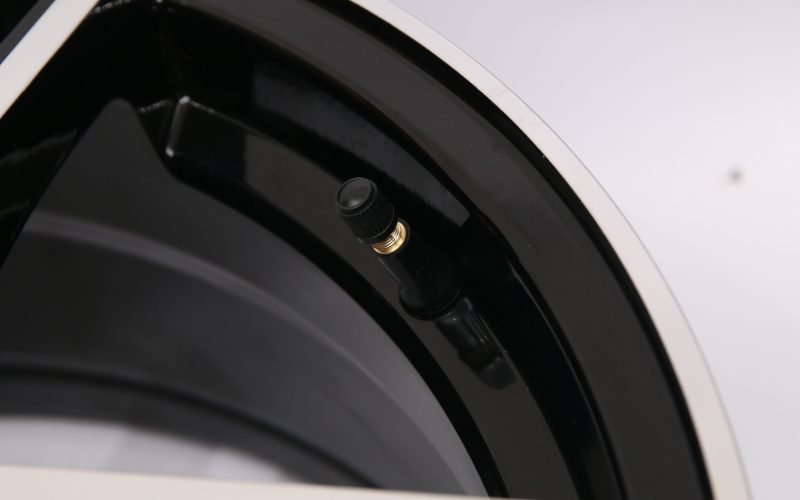
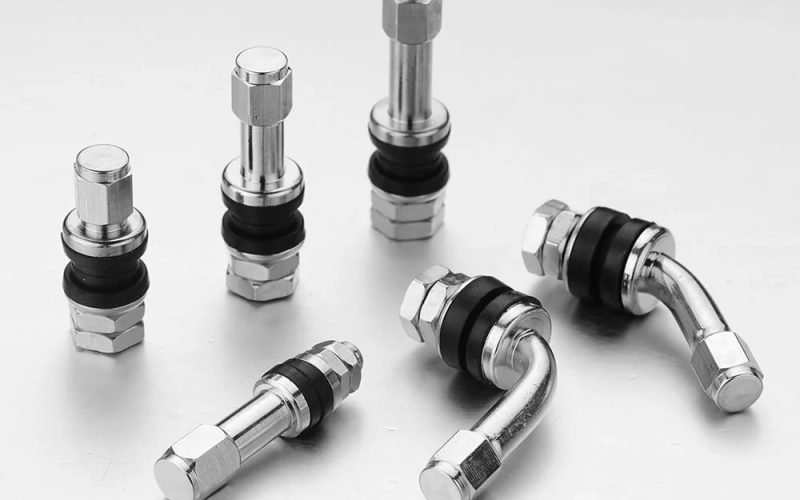
Balancing balls can be installed without removing the wheels. Simply weigh the appropriate amount of balancing balls and pour them into the tire through the valve stem. This method is time-saving and labor-saving, requiring no special equipment. Many people can complete the installation at home by following the simple instructions. During driving, the balancing balls move within the tire and provide balance. Therefore, for most users, the installation process is quick and easy.
You might be wondering if you can do these tasks yourself. Here are a few things to consider:
| Wheel Type | Stick-On Weights | Clip-On Weights |
|---|---|---|
| Alloy Wheels | Compatible | Not Suitable |
| Steel Wheels | Not Mentioned | Compatible |
| Specialty Wheels | Not Mentioned | Not Suitable |
Note: Always check your wheel type before choosing a balancing method. Some wheels work best with specific weights.
You should choose a balancing method that suits your skills, tools, and wheel type. Weights provide precise balance but usually require professional assistance. Balance beads offer a simple and easy DIY option for many drivers.
You certainly want your tire balance to last as long as possible. Fortune uses advanced materials to ensure your wheel balance weights are robust, durable, and rust-resistant. These weights are made of aluminum alloy, which performs excellently on wet or salty roads. Steel alloy weights also help extend the weights’ lifespan and withstand rough terrain. Fortune conducts salt spray tests on these materials to check for corrosion. Clip-on weights are robust and durable but require a good coating to prevent rusting. Adhesive weights have a clean look, but their adhesion should be checked in extreme weather conditions as they may lose their stickiness.
Tip: If you frequently drive in rain or snow, choose wheel balance weights made of corrosion-resistant materials for even better durability.
Wheel balancing beads offer another layer of durability. Located inside the tire, they last as long as the tire itself. Unless you replace the tire, you don’t need to replace the wheel balancing beads. As the tire wears down, the beads shift and adjust, continuing to function even when the tire deforms. You don’t need to worry about them falling out or rusting.
Road conditions and weather affect the durability of tire balance. Moisture, salt, and dirt can all damage wheel weights. If water seeps under adhesive weights, they may lose their stickiness. Clip-on weights are prone to rust if they don’t have a good coating. Balance balls, on the other hand, don’t have these problems. They are securely located inside the tire and unaffected by rain, snow, or mud.
Balance balls function reliably in all weather conditions. Choosing the right materials and conducting regular checks are essential for optimal wheel weight distribution.
Understanding the composition of wheel balancing products is crucial. Wheel weights are made from a variety of materials. Some older weights used lead or mercury. These metals are harmful to the environment and have been banned in many states. Today, most weights use zinc, steel, or composite materials. These materials adhere to strict regulations to ensure human and environmental safety. Fortune uses zinc and steel instead of lead. These choices help protect the planet and are beneficial to your health.
The table below lists how each material complies with relevant regulations:
| Material Type | Compliance Status | Notes |
|---|---|---|
| Lead | Non-compliant | It is toxic; it has been banned in many states due to its environmental harmfulness. |
| Mercury | Non-compliant | Toxic; restrictions are similar to those for lead. |
| Coated Steel | Compliant | Legal alternatives; free from intentionally added lead or mercury. |
| Composite | Compliant | A legal alternative; harmless to the environment. |
| Zinc | Compliant | Popular alternatives; must not contain lead or mercury. |
| Internal Balancing | Compliant | Avoid weight loss issues; improve performance and reduce rebalancing costs. |
California’s Metal Wheel Counterweight Act and Washington state regulations prohibit the use of lead wheel counterweights. Similar laws exist in other parts of the United States and Canada. Fortune complies with these regulations and manufactures safe and legal products.
You can choose eco-friendly wheel weights or balance beads. Fortune’s zinc-steel weights won’t pollute water or soil. These metals are safe and durable. Balance beads are also an eco-friendly option. They are fixed inside the tire and won’t fall off. This means less waste and reduces risks to animals and people.
Tip: If you want to do your part to protect the planet, choose products that are lead-free or made from recycled materials.
You should consider what to do with your wheel balancing products after use. Steel and zinc wheel weights are recyclable. Many repair shops collect old weights and send them to recycling centers, reducing the burden on metal landfills. If you change your tires, the weights can also be reused. You can ask your repair shop to keep the weights for future use.
| Regulation | Description |
|---|---|
| California’s Metal Wheel Weights Act | The use of leaded wheel weights is prohibited in new and vehicles already on the market. |
| Washington Legislation | Lead weights are prohibited to prevent lead contamination. |
| Broader Adoption | Similar bans exist in many regions of the United States and Canada. |
Choosing products that align with these principles is helping nature. Fortune’s wheel weights and balance beads balance tires and protect the planet.
Now you understand the difference between wheel weights and balance balls. They differ in price, installation method, lifespan, and environmental impact. Wheel weights provide excellent tire balance and are suitable for most cars and trucks. Balance balls are easy to use and have a long lifespan. The best choice depends on your vehicle and your needs. Please refer to the table below for selection:
| Factor | Description |
|---|---|
| Wheel material | Some wheels require special counterweights or beads. |
| Rim flange style | The shape of the wheel rim can affect the application method. |
| Preference | You might prefer genuine or aftermarket parts. |
| Weight size | Tire size may change, making it the best choice. |
If you want a robust, durable, and effective product, consider Fortune wheel weights.
Using wheel hub weights allows for precise tire balance. They help the vehicle ride smoothly and prevent tires from wearing out too quickly. You can see them on the wheels to see if they are working properly.
Yes, you can reuse balancing beads. Ask your tire shop to save the beads when you get new tires. This helps you save money and reduce waste.
Balance beads are best suited for trucks, motorcycles, and large vehicles. Some smaller cars may not achieve the same effect. Before selecting balance beads, be sure to check if your vehicle requires them.
You might feel your steering wheel vibrate or hear unusual noises. Your tires may be wearing unevenly. If you notice these signs, you should check your tire balance.
 Request a quote