Why Is EPDM Rubber Commonly Used in Automotive Tire Valve Stems?
 20Jul
20Jul 

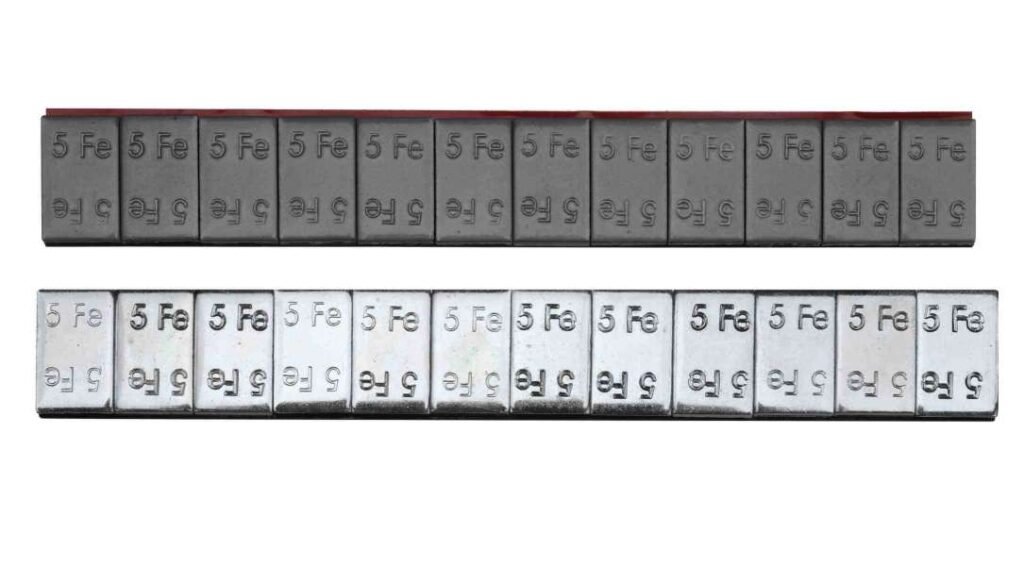
Sticky wheel balancers help maintain wheel balance. Using the right balancers can make your car safer and perform better. Good wheel balance helps avoid the following problems:
FORTUNE sticky wheel balancers are made with high-strength materials and tape. Many car owners trust them because they are reliable and a new product.
You want your wheels to stay balanced and look good. Adhesive wheel weights meet both of these needs. Many car owners choose them because they fit perfectly with modern alloy wheels without scratching or damaging the wheel surface. You can use them on almost any clean, flat part of the wheel. This makes them ideal for vehicles with custom or stylish wheels.
Adhesive wheel weights are also durable. They use strong adhesive tape and a rust-resistant coating. These properties ensure they stay firmly attached to the wheel, even at high speeds or in inclement weather. You’ll get a smooth driving experience, and your wheels will always look like new.
When choosing wheel counterweights, there are other factors to consider besides balance. Here are some important points:
Tip: Always clean the wheel surface before applying the counterweights. This helps them adhere firmly.
The table below explains why adhesive counterweights are suitable for modern wheels:
| Weight Type | Advantages | Disadvantages |
|---|---|---|
| Clip-on Weights | Suitable for steel rims, secure installation, ideal for standard vehicles. | May damage alloy rims; not suitable for aftermarket rims. |
| Adhesive Weights | Aesthetically pleasing, suitable for alloy/aftermarket rims, clean and discreet appearance. | Wheel rim surface must be cleaned before application. |
You certainly want your wheel weights to last. The following properties help sticky wheel weights stay secure:
| Feature | Description |
|---|---|
| Rust-proof coating | Effectively prevents moisture, dust, and chemicals from corroding the counterweight, ensuring it won’t rust. |
| Strong adhesion | Prevents the counterweight from falling off even during high-speed movement. |
| Discreet design | Allows the counterweight to be installed in confined spaces while remaining discreet. |
Adhesive wheel weights are popular because they fit a variety of wheel designs and help maintain the aesthetics of your wheels. They offer better balance, a lower risk of damage, and are durable.

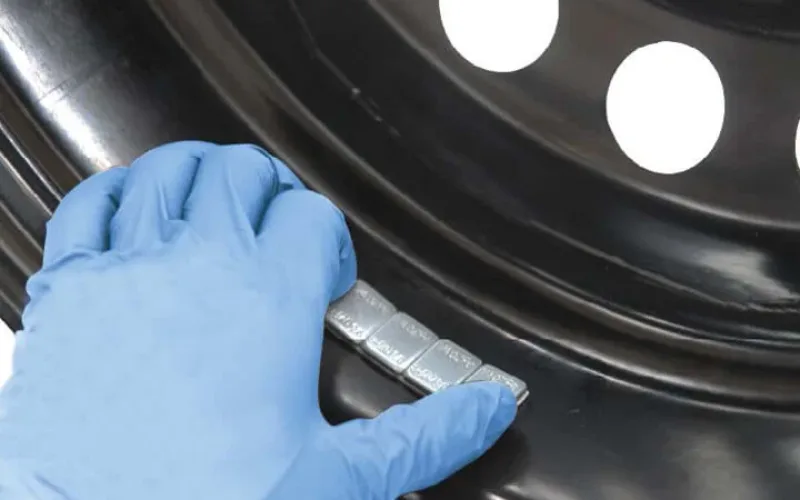
Adhesive wheel rim weights help balance your wheels, making driving smoother and safer. These weights are directly attached to the rim using strong adhesive. Simply attach them to a clean, flat area of the rim. The tape holds the weights firmly in place, even in bad weather or on bumpy roads.
The unique feature of FORTUNE adhesive wheel rim weights is their use of durable materials and smart tape. You can choose from different finishes, such as black, silver, chrome, or custom colors. These finishes help the weights perfectly match your rims and prevent rust. Tape options include standard blue tape, 3M red tape, American white tape, and widened tape for larger weights. Each tape is easy to remove and has strong adhesion, making installation very simple.
Tip: Always clean the wheel rim before installing the counterweight. This helps the adhesive bond better and extends the wheel’s lifespan.
Viscous wheel counterweights are primarily used on cars with aluminum alloy or composite wheel rims. Many new cars use these lightweight rims to improve speed and appearance. You’ll also see these counterweights on motorcycles, trucks, and modified vehicles. They are particularly suitable for situations where the rims are low or space is limited.
FORTUNE allows you to choose counterweights that match the look and color of your wheel. You can choose the shape and size that best suits your vehicle. FORTUNE is also committed to environmental protection, using recyclable materials and employing safer production methods.
| Material Type | Properties | Advantages | Challenges |
|---|---|---|---|
| Steel Wheel Weights | Extremely strong, rust-free, and weigh almost as much as lead. | Recyclable, easy to manufacture, and environmentally friendly. | Sometimes larger counterweights are needed to maintain balance. |
| Zinc Wheel Weights | Weigh almost as much as lead, rust-free, and even more environmentally friendly. | Smaller counterweights can be used, and they are safer than lead counterweights. | More expensive, softer, and more easily damaged. |
| Composite/Non-Metallic | Made from different materials or non-metallic. | Scientists are working to improve them. | More expensive to manufacture, used less frequently, and less strong than steel counterweights. |
You will get a durable counterweight that works on a variety of wheels and helps keep the earth clean.
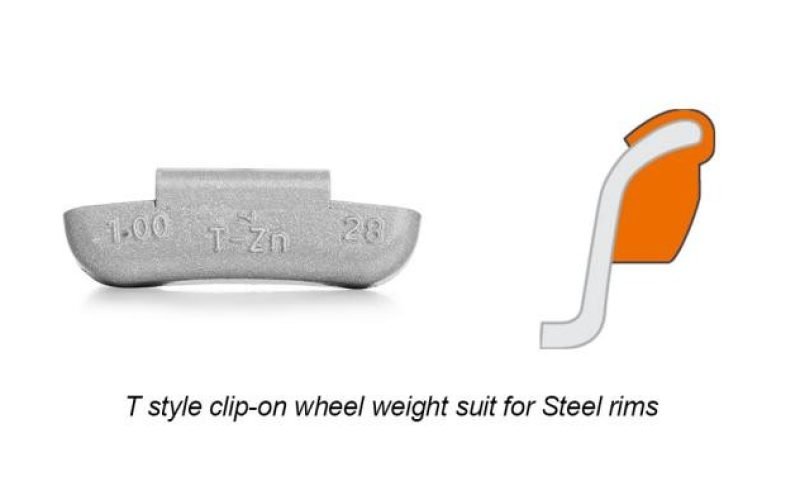
Clip-on wheel weights help you balance your wheels. To install, simply clip or press them onto the flange of the rim. Because the clips grip the edge firmly, the weights stay in place. No glue or tape is needed. Simply use a special tool to press the weights into the rim. This method is quick, easy, and requires minimal skill.
Clip-on wheel weights are made from a variety of materials. Each material has its unique advantages. Zinc weights never rust and are easy to install. Steel weights have a high-quality powder coating that effectively protects against moisture and chemicals. Lead weights are available in coated and uncoated versions. Coated lead weights offer superior corrosion resistance.
Note: Before using clip-on counterweights, check the rim type. Some rims require special clips or coatings.
Clamp-on counterweights are primarily used for steel wheel hubs. These counterweights are best suited for flanged rims. Commercial vehicles and trucks typically use steel wheel hubs, making clamp-on counterweights ideal for them. Clamp-on counterweights are not suitable for aluminum alloy wheel hubs or specially shaped wheel hubs. These hubs require different balancing methods.
You’ll see clip-on weights at auto repair shops and tire shops. Mechanics use them to quickly balance wheels. Using the right clips with the correct wheels ensures a secure fit and reliable performance.
Tip: Always use clips of the correct size and material for your wheels. This helps prevent damage and keeps the wheels balanced.
Choosing adhesive wheel weights for your vehicle offers numerous benefits. These weights help maintain wheel balance and ensure a smooth ride. FORTUNE’s advanced tape solution ensures a secure fit, preventing them from falling off even in rain, snow, or high temperatures. A special coating effectively prevents rust, keeping your wheels looking new.
Key advantages are shown in the table below:
| Advantage | Description |
|---|---|
| Durability | Highly weather-resistant, requiring less frequent tire replacement. |
| Rim Protection | Unlike clip-on weights, it won’t scratch or damage the rim. |
| Cost Benefits | Helps you avoid costly repairs and extend tire life. |
| Convenience | Easy installation in just a few simple steps. |
| Versatility | Suitable for a wide range of vehicles, from cars to buses and tractors. |
| Improved Handling | Reduces vibration for better vehicle handling. |
| Aesthetic Advantages | Blends seamlessly with the wheel hub for a clean and modern look. |
You can choose counterweights that match the color and shape of your wheels to make your vehicle look more stylish and dynamic. Furthermore, because FORTUNE uses recyclable materials, you are also contributing to environmental protection.
When installing adhesive wheel hub counterweights, the correct steps must be followed. The surface must be clean and dry before attaching the counterweights. Skipping this step may result in the counterweights not adhering securely. While the installation process is simple, attention to detail is crucial.
Below is a brief explanation of the installation comparison:
| Aspect | Clip-On Weights | Adhesive Weights |
|---|---|---|
| Installation | It requires careful placement on the rim edge and takes a considerable amount of time. | Applying it to the inside of the rim saves time. |
Tip: Always clean the wheel hub surface before installing the counterweights. This helps the counterweights adhere better and extends their lifespan.
Adhesive counterweights require no special tools. Simply peel off the adhesive backing to attach them. This makes the installation process quick and easy, and anyone can do it.
Clip-on wheel weights offer numerous advantages, making them particularly suitable for users with steel wheels or those requiring a quick solution. Installation is incredibly fast; simply clip them onto the edge of the rim. This method saves time in busy repair shops or when multiple wheels need to be balanced daily. You don’t need to wait for the glue to dry, and you don’t have to worry too much about surface finish.
Clip-on weights are common in tire shops because they are suitable for both passenger cars and commercial trucks. Even when driving on rough terrain, these weights hold firmly to flanged rims. Mechanics love them because they are easy to remove and replace when changing tires.
Here are some of the key advantages:
Tip: If you frequently work with steel wheels, clip-on weights can help you get the job done faster.
Clip-on wheel weights also have some drawbacks. They are not suitable for all wheel rims. Many modern alloy wheels lack flanges for securing the clips. Attempting to use them on these rims could damage the rim or cause the weights to fall off.
You may also notice that clip-on weights can scratch or damage the wheel surface. This can lead to rust or make the wheel look old. Some car owners dislike the appearance of these weights because they are very noticeable on the outside of the rim.
The following table lists common drawbacks:
| Drawback | Description |
|---|---|
| Limited Compatibility | Only suitable for flanged rims; not all rims are compatible. |
| Risk of Rim Damage | May scratch or dent the rim surface. |
| Aesthetic Impact | Easily noticeable and may clash with modified rims. |
| Corrosion Risk | Exposed metal may rust after the coating wears off. |
Note: Always check your wheel type before selecting clamp-on weights. This helps avoid damaging the wheels and maintain wheel balance.
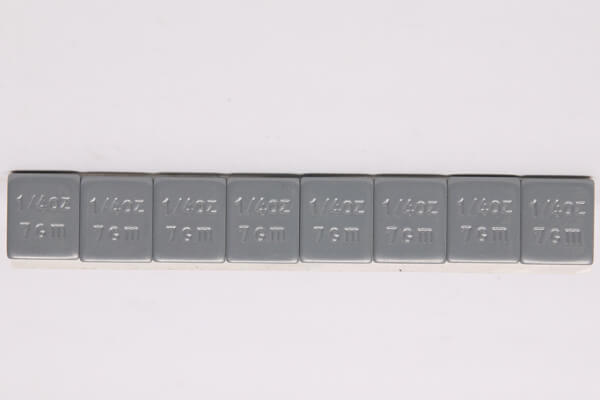
To ensure a smooth and safe ride, maintaining wheel balance is crucial. Both adhesive and clip-on weights can help you achieve this, but they work differently. Adhesive weights allow you to precisely place the weight in the desired position, resulting in very accurate balance, especially suitable for alloy or custom wheels. You can cut and adjust the shape of these weights to fit tight spaces or special designs.
Clip-on weights also provide good balance, but you must attach them to the edge of the rim. Sometimes, due to the shape of the rim, you cannot place them in the ideal position. This can lead to reduced balance accuracy, especially on uniquely designed wheels.
Tip: For optimal balance, always follow the instructions for your wheel type and weight placement.
You certainly want your wheel weights to withstand rain, snow, and rough terrain. Their durability depends on the material, coating, and installation method.
Proper installation and regular inspections help extend the lifespan of both types of weights. Cleaning the wheel hub before attaching adhesive weights improves adhesion. Snap-on weights require properly sized clips for a secure hold.
You care a lot about the appearance and lifespan of your wheels. The type of counterweight you choose will affect both the wheel’s appearance and performance.
Adhesive counterweights, especially those with 3M tape, can sometimes detach during high-pressure washes. This is because the strong water flow can damage the tape’s seal. If the counterweight detaches, the wheel may become unbalanced, causing problems.
Adhesive counterweights are hidden behind the spokes, giving the wheel a clean and aesthetically pleasing appearance. They are difficult to spot unless you look closely. While clamp-on counterweights are more noticeable, they work well on steel rims when properly sized and won’t damage the rim.
You can choose the type of weight best suited to your needs based on your wheel style, driving habits, and level of aesthetic preference. FORTUNE adhesive wheel weights offer exceptional corrosion resistance and long-lasting adhesion, provided they are installed correctly.
If you prefer a clean and stylish wheel appearance, self-adhesive weights are recommended. These weights are best suited for alloy wheels, custom rims, and flangeless wheels. They are suitable for cars, motorcycles, and trucks requiring a concealed balancing solution. If you prioritize wheel aesthetics, these weights can be hidden behind the spokes, making them difficult to spot.
Self-adhesive weights are particularly advantageous in wet or rainy environments. A special rust-resistant coating helps extend their lifespan and maintain the wheel’s appearance. Even at high speeds or on long trips, the strong adhesive tape ensures the weights adhere firmly. You don’t need to worry about them falling off on highways or rough roads.
Self-adhesive weights work well in mild, humid climates. However, their adhesion may decrease in extremely cold or hot weather. If you live in an area with extreme temperatures, check your wheels frequently to ensure the weights are securely attached.
Tip: Always clean your wheels before applying the weights. This helps the tape adhere firmly and extends its lifespan.
If your wheel rims or flanges have a special design, you should choose clamp-on wheel weights. These weights easily snap into the rim and remain secure, even when driving on bumpy surfaces. Clamp-on weights are best suited for steel wheels and commercial vehicles. They are ideal when you need to quickly and efficiently balance your wheels.
Clamp-on weights can withstand strong forces. If you are driving a heavy truck or transporting heavy loads, these weights can provide you with extra stability. Mechanics love them because they are quick to install and easy to remove.
The following table can help you make your choice:
| Situation | Best Choice |
|---|---|
| Alloy or custom wheels | Adhesive weights |
| Steel wheels with flange | Clip-on weights |
| Humid or wet climate | Adhesive weights |
| Heavy-duty or commercial vehicle | Clip-on weights |
| Need for hidden appearance | Adhesive weights |
| Fast installation needed | Clip-on weights |
You can choose the appropriate weight distribution based on wheel type, driving needs, and local weather conditions.
You want your wheels to stay balanced and safe. Choosing the right wheel counterweights requires considering several important factors. The following list can help you make a decision:
You can also refer to the table below to compare different counterweight options:
| Factor | Stick-On Weights | Clip-On Weights |
|---|---|---|
| Wheel Type | Best suited for modern or lipless alloy wheels | Suitable for flanged wheels |
| Appearance | Concealed, clean look | More noticeable on the rim |
| Durability | Depends on tape and pretreatment | Generally strong and secure |
| Application | Tool-free, direct adhesion | Tools required to snap into the rim |
| Precision | Easy to position precisely | Limited by clip size and shape |
If you need further assistance, you can consult the FORTUNE product catalog. The catalog showcases different weights, materials, and finishes, explaining which weights are best suited for your car, budget, and local climate. You can also seek advice from the FORTUNE team or request samples to try before deciding to purchase.
You certainly want your wheel weights to last. Proper installation is crucial. Here are some tips:
For any questions, FORTUNE’s support team is ready to help. Repair shops and car owners can request samples or consultations to ensure they choose the right product.
Tip: Patience and care during installation help maintain wheel balance and make your ride smoother.
You certainly want your wheels to be balanced for optimal vehicle performance. Experts recommend clip-on weights for steel wheels because they are easy and reliable to install. Alloy wheels should use adhesive weights, as they offer flexible placement and a clean look. Clip-on weights stay firmly in place even in high-temperature environments. Before choosing weights, be sure to consider your wheel type and driving needs. You can consult product catalogs or ask an expert.
Tip: Proper wheel balance improves handling and extends tire life.
You can attach adhesive weights directly to the wheel rim. Clip-on weights can be attached to the rim edge. Adhesive weights are discreet and effectively protect the wheel rim from scratches. They are suitable for many types of wheel rims, especially alloy and custom rims.
Yes. First, clean the wheel rim. Peel off the backing and then firmly press the weight into place. No special tools are needed. Please follow the installation instructions for best results.
FORTUNE adhesive weights have a long lifespan. The strong adhesive tape and rust-resistant coating ensure a strong bond even in rain, high temperatures, and rough surfaces. You get reliable performance and longer mileage.
No. You can attach adhesive weights behind the spokes. They are hidden from view, keeping your wheel rim looking clean and stylish. You can also choose counterweights that match the wheel color for a perfect look.
 Request a quote