Why Is EPDM Rubber Commonly Used in Automotive Tire Valve Stems?
 20Jul
20Jul 

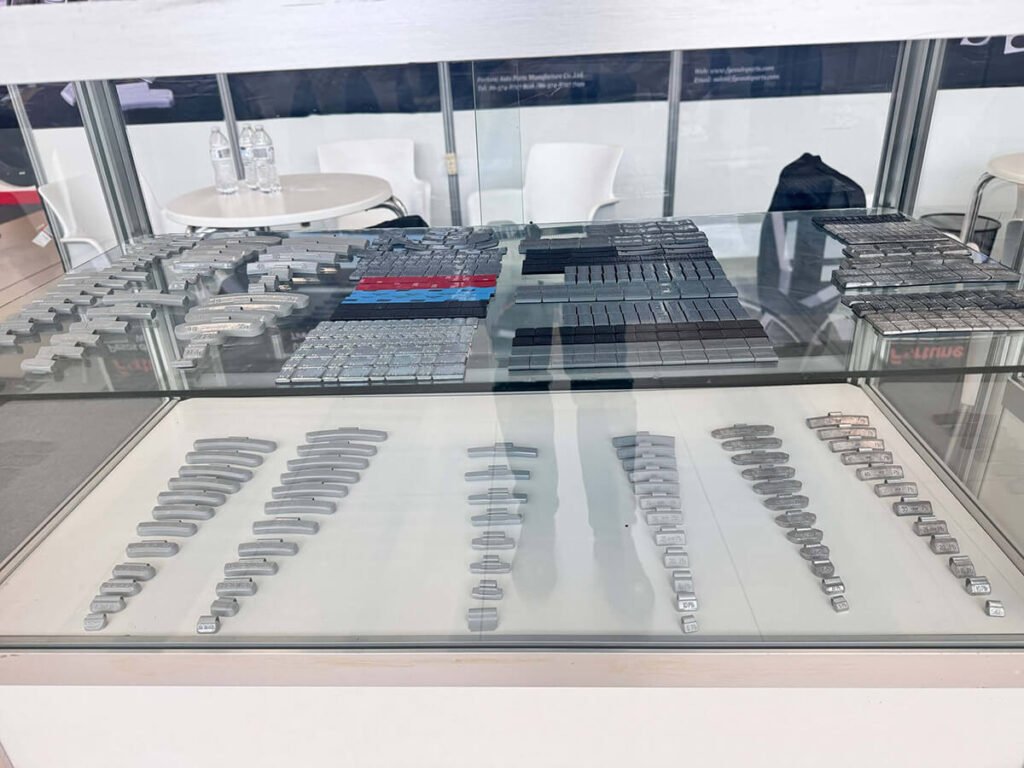
When balancing alloy wheels, you can choose between snap-on or adhesive counterweights. Most cars use snap-on counterweights, accounting for approximately 65% of all counterweight usage. Adhesive counterweights are also frequently used, especially for alloy wheels, accounting for approximately 35% of all counterweight usage. Fortune is a leading company in this field, selling both leaded and lead-free counterweights, providing a wide range of options for your vehicle.
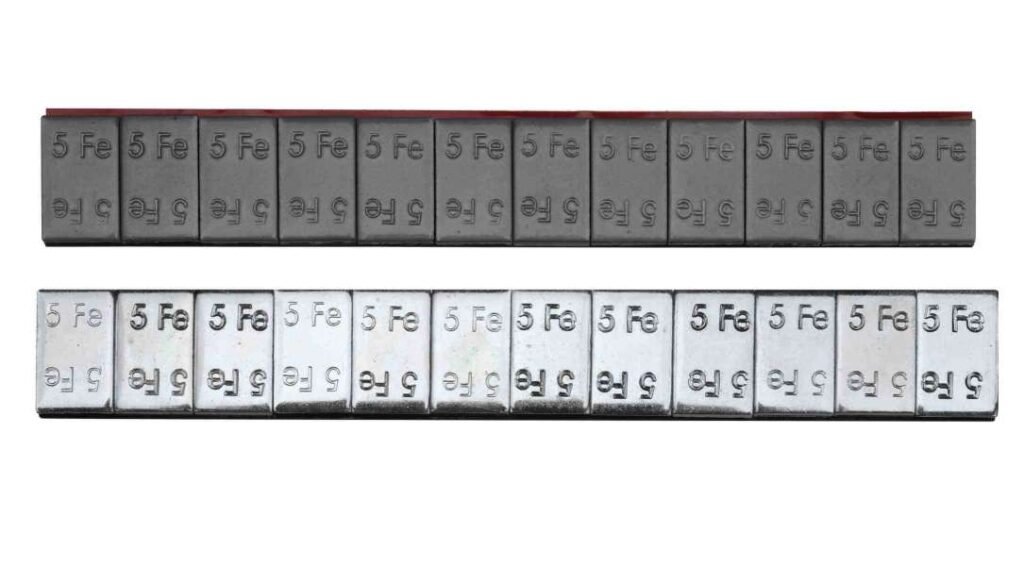
Fortune has been manufacturing automotive parts for over 25 years. They sell both clip-on and adhesive wheel weights. These weights help balance the wheels, making driving smoother and safer. You can choose between leaded or lead-free materials. These options are more environmentally friendly.
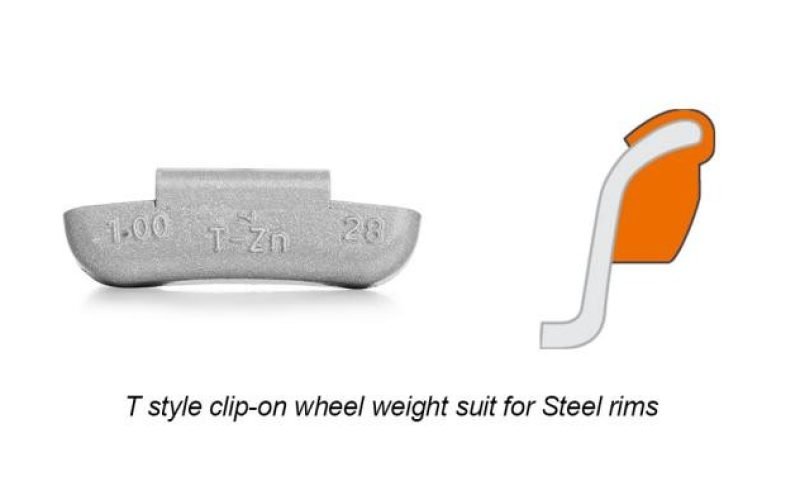
Clip-on wheel weights are mounted on the rim flange. Steel wheels typically use this type of weight, and some alloy wheels also use it. Installation is quick and easy, making it popular because it’s easy to install and remove.
The table below lists the differences between clip-on and adhesive wheel weights:
| Feature | Clip-On Wheel Weights | Adhesive Wheel Weights |
|---|---|---|
| Design | Clamped on the rim flange | Stick directly to the wheels |
| Application | Best suited for steel wheels with deep rims | Suitable for alloy wheels with uneven edges |
| Installation | More convenient for DIY users | Placement requires precision |
| Aesthetic Consideration | Low flexibility in location arrangement | It can be hidden on the inner rim |
| Climate Resilience | It can remain safe even under extreme heat | The adhesive may weaken at high temperatures |
| Material Options | Galvanized steel and lead-free | A variety of strong adhesives are available |
Clamp-type wheel counterweights are made of various materials. The table below lists some of the most common materials:
| Material | Description |
|---|---|
| Steel | Commonly used for durability |
| Zinc | Offers a lead-free alternative |
| Lead-free alloys | Environmentally friendly option |
Clamp-on wheel counterweights come in many sizes. The table below lists some common weight ranges:
| Type | Typical Weight Range |
|---|---|
| MC | 0.25 oz to 2.0 oz |
| FN | 5g, 10g, 15g, 20g, 25g, 30g, 40g, 45g, 50g |
| IAW | 0.25 oz to 2.0 oz |
Clamp-type counterweights are quick to install and effective. Many people choose them because they are cheaper and durable.
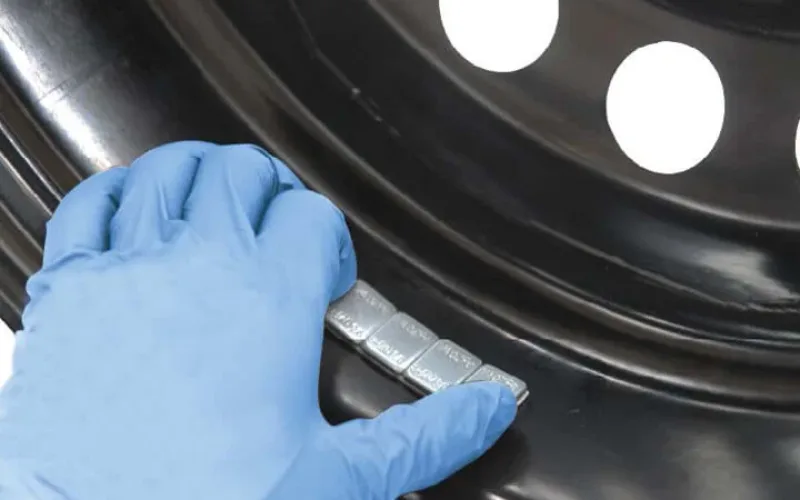
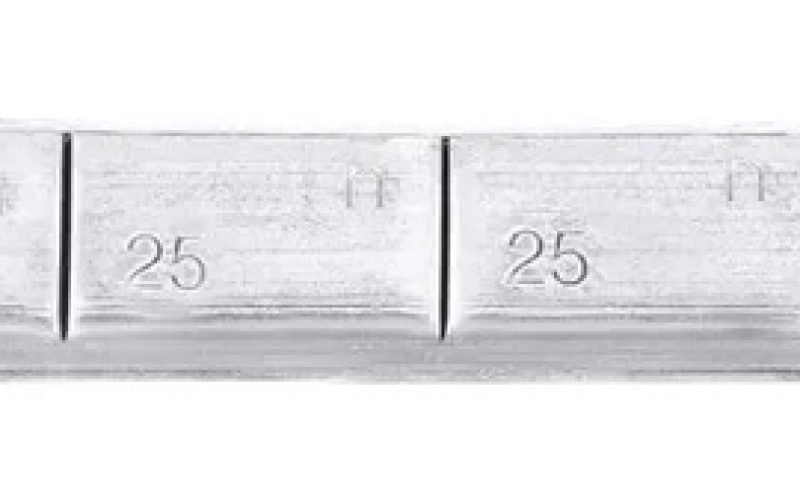
Adhesive wheel weights are directly glued to the wheel rim. They are commonly used on alloy wheels. These rims lack the rim flange for mounting clip-on weights. Adhesive wheel weights have become increasingly popular over the past decade. You’ll see them on high-performance sports cars and custom alloy wheels. They won’t scratch the rim and provide excellent balance.
Adhesive wheel weights have a clean and aesthetically pleasing appearance. You can hide them inside the rim, making your wheels look better. Many electric and hybrid vehicles use adhesive wheel weights. They are lightweight and rust-free.
You can choose from different adhesives to attach these weights:
Adhesive wheel balancers keep your wheels looking good. They also work with tire pressure monitoring systems (TPMS). They provide both excellent balance and a modern look.
Tip: If you want your alloy wheels to look clean, balanced, and aesthetically pleasing, adhesive wheel balancers are a wise choice.
Besides clip-on and adhesive counterweights, there are other methods to balance wheels. Some cars use balance weights or balance rings inside the tires. These components change shape as the tires wear, thus maintaining a smooth ride. Low-carbon steel adhesive counterweights distribute weight evenly, reducing vibration and improving vehicle stability. They also help the vehicle fly better and look cleaner than clip-on counterweights.
You might see these newer counterweights on modern alloy wheels. People choose them for better performance and less maintenance.
Clip-on wheel weights are secured to the rim edge with clips. You’ll need a special hammer to firmly install them. This method works for both steel and alloy wheels. Many people prefer clip-on weights because they are quick and easy to install and remove. However, some newer alloy wheels have less space around the rim edge, making weight installation more difficult. If the weights are not positioned correctly, the wheel may not remain balanced.
The table below shows how to install these weights:
| Type | Description |
|---|---|
| Clip-ons | It clips onto the rim, making it easy to install or remove without damaging the rim surface. |
| Adhesive wheel weights | Use strong adhesive to bond it to the alloy or composite wheel hub to secure it firmly. |
Tip: Before selecting a clamp-on counterweight, be sure to check that there is enough space around the rim edge of the alloy wheel.
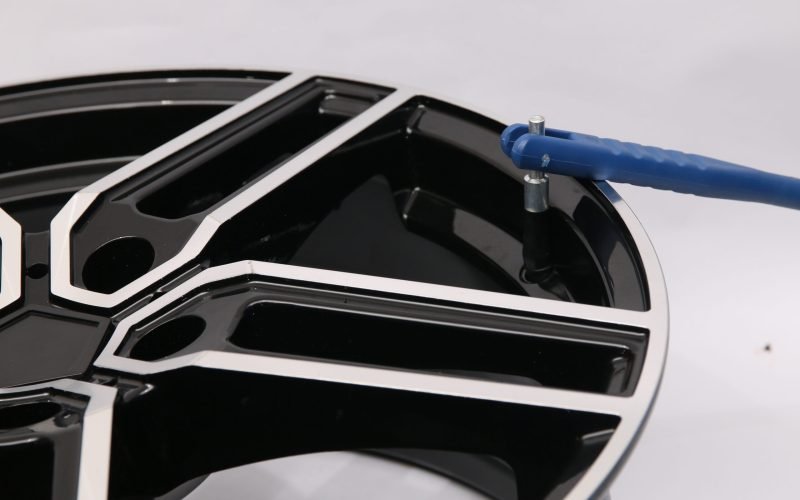
Adhesive wheel balancing blocks are applied directly to the inside surface of the alloy wheel rim. To ensure a firm bond, follow these steps:
Adhesive balancing blocks are suitable for alloy wheels because they won’t scratch the surface. You can hide them behind the spokes for a cleaner look. Remember to check your rims regularly, especially after driving on rough roads or in the rain. Dust, salt, and water can weaken the adhesive over time.
Wheel counterweights are made from a variety of materials, most commonly zinc, steel, and lead. Fortune offers counterweights in all of these materials. Zinc offers the best rust resistance and is suitable for a wide range of applications. Steel counterweights offer performance in between, but require careful rust prevention. Lead counterweights are less common now because of their shorter lifespan in harsh environments.
Many countries now restrict or ban the use of lead in wheel counterweights. For example, Canada and the European Union have strict environmental regulations. To comply with these regulations, manufacturers are increasingly using zinc and steel. Aluminum alloys are also popular due to their ease of recycling. Recycling aluminum saves energy and protects the environment.
Note: Choosing the right wheel counterweight material helps extend the life of your wheels and protects the planet.Pros and cons of wheel weights
Clamp-on wheel weights offer numerous benefits to your vehicle. They are quick and easy to install using only basic tools. They are durable and help improve vehicle performance. You’ll likely find they work best when the wheel shape matches the weight. Some alloy wheels may not be compatible with clamp-on weights, so be sure to check before purchasing.
You might see clips on the outside of the wheel rim. This affects the appearance of the wheel rim, especially if you care about its look.
Adhesive wheel weights give your vehicle a clean and modern look. You can hide them behind the wheel spokes, keeping your rims neat and attractive. Precise application allows for better wheel balance. These weights are firmly attached and won’t fall off even at high speeds.
Before applying the weights, always clean the wheel rim surface. If you frequently drive on wet or muddy roads, check the weights regularly to ensure they are firmly attached.
Some car owners use balance weights or balance rings inside their tires. These are not visible from the outside. These devices adjust as the tires wear down, ensuring a smooth ride. However, they can be more expensive and require special installation.
Tip: If you want a simpler solution, you can choose clip-on or adhesive wheel weights. Other weights are more suitable for special needs or high-performance vehicles.
When choosing counterweights for alloy wheels, there are a few important things to consider. Here’s a simple checklist to help you:
Tip: For best results, be sure to choose a counterweight type that matches your wheel design.
Fortune offers a variety of options to meet your different needs. The table below shows how Fortune products help different types of customers:
| Product Type | Key Features | Customer Needs Addressed |
|---|---|---|
| Lead-Free Alternatives | Environmental safety | Environmentally conscious drivers |
| Protective Coating | Prevents rust and extends service life | Durability in harsh weather |
| Various Tape Types | Suitable for various wheel hub shapes | Suitable for a variety of vehicles |
| Segmented Design | Flexible to fit your wheels | Better balance and a smoother riding experience |
| Steel Sticky Weights | Easy to use and environmentally friendly | Easy to install, an environmentally friendly choice |
| Zinc Adhesive Weights | Rust resistant, available in multiple sizes | Meets regulations and is durable |
| Lead Stick-On Weights | Affordable and powerful | Suitable for saving money and meeting special needs |
Fortune also offers robust support services. Their team will help you choose the right products and answer your questions.
To ensure your wheel weights are securely in place and won’t damage your wheel, follow these best practices:
For safe removal, use a plastic tool or scraper to remove the old weights. Use a specialized adhesive remover to remove any remaining sticky substances. Wipe the area with a clean cloth and wheel cleaner to remove dust and grease.
Note: A clean wheel rim helps the weights adhere better and extends their lifespan.
You can choose between clip-on or adhesive wheel balancers to match your alloy wheels. If you want your wheels to look cleaner, adhesive balancers are the best choice. They adhere firmly and are not easy to fall off. Fortune wheel balancers are a good option. They help protect your wheels and are durable. If you take good care of your wheels, they will keep them balanced and safe.
| Maintenance Task | Frequency/Condition |
|---|---|
| Wheel balancing | Every 5,000 to 7,500 miles or after installing new tires |
| Proper installation of adhesive weights | The wheels need to be cleaned and the temperature needs to be appropriate (50-125°F) |
| Regular rebalancing | Every 5,000-7,500 miles to stop big problems |
For best results, clean the wheel rims first. Use appropriate tools. If you are unsure, consult a professional.
Using wheel counterweights balances the tires, making the car ride smoother. Balanced wheels reduce vibration, extend tire life, improve fuel efficiency, and provide a safer driving experience.
Do not reuse wheel weights. Old weights may be the wrong size or not adhere securely. For best results and safety, always use new weights.
You may feel vibrations in the steering wheel or seat. Tire wear may be uneven. If you notice these signs, you should check the wheel weights and have the wheels dynamically balanced.
Adhesive wheel weights are best suited for alloy wheels with smooth surfaces. They may not adhere firmly to rough or dirty wheels. Always clean the wheel before installing the weights.
Wheel balance should be checked every time tires are rotated or new tires are installed. Regular checks help detect problems early and maintain a smooth ride.
 Request a quote