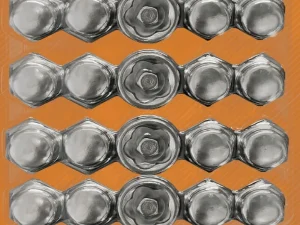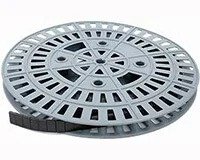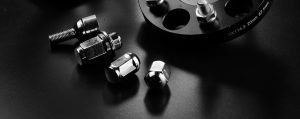


Choosing the right wheel weight for your vehicle starts with knowing your wheel and rim materials. Steel wheels often use knock-on wheel weights for a quick installation and reliable balance. Stick-on wheel weights work best on alloy or custom wheels, keeping your rims safe and your wheels looking sharp. Each rim material reacts differently to balance methods:
| Rim Material | Characteristics | Influence on Wheel Weight Selection |
|---|---|---|
| Steel | Strong, heavier, affordable | Suits knock-on wheel weights for durability and repair |
| Aluminum Alloy | Light, stylish, strong | Needs stick-on wheel weights for balance and looks |
| Carbon Fiber | Lightest, high-performance, expensive | Requires careful wheel balance solution |
You want your tyre and wheels balanced for smooth driving. A good wheel balance solution helps your vehicle last longer and perform better, no matter which wheel weight you choose.

You may hear people call them clip-on wheel weights. These are small metal weights that attach directly to the rim of your wheel. You use them to correct imbalances in your tires. Knock-on wheel weights come in different shapes and sizes to fit many types of wheels. Most often, you find them on steel wheels, but they also work on wheels with ceramic or glossy coatings. The design lets them grip the rim securely, even when other types of balancing weights for wheels might not stick well.
Manufacturers use several materials to make clip-on wheel weights. In the past, lead was common because it is soft and easy to shape. Today, you see more steel and zinc weights. Steel is strong and resists rust when coated. Zinc is harder to shape but still used. Some companies even use plastic composites. The material affects how easily you can install the weight and how well it stays in place. When you choose a wheel weight, you want one that fits your wheel and meets environmental rules.
When you balance your wheels, you need to add weight to certain spots on the rim. Clip-on wheel weights make this process easier and faster to install than many other types. You use a special hammer to tap the weight onto the rim’s lip. The clip bends and grabs the edge tightly. This secure fit keeps the weight from moving, even when you drive on rough roads.
You start by using wheel balancing equipment to find where your wheel needs extra weight. Then, you select the right size of clip-on wheel weight. After you tap it into place, the weight helps your tire spin smoothly. This reduces vibration and makes your ride more comfortable. If you ever need to remove or replace the weight, you can do so without damaging your rim. Clip-on wheel weights answer the question, “how do car wheel balance weights work,” by showing you a simple, direct way to achieve proper balance. You get reliable balancing for your wheels, which helps your tires last longer and improves safety. Many drivers prefer clip-on weights because they are quick to install and provide a strong hold, especially on steel wheels.
Tip: Always check that your wheel balancing weights are installed correctly. Proper balance keeps your ride smooth and protects your tires.

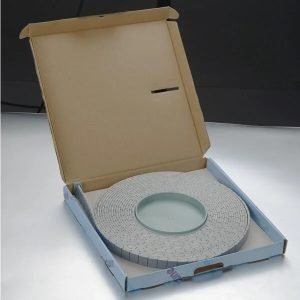
Stick-on wheel weights are a popular choice for balancing modern wheels, especially those made from aluminum alloy or with custom finishes. You use these adhesive wheel weights when you want to keep your wheels looking clean and free from visible clips. Each stick-on wheel weight comes in a slim, flat shape. You peel off the backing and press it directly onto the inside of the wheel rim. This method keeps the weight hidden and protects the rim from scratches. Many drivers choose adhesive wheel weights for their cars because they work well with unique wheel designs and help maintain a smooth ride.
You can find adhesive wheel weights in different sizes and materials. Most are made from zinc or steel, which are safe for the environment and strong enough to last. The design allows you to cut or break the strip into smaller segments, so you can match the exact amount of weight needed for proper balance. Tire shops often use stick-on wheel weights for alloy wheels, where traditional clip-on weights might damage the finish.
Adhesive wheel weights use advanced adhesive technology to stay firmly attached to your wheels. The sticky backing uses high-temperature resistant acrylic adhesives. These adhesives work well on alloy wheels and can handle extreme heat or cold. Before you install adhesive wheel weights, you need to clean the wheel surface carefully. Remove all oil and dust to make sure the area is dry and smooth. This step is important for a strong bond.
When you press the adhesive wheel weight onto the rim, apply steady pressure. This helps the adhesive grip the wheel tightly. Brands like 3M and Norton make tapes that hold strong after 24 hours and do not let go, even when you drive in tough conditions. The segmented shape of adhesive wheel weights lets them fit the curve of your wheel, so you get a snug and secure fit. These weights go through many tests, such as salt spray and temperature checks, to make sure they last a long time and do not fall off. You can trust adhesive wheel weights to keep your wheels balanced and your ride smooth.
Tip: Always use the right amount of pressure when installing adhesive wheel weights. This step helps the weights stick better and keeps your wheel balancing accurate.
You want to know how clip-on wheel weights and stick-on wheel weights compare. The table below shows the main features side by side. This helps you see which balancing method fits your needs best.
| Performance Aspect | Stick-On (Adhesive) Wheel Weights | Knock-On (Clip-On) Wheel Weights |
|---|---|---|
| Appearance | Sleek, hidden inside the wheel; keeps alloy finish looking new | More visible on the rim; may stand out on alloy wheels |
| Installation | Needs a clean wheel surface; press adhesive weight on for a simple process | Clips onto rim edge with a tap or hammer; quick and easy in tire shops |
| Durability | Can fall off if the wheel hits a curb or gets very dirty | Clips on securely; stays in place during normal driving |
| Suitability | Best for alloy wheels; adhesive does not harm the finish | Works on many wheels; used in most general applications |
| Adjustability | Removal possible but needs a special tool; not as easy to adjust | Easy to add or move without special tools |
Note: Both types of wheel weight help you achieve proper balance and a smooth ride. The right choice depends on your wheel type and what you want from your vehicle.
You see many differences when you compare clip-on wheel weights and stick-on wheel weights. Each type has its own strengths for wheel balancing.
You want the best balance for your wheels. If you care about looks and rim protection, stick-on wheel weights may suit you. If you want fast installation and a secure hold, clip-on wheel weights offer a strong choice. Both types help you achieve smooth wheel balancing and better driving comfort.
When you look at the pros of knock-on wheel weights, you see why many drivers and technicians choose them for steel wheels. You can attach and replace these weights much faster than adhesive types. This saves time in the shop and gets you back on the road quickly. You often need fewer weights to balance a tire, which means less material on your wheels and a cleaner look.
Knock-on wheel weights clip directly onto the rim. This design keeps them out of the way of other wheel parts, so you do not have to worry about interference. Their high strength lets them handle more impact and vibration. You can drive on rough roads, and the weights stay secure. These weights work especially well with steel wheels because the materials match. The installation process is simple. You just knock the weight onto the rim, and it stays in place. The high density of these weights means you get enough counterweight in a small size, which helps meet strict balance needs.
Tip: If you want a reliable and quick solution for balancing steel wheels, knock-on wheel weights offer many pros that make your job easier.
You should also consider the cons when choosing knock-on wheel weights. Some wheel types, like alloy or custom rims, may not work well with this method. The clip can sometimes scratch or mark the rim if you do not install it carefully. You might notice the weights on the outside of the wheel, which can affect the look of your car. If you want a hidden balance solution, this could be a drawback.
Another point to think about is compatibility. Knock-on wheel weights fit best on steel wheels. If you use them on other materials, you may not get the same secure hold. You need to check your wheel type before you choose this method. When you weigh the pros and cons, you see that knock-on wheel weights work best for certain wheels and driving needs.
Note: Always match your wheel weight to your rim material for the best results. Knowing the pros and cons helps you make a smart choice for your vehicle.
You get many benefits when you choose adhesive wheel weights for your vehicle. These weights use lead-free materials like zinc and composites, which help protect the environment. They meet strict rules such as the EU’s REACH and California’s Proposition 65. You can use them on alloy and custom wheels without worrying about scratches or damage. The adhesive backing keeps your rims looking new and clean.
Adhesive wheel weights offer a slim, low-profile design. You can hide them inside the wheel, so your car keeps its stylish look. They work well with low-profile tires and modern wheel designs. You also get strong corrosion resistance, which means these weights last longer even in tough weather. The adhesive holds up in both hot and cold temperatures, so you can drive with confidence all year.
Here is a quick look at the main benefits:
| Benefit Category | Explanation |
|---|---|
| Compatibility with Alloy Wheels | Adhesive backing prevents scratches on delicate alloy rims, preserving aesthetics. |
| Improved Tire Balance | Provides precise weight distribution, reducing vibrations and ensuring smoother rides. |
| Enhanced Safety | Maintains even tire contact with the road, improving traction and reducing accident risk. |
| Fuel Efficiency | Balanced tires reduce energy consumption, improving fuel economy. |
| Aerodynamics & Lightweight Design | Low-profile, lightweight weights minimize air resistance and align with modern vehicle design trends. |
| Aesthetic Appeal | Stick-on weights are less visible and provide a clean, hidden look compared to clip-on weights. |
| Durability & Weather Resistance | Resistant to corrosion and extreme weather, suitable for modern alloy and custom wheels. |
Tip: Always clean and dry your wheel surface before applying adhesive wheel weights. This step helps the weights stick better and last longer.
You should also know about the challenges of adhesive wheel weights. In the past, these weights sometimes lost their grip in very hot or cold weather. Today, new adhesives can handle temperatures below freezing and above 200 degrees Fahrenheit. Still, if you do not prepare the wheel surface well, the weights may not stick as long as you want. Dirt, oil, or moisture can weaken the bond.
You may also find it harder to remove or adjust adhesive wheel weights compared to clip-on types. You need special tools to take them off cleanly. If you drive in areas with lots of road salt or mud, check your wheels often to make sure the weights stay in place. Knowing the pros and cons helps you decide if adhesive wheel weights are the right choice for your wheels and driving needs.
When you choose between knock-on and stick-on wheel weights, you need to look at your rim material and wheel design first. The type of rim on your vehicle affects which wheel weight works best. Here is a table to help you decide:
| Rim Material | Preferred Wheel Weight Type | Reasoning |
|---|---|---|
| Alloy Rims | Stick-On Weights | Adhere directly to wheel surface, preserving alloy finish, discreet appearance, and precise balancing. Requires careful surface prep and may not suit all designs. |
| Steel Rims | Clip-On (Knock-On) Weights | Clip securely onto pronounced lip or edge of steel rims, easier to install/remove, practical for steel wheels but more visible and less precise than stick-on. |
You want to protect your alloy rims from scratches. Stick-on weights do not damage the finish and give a clean look. These weights are ideal for low-profile tires because they fit inside the rim and do not interfere with the tyre bead. You need to clean the wheel surface before you apply stick-on weights. If you skip this step, the adhesive may not hold well.
Steel rims work better with knock-on weights. The rim edge gives a strong grip for the clip. You can install or remove these weights quickly. This method is also ideal for low-profile tires on steel wheels, as the clip-on design does not affect the tyre’s fit. If you have custom wheels or unique designs, stick-on weights often fit better and keep the wheel looking sharp.
Tip: Always match your wheel weight to your rim material for the best results and to protect your tyre and wheel investment.
Your vehicle type and how you drive play a big role in choosing the right wheel weight. If you drive a family car or a daily commuter, you want a balance between easy maintenance and long-lasting performance. Stick-on weights work well for most cars, especially those with alloy wheels and low-profile tires. These weights are ideal for low-profile tires because they do not interfere with the tyre bead and keep the wheel balanced.
If you drive a truck, SUV, or off-road vehicle, you may face rough roads and heavy loads. Knock-on weights stay secure on steel rims, even when you hit bumps or potholes. This makes them a good choice for vehicles that need extra durability. For high-mileage drivers, you should check your wheel weights often. Stick-on weights can lose their grip over time, especially if you drive on rough roads or in harsh weather. Knock-on weights usually stay in place longer, but you still need to inspect them for movement.
Note: Always inspect your wheel weights after long trips or rough drives. Replace any loose weights to keep your tyre and wheel in top shape.
You care about how your wheels look, especially if you have custom or alloy rims. Stick-on wheel weights help you keep a clean and stylish appearance. You can place these weights on the inside of the wheel, so they stay hidden. Many stick-on weights come in black, silver, or chrome finishes. You can match them to your wheel color for a seamless look. Some adhesive weights can even be split and placed behind the spokes, making them almost invisible.
If you want your wheels to stand out, stick-on weights are ideal for low-profile tires and custom designs. They do not distract from the wheel’s style. Knock-on weights, on the other hand, are more visible. You see them on the rim edge, which can affect the look of your vehicle. For show cars or vehicles with unique wheels, stick-on weights give you a better finish.
Tip: If you want your wheels to look their best, choose stick-on weights for a hidden, refined appearance. This is especially important for low-profile tires and custom wheels.
When you choose wheel weights, you want them to last. Durability means the weights stay attached and do not break or corrode. Longevity means they keep working for a long time, even in tough conditions.
Knock-On Wheel Weights
You often see knock-on wheel weights on steel wheels. These weights use strong metals like steel or zinc. The clip design holds tight to the rim. You can drive on rough roads, and the weights stay in place. Rain, snow, and mud do not affect them much. The metal resists rust if it has a good coating. Many drivers report that knock-on weights last for years without problems.
Stick-On Wheel Weights
Stick-on wheel weights use strong adhesives. The glue holds up in hot and cold weather. You need to clean the wheel before you stick them on. If you do this, the weights can last as long as knock-on types. Modern adhesives resist water, salt, and dirt. Some brands test their weights in salt spray for over 500 hours. This shows they can handle winter roads and car washes.
| Feature | Knock-On Weights | Stick-On Weights |
|---|---|---|
| Material | Steel, zinc, composite | Zinc, steel, composite |
| Attachment | Mechanical clip | High-strength adhesive |
| Weather Resistance | High | High (if installed well) |
| Corrosion Resistance | Coated for protection | Adhesive and coating |
| Typical Lifespan | 2-5 years or more | 2-5 years or more |
Tip: Always check your wheel weights during tire rotations or service. Early checks help you spot loose or missing weights before they cause problems.
You want a wheel weight that is easy to install and simple to maintain. The right choice saves you time and keeps your wheels balanced.
Knock-On Wheel Weights
You install knock-on weights with a special hammer or tool. The process is quick. Tire shops like this method because it saves time. You just tap the weight onto the rim edge. You do not need to clean the wheel first. If you need to adjust or remove the weight, you use pliers or a removal tool. This makes maintenance easy. You can replace a weight in minutes.
Stick-On Wheel Weights
Stick-on weights need a clean surface. You must wash and dry the wheel before you apply the weight. Any dirt or oil can make the adhesive weak. You peel off the backing and press the weight onto the rim. Use firm pressure for a strong bond. Some adhesives need a few hours to set fully. If you want to remove or move the weight, you need a plastic scraper or special tool. You may also need to clean off old adhesive.
Installation Steps at a Glance:
Knock-On Weights
Stick-On Weights
Note: Proper installation is key. If you skip cleaning or do not press firmly, stick-on weights may fall off. If you do not tap knock-on weights tightly, they may shift.
You want to get the best value for your money. Cost includes the price of the weights and the time needed for installation.
Knock-On Wheel Weights
These weights usually cost less per piece. Tire shops can install them quickly, so you pay less for labor. They work well for steel wheels and standard vehicles. You do not need special cleaning products or tools. This makes them a budget-friendly choice for many drivers.
Stick-On Wheel Weights
Stick-on weights can cost a bit more. The adhesive technology adds to the price. You may also pay more for installation because the process takes longer. Shops need to clean the wheels and wait for the adhesive to set. However, you get a cleaner look and better protection for alloy wheels. For custom or high-end wheels, this extra value matters.
| Cost Factor | Knock-On Weights | Stick-On Weights |
|---|---|---|
| Price per Weight | Lower | Slightly higher |
| Installation Time | Fast | Slower |
| Labor Cost | Lower | Higher |
| Rim Protection | Standard | Excellent |
| Appearance Value | Visible | Hidden/clean |
Tip: Think about your wheel type and how much you care about looks. Sometimes, paying a little more for stick-on weights gives you better value in the long run.
When you have steel wheels, you want to make sure you choose the right wheel weight for proper wheel balance and long-lasting performance. Here are the main factors to consider:
If you drive in harsh conditions or want a quick installation, clip-on weights are a strong choice for steel wheels.
Alloy and custom wheels often need a different approach for proper wheel balance, especially if you use low-profile tires. The table below compares your options:
| Aspect | Stick-On Wheel Weights | Clip-On Wheel Weights |
|---|---|---|
| Compatibility | Best for modern alloy wheels without flanges | Good for wheels with flanges |
| Aesthetic | Less visible, keeps wheels looking sharp | More visible, less stylish |
| Installation | Simple, sticks inside the wheel hub | Needs clamping onto the flange |
| Precision | Allows accurate placement and fine-tuning | Less precise placement |
| Durability | May not last as long in harsh conditions | More durable for tough use |
| Adjustability | Hard to move once applied | Easy to adjust |
| Material | Choose for density and environmental safety | Focus on fit and strength |
Stick-on weights are ideal for alloy and custom wheels, especially when you want to protect the finish and keep a clean look. Always clean the wheel before applying the weight for the best results.
If you drive for performance or just want a smooth ride every day, you need to think about how wheel weight affects your vehicle. Reducing wheel weight can help your car accelerate faster, stop better, and handle corners with more control. When you use low-profile tires, stick-on weights fit well inside the rim and help with proper wheel balance.
If you ever wonder, “how do I know if I need wheel balancing weights,” look for signs like vibration, uneven tyre wear, or a shaky steering wheel. Choosing the right wheel weight keeps your ride safe and smooth.
When you drive off-road or use your vehicle for heavy-duty work, your wheels face tough conditions. Mud, rocks, water, and rough terrain can all challenge your wheel balance. You need to pick wheel weights that can handle these demands.
Why Off-Road and Heavy-Duty Vehicles Need Special Wheel Weights
Best Choices for Tough Conditions
| Vehicle Type | Recommended Weight Type | Reasoning |
|---|---|---|
| Off-Road (4×4, ATV) | Knock-On Weights | Strong mechanical grip, resists impacts |
| Heavy-Duty Trucks | Knock-On Weights | Handles high loads, stays secure on steel rims |
| Custom Off-Road Rims | Stick-On Weights | Protects rim finish, works on unique designs |
You should choose knock-on wheel weights for most off-road and heavy-duty vehicles. These weights clip tightly to steel rims. They resist shaking loose when you hit rocks or potholes. Many tire shops use steel or zinc knock-on weights because they do not rust easily.
Stick-on wheel weights can work for custom alloy wheels. You must clean the wheel surface well before applying them. High-quality adhesives help these weights stay put, even in mud or water.
Tip: Always check your wheel weights after off-road trips or heavy hauling. Replace any missing or loose weights right away. This keeps your ride smooth and safe.
You want your vehicle to perform its best, even in the toughest conditions. The right wheel weights help you avoid vibration, uneven tire wear, and costly repairs. Choose wisely for your off-road or heavy-duty needs.
Many drivers worry that wheel weights might harm their rims. You may hear that clip-on weights can scratch or dent your wheels. If you use the right type of weight for your rim and install it correctly, you protect your wheels. Modern knock-on weights have coatings that help prevent scratches. Stick-on weights use adhesives that do not harm the rim surface. When you balance your wheels, you help stop uneven tyre wear. You also avoid problems like vibration and noise. If you see marks on your rim, check if the weight was installed with care. Always ask your technician to use the correct weight for your wheel type.
Tip: Proper installation keeps your rim safe and helps your tyre last longer.
Some people think stick-on weights do not stay in place. You might worry that they will fall off when you drive. High-quality stick-on weights use strong adhesives that work in hot and cold weather. Before you apply a stick-on weight, clean the wheel surface well. Dirt or oil can weaken the bond. If you follow the right steps, stick-on weights stay secure for years. You avoid uneven tyre wear and keep your ride smooth. Regular checks help you spot any loose weights early. This way, you prevent uneven problems before they start.
You may hear that knock-on weights are old-fashioned. This is not true. Many shops still use them for steel wheels and heavy-duty vehicles. Knock-on weights offer a strong grip and last a long time. They help prevent uneven tyre wear by keeping your wheels balanced. You get reliable performance on rough roads and in tough conditions. New materials and coatings make knock-on weights better than ever. You can trust them to keep your tyre in good shape and avoid uneven wear.
| Myth | Fact |
|---|---|
| Knock-on weights are outdated | Still used for steel and heavy-duty wheels |
| Stick-on weights fall off | Stay secure with proper installation |
| Weights damage rims | Safe with correct type and care |
Remember: Balanced wheels help you avoid uneven tyre wear and keep your vehicle safe.
You want wheel weights that meet the highest safety and quality standards. Fortune follows strict rules set by major markets around the world. These rules help make sure your wheel weights are safe, strong, and reliable. Here is a table that shows the main certifications and standards for wheel weight manufacturing:
| Certification/Standard | Description | Key Tests/Requirements | Applicability |
|---|---|---|---|
| JWL (Japan Light Wheel Alloy) | Japanese government standard for alloy wheels | Cornering Fatigue, Radial Load, Impact Tests | Required in Japan, respected worldwide |
| VIA Registration System | Third-party certification for JWL compliance | Technical verification and registration | Used in Japan, recognized globally |
| SAE J2530 | Standard for aftermarket wheels | Performance and marking requirements | Global, especially aftermarket |
| ISO9001, QS9000, TS16949 | Quality management certifications | Ensures quality management processes | Major markets worldwide |
| ASTM Standards | Paint and coating tests | Hardness, adhesion, thickness, resistance | Used for wheel finishes |
These certifications show that Fortune’s wheel weights meet tough international standards. You can trust that every product is built for safety and performance.
You expect your wheel weights to last through tough conditions. Fortune uses advanced testing to make sure each product meets or exceeds industry standards. The company’s engineers test for radial fatigue, cornering fatigue, and impact resistance. These tests copy real-world stresses your wheels face every day. Paint performance tests check for hardness, adhesion, and resistance to weather. Fortune’s products follow ASTM standards and meet the JWL requirements, which are some of the strictest in the world.
Fortune holds certifications like ISO9001, QS9000, and TS16949. These show that the company uses strong quality management systems. Every batch of wheel weights goes through careful inspection before shipment. You get products that are safe, durable, and ready for any road.
Tip: When you choose wheel weights from a certified manufacturer, you help protect your vehicle and improve your driving experience.
You deserve support wherever you are. Fortune has built a global network to serve customers in the Americas, Europe, Asia, and Oceania. The company set up warehouses and offices in North America to provide faster service and better support. A team of over thirty engineers works on innovation and quality control, making sure you get the best products and advice.
If you have questions or need help, Fortune’s customer service team is ready to assist you. The company listens to your needs and works closely with you to solve problems. You can count on Fortune for reliable products and excellent service, no matter where you drive.
You have two strong options for wheel balancing. Knock-on wheel weights work best for steel wheels and fast service. Stick-on wheel weights protect alloy or custom rims and keep your wheels looking sharp.
Remember: The right wheel weight helps your vehicle drive smoother and last longer.
You may feel vibrations in your steering wheel or seat. Unbalanced wheels can cause uneven tire wear. Your car may not handle well. Over time, this can damage your suspension and steering parts. Always balance your wheels for a smoother, safer ride.
You should not reuse wheel weights. Once removed, the clip or adhesive may not hold as well. New weights give you a secure fit and better balance. Always use fresh wheel weights for the best results.
You might notice shaking or vibration while driving. Your tires may wear unevenly. Sometimes, you can see missing weights on your rims. If you suspect a problem, visit a tire shop for a quick check.
Yes, stick-on wheel weights are safe for high speeds when installed correctly. You must clean the wheel surface before applying. High-quality adhesives keep the weights secure, even on highways or during fast driving.
Balanced wheels help your tires roll smoothly. This reduces rolling resistance and can improve fuel economy. If your wheels are not balanced, your car works harder, which may use more fuel. Proper wheel weights support better gas mileage.