Why Is EPDM Rubber Commonly Used in Automotive Tire Valve Stems?
 20Jul
20Jul 


The weight of your wheels plays a crucial role in your vehicle’s on-road performance. Heavier wheels can have a significant impact on acceleration, braking, and handling. For instance, adding just 1 kg to a wheel’s mass can increase your 0-60 mph time by up to 0.2 seconds. Conversely, reducing wheel weight by 7 kg can enhance acceleration and reduce brake stress. Lighter wheels not only improve fuel efficiency but also boost steering response, making your drive smoother and safer. Choosing the appropriate wheel weight (such as clip on wheel weights and adhensive wheel weights) helps optimize both performance and safety.
Wheel weight refers to the total mass of its components, including the rim, tire, and any additional parts like wheel weights. Each component plays a role in the overall weight, which directly affects the vehicle’s safety and performance. For example, rims can weigh more than 100 pounds depending on size and material. Tires also vary in weight, and charts are available to help technicians handle them properly.
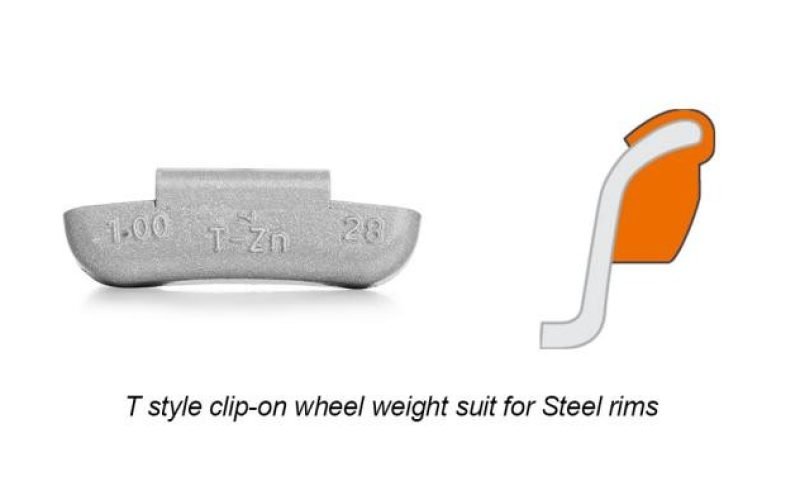
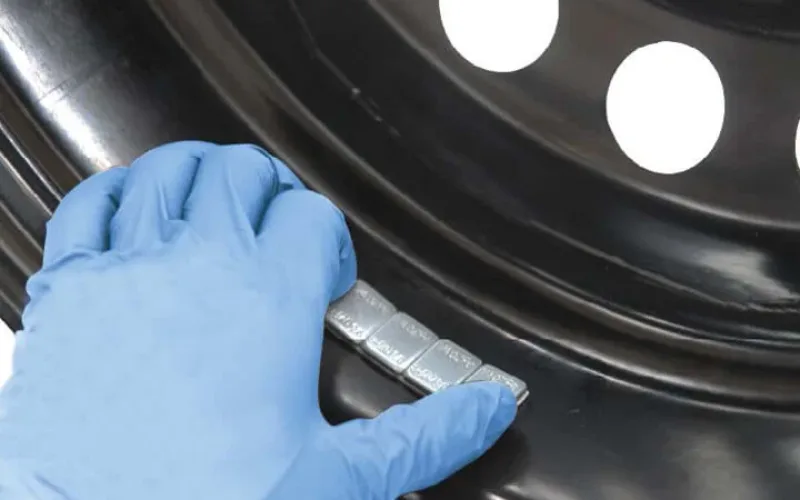
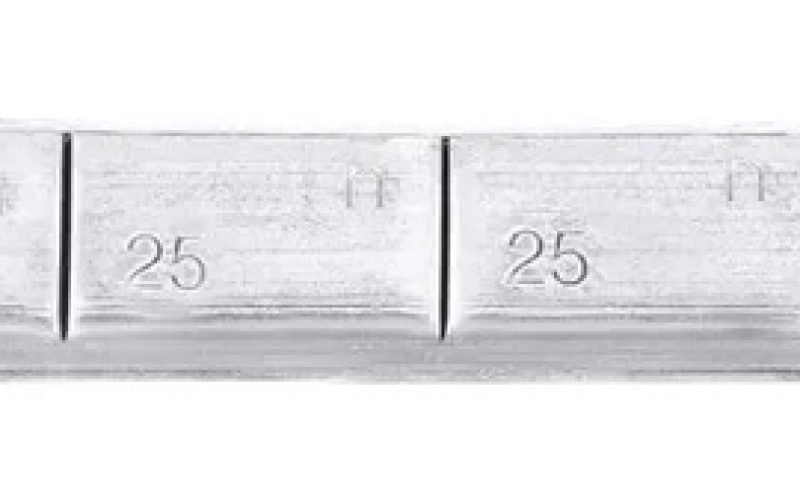
Wheel weights, which can be made from materials like lead, steel, or zinc, are used to ensure smooth wheel rotation. Adhesive weights, often found in strips or segments, are another common option for balancing. Though small in size, these parts are essential in determining how your vehicle performs on the road.
| Component Type | Material Used | Applications |
|---|---|---|
| Lead Wheel Weights | Lead | Passenger cars, light trucks |
| Non-Lead Wheel Weights | Steel, Zinc | Increasing use in OEM and aftermarket |
| Adhesive Weights | Steel | Available in strips and segments |
Being aware of the materials used in your wheel’s construction helps you make better decisions when upgrading or replacing components.
Unsprung weight refers to the parts of your vehicle that aren’t supported by the suspension, such as wheels, tires, and brakes. This weight significantly influences how your car handles, especially when cornering or navigating uneven surfaces. A higher unsprung weight increases the vehicle’s center of gravity, which can reduce stability and increase lateral acceleration. This may also reduce the tire’s contact with the road, impairing grip and control.
Reducing unsprung weight can greatly enhance performance. For instance, lowering it by 100 pounds can improve both handling and braking. Since unsprung weight affects both rotating and translating mass, it has a more substantial impact than sprung weight. Minimizing it results in smoother rides and better overall control.
Rotational mass is the weight of components that rotate, such as wheels and tires. This type of mass requires more energy to accelerate or decelerate, directly affecting your vehicle’s performance. Heavier wheels demand more power from the engine, slowing acceleration and increasing fuel consumption. Lighter wheels reduce engine strain, which improves both speed and fuel efficiency.
Interestingly, rotational mass has a greater impact than static weight. For example, one pound of rotational mass is equivalent to 1.5 times the sprung mass. This means that even small reductions in wheel weight can lead to noticeable improvements in acceleration, braking, and fuel economy. By opting for lightweight wheels, you can improve your vehicle’s performance without sacrificing safety.

The weight of your wheels is a critical factor in how your vehicle handles. Lighter wheels reduce unsprung weight, which enhances the suspension’s ability to respond to road irregularities. This leads to better handling and responsiveness, especially when turning sharply or driving on uneven surfaces. When wheels are lighter, your tires maintain better road contact, boosting grip and stability.
Additionally, reducing wheel weight also decreases rotational inertia, requiring less energy to change direction. This improves steering precision and responsiveness. For example, lighter wheels have been shown to improve cornering by allowing quicker deceleration from 30 mph to 5 mph, demonstrating how wheel weight impacts handling and control.
Tip: If handling and cornering responsiveness are your priorities, lighter wheels can make a significant difference, especially on winding roads or in high-speed situations.
The weight of your wheels plays a direct role in braking performance. Heavier wheels add to rotational mass, which means more force is required to slow down. This can place additional stress on your braking system and increase stopping distances, which can compromise safety, especially in emergencies. Lighter wheels, however, reduce the energy needed to decelerate, improving braking efficiency.
Research has shown that lighter wheels can enhance braking performance and reduce accident risk. For example, a reduction in total weight has been linked to lower fatal accident rates, particularly in situations requiring rapid braking or sudden stops. By opting for lighter wheels, you improve your vehicle’s braking response and safety.
Note: Ensure that your wheels are properly balanced. Imbalanced wheels can lead to uneven braking, which affects both safety and tire wear.
The weight of your wheels significantly influences both fuel economy and acceleration. Heavier wheels demand more energy from your engine to overcome their rotational mass, leading to higher fuel consumption and slower acceleration. Lighter wheels, in contrast, reduce strain on the engine, improving acceleration and fuel efficiency.
For example, swapping from steel wheels (weighing 65-68 lbs) to aluminum wheels (weighing 38-45 lbs) can save up to 30 lbs per wheel. This reduction adds up across all four wheels, improving overall performance. A 7 lb reduction in wheel weight could save up to 126 lbs across all positions on a tractor-trailer, showing how small weight changes can bring substantial improvements.
Did you know? Reducing rotational mass has a bigger effect on fuel economy than reducing static weight. Lightweight wheels are an excellent choice for drivers focusing on efficiency.

Your wheel weight affects your vehicle’s stability and control. Heavier wheels increase unsprung weight, making it harder for your suspension to absorb road irregularities. This reduces your ability to maintain control, particularly on uneven surfaces or during sharp turns. Lighter wheels, on the other hand, improve stability by allowing the suspension to react more effectively to road changes.
Proper wheel balancing is also crucial for maintaining control. Balanced wheels reduce vibrations, ensuring a smoother ride and better handling. When balanced, your vehicle moves in a straight line, which is vital for maintaining stability at high speeds or on slippery roads. By choosing the right wheel weights and ensuring proper balancing, you can enhance your driving experience and safety.
In emergency situations, the balance and weight of your wheels are key to maneuvering quickly and safely. Proper alignment ensures that your vehicle moves straight, which is essential for sudden changes in direction. Balanced wheels reduce vibrations, improving control during rapid braking or swerving.
For example, during a sudden stop, balanced wheels help distribute braking forces evenly, reducing the risk of skidding and enhancing your ability to stop quickly. Ensuring your wheels are properly balanced and aligned can significantly improve vehicle performance in critical situations.
Tip: Regularly check your wheel balance and alignment to ensure your vehicle is ready for unexpected situations.
The weight of your wheels impacts tire wear and durability over time. Heavier wheels put additional stress on your tires, accelerating tread wear and reducing tire lifespan. Lighter wheels reduce this strain, helping your tires last longer and perform better.
There’s a direct link between tire tread depth and wear rating. For every 1/32 inch increase in tread depth, the tread wear rating improves by approximately 20 points. By maintaining proper wheel weight and ensuring your tires aren’t overloaded, you can significantly extend their lifespan. Also, tires rated for higher speeds generally have lower tread wear ratings, so it’s important to select the right tires for your driving needs.
Wheel rim width also affects tire performance. Using rims that meet manufacturer specifications ensures optimal traction and minimizes stress on tire sidewalls. Deviation from these recommendations can cause tire distortion, reduced traction, and premature sidewall cracking. By choosing the right wheel weights and rim sizes, you can ensure maximum tire longevity.
Did you know? Well-maintained tires last longer, improving fuel efficiency and safety. Regularly inspect your tires for wear and ensure your wheels are balanced to get the most out of your investment.
Lightweight wheels provide several advantages that can significantly improve your driving experience. Their reduced rotational mass leads to quicker acceleration and more effective braking. This reduction in weight also improves steering responsiveness, making your vehicle easier to handle. Performance tests comparing heavy and lightweight wheels have shown that options like the Volk TE37 can reduce 0-60 mph times from 9.04 seconds to 8.61 seconds, highlighting the performance benefits of lightweight wheels.
However, lightweight wheels are not always the best choice for all situations. In racing conditions, deeper aero wheels often outperform lightweight wheels due to their aerodynamic advantages. These wheels excel in conditions where maintaining speed is more critical than acceleration, such as in criterium races. Additionally, lightweight wheels may not offer the durability needed for off-road driving or heavy loads. Weighing the pros and cons helps determine if lightweight wheels are suitable for your specific needs.
Your vehicle type plays a critical role in choosing the right wheel weight. Sports cars benefit from lightweight wheels for better acceleration and cornering. These vehicles experience less strain on their suspension, allowing for sharper handling. On the other hand, trucks and SUVs need standard wheels to support heavier loads and maintain stability. Lightweight wheels may lack the durability required for off-road use or towing.
Always consult your vehicle’s manual for recommended wheel weights and load ratings. This ensures your wheels match your vehicle’s specifications, optimizing performance and safety. Overloading lightweight wheels on heavy-duty trucks can lead to structural failure, endangering safety. Choosing the right wheels for your vehicle type ensures a smoother, safer driving experience.
Selecting the right wheel weight involves balancing performance, safety, and durability. Consider your driving habits when making a decision. If you prioritize acceleration and sharper steering, lightweight wheels are a great choice. They also reduce strain on suspension components, improving vehicle performance. However, for rough roads or heavy loads, standard wheels may be more suitable.
Here are some tips to help with your decision:
Unsprung weight plays a significant role in vehicle handling and braking. Even slight reductions in wheel weight can improve acceleration and fuel efficiency. By carefully evaluating your needs and following these tips, you can select wheels that enhance your driving experience.
Wheel weight is essential for your vehicle’s performance and safety. Choosing the correct weight improves handling, braking, and fuel efficiency, making your driving experience smoother and more reliable. Lightweight wheels offer considerable benefits, but ensure they align with your vehicle type and driving conditions.
Understanding wheel weight helps you make informed decisions for a safer and more efficient driving experience.
 Request a quote