Why Is EPDM Rubber Commonly Used in Automotive Tire Valve Stems?
 20Jul
20Jul 


In 2025, the reliability of a truck tire system no longer depends on a single component. A durable fortune tire valve works together with precision valve cores and properly sealed valve caps to maintain stable air pressure under heavy loads and long-haul conditions. When these parts function as an integrated sealing system, fleets experience fewer pressure losses, better operational efficiency, and improved safety margins across varied road environments.
Modern truck tyre valve stems are engineered to withstand higher pressures, temperature fluctuations, and compatibility demands from digital monitoring systems. Reliability today is defined not only by material strength, but by sealing integrity and system compatibility.
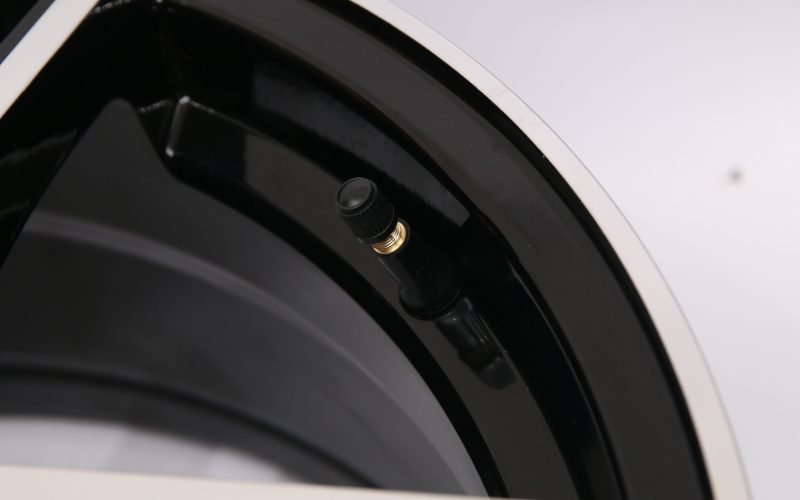
Accurate inflation pressure remains one of the most important factors in commercial vehicle performance. The valve stem serves as the primary air gateway, allowing controlled inflation and deflation while maintaining an airtight seal during operation.
When tire pressure stays within specification:
Even minor pressure deviations can increase fuel usage and accelerate tread wear. For heavy-duty trucks operating near maximum load capacity, small pressure losses compound over long distances.
A properly constructed tire valve stem, combined with high-quality valve cores, ensures consistent internal sealing. In fleet environments, integration with TPMS systems allows early detection of slow leaks before they develop into operational failures.
Air retention is the fundamental safety function of any valve assembly. Most gradual air losses originate from compromised sealing areas—damaged cores, worn rubber bases, corroded metal stems, or missing caps.
Common failure triggers include:
Valve caps, often underestimated, serve as secondary seals. When properly tightened, they prevent dirt intrusion and provide backup sealing protection in case of minor core leakage.
For long-haul trucks, even slow pressure loss can generate excessive heat buildup, increasing the risk of casing damage or blowouts. Maintaining a complete and intact valve system significantly reduces that risk.

Material selection directly influences durability. In 2025, high-performance truck valve stems typically feature:
| Feature | Description |
|---|---|
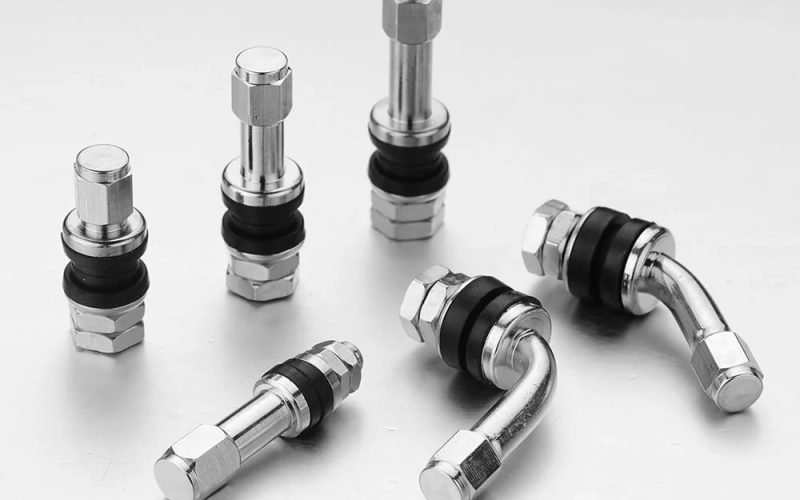
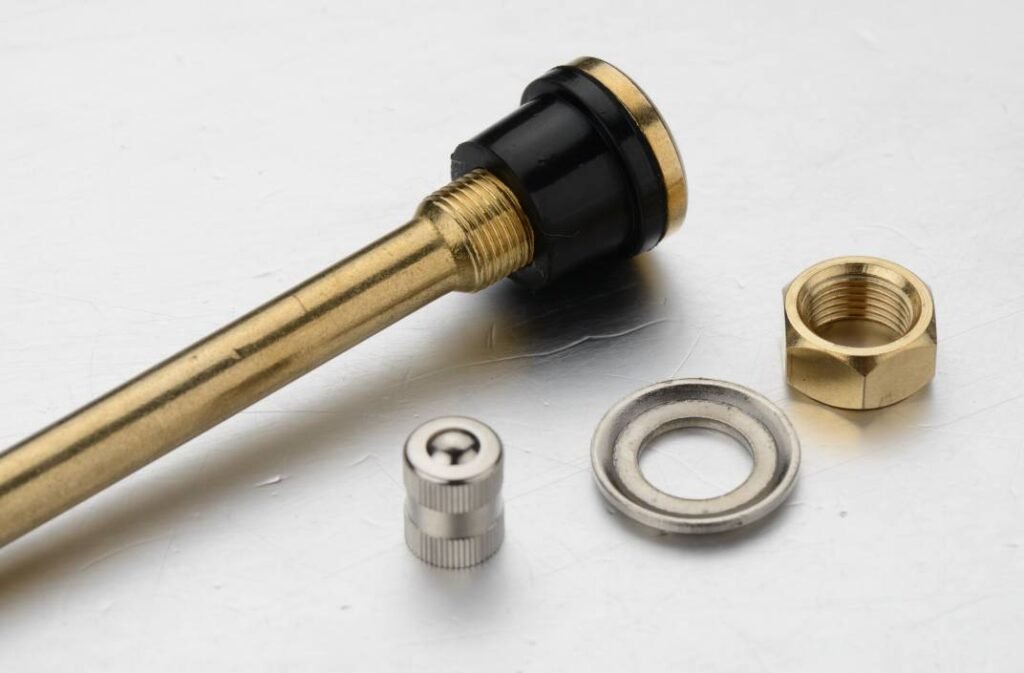
| Metal Construction | Brass or treated steel for corrosion resistance and high-pressure stability |
| Nickel-Plated Valve Cores | Improved heat tolerance and reduced oxidation |
| EPDM Rubber Seals | Superior resistance to ozone, chemicals, and temperature extremes |
| Reinforced Base Design | Improved sealing under vibration and heavy load conditions |
Brass remains widely used due to its resistance to rust and long-term dimensional stability. EPDM rubber outperforms natural rubber in aging resistance, especially in extreme climates.
Lower-grade rubber stems may suffice for light-duty vehicles, but heavy commercial trucks require higher pressure ratings and structural rigidity.
Commercial truck tires frequently operate between 90–120 psi, with certain applications exceeding these values. Valve stems must meet or exceed the tire’s maximum rated pressure.
Key considerations:
Using an under-rated valve stem increases the probability of deformation, leakage, or catastrophic failure under sustained pressure cycles.
Digital fleet management has reshaped valve stem design. Many modern trucks use integrated Tire Pressure Monitoring Systems (TPMS) that require specific stem configurations.
Reliable valve stems for 2025 must:
Metal clamp-in stems often offer better long-term stability for TPMS-equipped fleets, especially under high-speed and high-temperature operation.
Truck valve assemblies operate in highly aggressive environments:
Temperature fluctuations cause internal pressure variation, stressing both the rubber base and the valve core seal. Road salt accelerates corrosion in untreated metals. High-quality coatings and material selection reduce degradation over time.
A well-designed valve system maintains sealing performance across wide temperature ranges, typically from -40°F to above 200°F depending on application.
Fleet digitization has increased demand for smart valve solutions. Integrated sensors now transmit real-time pressure and temperature data directly to telematics systems.
Advantages include:
Digital integration transforms the valve stem from a passive sealing component into an active data source.
Recent engineering improvements focus on reinforcing the sealing interface between the valve core and stem body.
Innovations include:
| Innovation | Function |
|---|---|
| Reinforced Core Housing | Prevents deformation under high pressure |
| Improved Core Spring Design | Maintains consistent sealing force |
| Corrosion-Resistant Plating | Extends service life in harsh climates |
| Secondary Seal Valve Caps | Provide backup air retention |
These enhancements collectively reduce micro-leak risks and improve long-haul reliability.
Correct specification matching is essential.
Important parameters include:
Incorrect fitment can cause slow leaks, uneven wear, or TPMS malfunction. Professional installation ensures proper seating and torque application.
Regular inspections reduce unexpected failures. Recommended practices include:
Tracking inflation data over time helps detect subtle sealing deterioration.
Replace valve stems if you observe:
Early replacement prevents secondary tire damage.
Routine cleaning removes contaminants that compromise sealing surfaces. Mild soap solutions and soft brushes effectively remove debris without damaging rubber components.
Preventive replacement during tire changes is considered best practice in commercial maintenance programs.
Reliable manufacturers typically maintain:
Consistent quality control reduces variability in sealing performance.
While low-cost stems reduce initial expense, lifecycle cost analysis often favors higher-grade materials.
| Factor | Low-Cost Option | High-Quality Option |
|---|---|---|
| Lifespan | Shorter | Extended service life |
| Corrosion Resistance | Limited | High |
| Pressure Stability | Moderate | Superior |
| Leak Risk | Higher | Lower |
For fleets, reliability directly influences downtime costs and operational efficiency.
Frequent issues include:
Each oversight increases the likelihood of air retention failure.
Reliable truck tyre valve stems in 2025 combine high-grade materials, engineered sealing systems, digital compatibility, and proper installation practices. A complete valve assembly—including the tire valve body, durable valve cores, and secure valve caps—forms a critical pressure management system for heavy-duty vehicles.
When fleets prioritize specification matching, environmental resistance, and preventive maintenance, they reduce downtime, extend tire life, and improve operational safety across long-haul and heavy-load applications.
Brass and EPDM rubber offer strong corrosion resistance and long-term elasticity, making them suitable for high-pressure commercial applications.
Best practice is to replace valve stems during every tire change or immediately upon visible damage.
Metal clamp-in stems typically provide higher pressure ratings and improved structural rigidity for heavy-duty use.
Yes. Properly fitted valve caps act as secondary seals and protect valve cores from contamination, improving overall air retention reliability.
 Request a quote