Why Is EPDM Rubber Commonly Used in Automotive Tire Valve Stems?
 20Jul
20Jul 

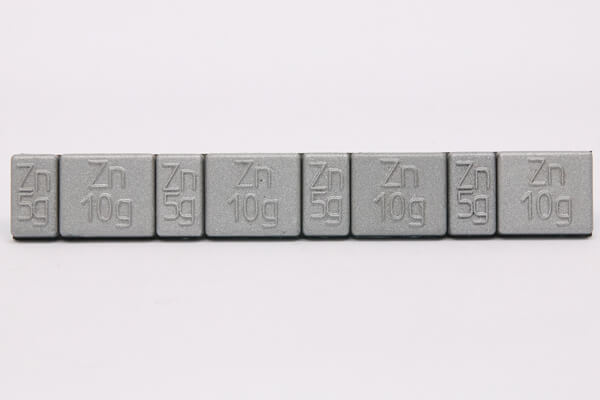
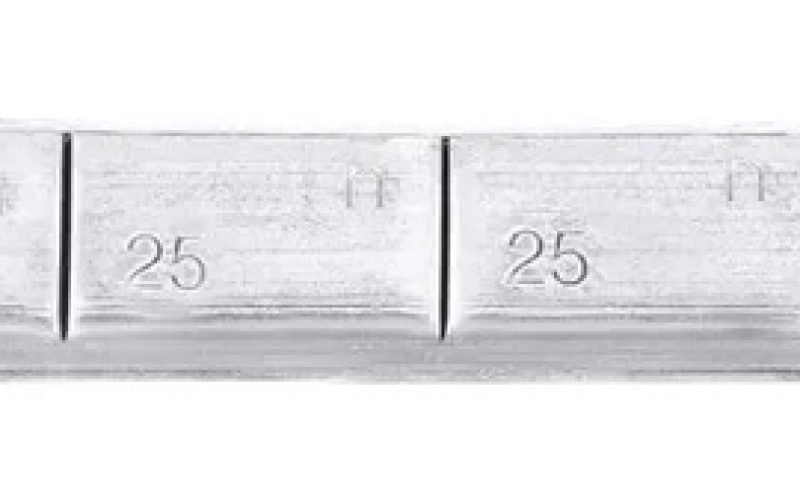
In modern tire service operations, stick on wheel weights, traditional clip types, and upgraded zinc adhesive wheel weights are the primary categories used to correct imbalance in rotating assemblies. As wheel designs evolve and regulatory pressure reduces the use of lead, manufacturers must balance performance, corrosion resistance, installation efficiency, and material compliance when selecting wheel weights.
From a production perspective, the choice between adhesive and clip systems is not aesthetic alone; it directly relates to rim structure, operating conditions, and long-term retention reliability. fortune manufactures both adhesive and clip wheel weights with controlled gram tolerance and coating validation to meet global aftermarket and OEM supply requirements.
Wheel weights are corrective mass components installed on a wheel rim to offset uneven weight distribution in the tire–wheel assembly. Even small imbalance generates centrifugal force variation at speed, leading to vibration, steering instability, and irregular tread wear.
Balanced rotation contributes to:
As vehicle speeds and wheel diameters increase, precision in balancing becomes more critical. Tolerance control at the gram level is standard in current manufacturing.
Imbalance typically presents through measurable mechanical symptoms:
When these symptoms appear, inspection of existing wheel weights and dynamic rebalancing is recommended. In many cases, dislodged adhesive segments or corroded clip weights are the root cause.
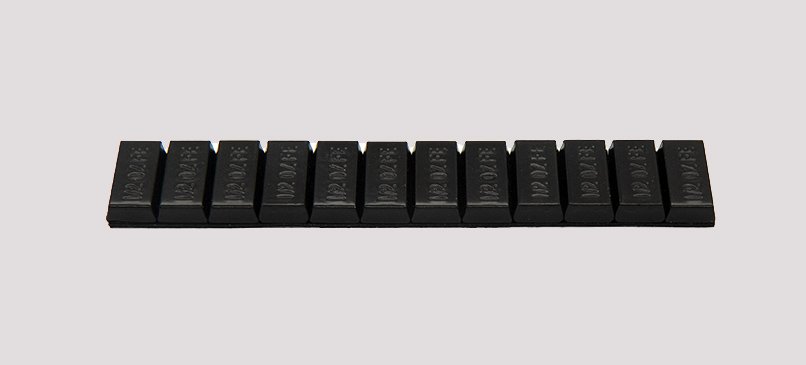
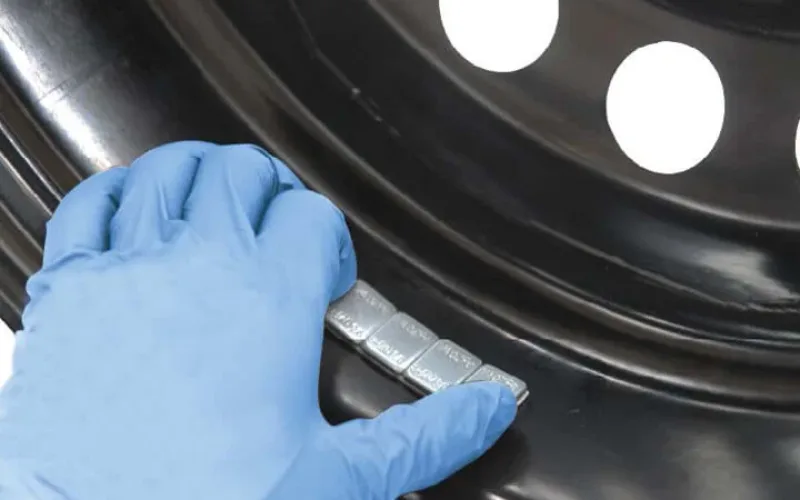
Stick-on wheel weights are segmented metal strips with industrial adhesive backing. They are installed on the inner barrel surface of the rim rather than on the flange edge. Materials commonly include steel or zinc, with zinc adhesive wheel weights increasingly adopted due to environmental compliance requirements.
Each segment is calibrated for precise incremental adjustment, allowing accurate dynamic balancing.
fortune produces adhesive weights with automated lamination and peel-strength testing to ensure bond consistency under temperature cycling and centrifugal force.
Adhesive systems offer several technical benefits:
For low-profile tires and large-diameter alloy wheels, internal positioning improves correction accuracy. Because the weights are cuttable into small segments, fine-tuning balance becomes more precise.
Modern adhesive formulations maintain shear resistance under:
Adhesive retention depends on:
If improperly installed, adhesive degradation may occur under extreme heat or continuous vibration. Routine inspection during tire rotation intervals reduces the risk of unnoticed detachment.

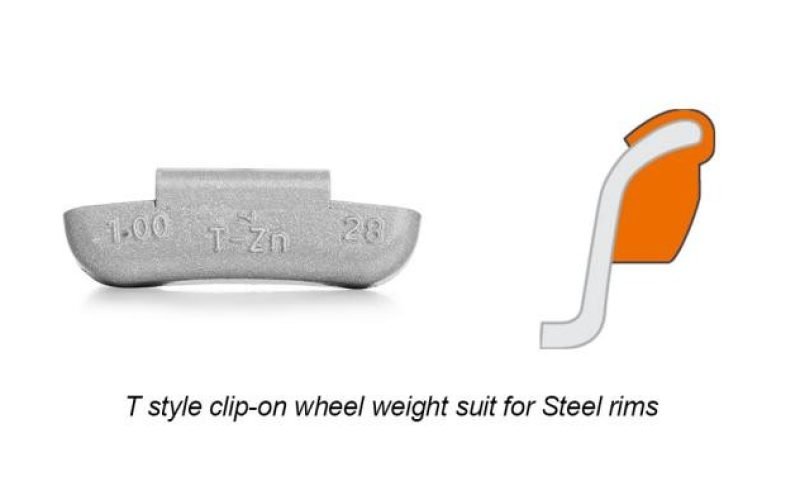
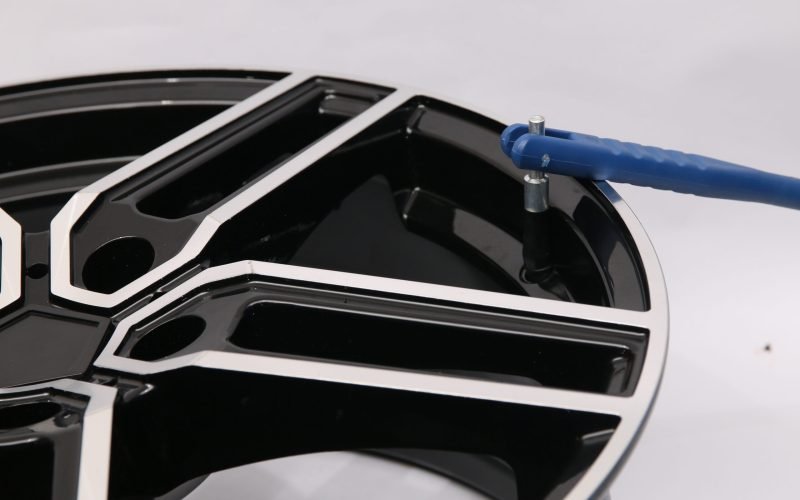
Clip wheel weights attach mechanically to the rim flange using a formed metal clip. They are commonly used on steel wheels and heavy-duty applications.
Material evolution has shifted from lead to zinc, steel, and composite alternatives to comply with environmental directives. Zinc variants provide corrosion resistance while maintaining required density.
Mechanical attachment provides:
Clip weights are widely used in commercial fleets and vehicles operating in rugged environments.
Corrosion-resistant coatings, including epoxy and advanced plating, improve durability under salt exposure. fortune applies coating thickness control and salt spray validation to maintain consistent surface protection.
Clip systems may:
For high-end alloy rims, visible clip weights may not meet appearance requirements.
Clip weights typically provide stronger retention in severe environments due to mechanical engagement. Adhesive weights rely on bonding integrity, which performs reliably when installation standards are followed.
For controlled road conditions, properly installed zinc adhesive wheel weights demonstrate stable long-term performance.
Stick-on weights require:
Clip weights require:
Installation error, rather than product type, is often the primary cause of retention failure.
Adhesive weights remain hidden inside the barrel and preserve wheel appearance. Clip weights remain visible along the rim edge.
For alloy and premium wheels, stick on wheel weights are generally preferred. For steel wheels where function outweighs appearance, clip weights remain standard.
Under rugged terrain and high vibration:
Under high heat exposure:
Properly engineered adhesive systems withstand standard operating conditions, but heavy-duty off-road vehicles often favor clip retention.
Alloy wheels and flangeless rims are better suited to adhesive weights. Steel wheels and commercial vehicles frequently use clip systems due to structural compatibility and cost efficiency.
High-performance vehicles may use adhesive systems for precision placement and aerodynamic cleanliness. Off-road trucks commonly use clip weights for vibration resistance.
Lead weights are being phased out globally due to toxicity concerns. Zinc adhesive wheel weights and coated steel alternatives now dominate production. Zinc provides:
fortune manufactures lead-free adhesive and clip solutions aligned with EU and North American environmental standards.
When selecting wheel weights, evaluation should include:
Balancing accuracy depends not only on weight type but also on gram tolerance consistency, coating durability, and correct installation procedure.
Stick-on and clip wheel weights serve the same functional objective—correcting imbalance—but differ in retention method, compatibility, and environmental adaptability.
Adhesive systems provide precise placement, improved compatibility with alloy wheels, and discreet installation. Clip systems offer robust mechanical retention suited for heavy-duty or rugged conditions.
Material evolution toward zinc and coated steel reflects industry movement away from lead while maintaining performance requirements.
Through controlled stamping, adhesive lamination validation, and corrosion testing, fortune supplies both adhesive and clip wheel weights engineered for stable retention, regulatory compliance, and consistent balancing performance across passenger, commercial, and performance vehicle platforms.
Stick-on weights require a clean wheel surface. Use alcohol or a degreaser to remove dirt and grease. Peel off the adhesive backing and press the weight firmly onto the wheel. Ensure proper placement for accurate balance. Regularly check adhesion for long-term performance.
Tip: Avoid installing weights in extreme temperatures to prevent adhesive failure.
Clip-on weights may scratch or dent alloy wheels during installation. Their mechanical grip can cause minor rim damage over time. If you use alloy wheels, stick-on weights offer a safer alternative.
Note: Professional installation minimizes the risk of damage.
Inspect wheel weights during routine tire maintenance or every 6 months. Look for signs of loosening, corrosion, or detachment. Regular checks ensure balanced wheels and prevent uneven tire wear.
Recommendation: Check weights after driving in extreme conditions like heavy rain or rugged terrain.
Stick-on weights may detach under constant vibrations or impacts from uneven terrain. Off-road vehicles benefit more from clip-on weights due to their secure mechanical grip.
Advice: Choose clip-on weights for rugged environments to ensure reliable performance.
Lead wheel weights harm the environment due to their toxicity. Many manufacturers now use eco-friendly materials like zinc or polymer composites. These alternatives reduce environmental impact while maintaining performance.
Fact: Lead-free weights comply with global environmental regulations, including EU directives.
 Request a quote