Why Is EPDM Rubber Commonly Used in Automotive Tire Valve Stems?
 20Jul
20Jul 

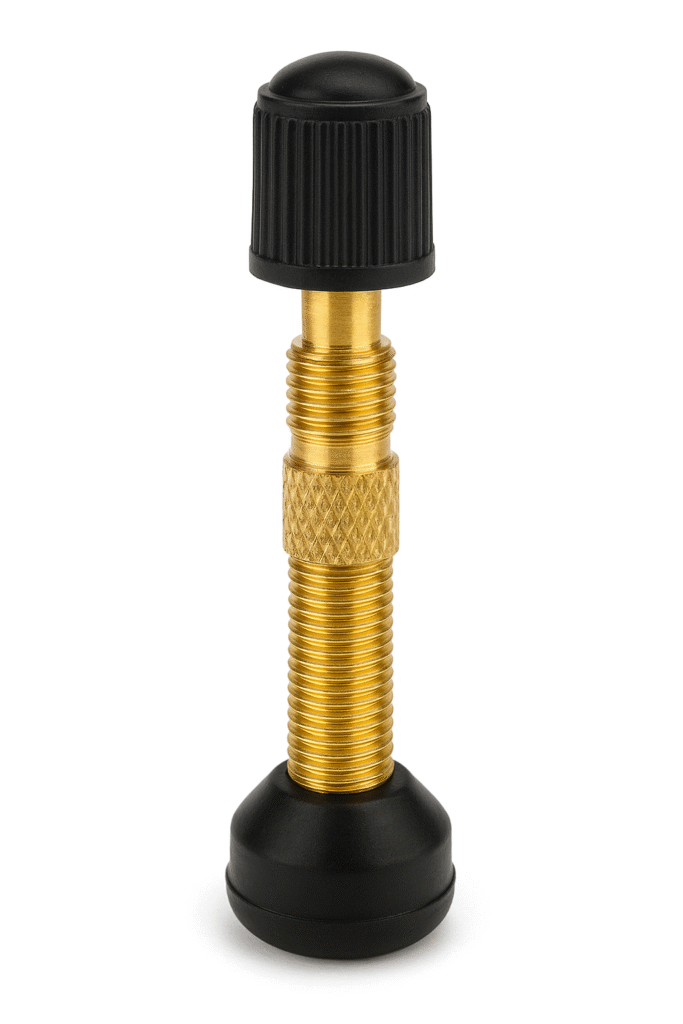
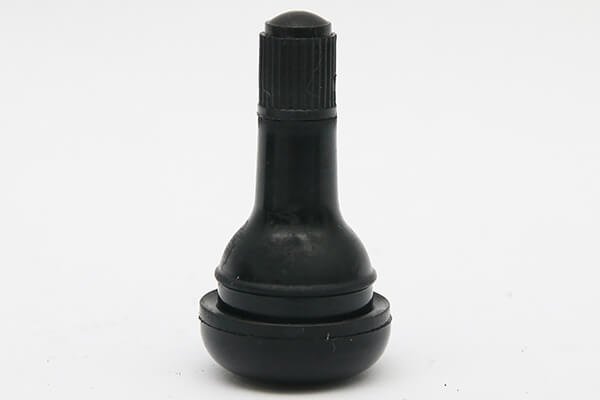
When it comes to tire safety in 2025, rubber valve stems are standing out as a reliable tire valve choice. Rubber offers better protection against corrosion, unlike metal valve, which can rust over time. Additionally, rubber can flex when bumped, offering more durability under pressure. Many drivers find that rubber valve stems are easier to maintain, keeping tires safe and air-tight. Whether you’re driving daily or dealing with tough road conditions, rubber valve stems provide consistent protection for your tires.
Rubber and metal valve stems each have unique longevity traits. Rubber valve stems are known for being flexible and easy to install, typically lasting as long as your tires. However, rubber can dry out or crack over time, particularly in hot, sunny climates. You can expect these valve stems to last years under normal conditions, but they eventually need replacement.
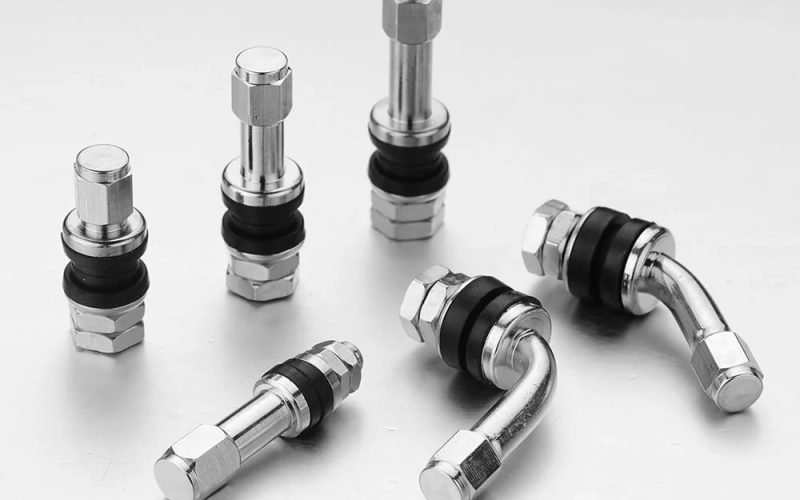
On the other hand, metal valve stems, often made from brass or aluminum, offer greater strength and longevity, lasting up to ten years or more with proper care. Metal stems are ideal for heavy-duty or high-performance vehicles as they can handle more pressure and heat. However, they do require regular inspection for corrosion, particularly in wet or salty environments. If you maintain them well, metal stems can outlast rubber ones.
Rubber valve stems are inherently resistant to rust and corrosion caused by moisture, snow, or road salt. They are an excellent choice if you live in areas with harsh winters or high humidity, as they don’t rust like metal. In fact, many car manufacturers prefer rubber snap-in valve stems over metal, given their superior performance in wet weather.
Metal valve stems, like aluminum and brass, can corrode over time when exposed to salty or wet conditions. Corrosion can cause metal valve stems to stick to the wheel rim, potentially leading to leaks. Regular maintenance and cleanings are required to keep them in top condition, particularly in areas with heavy road salt. While rubber doesn’t corrode, it can still degrade due to prolonged exposure to UV rays, making it brittle.
Tip: Always replace the service kit when you change your tires. This helps prevent leaks and keeps both rubber and aluminum stems in working condition.

Both rubber and metal valve stems can develop leaks, but for different reasons. Rubber valve stems are more likely to crack due to extreme temperatures or damage if the valve cap is missing. Exposure to dirt and moisture can cause slow leaks or air loss. If the rubber begins to crack or feels stiff, it’s time to replace it.
Metal valve stems, particularly those made of aluminum, can develop leaks due to corrosion or damage from metal valve caps. Metal caps can sometimes react with the stem, causing breakage or sticking. This risk increases if you’re using metal valve caps, which can also result in damage or leaks. Moreover, metal valve stems lack the flexibility of rubber, making them more vulnerable to hard hits from curbs or debris.
A driver once shared that after driving for a few hours, a rubber valve stem started leaking due to flexing. Switching to a metal valve stem solved the problem, especially when using TPMS sensors.
Regular inspection and using plastic valve caps can help prevent most leaks. Always replace any damaged valve stem immediately to maintain tire safety.
Routine checks for rubber valve stems are crucial for keeping your tires safe. Inspect them once a month, especially during tire tread checks or tire rotations. Look for cracks or discoloration, which can be signs of aging. Clean the valve stems with a damp cloth to remove dirt and dust. Additionally, using plastic valve caps can prevent moisture from entering and causing leaks. A light coating of silicone-based lubricant once a year can also extend the life of rubber stems. If you park outside often, consider keeping your vehicle in a garage to protect the rubber from UV damage.
Tip: Handle valve stems gently when checking tire pressure to avoid damaging the rubber and causing leaks.
Metal valve stems require regular inspection for cracks, corrosion, or damage, especially in wet or salty conditions. Always use plastic valve caps since metal caps can cause corrosion if they stick to the stem. During tire changes, ask a professional to inspect the sealing components like grommets and O-rings. Always ensure the valve stems are installed with proper torque to prevent air leaks. For heavy-duty vehicles, check that the valve cores are rated for high temperatures. Lubricating the threads and O-rings with anti-corrosive compounds can help prevent rust.
Both rubber and metal valve stems can face issues that affect tire safety. Rubber valve stems may crack from heat or sunlight, leading to slow leaks or even sudden deflation. Metal valve stems, while tough, can corrode, particularly in cold weather due to road salt. If a valve cap is missing, dirt and moisture can seep into the valve, causing leaks. Sometimes, metal caps can fuse with the stem, complicating air pressure checks. Improper installation of either stem type can also cause poor sealing and leaks. Regular checks and timely replacements are essential for preventing flat tires and maintaining tire pressure.
The material of your valve stem plays a big role in air retention. Rubber valve stems are flexible and form tight seals but can wear out over time, leading to slow leaks. Metal valve stems handle higher pressure better and resist heat, ensuring strong seals and reduced air loss. For vehicles with TPMS sensors, metal valve stems are often the preferred choice, as they are better suited to work with sensors and resist deflection.
Tip: Always check your tire pressure every month. If you notice a drop, inspect your valve stems for cracks or corrosion.
Your valve stem directly impacts how your tires wear and how well your vehicle handles. A leaky valve stem leads to low tire pressure, which causes uneven tire wear and can affect your car’s handling. You might notice the vehicle pulling to one side or struggling for grip on wet roads.
Your choice of valve stem should match your driving conditions. Whether you’re driving in extreme heat, cold temperatures, or on rough terrain, your valve stem material will determine how well your tires perform.
| Driving Condition / Vehicle Type | Recommended Valve Stem Material | Pressure Rating | Temperature Rating |
|---|---|---|---|
| Passenger Vehicles | Rubber valve stems | Up to 65 psi | -40°F to 180°F |
| Heavy-Duty Trucks | Metal valve stems | Up to 200 psi | -65°F to 250°F |
| Motorcycles | Rubber valve stems | Up to 65 psi | -40°F to 180°F |
| Tractors and Off-Road Vehicles | Metal valve stems | 100+ psi | Suitable for extreme temperatures |
If you’re looking for a reliable, low-cost option for everyday driving, rubber valve stems are a great choice. They are easy to install and provide solid performance for most passenger vehicles and motorcycles. Rubber valve stems handle typical tire pressures well and resist corrosion, making them a solid option for normal use.
Tip: Always check for cracks or dryness, especially if you park outside in the sun.
For heavy-duty vehicles, high-performance cars, or those with TPMS sensors, metal valve stems are the better choice. They handle higher tire pressures and resist heat better than rubber. If you drive at high speeds or use heavy vehicles, metal valve stems provide superior strength and longevity.
Tip: Ensure you use the correct torque to secure metal stems and prevent leaks.
Passenger cars typically use rubber valve stems for ease of installation and affordability. For trucks and high-performance vehicles, metal valve stems are the preferred choice due to their ability to handle higher pressure and extreme conditions.
Pro Tip: Regular maintenance, proper installation, and selecting the right stem for your driving needs will ensure longer-lasting tires and optimal vehicle performance.
You can use both types on one vehicle, but it’s best to match them for balance and safety. If you drive a heavy-duty truck, stick with metal stems. For most cars, rubber stems work well.
You should replace valve stems every time you get new tires. If you see cracks, rust, or leaks, change them right away. Most rubber stems last as long as your tires, while metal stems can last longer with good care.
Yes, they do. Metal valve stems often work better with TPMS sensors because they handle the sensors’ weight and pressure. Rubber stems also work, but always check your car’s manual for the best match.
The most common reasons are cracks in rubber, corrosion on metal, or missing valve caps. Dirt and moisture can sneak in and cause slow leaks. Always keep valve caps tight to protect your stems.
Tip: Check your valve stems when you check tire pressure. Catching problems early keeps your tires safe!
 Request a quote