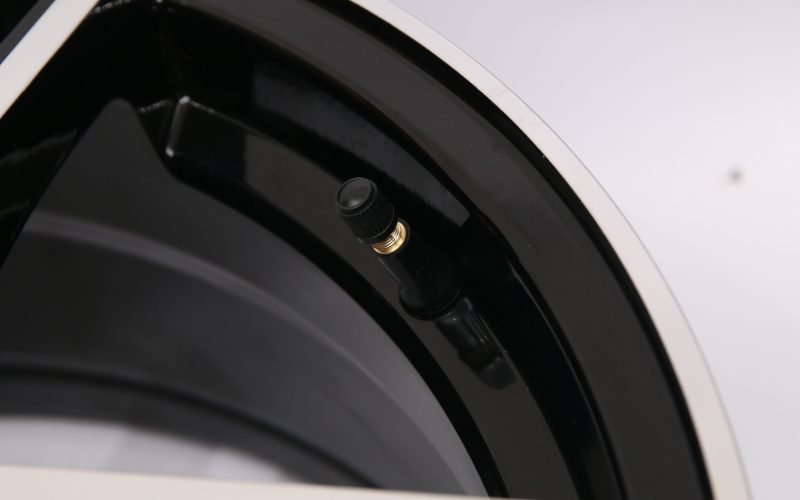
The parts of tire valve help you maintain tire pressure and keep your vehicle safe. You will find four main components in every tire valve:
Each part works together to keep your tires performing at their best.

You will find the tire valve stem as the main body of the valve assembly. This part connects the inside of the tire to the outside air. When you inflate or deflate your tire, you use the valve stem. It holds the valve core and provides a passage for air to move in or out.
Manufacturers use different materials to make tire valve stems. Each material offers unique benefits for durability and performance. Here is a table that shows the most common materials and their properties:
| Material | Properties | Durability Impact |
|---|---|---|
| Rubber | Flexible, cost-effective, easy to replace | Wears out faster, susceptible to UV deterioration, not suitable for high pressure |
| Aluminum | Lightweight, strong, corrosion-resistant | More durable than rubber, but can be damaged by impacts |
| Brass | Strong, corrosion-resistant, reliable | Highly durable, withstands high pressures, but heavier than rubber and aluminum |
You should choose the right material based on your driving needs. Rubber stems work well for everyday cars. Aluminum and brass stems suit vehicles that need higher strength or face tough conditions.
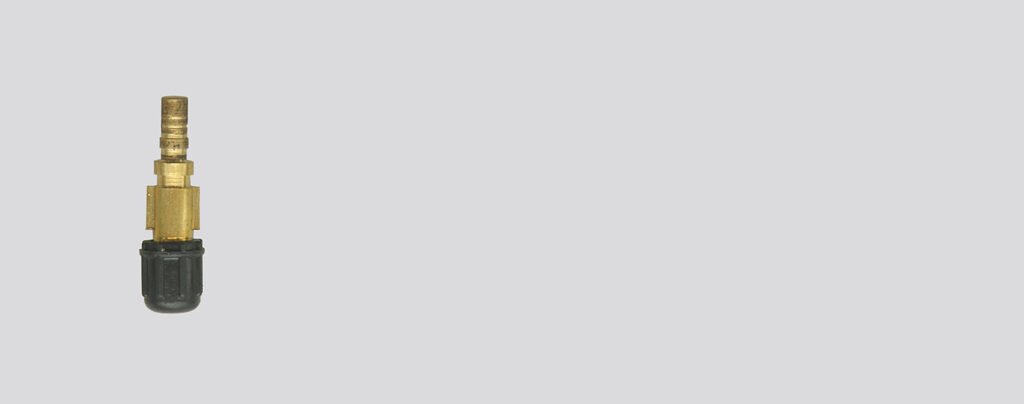
The valve core sits inside the valve stem. This small but important part keeps air sealed inside your tire. When you press the pin in the center, air can move in or out. When you release it, the core springs back and seals the opening.
You should know that the average lifespan of a valve core depends on the type and your driving habits. Here are some general guidelines:
If you notice slow leaks or trouble holding air, the valve core may need replacement. Regular checks help you avoid unexpected tire problems.
The valve cap covers the end of the valve stem. Many people think it is just a dust cover, but it does much more. The valve cap protects the valve core from dirt, debris, and moisture. This keeps the core working well and helps prevent air leaks.
Tip: Always replace missing valve caps. Even a small amount of dirt or water can cause the valve core to stick or corrode.
Valve caps also act as a barrier against road salt and grime. Without a cap, water and dirt can get inside and damage the valve core. This may lead to leaks and costly repairs. By keeping the cap on, you help your tire stay properly inflated and safe for driving.
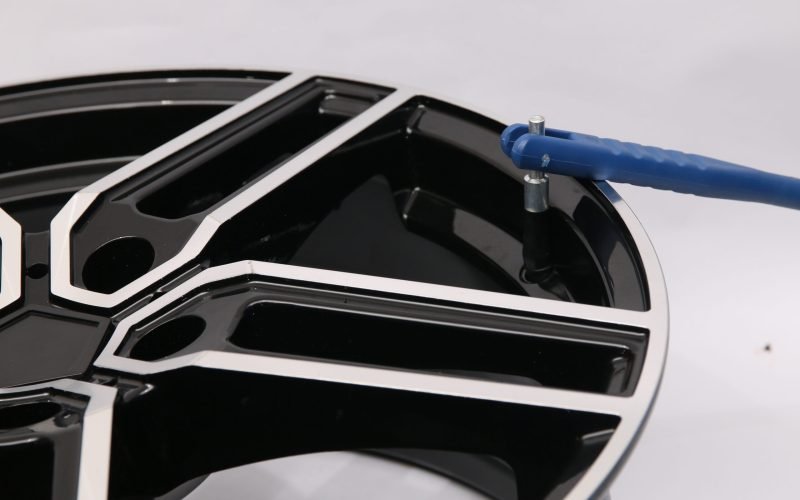
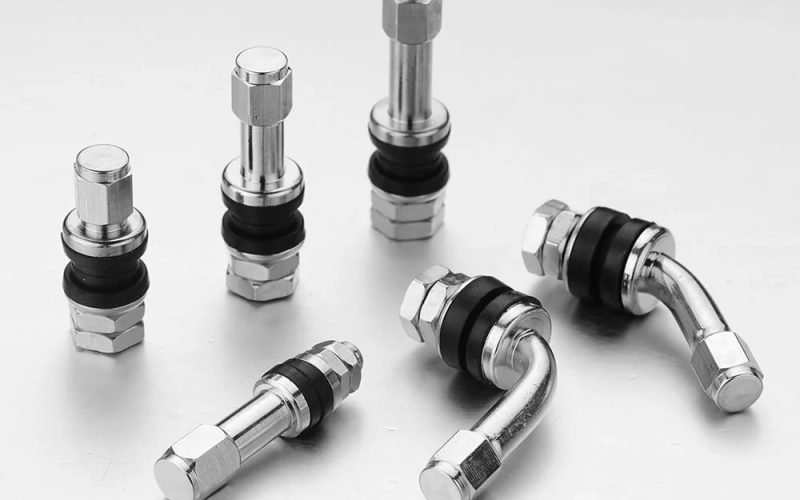
You may find it hard to reach the tire valve on some wheels. This problem often happens with deep rims, dual wheels, or custom wheel covers. A valve extension helps you solve this issue. It attaches to the valve stem and makes the valve longer. You can inflate or check your tire pressure without struggling.
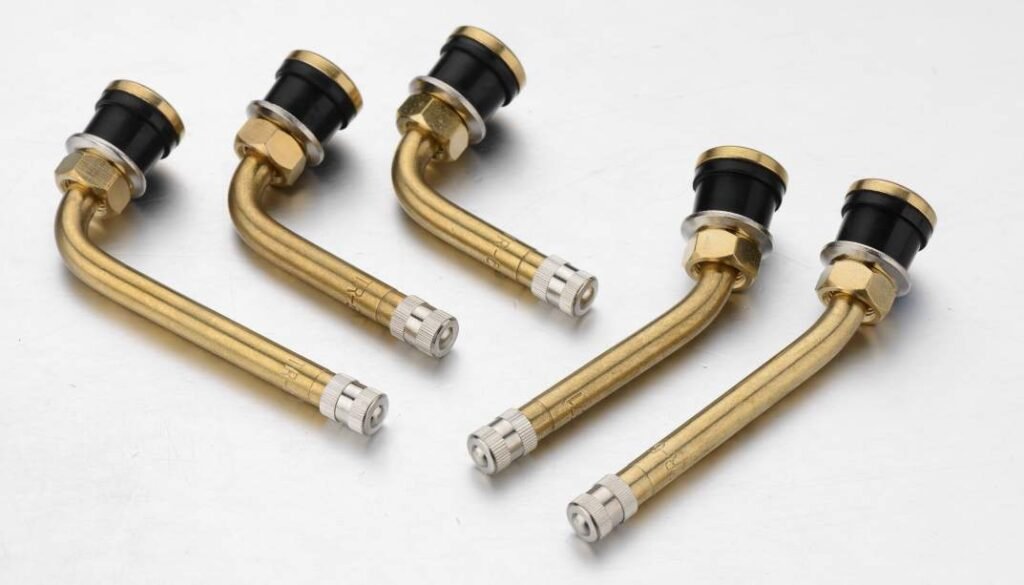
Valve extensions come in different shapes and sizes. You can choose straight, angled, or flexible types. Each style fits a specific need. Here is a table that shows the main types and their uses:
| Type | Best Use Case | Material Options | Length Range |
|---|---|---|---|
| Straight | Easy access for standard wheels | Metal, Rubber | 1″ to 6″ |
| Angled | Dual wheels, tight spaces | Metal | 45°, 90° angles |
| Flexible | Hard-to-reach valves, custom wheels | Braided Metal, Nylon | 4″ to 12″ |
Tip: Always check the length before you buy a valve extension. If you pick the wrong size, you may not reach the valve or the extension may not fit your wheel.
You should use valve extensions if you drive trucks, RVs, or vehicles with dual rear wheels. These vehicles often have valves hidden behind wheel covers or deep inside the rim. A valve extension saves you time and effort during tire maintenance.
Valve extensions use strong materials like brass, steel, or reinforced rubber. These materials resist bending and breaking. You get better durability and safety. Some extensions have built-in seals to prevent air leaks. Others use a simple screw-on design for quick installation.
When you install a valve extension, make sure it fits tightly. Loose extensions can cause slow leaks. You should check for air leaks after installation. Use soapy water and look for bubbles around the connection.
Here are some steps you can follow to use a valve extension:
Note: Valve extensions do not replace regular valve maintenance. You should inspect them often for cracks, bends, or leaks.
Valve extensions make tire care easier. You save time and avoid frustration. You also keep your tires at the right pressure, which helps you drive safely. If you choose the right extension and install it correctly, you get reliable performance and longer tire life.
You rely on the tire valve stem every time you check or adjust your tire pressure. This part of the tire valve acts as the main gateway for air to enter or leave your tire during inflation or deflation. The tire valve stem keeps your tire sealed so air does not escape while you drive. Here is how it works:
When you press an air pump onto the valve stem, you allow air to flow into the tire. After you finish tire inflation, the stem and core work together to keep the air locked inside. This process helps you maintain safe driving conditions and extends the life of your tires.
You find the valve core inside the valve stem. This small part controls the flow of air during inflation. The valve core opens when you add air and closes tightly to prevent air from leaking out. It acts like a gatekeeper for your tire pressure. If the valve core does not seal well, you may notice slow leaks or flat tires. The valve core helps you keep your tires properly inflated and safe for driving. It also prevents air loss, which can affect your vehicle’s handling and fuel efficiency.
You might think the valve cap is just a simple cover, but it does much more. The valve cap seals the valve core and blocks water, dirt, and debris from entering the valve stem. This protection is important because dirt or moisture can damage the valve core and cause leaks. The valve cap also helps protect tire pressure monitoring sensors attached to the valve stem. By keeping the valve cap in place, you reduce the risk of air leaks and keep your tire inflation steady. Always check that your valve caps are secure after you finish tire maintenance.
You may find tire valves hard to reach on some vehicles. Valve extensions help you solve this problem. You attach a valve extension to the valve stem. This makes it easier to check air pressure or add air. You do not need special tools for this process. You can use valve extensions on cars, trucks, RVs, and trailers.
Valve extensions work best in these situations:
You save time during tire maintenance when you use valve extensions. You avoid struggling with hard-to-reach valves. You also reduce the risk of damaging the valve stem during air checks or replacement.
Tip: Always choose a valve extension that matches your valve stem type. Schrader and Presta valves need different extensions.
Here is a table to help you decide when to use valve extensions:
| Vehicle Type | Common Need for Extension | Reason for Extension |
|---|---|---|
| Passenger Car | Sometimes | Deep rims or covers |
| Truck/RV | Often | Dual wheels, hidden valves |
| Trailer | Often | Spare tire access |
| Motorcycle | Sometimes | Custom wheels |
You should inspect valve extensions during every tire check. Look for cracks, bends, or leaks. If you see damage, plan for replacement. Damaged extensions can cause slow leaks or make air checks difficult.
Valve extensions do not replace regular valve stem maintenance. You still need to check the valve stem and core for wear. If you notice air loss, consider replacement of the extension and the valve stem. Reliable valve extensions help you keep your tires at the right pressure. This improves safety and extends tire life.
Note: Valve extensions are easy to install and remove. You can perform replacement without special skills.
You will find several tire valve stem types on the market. Each type fits a specific need and vehicle. Knowing the differences helps you choose the right valve for your tires.
Schrader valve stems are the most common type you see on cars, trucks, and many bicycles. You can spot them by their wide, sturdy design and spring-loaded pin. These valves work well with lower tire pressures and are easy to use. You can inflate them with most air pumps at gas stations.
Many vehicles use rubber snap-in valve stems with Schrader valves. These stems are flexible and simple to install. You can also find metal clamp-in valve stems for heavy-duty use. Metal stems offer extra strength for trucks and commercial vehicles.
Here is a table that shows how Schrader and Presta valves compare:
| Feature | Schrader Valves | Presta Valves |
|---|---|---|
| Design | User-friendly, spring-loaded pin, larger hole | Slim, lightweight, fits narrow rims |
| Applications | Cars, bikes, machines | High-performance road bikes |
| Pressure Handling | Best for lower pressures | Excellent for high pressures |
| Common Use | Mountain bikes, kids’ bikes, vehicles | Road bikes, high-speed cycling |
| Maintenance Consideration | Risk of air loss with loose valve shell | Needs special pump or adapter |
Tip: Use metal clamp-in valve stems for vehicles that need higher pressure or face tough conditions.
Presta valve stems look slim and tall. You usually see them on road bikes and racing bicycles. These valves handle high tire pressures and fit narrow rims. You need a special pump or adapter to inflate Presta valves.
Presta valves are lightweight. They help reduce the weight of your wheels. You get better performance for high-speed cycling. You should check the valve nut before inflating. Tighten it gently to avoid leaks.
TPMS valve stems work with Tire Pressure Monitoring Systems. You find these stems on modern cars and trucks. TPMS valve stems send tire pressure data to your dashboard. You get alerts if your tire pressure drops.
Most TPMS valve stems use metal bodies for durability. Some use rubber snap-in valve stems for standard vehicles. You should always match the valve stem to your TPMS sensor. This keeps your system working well.
Note: TPMS valve stems help you drive safely. You get real-time tire pressure updates and avoid sudden flats.
You can find specialty valve stems for heavy-duty trucks and off-road vehicles. Metal valve stems handle up to 200 psi. High-pressure metal stems work best for tractors and commercial vehicles.
Choosing the right tire valve stem type keeps your tires safe and your vehicle running smoothly.
You may need specialty or high-pressure valve stems if you drive heavy-duty vehicles, commercial trucks, or off-road equipment. These valve stems handle extreme conditions and higher air pressures that standard stems cannot support. You see them on vehicles that carry heavy loads, travel long distances, or operate in tough environments.
Specialty valve stems use strong materials like brass, nickel-plated steel, or reinforced aluminum. These materials resist corrosion and damage from road debris. You get better durability and safety when you choose these stems. High-pressure valve stems often feature metal construction and thicker walls. This design helps them withstand pressures up to 200 psi or more.
You find several types of specialty and high-pressure valve stems. Each type fits a specific need. Here is a table that shows common options and their uses:
| Valve Stem Type | Typical Pressure Range | Best Use Case | Material |
|---|---|---|---|
| High-Pressure Metal | 100–200 psi | Trucks, buses, trailers | Brass, Steel |
| Clamp-In Specialty | 80–150 psi | Racing, off-road vehicles | Aluminum, Brass |
| Long/Angled Specialty | 60–120 psi | Dual wheels, deep rims | Brass, Steel |
| TPMS-Compatible Metal | 60–100 psi | Modern vehicles with sensors | Nickel-plated |
You should check your vehicle’s manual for the recommended valve stem type and pressure rating. If you use the wrong stem, you risk air leaks or valve failure. Specialty valve stems often include extra seals or gaskets. These features help prevent leaks under high pressure.
Tip: Always inspect high-pressure valve stems for cracks or corrosion. Replace them if you see any damage. This keeps your tires safe and prevents sudden air loss.
You may need long or angled valve stems for wheels with deep rims or dual tire setups. These stems make it easier to reach the valve for inflation or pressure checks. Specialty valve stems also help you maintain proper tire pressure during heavy use. You get better fuel efficiency and longer tire life.
If you drive in harsh weather or on rough roads, specialty valve stems give you extra protection. You avoid problems like valve breakage or air leaks. You keep your vehicle running smoothly and safely.
You need to match the right valve parts to your tire and wheel for the best performance. Start by checking your tire and wheel specifications. Look for details like the size of the valve hole, the type of tire (tubeless or tube-type), and the pressure rating. Each tire valve stem comes in different lengths, angles, and materials. For example, tubeless rubber snap-in stems work well for most passenger cars, while high-pressure metal clamp-in stems fit trucks or heavy-duty vehicles.
When you install new tires, you can use a technique called match mounting. This process lines up the tire’s high point with the wheel’s low point. Tire makers often mark these spots with colored dots on the sidewall. By matching these points, you reduce vibration and improve balance. The right valve stem also plays a role in this process. If you choose a stem that fits your wheel and tire perfectly, you help keep your ride smooth and safe.
Pay attention to pressure and temperature ratings. Some valve stems handle higher pressures or hotter conditions. Always select a stem that matches your tire’s needs. This choice helps prevent leaks and extends the life of your tires.
Modern vehicles often use a tire pressure monitoring system. This system checks your tire pressure and warns you if it drops too low. You must make sure your valve stem compatibility matches your TPMS sensors. Some sensors attach directly to the valve stem, while others sit inside the tire. If you use the wrong stem, your TPMS may not work correctly.
Check your vehicle manual for the correct type of valve stem. Some cars need metal stems for TPMS sensors, while others use rubber stems. Always use stems that meet your vehicle’s pressure and temperature requirements. This step keeps your tire pressure monitoring system working and helps you drive safely.
Tip: If you replace your tires or wheels, always check the valve stem and TPMS compatibility before installation.
When you select a valve stem for your tire, you need to think about the material. Each type offers different benefits for your vehicle. Rubber valve stems resist corrosion and make installation easy. You often see them on passenger cars and off-road vehicles. Metal valve stems give you better rigidity and a tighter seal. These work well for heavy-duty trucks and commercial vehicles. Brass stems provide extra strength and reliability, especially in high-pressure situations.
Here is a table that shows the advantages and disadvantages of each material:
| Valve Stem Type | Advantages | Disadvantages |
|---|---|---|
| Rubber Valve Stems | Resistant to corrosion, fewer parts, easy installation, flexible for off-road applications | Can dry out and crack from sun exposure, requires regular replacement |
| Metal Valve Stems | Durable, better rigidity, tighter seal, reusable, cost-effective over time | Requires maintenance, prone to corrosion, inflexible, more expensive, complicated installation |
| Brass Valve Stems | Strong, reliable, handles high pressure | Heavier, may cost more, less flexible |
You should choose the material that matches your driving needs and tire type. Always check for signs of wear before replacement.
You must pay close attention to the size, length, and fit of your valve stem. A proper fit keeps your tire safe and helps maintain air pressure. If you pick the wrong size, you risk air loss or even tire failure. Even small tires can become dangerous if the valve stem does not fit well.
You should always match the valve stem to your tire and wheel. This step helps you avoid problems and keeps your vehicle safe.
Pressure ratings play a big role in valve stem selection. You need to know how much air pressure your tire requires. Passenger cars usually need valve stems rated up to 65 psi. Commercial vehicles often need stems that handle higher pressure ratings.
Here is a table that shows the recommended pressure ratings for different vehicles:
| Vehicle Type | Maximum Pressure Rating |
|---|---|
| Passenger Cars | 65 psi |
| Commercial Vehicles | Exceeds 65 psi |
You also need to consider temperature ratings. High temperatures can affect valve stem performance. Always choose a stem that matches your tire’s pressure ratings and temperature needs. Snap-in valves work well for passenger cars, while metal clamp-in valves suit heavy-duty trucks.
| Valve Type | Application | Pressure Rating |
|---|---|---|
| Snap-In Valves | Passenger Cars | Up to 65 PSI |
| Metal Clamp-In Valves | Heavy-Duty Trucks | Exceeds 65 PSI |
You keep your tires safe and maintain proper air pressure when you select the right valve stem for your vehicle.
When you choose parts for valve stem replacement, you need to pay close attention to brand reputation, product quality, and certification. Trusted brands often use advanced manufacturing processes and strict quality control. You get reliable valve stems that last longer and perform better during replacement.
You should look for brands that have a history of supplying premium products to global customers. These brands usually participate in international exhibitions and hold certifications like ISO9001. Certification means the manufacturer follows strict standards for safety and quality. You can trust certified products for valve stem replacement because they meet industry requirements.
Quality matters most when you want to avoid leaks or failures. High-quality valve stems use strong materials and go through multiple tests before shipment. Some manufacturers test each valve stem up to 363% before sending it out. You get peace of mind knowing your replacement will work well in all conditions.
Here is a table to help you compare important factors:
| Factor | Why It Matters | What to Look For |
|---|---|---|
| Brand Reputation | Shows reliability and customer trust | Years in business, global reach |
| Product Quality | Prevents leaks and failures | Material, testing, durability |
| Certification | Ensures safety and compliance | ISO9001, OEM standards |
Tip: Always check for certification marks on the packaging before you start valve stem replacement. Certified products help you keep your vehicles safe and your tires in top condition.
You should avoid unknown brands that do not provide clear information about their manufacturing process. Reliable brands offer support and warranty for every replacement. You get better results and fewer problems when you choose certified, high-quality valve stems for your vehicles.

You need the right tools for a safe and effective valve stem replacement. Gather your equipment before you start. This helps you work faster and avoid mistakes. Here is a list of essential tools:
You can use these tools for most vehicles. Always wear gloves to protect your hands. Use a metal jack and jack stands to lift your vehicle safely. The tire valve stem tool and stem removal tool help you remove and install the valve stem without damage.
You must follow careful steps during the valve stem replacement process. This prevents damage to your wheel or tire. Here is how to replace a valve stem:
You should inspect the old valve core for cracks or corrosion. If you see damage, replace it right away. Always check the tire pressure after you finish.
You need to install new tire valve parts correctly to prevent air leaks. Follow these steps for a successful valve stem replacement:
Installation tips: Always avoid overtightening the valve core. This helps prevent damage and ensures a proper seal.
You can use a bubble test to detect leaks. Spray soapy water on the valve stem and watch for bubbles. If you see bubbles, tighten the valve core or replace the stem. Consistently low tire pressure may also signal a leak. Check your work before driving.
You complete the valve stem replacement process by confirming the tire holds air and the valve stem is secure. This keeps your tires safe and helps you avoid future problems.
After you finish valve stem replacement, you need to check that everything works as it should. Testing for proper installation and air leaks helps you avoid problems on the road. You can use simple tools and easy steps to make sure your tires hold air and stay safe.
Start by inflating your tire to the recommended pressure. Use a reliable air pressure gauge to check the reading. If the pressure drops quickly, you may have a leak. You should always listen for a hissing sound near the valve stem. This sound means air escapes from the tire.
You can use the soapy water test to find leaks. Mix a small amount of dish soap with water in a spray bottle. Spray the solution around the base of the valve stem and the valve core. Watch for bubbles. If you see bubbles forming, air leaks from the valve area. You need to repeat valve stem replacement if you find leaks.
Here is a simple checklist for testing after valve stem replacement:
Tip: Always test each tire after valve stem replacement. This step helps you catch leaks early and keeps your tires safe.
If you find no leaks and the tire holds pressure, you have completed a successful valve stem replacement. Regular testing helps you maintain tire safety and performance.
You keep your tires safe by practicing regular maintenance. Checking valve stems helps you spot problems before they become serious. You should look for cracks, brittleness, or loss of rigidity. Always keep a plastic cap on each valve stem. This simple step prevents corrosion and stops air leaks. Apply a silicone-based lubricant to the rubber once a year. This keeps the valve stem flexible and strong. If your vehicle uses a tire pressure monitoring system, watch for alerts. These warnings can signal issues with the valve stem or other tire parts.
| Best Practice | Description |
|---|---|
| Regular Inspection | Check valve stems for cracks and rigidity. |
| Use Plastic Caps | Keep plastic caps on valve stems to prevent corrosion. |
| Lubrication | Apply silicone-based lubricant annually for longer life. |
| Check TPMS | Monitor TPMS alerts for valve stem problems. |
You extend the life of your tire valve parts with proper cleaning and lubrication. Use a cleaning solution that matches the valve material. Clean all parts with a brush or cloth, focusing on hard-to-reach spots. Rinse with clean water to remove any leftover cleaner. Let everything dry before you put the parts back together. Use a lubricant recommended by the manufacturer. Apply it sparingly to moving parts. This keeps the valve working smoothly. Avoid using the wrong lubricant. Incompatible products can cause contamination and damage.
You protect your tires by spotting signs of wear early. Look for physical damage like brittleness or corrosion. Listen for hissing sounds or check for bubbles with soapy water. These signs point to air leaks. If you notice frequent drops in tire pressure, inspect the valve stem. Difficulty inflating the tire can also mean damage. Persistent loss of pressure, visible cracks, or corrosion from road salt show that you need to replace the valve stem. Cracking from temperature extremes and air leakage are common problems. Regular maintenance and tire maintenance help you avoid these issues and keep your vehicle safe.
Tip: Early detection during tire maintenance prevents bigger problems and keeps your tires performing well.
You need to know the warning signs that show when to replace a valve stem. If you spot these problems early, you can avoid bigger issues with your tire. Here are some common valve stem failures you might see:
| Warning Sign | Description |
|---|---|
| Cracks or Fractures | Visible damage that can cause air leaks |
| Corrosion | Rust or chemical damage affecting valve operation |
| Inconsistent Pressure | Tire loses air or shows erratic pressure changes |
| Water Damage | Dampness signals possible seal failure |
If you notice any of these signs, plan for immediate replacement. This helps you keep your tire safe and avoid sudden problems on the road.
You should not wait for a valve stem to fail before taking action. Preventive replacement is a smart way to protect your vehicles. When you replace valve stems before they break, you help maintain proper tire pressure. This keeps your tire in good shape and supports safe driving.
Faulty valve stems can cause slow leaks or sudden air loss. These problems increase the risk of a blowout. By choosing preventive replacement, you lower the chance of accidents and keep your tire working well. Make it a habit to check your valve stems during every tire service. Replace them if they look worn or damaged.
Tip: Preventive replacement is a small step that makes a big difference in your safety.
Valve stem health has a direct effect on tire safety and performance. A damaged or old valve stem can lead to leaking air, which makes your tire lose pressure. Low tire pressure affects how your vehicle handles and can make your ride unsafe.
When you keep your valve stems in good condition, you help your tire last longer. You also get better fuel efficiency and smoother driving. If you ignore valve stem problems, you risk a flat tire or even a blowout. Always pay attention to the signs and know when to replace a valve stem. This simple step keeps your vehicles safe and your tires performing at their best.
You want to make sure you pick the best tire valve parts for your vehicle. Use this checklist to guide your selection. Each item helps you match the valve to your tire and driving needs.
| Item | Passenger Vehicles | Heavy-Duty Trucks | Motorcycles | Tractors and Off-Road Vehicles |
|---|---|---|---|---|
| Stem Lengths | 1.25 – 1.5 inches | 2 – 2.5 inches+ | 0.88 inches | 1.25 – 3 inches |
| Stem Angles | Straight | 45° Angled | 90° Angled | 90° Angled |
| Pressure Ratings | Up to 65 psi | Up to 200 psi | Up to 65 psi | Up to 100 psi+ |
| Rim Hole Diameters | 0.453 – 0.625 in | ~0.625 in | ~0.327 in | Commonly 0.625 in |
| Temperature Ratings | -40°F to 180°F | -65°F to 250°F | -40°F to 180°F | Extreme conditions preferred |
Tip: Always check your tire’s pressure and temperature ratings before you buy new valve parts. Picking the right stem length and angle makes installation easier and helps prevent leaks.
You can follow these steps to replace your tire valve stem safely and correctly. This checklist helps you avoid mistakes and keeps your tire in good condition.
Remember: Always test for leaks after installing a new valve stem. A small leak can lead to bigger problems if you ignore it.
You keep your tires safe and your vehicles running smoothly when you use these checklists. Careful selection and proper replacement help you avoid air loss and extend tire life.
You gain confidence in tire care when you understand the parts of tire valve and their roles. Choosing the right valve stem type helps you avoid air leaks and keeps your tires safe. Regular maintenance and inspection protect your tires from unexpected failures. Use the checklists in this guide to select, replace, and maintain valve components. Reliable tire valves support better driving and longer tire life.
Tip: Check your valve stems every time you inspect your tires. Early action prevents bigger problems.
You should replace tire valve stems every time you get new tires or every 4 to 6 years. Regular replacement helps prevent air leaks and keeps your tires safe. Always check for cracks or damage during routine inspections.
You should not reuse valve stems. Old stems can crack or leak. New valve stems provide a better seal and improve safety. Most tire shops install new stems with every tire change.
You may see leaks from damage, aging, or dirt inside the valve. Cracks, corrosion, or a loose valve core often cause air loss. Use soapy water to check for bubbles around the stem if you suspect a leak.
No, vehicles use different valve stems. Passenger cars often use rubber snap-in stems. Trucks and vehicles with TPMS usually need metal clamp-in stems. Always match the stem type to your vehicle and tire requirements.