Why Is EPDM Rubber Commonly Used in Automotive Tire Valve Stems?
 20Jul
20Jul 

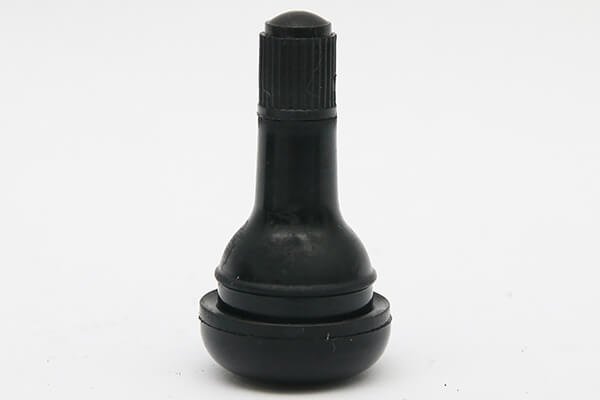
Every time you check inflation pressure, you rely on a small but highly engineered system made up of tire valves, tire valve cores, and valve caps. Although these components appear simple from the outside, they are responsible for sealing compressed air under pressure, resisting contamination, and maintaining structural integrity under constant vibration and thermal cycling. Understanding how each part functions allows for more effective inspection, easier maintenance, and improved tire safety over the long term.
A properly assembled tire valve is not just an air entry point—it is a pressure-retention device that directly affects tire performance, fuel efficiency, and road safety. When any component within the valve assembly deteriorates, even slightly, slow pressure loss can begin without visible signs.
A standard tire valve assembly includes the stem (body), internal valve core, external cap, tip interface, and sometimes extensions. Each component performs a specific mechanical function, and failure of any single part can compromise air retention.
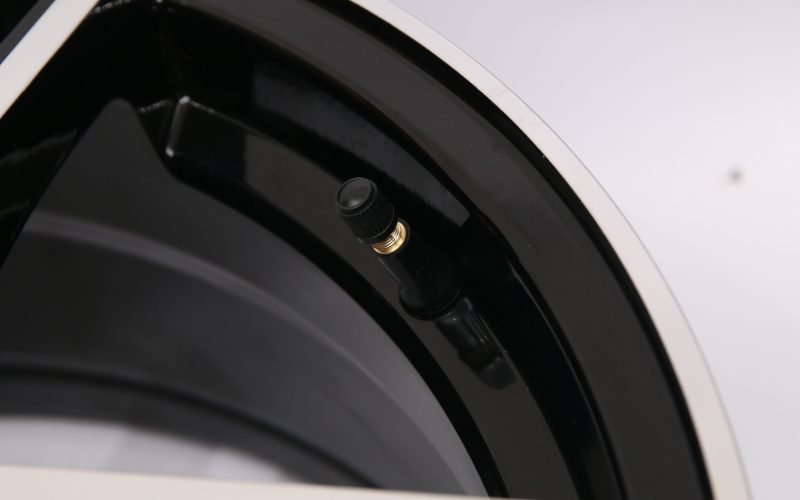
The stem forms the structural housing of the valve assembly. It anchors into the wheel rim and provides the threaded cavity that holds the valve core. Because the stem is exposed to centrifugal force, temperature variation, ozone, UV radiation, road salt, and mechanical stress, material selection is critical.
Common stem materials include:
| Material | Characteristics | Advantages | Limitations |
|---|---|---|---|
| Rubber Snap-In | Flexible synthetic rubber body | Cost-effective, easy installation | Degrades under UV and heat over time |
| Aluminum | Lightweight machined alloy | Reduced unsprung mass, corrosion-resistant | Susceptible to impact damage |
| Brass | Copper-zinc alloy | High pressure tolerance, durable | Heavier than aluminum |
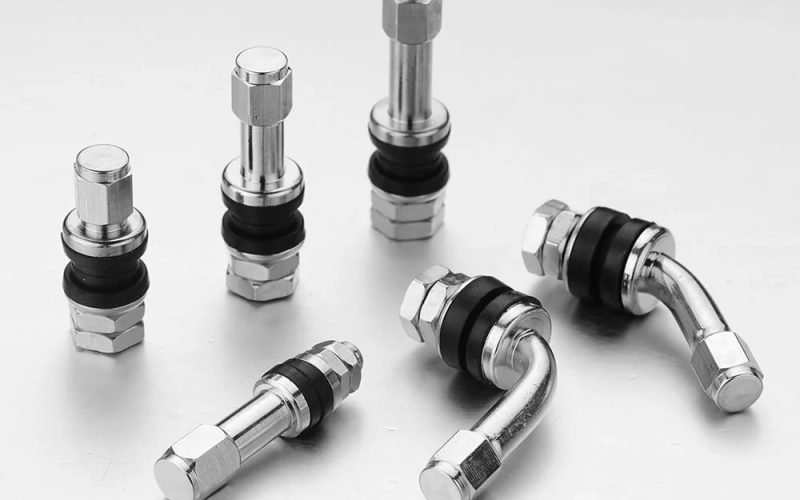
Rubber snap-in stems are widely used in passenger vehicles due to cost and flexibility. However, for higher pressure applications—such as commercial trucks or high-performance vehicles—metal clamp-in stems offer improved structural reliability.
Stem integrity is critical. Cracks, bulging, or hardening of rubber indicates material aging. Even microfractures can lead to gradual air leakage.
Inside the stem sits the valve core—the primary sealing mechanism. Though small in size, it is the functional heart of the valve system.
A standard valve core includes:
When an air chuck presses on the pin, the internal spring compresses and allows airflow. Once the chuck is removed, the spring forces the seal back into position, preventing air escape.
Valve cores are subject to continuous internal pressure. Over time, rubber seals harden, springs weaken, or debris prevents full closure. Typical service life ranges:
Slow leaks often originate at the valve core rather than the tire body. Testing with soapy water can reveal micro-leaks around the pin or threads. Replacement is inexpensive and should be considered routine preventive maintenance.
High-quality tire valve cores undergo thread precision checks, spring tension testing, and leak validation before assembly to ensure long-term sealing stability.

The valve cap is often underestimated, yet it performs two essential roles:
Without a cap, dust, moisture, and road debris can enter the valve core cavity. Over time, this contamination accelerates corrosion and compromises the internal seal.
Types of valve caps include:
A sealed metal cap with internal gasket provides an additional safety layer in case the valve core develops minor leakage. Missing caps should be replaced immediately.
At Fortune, valve caps are tested for thread fit accuracy and sealing compression to ensure reliable secondary protection.
The tip is the exposed interface point that engages with inflation tools and gauges. When pressed, it transfers force to the internal core pin, temporarily opening the air passage.
A bent or contaminated tip can cause:
Routine cleaning before inflation prevents debris from being forced into the core mechanism.
In applications such as dual rear wheels, RVs, and deep-dish rims, valve extensions improve accessibility. Extensions come in:
| Type | Application | Benefit |
|---|---|---|
| Flexible Rubber | Inner dual wheels | Adjustable reach |
| Rigid Metal | Standard access limitation | Structural durability |
| Braided Steel | Heavy-duty vehicles | Enhanced mechanical protection |
Some extensions contain their own internal core, while others rely on the original core. Improper installation or thread misalignment can introduce slow leaks. Regular inspection is necessary.

Each valve component contributes to maintaining proper inflation pressure. The system functions as an integrated pressure-retention unit:
When properly assembled, the system withstands:
Tire pressure monitoring systems (TPMS) further rely on valve integrity. If a valve leaks, TPMS may trigger warnings, but mechanical integrity remains the primary safeguard.
Maintaining correct tire pressure improves:
Common for passenger vehicles. Easy installation. Replace whenever new tires are installed. Vulnerable to long-term UV degradation.
Designed for pressures above 65 PSI. Used in light commercial and heavy-duty vehicles. Reinforced construction improves pressure tolerance.
Used in high-performance and commercial applications. Secured by external nut and gasket. Provide superior sealing and structural stability under high load conditions.
Metal stems are preferred when higher operating temperatures and pressures are expected.
Proper maintenance reduces risk of pressure loss and improves overall tire life.
Replace valve cores at first sign of leakage. Replace rubber stems during tire changes. Install new caps whenever originals show wear.
High-quality replacement components improve long-term performance. Fortune manufactures tire valves with controlled rubber compounds, precision-threaded cores, and validated leak testing to ensure consistent sealing performance under dynamic conditions.
Most automotive tires use the Schrader valve design. It consists of:
The spring-loaded core remains closed under internal tire pressure. When external force compresses the pin, airflow is permitted. Upon release, the spring reseats the seal.
This design offers:
Schrader valves are engineered to withstand automotive pressure ranges and repeated actuation cycles.
Tire failure is frequently associated with underinflation. Even minor pressure loss increases:
Valve malfunction is a common source of slow leaks. Regular inspection prevents escalation into safety risks.
Routine monthly checks and inspections before long trips are recommended.
You should replace tire valve stems every time you get new tires. If you see cracks, leaks, or damage, change them right away. Most rubber stems last about 4 to 5 years. Metal stems can last longer if you keep them clean and check for corrosion.
You risk dirt, water, and debris entering the valve core. This can cause leaks or damage. Always replace a missing cap quickly. A valve cap acts as a backup seal and keeps your tire pressure steady.
Yes, you can fix a leaking valve core. Use a valve core tool to tighten or replace the core. Check for leaks with soapy water. If you see bubbles, replace the core. Always use quality parts for the best results.
No, tire valve stems come in different sizes and types. Most passenger cars use standard Schrader valves. Trucks, motorcycles, and bicycles may use different lengths or diameters. Always check your vehicle’s manual or ask a professional before buying replacements.
 Request a quote