Why Is EPDM Rubber Commonly Used in Automotive Tire Valve Stems?
 20Jul
20Jul 


In any tire inflation system, the valve stem, internal valve cores, and modern TPMS valves function as a sealed pressure control unit. The valve stem provides the structural passage for inflation, the valve core regulates air flow and retention, and TPMS-integrated designs combine pressure monitoring with sealing performance. Material selection—rubber or metal—directly affects durability, pressure tolerance, corrosion resistance, and long-term service reliability.
For everyday vehicles, choosing the correct valve stem type is less about preference and more about operating conditions, load requirements, and maintenance cycles.
A valve stem is the interface between the tire cavity and the external environment. Its core responsibilities include:
Even minor degradation at the stem base or sealing interface can result in gradual air loss. Because the component is small and inexpensive, it is often overlooked—yet it directly influences tire pressure stability and TPMS accuracy.
| Feature | Metal Valve Stem | Rubber Valve Stem |
|---|---|---|
| Structure | Brass or aluminum body with clamp-in design | Snap-in synthetic rubber body |
| Pressure Capacity | Up to 200 PSI (varies by design) | Typically up to 65–100 PSI |
| Durability | Long-term structural stability | Gradual aging over time |
| Installation | Requires torque control | Simple pull-through installation |
| Service Interval | Multi-year use with inspection | Commonly replaced during tire changes |
The distinction lies primarily in structural rigidity and environmental resistance.
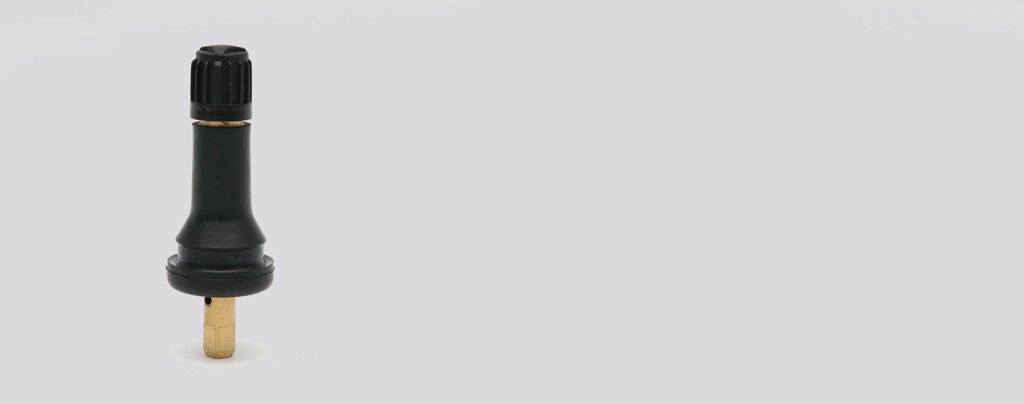
Rubber snap-in stems are widely used in passenger vehicles due to their simplicity and cost efficiency.
Their flexibility allows minor deflection when contacting curbs or debris, reducing immediate fracture risk.
Rubber compounds degrade under:
Over time, the base area may harden or crack, increasing the probability of slow leaks. For this reason, rubber stems are typically replaced with each tire change cycle.
For standard commuting vehicles operating within moderate pressure ranges, rubber stems remain technically sufficient.
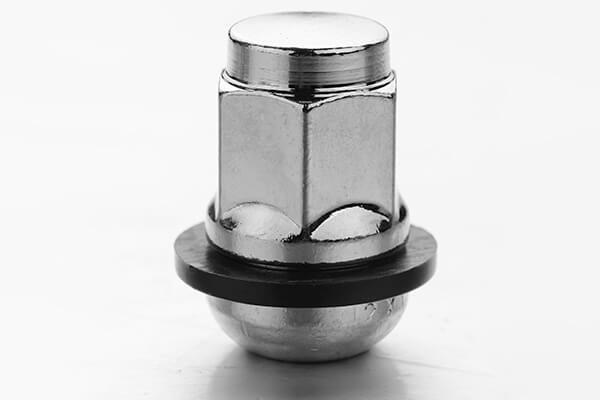
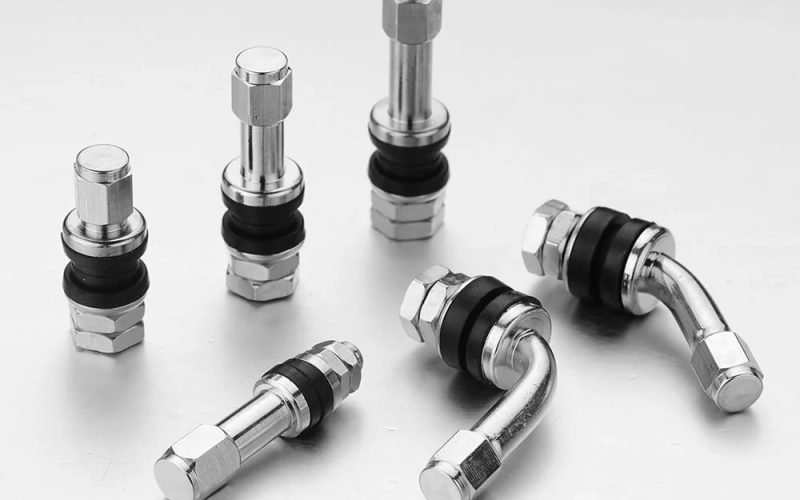
Metal stems use clamp-in construction with gaskets and retaining nuts to create a rigid seal against the wheel.
Because the stem does not flex under pressure, sealing consistency remains stable even in high-temperature environments such as performance braking conditions.
Metal stems may corrode if exposed to moisture and road salt without proper surface treatment. Anodized aluminum, nickel-plated brass, or coated finishes significantly reduce this risk.
Installation requires torque control to ensure gasket compression without distortion. Improper tightening can cause sealing failure.
Vehicles operating above standard passenger tire pressure—such as trucks, trailers, and track vehicles—benefit from clamp-in metal stems. Rubber stems may deform under higher pressure cycles, especially above 65 PSI continuous operation.
In high-speed driving, centrifugal force acts on the valve assembly. Rigid metal stems maintain alignment and reduce movement that could fatigue the sealing area.
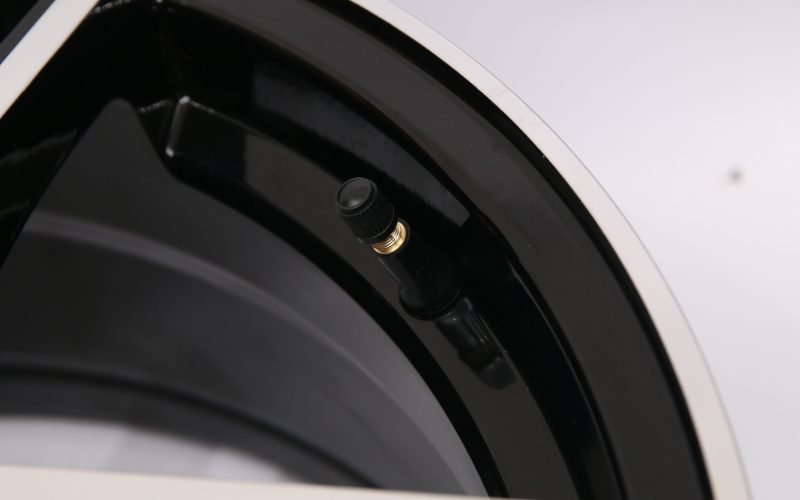
Modern TPMS valves integrate sensors directly into the valve body or attach through service kits. Compatibility depends on material and structural design.
Improper maintenance of TPMS valve stems can result in air leakage or sensor failure.
Fortune manufactures both rubber and metal TPMS-compatible valve stems with controlled dimensional tolerances and sealing validation to ensure stable interaction with valve cores and sensor assemblies.
Typical service life: 1–2 years depending on climate.
Typical service life: several years with maintenance.
Rubber stems are sufficient for vehicles operating within normal passenger pressure ranges.
Metal stems provide stronger structural resistance to repeated vibration and debris contact.
Metal stems maintain sealing integrity in high heat or severe cold, where rubber may stiffen.
Clamp-in metal stems are recommended due to higher pressure rating and structural rigidity.
Air loss from valve stems generally results from:
Routine inspection during tire rotation or pressure checks reduces unexpected failure.
Both metal and rubber valve stems serve essential roles in tire pressure retention systems. Rubber stems offer cost efficiency and installation simplicity for everyday passenger vehicles operating under moderate conditions. Metal stems provide superior pressure tolerance, long-term durability, and structural stability for heavy-duty, performance, or high-temperature applications.
Selection should be based on pressure requirements, environmental exposure, and TPMS configuration rather than initial cost alone.
A properly specified and maintained valve stem—combined with quality valve cores and compatible TPMS valves—ensures stable tire pressure, reduced leakage risk, and reliable long-term operation.
You should replace valve stems every time you get new tires. Rubber stems usually last 1–2 years. Metal stems last longer but need inspection for corrosion. Regular replacement helps prevent air leaks and keeps your tires safe.
You can use both types on one vehicle, but it is best to match all four for consistent performance. Mixing types may cause uneven wear or maintenance needs. Always check your vehicle’s requirements before making changes.
Valve stems play a key role in TPMS accuracy. Rubber and metal stems both work with TPMS, but you must use the correct type for your sensor. Always ask your tire professional for advice when replacing stems with TPMS.
Look for cracks, splits, or air bubbles when you spray soapy water on the stem. A loose or wobbly stem, or unexplained tire pressure loss, also signals trouble. Replace faulty stems right away to avoid flat tires.
Yes, metal valve stems handle higher pressure and resist flexing at high speeds. You get better durability and safety for performance vehicles or long highway trips. Many racing and heavy-duty vehicles use metal stems for this reason.
 Request a quote