Why Is EPDM Rubber Commonly Used in Automotive Tire Valve Stems?
 20Jul
20Jul 

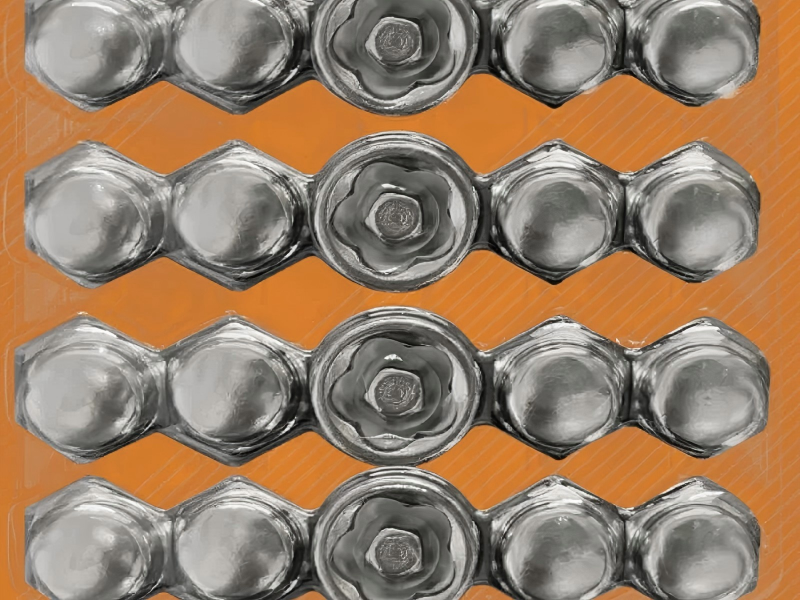
Wheel-end fasteners such as lug nuts, lug bolts, and wheel lock systems are designed to maintain precise clamping force between the wheel and hub. When installation torque is incorrect or tools are worn, the hex surface of a lug nut can deform, making removal difficult and increasing the risk of stud damage.
From a manufacturing perspective, stripped fasteners are typically the result of over-torque, cross-threading, corrosion, or low-grade material hardness. Understanding the mechanical cause helps determine the safest removal method while protecting the wheel, hub, and stud threads.
This guide outlines structured removal procedures used in workshop environments, progressing from non-destructive techniques to last-resort mechanical removal.
Successful removal depends on torque control and tool engagement.
Basic workshop equipment includes:
A 6-point socket is generally preferred because it engages flat surfaces rather than corners, reducing additional rounding.
When hex deformation is severe, dedicated extraction tools provide improved grip.
| Tool Type | Typical Torque Capability | Application |
|---|---|---|
| Lug Nut Extractor Socket | High | Rounded or damaged hex |
| Torque Multiplier | Up to ~1,000 ft-lbs | High torque commercial applications |
| Impact Wrench | Variable high torque | Controlled shock removal |
Extractor sockets feature reverse spiral flutes that bite into the damaged surface. Torque multipliers are more common in heavy-duty environments where lug nuts are tightened to high specifications.
Removal may require significant force. Standard precautions include:
Controlled force application prevents injury and component damage.

Examine the lug nut head. If minor rounding is present, a tight-fitting 6-point socket may still remove it.
Check for:
If the stud threads are already compromised, removal must be done carefully to preserve hub integrity.
Corrosion increases friction between the nut and stud threads. Apply penetrating oil around the base of the lug nut and allow sufficient dwell time (10–20 minutes).
This reduces thread resistance and minimizes torsional stress on the stud during removal.
Avoid applying excessive torque before lubrication has penetrated the threads.
For fully rounded heads, an extractor socket is typically the most efficient method.
Procedure:
The internal spiral design increases grip as torque increases, allowing removal without cutting or drilling.
If resistance remains extreme, reapply penetrating oil and repeat.
If an extractor is unavailable, a slightly smaller impact socket can be driven onto the nut.
This method sacrifices the socket but may restore sufficient grip for removal.
Use controlled force to avoid bending the wheel stud.
For nuts seized due to corrosion, localized heat can expand the nut body slightly, breaking oxidation bonds.
Guidelines:
Heat should be used cautiously in tire service environments due to flammable materials.
If mechanical grip methods fail, drilling becomes necessary.
This method risks stud damage and typically requires stud replacement afterward. It should be considered only when other methods fail.
Some situations require professional workshop intervention:
Specialized hydraulic or air-powered removal tools may be required in these cases.
From a manufacturing and service standpoint, prevention focuses on material quality and torque control.
Over-torque is the most common cause of fastener deformation.
Impact installation without torque verification often leads to deformation.
Inspect for:
Replacing compromised hardware early prevents roadside failure.
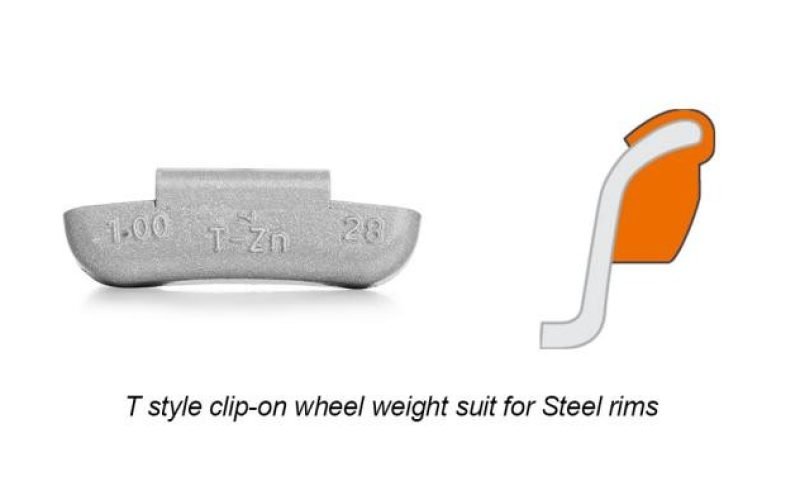
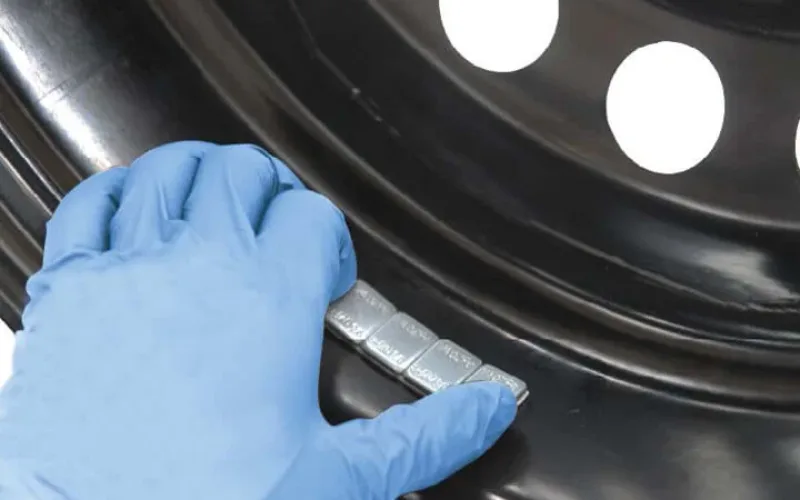
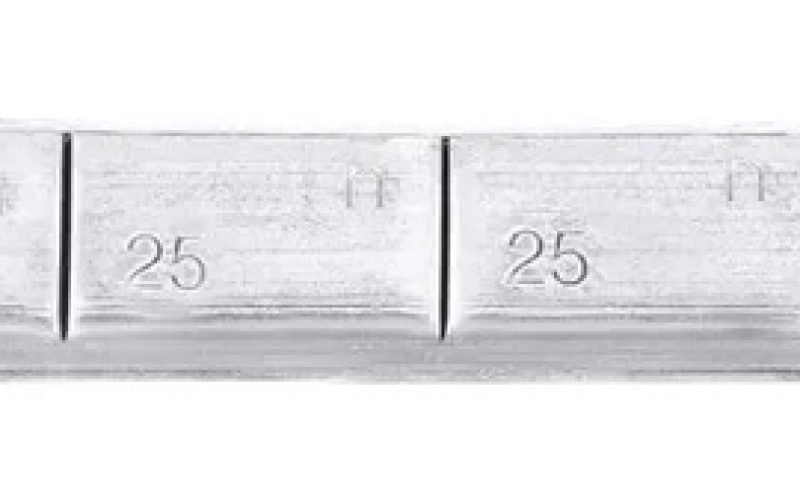
At fortune, lug nuts and wheel lock products are manufactured using controlled-grade steel, precision machining, and surface coating validation to ensure consistent hardness and corrosion resistance. In addition to fasteners, we supply precision-balanced tire weight systems to support overall wheel assembly stability. Coordinated quality control across fasteners and balancing components reduces vibration-related stress on wheel studs and improves long-term clamping reliability.
A stripped lug nut is typically the result of improper torque, corrosion, or low-quality tooling. Removal should proceed from low-impact methods—penetrating oil and extractor sockets—to more invasive solutions such as drilling only when necessary.
Maintaining correct torque specifications, using properly machined lug nuts or lug bolts, and ensuring material integrity significantly reduces the risk of deformation. When fasteners and balancing components are manufactured under strict dimensional and coating control, wheel assemblies maintain stable clamping force and long-term service reliability.
Lug nuts usually strip because of over-tightening, using the wrong tools, or rust buildup. Improper alignment during installation can also damage the threads. Regular maintenance and using a torque wrench can help prevent this issue.
Tip: Always double-check your tools before working on your car to avoid stripping.
Driving with a stripped lug nut isn’t safe. It compromises the wheel’s security and can lead to accidents. Fix the issue as soon as possible to avoid further damage to the wheel or studs.
Safety Note: If you’re unsure, consult a professional before driving.
A stripped lug nut looks rounded or worn, making it hard for tools to grip. You might notice difficulty when tightening or loosening it. Inspect the nut closely for smooth edges or damage.
Quick Tip: Keep a spare lug nut handy for emergencies.
Yes, lug nut extractors are reusable. They’re durable and designed for multiple uses. Investing in a good-quality extractor can save you time and money in the long run.
Pro Tip: Clean your extractor after each use to maintain its grip.
Use a torque wrench to tighten lug nuts to the manufacturer’s specifications. Avoid over-tightening or using worn tools. Regularly inspect and clean your lug nuts to prevent rust and debris buildup.
Did You Know? Properly maintained lug nuts can last for years without issues.
 Request a quote