Why Is EPDM Rubber Commonly Used in Automotive Tire Valve Stems?
 20Jul
20Jul 

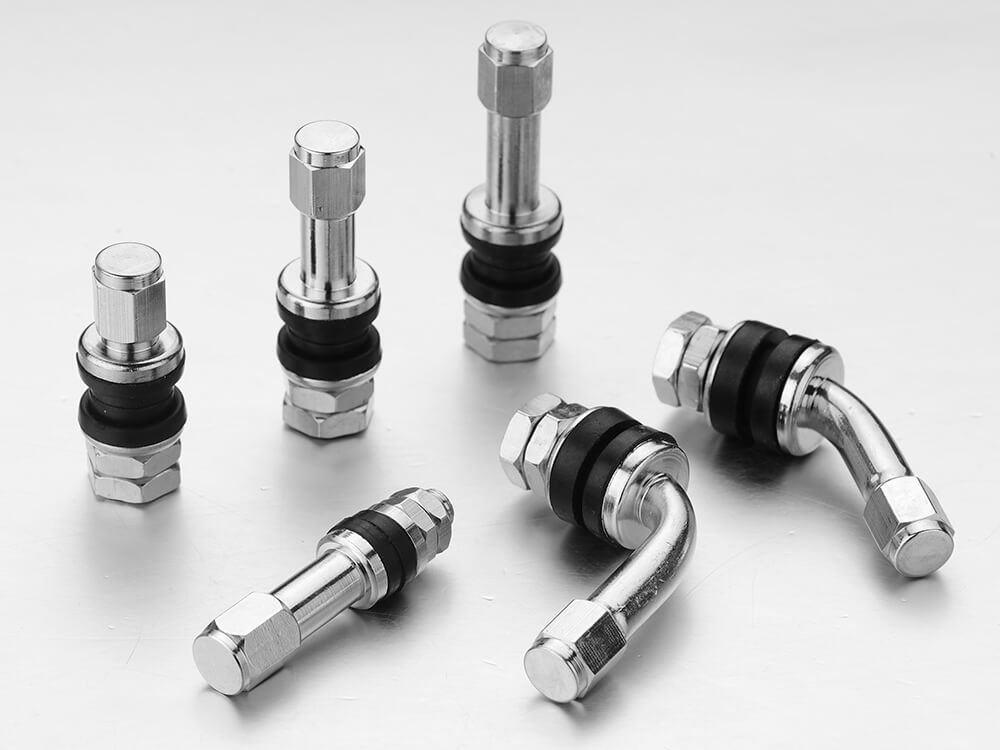
Every 4-6 years or when you get new tires, you should change tire valves. These small parts help keep your ride safe and smooth. Fortune Tire Valve is a good brand. It lasts a long time, and many car fans like it. Hot weather, salty roads, and rough trips can damage Tpms Valve Stem, metal tpms valves, rubber tpms valves, and truck tpms valves. If you see cracks or leaks, you need to replace them. Paying attention helps you avoid problems on the road.
Replace tire valves every 4 to 6 years or when you replace your tires. This helps ensure your driving safety. Check the valves for cracks, leaks, or unusual vibrations. These signs indicate that you need to replace the valves. Regularly checking tire valves helps you detect even minor leaks early, thus avoiding unsafe driving behavior. Choose the right tire valves for your vehicle. Metal valves have a longer lifespan, while rubber valves are easier to install. High-quality tire valves, such as those from Fortune, make driving safer and more comfortable.
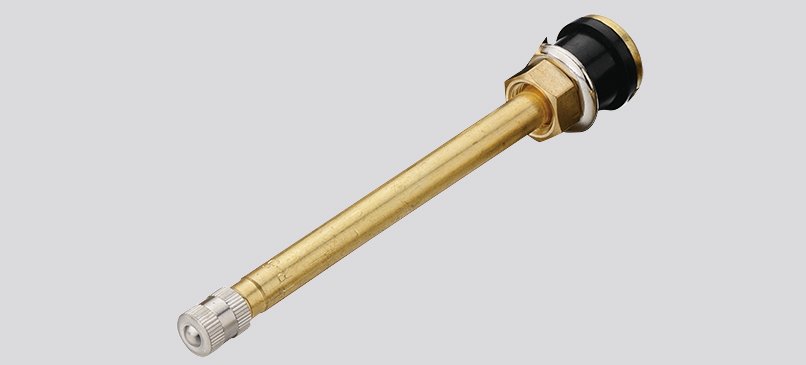
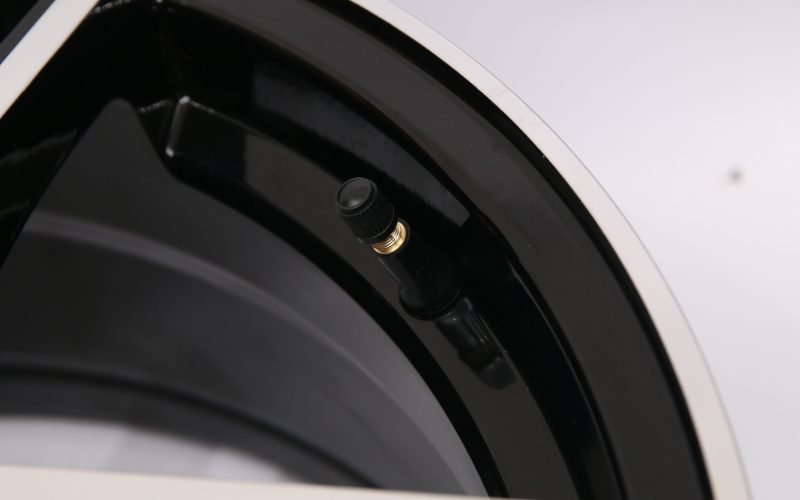
Tire valves, though small, are crucial. They help maintain tire pressure. The valve stem is the passageway for air in and out. Inside the valve stem is a special component that prevents air leakage. Inside the valve core is a spring-loaded pin. Pressing the pin allows air to enter and exit the tire. Air compressors utilize this mechanism to safely inflate tires.
Tire valves mainly consist of three parts: the valve stem body, the valve core, and the valve cap. The pin inside the valve core remains closed when not pressed, keeping the tire inflated. When using an air compressor, the compressor pushes the pin down, allowing air to enter the tire. After the compressor is removed, the pin springs back up and seals the tire.
Fortune tire valves are renowned for their superior quality. The company has over 20 years of experience. Their products meet high standards such as ISO/TS16949, ISO 9001, TUV, and DOT. These valves help maintain proper tire pressure, allowing drivers to drive with peace of mind.
Tire valves do more than just maintain tire pressure. They also ensure pedestrian safety. If a valve is damaged, air will leak out. Low tire pressure can lead to a tire blowout, which is extremely dangerous, especially at high speeds. A blowout makes the vehicle difficult to control, potentially causing an accident. High-quality tire valves help avoid these problems.
Fortune tire valves give drivers peace of mind. They come with a manufacturer’s limited warranty, and some even offer mileage coverage. Drivers can get support if any issues arise.
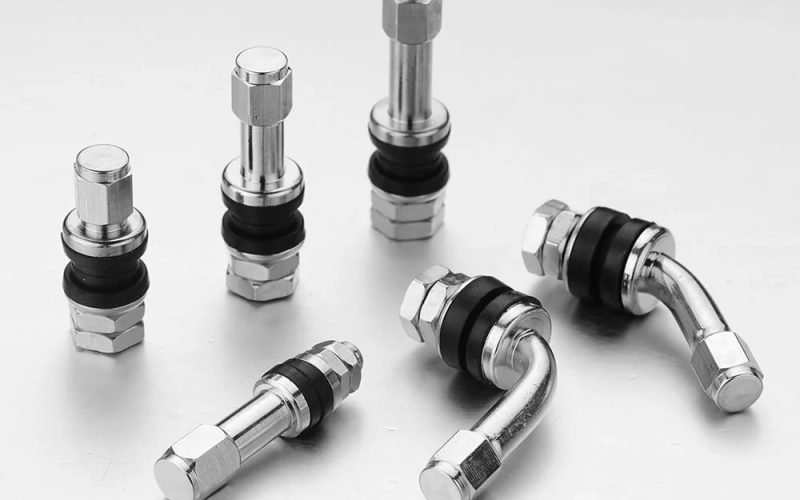
Not all tire valves are created equal. Metal valves are made of brass, have a longer lifespan, but are prone to rust. Rubber valves are made of synthetic rubber, do not rust, and are easier to install. Below is a simple comparison table:
Feature | Metal Valve Stems | Rubber Valve Stems |
|---|---|---|
Material | Brass | Synthetic rubber |
Durability | Lasts longer, but can rust | Not as strong, but does not rust |
Installation | Harder to put in | Easier to put in |
Diameter | Smaller, harder to fill | Bigger, easier to use |
Fortune sells both kinds. Drivers can choose what works best for their car or truck. Fortune Tire Valves help make every trip safe and smooth.
Experts prefer to keep things simple. They recommend drivers replace tire valves every 4 to 6 years. Some people even replace valves every time they get new tires. Why? Worn valves can cause problems. They might leak or break down without warning. Tire shops typically replace valves when changing tires. This practice ensures safe driving. Fortune tire valves are durable and a trusted brand, ideal for those seeking peace of mind while driving.
Tip: If you can’t remember when you last replaced your tire valves, it’s probably time for a new set!
Not all tire valves live the same life. Some face harsh weather, salty roads, or wild adventures. These things can wear out valves faster than a race car burns rubber. Take a look at what can shorten a valve’s life:
Environmental Factor | Effect on Tire Valves |
|---|---|
Temperature Fluctuations | Causes expansion and contraction, leading to cracks. |
Moisture | Leads to corrosion over time. |
Chemical Exposure | Degrades valve materials from road cleaning agents. |
Drivers in snowy regions are well aware of the dangers of road salt. Salt not only melts snow and ice, but it also dries out rubber, causing it to become brittle and weak. Salt accelerates oxidation, making rubber age faster. Metal parts are also susceptible to salt corrosion. Salt can seep into tiny cracks and corrode metal valve stems. Therefore, drivers in cold or coastal areas should check their tire valve stems more frequently.
Rubber Dehydration: Salt absorbs moisture from rubber, causing it to crack.
Accelerated Oxidation: Salt and moisture rapidly break down rubber compounds.
Metal Corrosion: Salt seeps into cracks and corrodes metal valve stems.
Drivers who enjoy off-road driving or live in areas with frequent climate changes should pay even closer attention to the condition of their tire valve stems. While Fortune tire valve stems are designed to withstand harsh conditions, even the best valve stems require replacement after several years of use.work. Regular checks and timely replacements keep every ride safe and smooth.

Tire valves don’t scream, but they do give off signals. Attentive drivers can spot problems before a blowout. Here are some common “Hey, look at me!” signs:
Persistent Leaks
Even after a full inflator, the tire continues to leak air. This insidious leak often points to an aging valve.
Visible Damage
A quick inspection might reveal cracks, breaks, or even rust on the valve. Sometimes, the valve cap may be missing, exposing the valve to dust and water.
Unusual Vibrations
The steering wheel shakes, or the vehicle pulls to one side. These abnormalities may indicate a malfunctioning valve, causing the vehicle to lose balance.
Tip: Drivers who notice these symptoms shouldn’t delay. Small problems can escalate into major trouble on the highway.
A little inspection skill can solve the problem. Drivers don’t need fancy tools—just keen observation and a few minutes. Here’s how to spot problems early:
Check the valve stem for cracks or damage. Even a small crack can cause a leak.
Press the valve stem and listen for a hissing sound to check for leaks. A soapy water bubble test also works—bubbles mean a problem!
Make sure the valve cap is tight and not missing. Valve caps prevent dust and moisture from getting in.
Check around the valve stem for signs of corrosion or discoloration.
Regular inspections help keep tires in optimal condition. Inspected tire valves ensure smooth driving every time.safe. Drivers who catch problems early avoid roadside surprises and keep their adventures rolling.
Neglecting old tire valves can turn a peaceful drive into a wild ride. Picture this: a family heads out for ice cream, but their car starts to wobble. The culprit? A sneaky, worn-out valve stem. Faulty valve stems love to cause slow air leaks. Drivers might not notice until the tire looks a little sad and flat. That’s when things get risky. Low tire pressure can make the car hard to steer. The tires might not grip the road well. Sometimes, a weak valve stem leads to a sudden blowout. The tire bursts, and the car swerves. Nobody wants that kind of surprise.
Faulty valve stems can lead to slow air leaks.
Increased risk of tire blowouts.
Compromised vehicle handling due to low tire pressure.
Note: Even the best drivers struggle to control a car with a blown tire. Safety always comes first.
Tire performance drops fast when a valve starts leaking. Underinflated tires work harder just to roll down the street. The car feels sluggish, and the ride gets bumpy. Drivers might notice the car pulling to one side or the steering wheel shaking. The engine has to burn more fuel to keep the car moving. Studies show that underinflated tires can cut fuel economy by up to 3%. That means more trips to the gas station and less money for snacks.
A leaking tire valve can lead to underinflated tires, which increases rolling resistance.
Increased rolling resistance forces the vehicle to work harder, resulting in decreased fuel efficiency.
Research indicates that underinflated tires can reduce fuel economy by up to 3%.
Tire valves may look small, but they play a big role in keeping every trip safe and smooth.
Car owners who want to extend tire life treat their tire valves like little superheroes. These tiny parts work hard every day, enduring rain, mud, and even the occasional pothole. Savvy car owners can keep their tire valves in optimal condition by following these simple steps:
Car owners who regularly check their tire valves can avoid the embarrassment of flat tires and roadside breakdowns. Fortune tire valves are robust and durable, leak-tested, making maintenance a breeze. They withstand rough roads and inclement weather.
Choosing the perfect tire valve feels like picking the best ice cream flavor—so many options! Fortune offers both metal and rubber tire valves. Metal valves, made from aluminum or stainless steel, stand strong against temperature swings. They resist wear and tear, making them perfect for trucks and vehicles that work hard. Rubber valves, flexible and easy to install, suit everyday cars and motorcycles.
Here’s a quick look at what matters when picking a valve:
Vehicle Type | Valve Stem Lengths | Pressure Ratings | Rim Hole Diameters | Temperature Ratings |
|---|---|---|---|---|
Passenger Vehicles | Standard lengths | Up to 65 psi | 0.453″ and 0.625″ | -40°F to 180°F |
Heavy-Duty Trucks | Larger lengths | Up to 200 psi | Around 0.625″ | -65°F to 250°F |
Motorcycles | Standard lengths | Up to 65 psi | Around 0.327″ | -40°F to 180°F |
Tractors and Off-Road Vehicles | Varies | Up to 100 psi+ | Around 0.625″ | Extreme conditions |
Fortune’s metal tire valves handle wild climates and heavy loads. Their durability saves money over time. Rubber valves, made from premium EPDM, offer easy installation and a snug fit for tubeless tires.
Drivers with special needs love Fortune’s OEM and ODM solutions. These custom valves use high-quality materials, install easily, and come in many styles. Fortune’s engineering team helps every driver find the perfect match for their ride.
Tip: The right tire valve keeps every journey smooth, safe, and full of adventure.
Change tire valve stems when you get new tires.
Most people should replace them every 4 to 6 years.
If you live where it is very hot or the weather changes a lot, you might need to change them sooner.
Checking tire valves often helps find leaks early. Even a small leak can make driving dangerous. Tires without enough air can slip and might even burst.
Evidence Type | Description |
|---|---|
NHTSA Study | Tire problems cause at least 11,000 crashes each year in the U.S. |
Crash Likelihood | Cars with low tire pressure are three times more likely to crash. |
Using Fortune Tire Valves helps keep trips safe. For the best safety, ask a mechanic to check and change valves. Tire valve safety should always be on your list! 🚗
A driver spots trouble by checking for cracks, leaks, or missing caps. A hissing sound means air escapes. Soapy water bubbles around the valve signal a leak. Tire pressure drops faster than a roller coaster.
Metal tire valves outlast rubber ones in tough conditions. They resist corrosion and handle high pressure. Rubber valves work well for daily driving. Fortune offers both, so every driver finds the perfect match.
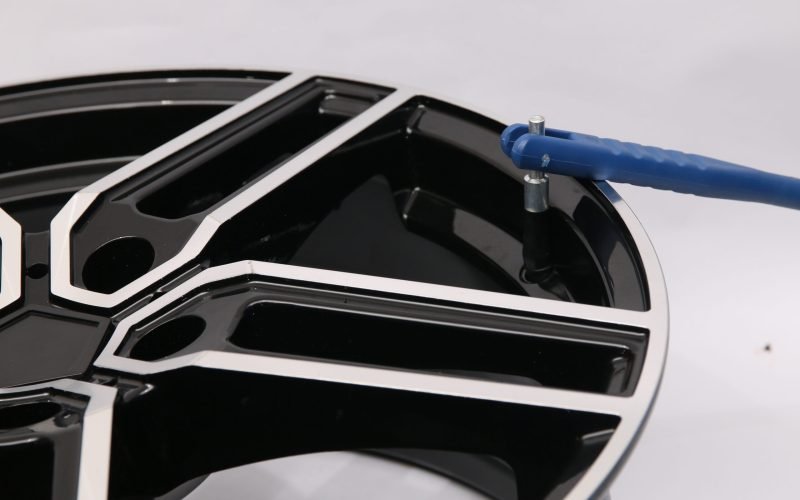
Yes! Many drivers swap out tire valves with a simple valve tool. The process feels like changing a lightbulb. For best results, ask a mechanic for help. Safety comes first, especially with high-pressure tires.
Valve caps act like tiny helmets. They block dirt, water, and road salt from sneaking inside. Without a cap, the valve core faces danger. A missing cap invites leaks and trouble on every trip.
 Request a quote