Why Is EPDM Rubber Commonly Used in Automotive Tire Valve Stems?
 20Jul
20Jul 

In modern wheel service operations, proper selection of adhesive wheel weights, clip on wheel weights, and precision-engineered wheel weights directly determines balancing accuracy and long-term stability. Tire balancing is not only about eliminating vibration; it is about controlling rotational mass distribution within strict tolerance. For workshops and distributors, consistent weight quality ensures repeatable results across different balancer systems. At fortune, we manufacture high-precision wheel weights designed for stable adhesion, secure retention, and material compliance under global regulatory standards.
Correct balancing reduces radial and lateral vibration, protects suspension components, and minimizes irregular tread wear. Poor weight retention or incorrect weight selection, however, leads to rework, customer returns, and increased service time.
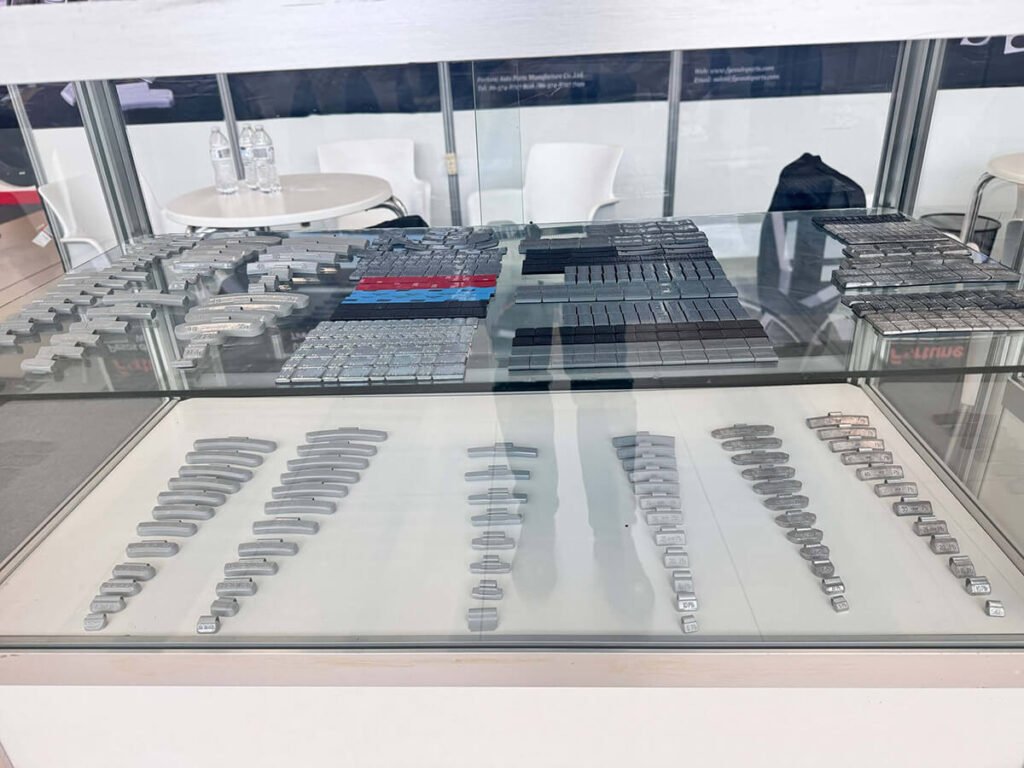
Wheel weights are generally divided into two structural categories: clip-on systems and adhesive systems. Each serves a specific rim configuration and operational requirement.
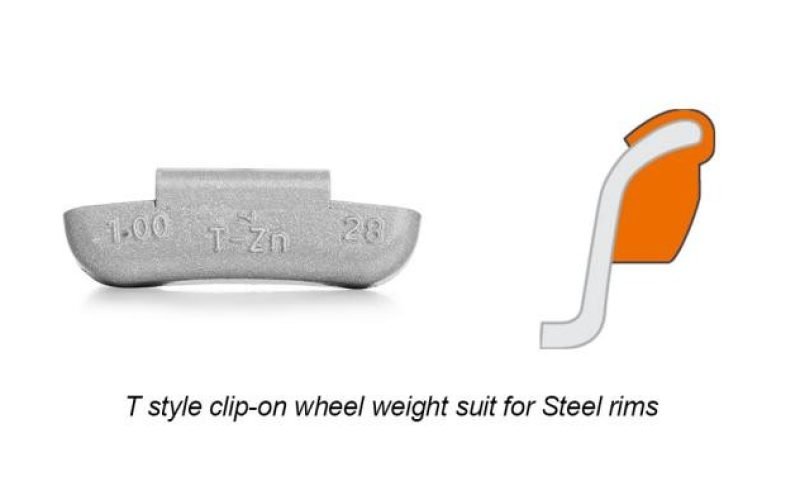
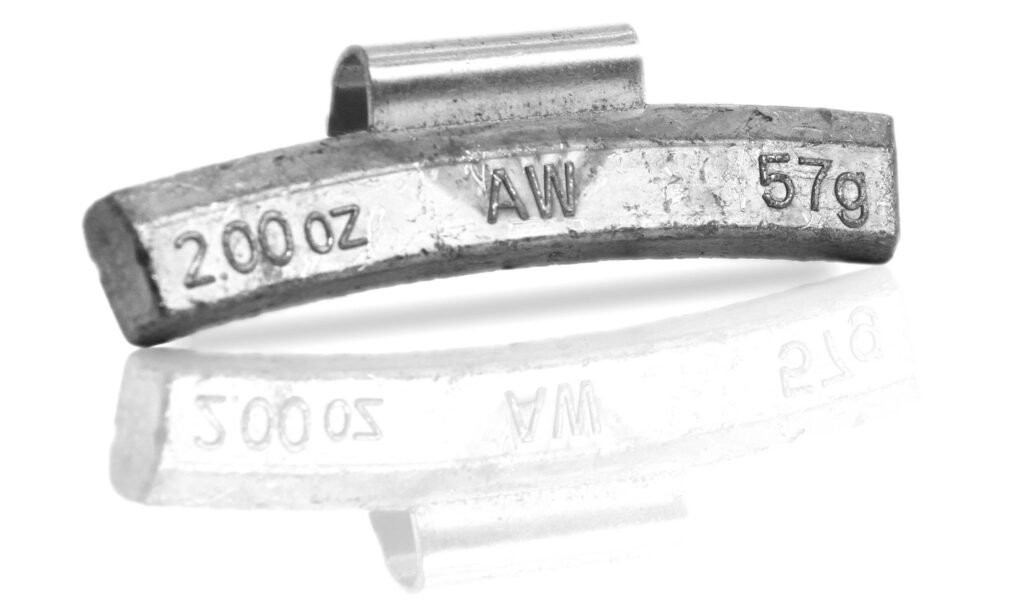
Clip on wheel weights are mechanically secured to the rim flange through a spring steel clip. Their retention depends on accurate flange dimension matching and clip tension strength.
Key characteristics:
Because they rely on mechanical grip, clip-on designs must match rim thickness precisely. Incorrect flange fit reduces retention force and increases the risk of detachment under high-speed operation.
In commercial service environments, clip-on weights remain a practical solution due to durability and efficiency.
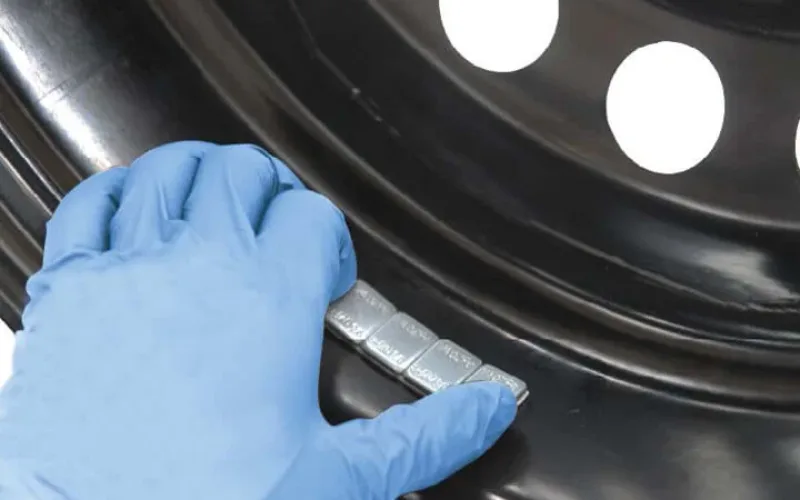
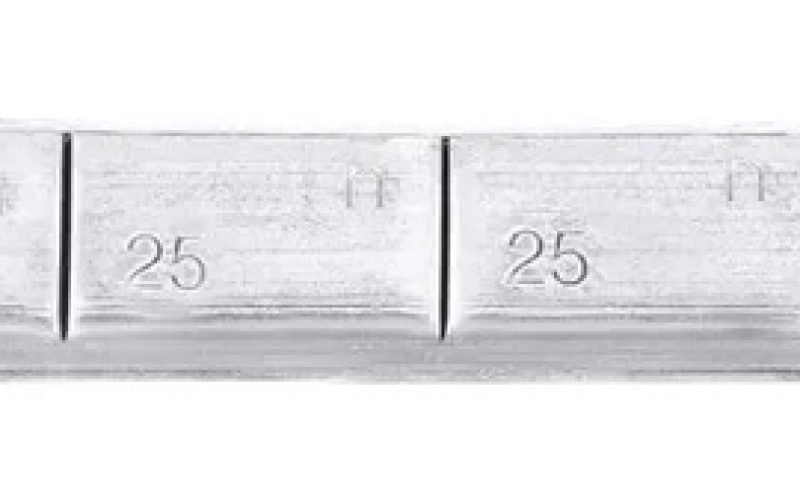
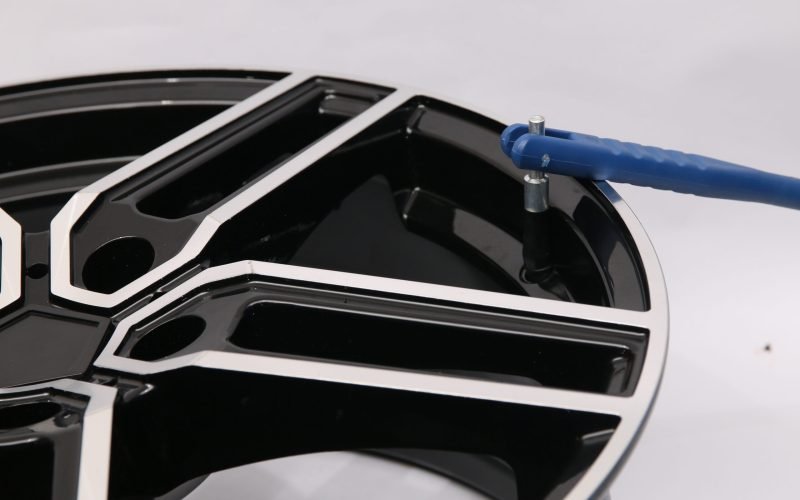
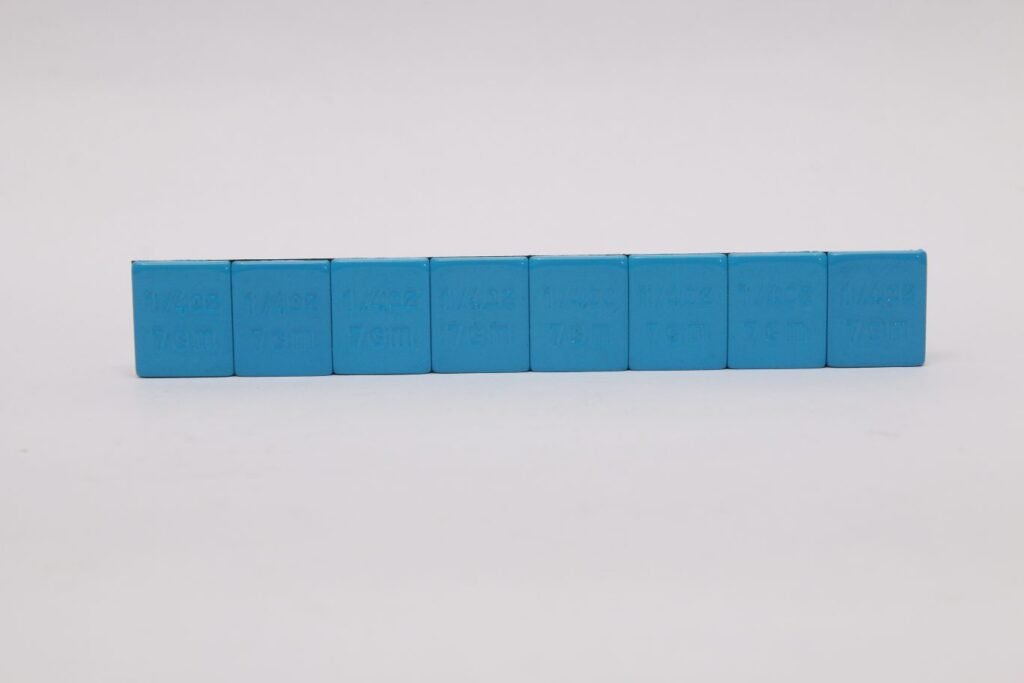
Adhesive wheel weights use industrial-grade bonding tape to attach to the inner barrel of the wheel. Their performance depends on adhesive quality, surface preparation, and temperature stability.
Technical advantages:
Advancements in adhesive compounds now allow stable bonding across wide temperature ranges, including high brake heat conditions and winter environments. Proper surface cleaning before installation remains essential to ensure long-term adhesion.
For high-performance and premium wheels, adhesive systems provide precise incremental weight placement, improving balance refinement.
| Feature | Clip On Wheel Weights | Adhesive Wheel Weights |
|---|---|---|
| Retention Method | Mechanical clip | Industrial adhesive tape |
| Rim Compatibility | Steel rims, some OEM alloys | Alloy wheels, performance rims |
| Aesthetic Impact | Visible on rim edge | Hidden inside barrel |
| Placement Precision | Fixed position on flange | Flexible positioning |
| Installation Speed | Fast | Requires surface preparation |
Both systems achieve balance correction when properly installed. Selection depends on rim structure, service environment, and balancing accuracy requirements.
Balancing machines differ in measurement resolution and correction calculation. High-precision balancers require smaller incremental weights to achieve exact correction values. Using inconsistent or poorly calibrated weights increases correction cycles.
Operational considerations include:
Efficient balancing reduces labor time and material waste. Consistent weight mass tolerance is critical to prevent repeated recalibration.
Material selection influences density, corrosion resistance, environmental compliance, and long-term durability.
Steel has become the dominant material in many markets due to regulatory shifts away from lead. Benefits include:
Coated steel designs provide long service life even under exposure to moisture and road salts.
Zinc offers non-toxic composition and moderate density. It provides acceptable corrosion resistance and remains widely used in regulated markets.
Lead historically provided high density and low cost but has been restricted due to environmental concerns. Most professional markets now transition to steel or zinc alternatives to meet compliance standards.
At fortune, wheel weights are produced using controlled raw material sourcing, coating validation, and salt spray testing to ensure corrosion resistance and regulatory alignment across export regions.
Wheel imbalance increases vibration amplitude and accelerates component wear. Even small mass deviations at the rim circumference significantly influence rotational inertia.
Balanced assemblies provide:
Balancing accuracy also affects overall vehicle NVH (Noise, Vibration, Harshness) characteristics, particularly at highway speeds.
In addition to fastening systems such as lug nuts and lug bolts, wheel balance integrity depends on reliable weight retention. fortune supplies precision-engineered wheel weights manufactured under strict dimensional inspection to maintain consistent mass tolerance and adhesion performance.
Proper installation directly determines weight retention.
For adhesive systems:
For clip-on systems:
Improper installation is a leading cause of detachment. Process control during service is as important as product quality.
Systematic service procedures reduce repeat balancing and improve operational efficiency.
Wheel weights are precision correction components that stabilize rotational mass distribution in tire assemblies. Whether using clip on wheel weights for mechanical retention or adhesive wheel weights for refined placement, correct selection and installation determine balance accuracy and long-term durability.
Material compliance, corrosion resistance, mass tolerance, and bonding strength are critical engineering factors. At fortune, production emphasizes strict quality control, coating verification, and dimensional inspection to ensure consistent performance across global service environments.
Accurate balancing is achieved not by adding weight arbitrarily, but by applying precisely manufactured wheel weights that maintain secure retention throughout the vehicle’s service life.
Tire balancer wheel weights correct uneven weight distribution in tires. They reduce vibrations, improve stability, and enhance tire longevity. Proper balance ensures a smoother ride and better vehicle performance.
Evaluate your rim type and driving needs. Clip-on weights suit steel rims, while adhesive weights work best for alloy wheels. Check your tire balancer’s specifications for compatibility.
Yes, you can install them with basic tools like a wheel weight hammer or roller. Clean the rim surface first and follow the manufacturer’s guidelines for placement. For precise results, consult a professional.
Lead weights are phased out in many regions due to environmental risks. Safer alternatives like steel and zinc offer similar performance without harming ecosystems. Choose eco-friendly options for compliance and sustainability.
Inspect wheel weights during routine tire checks. Look for signs of wear, corrosion, or detachment. Regular maintenance ensures proper balance and extends tire life, especially after driving on rough terrain.
 Request a quote