Why Is EPDM Rubber Commonly Used in Automotive Tire Valve Stems?
 20Jul
20Jul 

Accurate wheel balancing depends on selecting the appropriate wheel weights for the rim structure and vehicle application. Among the most widely used solutions are adhesive wheel weights and stick on wheel weights, both designed to correct imbalance by compensating for uneven rotational mass. While adhesive systems bond directly to the inner barrel of the rim, clip-on weights secure mechanically to the flange. Understanding their structural differences helps ensure stable wheel balance, reduced vibration, and improved vehicle performance.
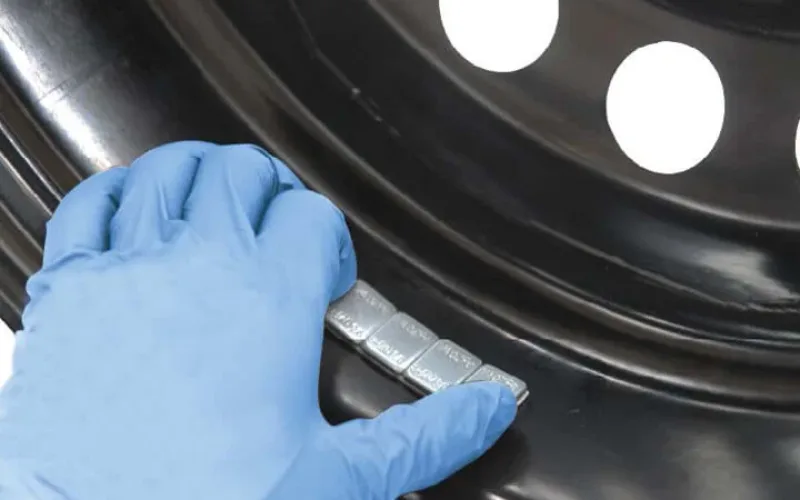
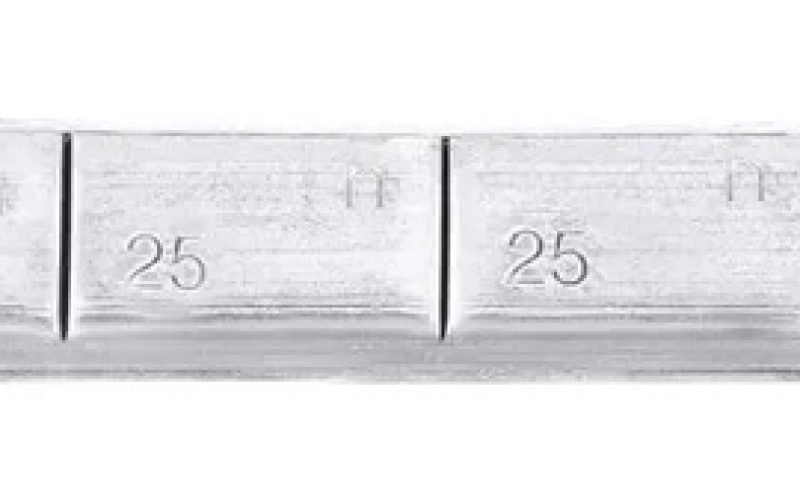
Adhesive tire weights are flat, segmented balancing components equipped with industrial bonding tape. They are installed along the inner surface of the wheel barrel, allowing precise placement according to balancing machine measurements.
These weights are commonly used for:
Because they are positioned behind the spokes, they maintain a clean exterior appearance. Their low-profile design allows accurate adjustment of rotational mass without interfering with brake components or rim aesthetics.
In modern balancing practice, stick on wheel weights are increasingly preferred for alloy applications where flange-mounted solutions may risk cosmetic damage.
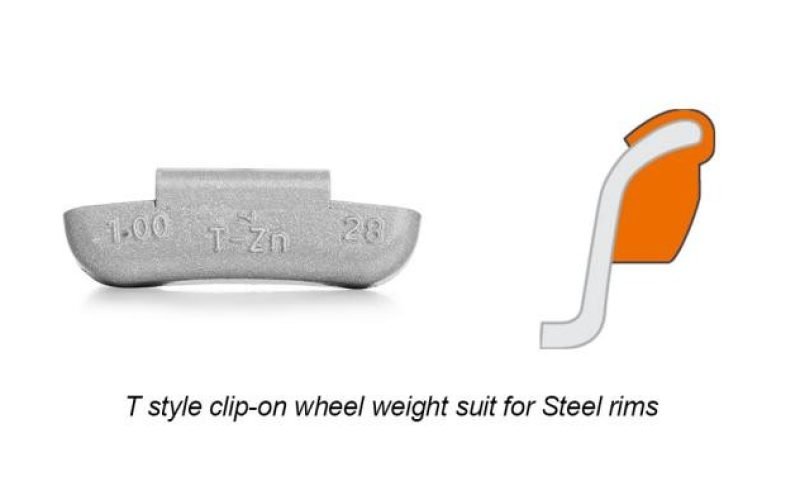
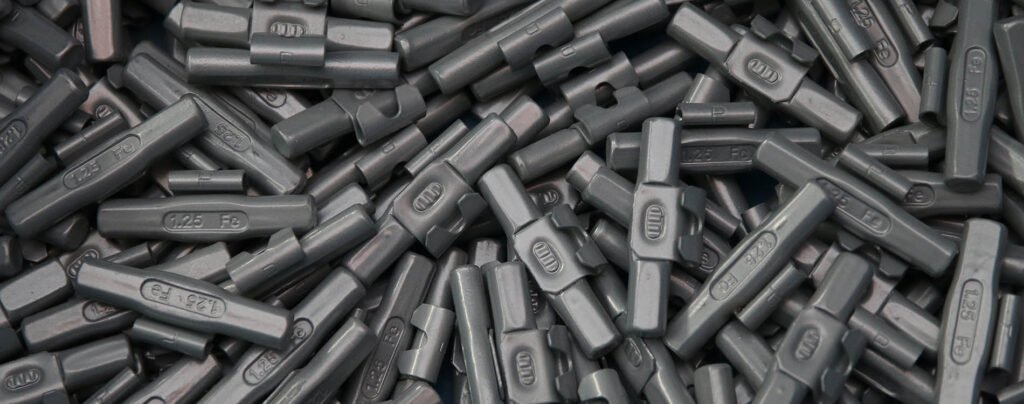
Clip-on weights are mechanically attached to the outer rim flange using spring steel clips. They are typically manufactured from steel or zinc and coated for corrosion resistance.
Their advantages include:
Clip-on weights remain common in steel wheel applications and heavy-duty environments where durability and secure attachment are critical.
Both systems achieve the same functional objective: restoring wheel balance by correcting uneven mass distribution. However, their attachment method and rim compatibility differ significantly.
The choice depends on rim type, driving environment, and maintenance priorities.

Adhesive wheel weights provide several technical benefits:
High-quality adhesive systems undergo peel testing, bond strength testing, and fatigue validation to ensure long-term reliability. When properly installed on a clean surface, they maintain consistent performance under highway speeds and standard temperature variation.
Because they are placed along the barrel, they allow precise control over rotational mass distribution, contributing to smoother ride comfort and optimized vehicle performance.
Despite their advantages, adhesive systems require careful preparation:
They are less suitable for steel rims exposed to repeated mechanical impacts, where flange-based solutions may offer stronger retention.
Routine inspection is recommended to confirm that bonding remains secure, especially in high-vibration conditions.
Clip-on weights are valued for:
Their spring-clip design resists centrifugal force, making them effective in off-road, winter, or commercial fleet applications. Properly balanced wheels can reduce vibration, support fuel efficiency, and extend tire service life.
Because they attach directly to the flange, they are less dependent on surface preparation compared to adhesive systems.
Clip-on weights are not ideal for all applications:
Additionally, mechanical attachment slightly increases localized unsprung weight at the flange, which may influence precision balancing in performance-focused vehicles.
Modern adhesive wheel weights are engineered with high-performance tape systems designed to withstand:
Testing typically includes peel resistance, bond shear strength, and fatigue cycling to ensure durability. When properly installed, they provide stable long-term balancing performance.
Clip-on weights rely on tensioned clips that maintain grip against the rim flange. Their corrosion-resistant coating protects against road salt and moisture, supporting durability in severe driving environments.
For vehicles exposed to gravel, snow, or heavy load operation, clip-on systems often demonstrate superior resistance to dislodging.
In high-performance vehicles, minimizing unnecessary mass helps optimize handling response. Carefully distributed adhesive solutions can support more uniform rotational mass correction.
In contrast, commercial vehicles or utility fleets operating under load benefit from the structural security of flange-mounted clip systems.
Both solutions contribute to improved wheel balance, smoother driving comfort, and enhanced vehicle performance when matched to the correct rim type.
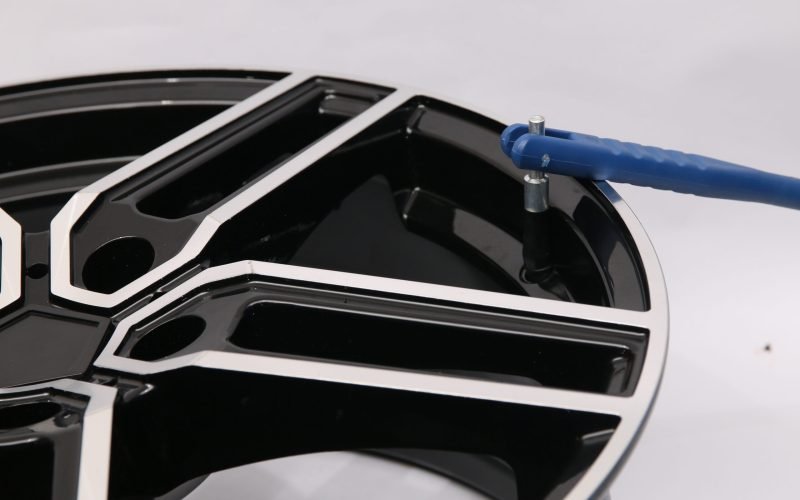
Alloy wheels require non-invasive balancing methods. Adhesive wheel weights prevent flange damage and maintain surface coatings. They are particularly effective in applications where brake clearance and rim design limit external mounting options.
Because they sit behind the spokes, they preserve visual integrity while delivering accurate correction.
Steel rims are structurally suited for flange-mounted balancing. Clip-on weights provide reliable attachment and withstand environmental exposure.
For utility vehicles and standard passenger cars equipped with steel wheels, this method remains practical and durable.
When a vehicle operates with mixed rim types, the balancing method should match each wheel construction. Alloy wheels benefit from adhesive solutions, while steel rims support clip-on systems.
Selecting the correct balancing method ensures consistent ride comfort and stable performance across all wheel positions.

The industry has transitioned away from lead-based materials. Steel and zinc now dominate production due to improved environmental compliance.
Steel options offer:
Responsible material selection supports both regulatory compliance and sustainable manufacturing practices.
To maintain reliable performance:
Adhesive systems should be inspected for bond integrity, while clip-on systems should be checked for corrosion or mechanical deformation.
Adhesive tire weights and clip-on weights both play critical roles in modern wheel balancing. Adhesive wheel weights offer precision placement, surface protection, and aesthetic advantages for alloy wheels. Clip-on weights provide strong mechanical retention and durability for steel rims and demanding driving conditions.
Choosing the correct wheel weights depends on rim construction, operating environment, and service priorities. When properly selected and installed, both solutions enhance wheel balance, improve ride comfort, and support long-term vehicle performance.
Unbalanced wheels cause vibration, uneven tire wear, and reduced driving stability. Over time, suspension components may also be affected.
No. Adhesive bonding weakens after removal, and clip tension may be compromised once detached.
Common signs include steering vibration at highway speeds, irregular tread wear, and increased road noise.
Neither is universally better. Adhesive solutions suit alloy wheels, while clip-on systems are ideal for steel rims.
Wheel balance should be inspected during tire rotation intervals, typically every 5,000 to 6,000 miles.
 Request a quote