 06Mar
06Mar 

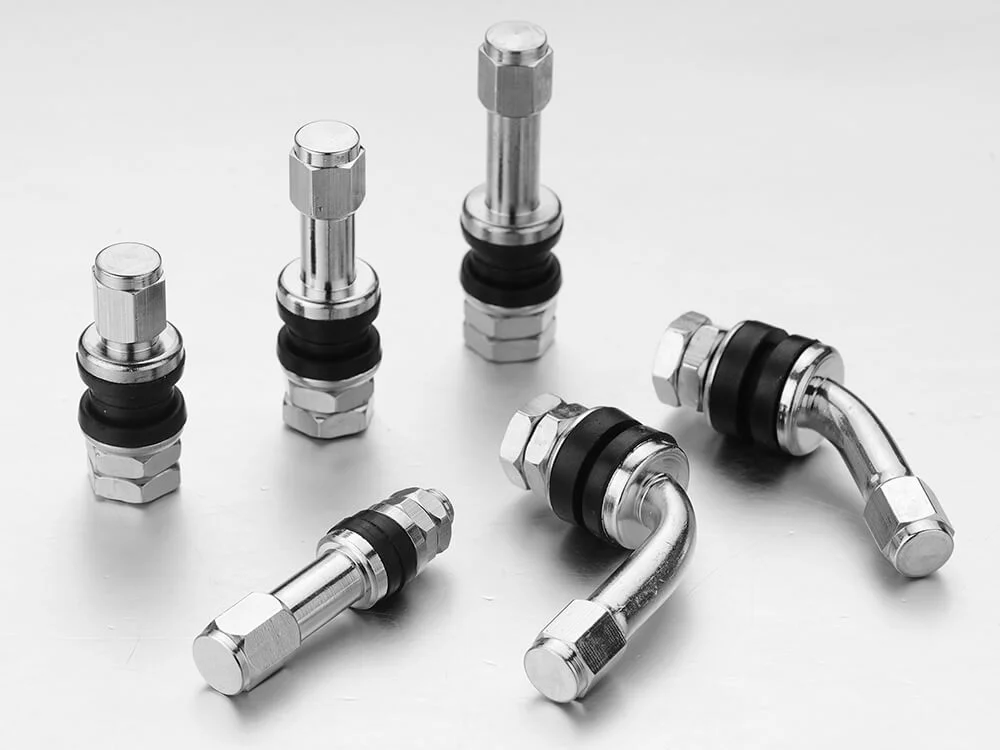
Drivers usually see three main types of valve stems. These are rubber snap-in, high-pressure snap-in, and high-pressure metal clamp-in. A valve stem is a small part. It lets air go in and out of a tire. This part helps keep tires filled with air. Having the right air in tires is important for safe driving. If a valve stem has problems, air can leak out slowly. This can make tires wear out unevenly. It can even cause a tire to blow out. Most cars use rubber snap-in stems for daily driving. Trucks or heavy-duty vehicles use metal or high-pressure stems for extra strength.
Key Takeaways
- Valve stems are important for keeping tire pressure steady. They stop air from escaping from tires.
- There are three main types of valve stems. These are rubber snap-in, high-pressure snap-in, and high-pressure metal clamp-in. Each type is made for different vehicles and uses.
- You should check valve stems often for cracks or leaks. This easy step can stop tire blowouts and make driving safer.
- Picking the right valve stem for your vehicle is very important. It keeps tire pressure correct and helps your car work better.
- Fortune’s Metal TPMS Valves are strong and dependable. They are great for vehicles that need tough valve stems and good tire pressure checks.
What are valve stems?
Function and importance
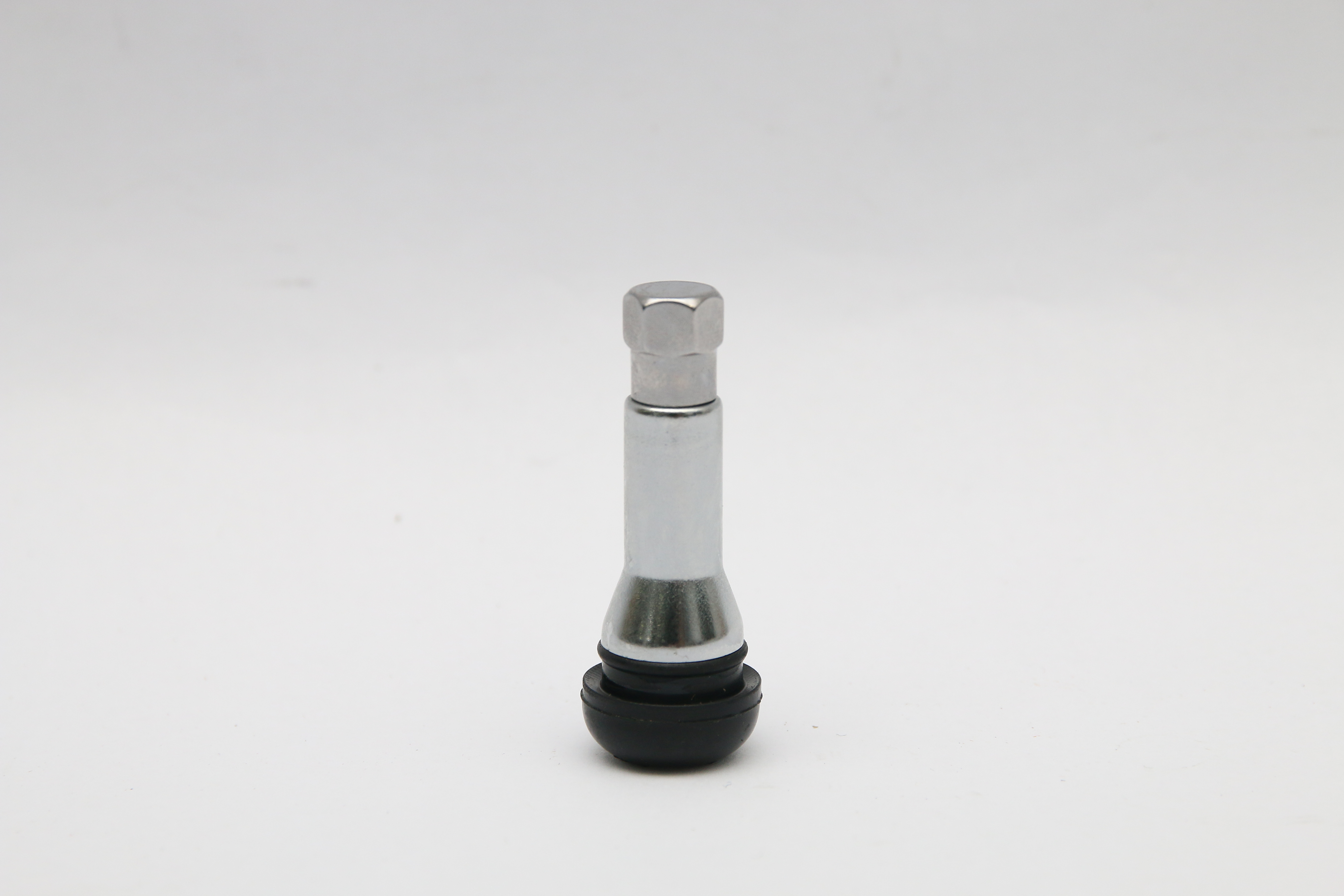
Valve stems play a key role in every vehicle’s tire system. These small parts help control the air that goes in and out of a tire. They keep the tire sealed so air does not escape. When a driver adds air to a tire, the valve stem acts as the entry point. It also prevents air from leaking when the valve cap is tight. This helps tires stay at the right pressure.
Proper tire pressure keeps a vehicle safe on the road. It helps the car handle well and improves fuel efficiency. Tires last longer when they have the right amount of air. Valve stems also support the tire’s structure by holding pressure inside. In automotive engineering, a valve stem is a pressure-containing part. It transfers force from the valve gear box or actuator to the valve’s inside parts. Most valve stems are made from strong, corrosion-resistant materials. This makes them last longer and work well in different weather.
Tip: Always check valve stems for cracks or leaks during regular tire checks. A damaged valve stem can cause slow air loss and unsafe driving.
Common uses
Valve stems are found on many types of vehicles. They are not just for cars. Trucks, SUVs, and even farm equipment use them. The size and material of a valve stem can change based on the vehicle’s needs. For example, heavy-duty trucks need longer and stronger valve stems than passenger cars.
Here is a table showing where valve stems are most common:
| Vehicle Type | Valve Stem Length | Material |
|---|---|---|
| Passenger Cars & SUVs | 0.5″ – 1.0″ | Rubber or Brass |
| Light Trucks & Vans | 1.0″ – 1.5″ | Brass or Stainless Steel |
| Heavy-Duty Trucks & Trailers | 1.5″ – 2.0″+ | Stainless Steel |
| Off-Road & Agricultural | 1.25″ – 1.75″ | Stainless Steel or Chrome-Plated |
| Performance & Alloy Wheels | 1.0″ – 1.5″ | Metal (Aviation Style) |
People see valve stems on commercial vehicles, small trucks, and SUVs. Mechanics and drivers choose the right type based on how the vehicle is used. This helps keep tires safe and working well.
Types of valve stems
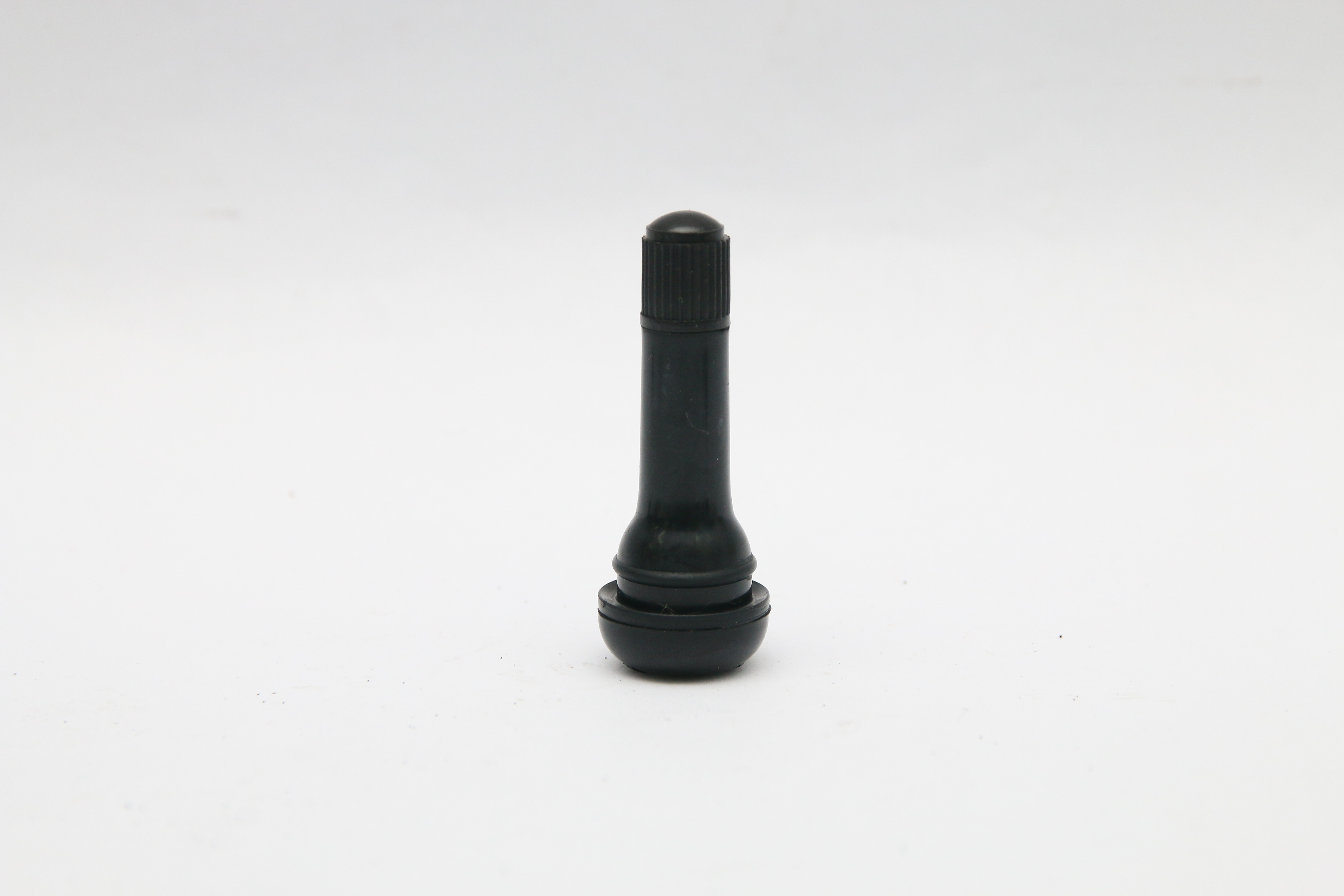
Many drivers and mechanics know about three main types of valve stems. These are rubber snap-in, high pressure tubeless snap-in, and high-pressure metal clamp-in valves. Each type has its own job and works best for certain vehicles or driving needs.
| Type of Valve Stem | Description |
|---|---|
| Tubeless Rubber Snap-In Valves | Most common type used in commercial and passenger vehicles. |
| High Pressure Tubeless Snap-In Valves | Designed for larger trucks with heavy-duty tires, rated above 65 PSI. |
| High Pressure Metal Clamp-In Valves | Used for high-speed vehicles, with a maximum PSI limit of 200, suitable for extreme conditions. |
Rubber snap-in valve stems
Rubber snap-in valve stems are found on most cars and light trucks. They are made from EPDM rubber and have a brass core. This makes them flexible and helps them seal well. These valve stems usually last about 5 to 7 years.
| Feature | Details |
|---|---|
| Material Composition | EPDM Rubber + Brass Core |
| Max Inflation Pressure | 100 PSI |
| Valve Hole Diameter | 0.453 inches (11.5 mm) |
| Length (Effective) | 1.27 inches (approx. 32 mm) |
Rubber snap-in valve stems are best for:
- Passenger cars
- Light-duty trailers
- Light trucks
- Autocross competition
Note: These valve stems should not be used for air pressures over 65 psi.
High-pressure snap-in valve stems
High pressure tubeless snap-in valves look like regular rubber stems but are made stronger. These can handle more air pressure, so they are good for trucks and buses. They use tough rubber and are built to last longer.
High pressure tubeless snap-in valves are best for:
- Medium and heavy-duty trucks
- Trailers that carry heavy loads
- Tires that need more than 65 psi of air
Tip: Always use new rubber grommets and valve core tools when you change high-pressure snap-in valves.
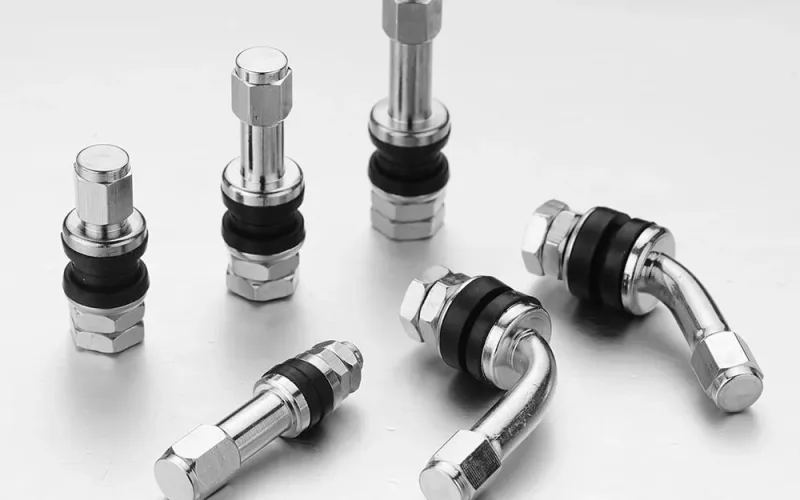
High-pressure metal clamp-in valve stems
High pressure metal clamp-in valves are the strongest and last the longest. They are made from metals like aluminum, brass, or stainless steel. These metals do not rust, get hot, or break easily. These valve stems can hold up to 200 PSI, so they are great for fast cars and tough jobs.
| Material | Durability Effect |
|---|---|
| Aluminum | Provides resistance to heat and harsh conditions |
| Brass | Offers strength and corrosion resistance |
| Stainless Steel | Enhances durability under high pressure and temperature |
High pressure metal clamp-in valves are used for:
- Heavy-duty trucks
- Buses
- Performance vehicles
- Off-road vehicles
These valve stems are important for tire pressure monitoring systems (TPMS). The valve stem must keep air in for the TPMS to work right. If you use the wrong size or material, it can cause leaks or sensor problems.
Callout: Picking the right valve stem size and material is very important for safety and for TPMS to work well.
Fortune’s Metal TPMS Valves
Fortune’s Metal TPMS Valves are special because they are strong and well-designed. These high-pressure metal clamp-in valve stems use top-quality copper and EPDM rubber. This makes a tight seal and helps them last a long time. The metal does not rust, break, or get damaged by heat or cold. This is good for cars that need strong valve stems or need to check tire pressure often.
| Advantage | Description |
|---|---|
| Durability | Metal TPMS valves are made of aluminum or stainless steel, known for their strength and durability. |
| Resistance to wear and tear | They are less likely to degrade over time, making them reliable for long-term use. |
| High tolerance to temperature | Metal valves perform better in various climates, ensuring reliability in extreme conditions. |
Fortune’s Metal TPMS Valves help TPMS sensors by fitting tightly and stopping leaks. Their special CNC process makes sure the surface is smooth and the size is just right. Drivers and mechanics can trust these valves for daily use or heavy work.
Note: Upgrading to high pressure metal clamp-in valves like Fortune’s Metal TPMS Valves can make tires safer and help TPMS sensors last longer.
Identifying and choosing valve stems
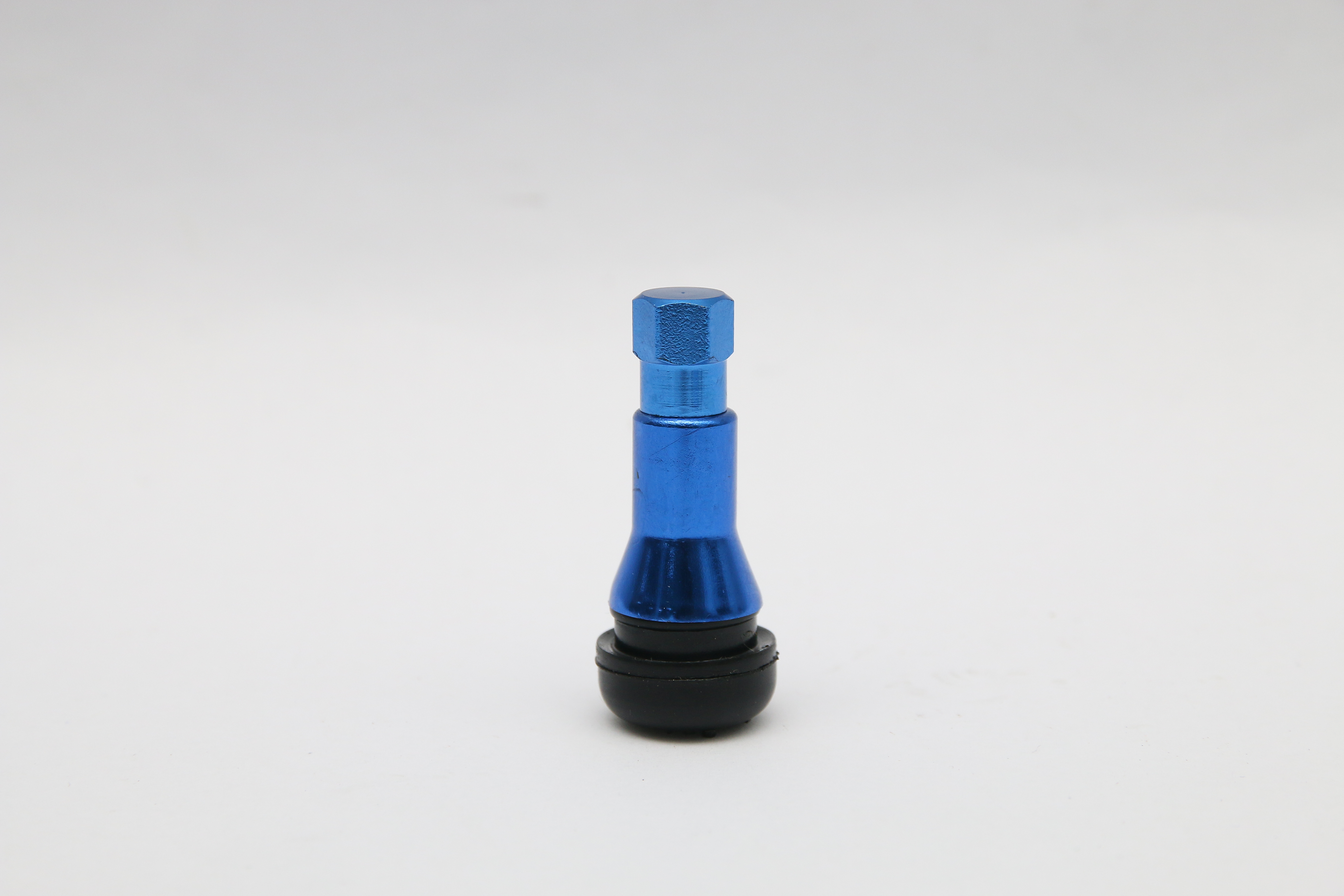
Visual identification tips
Vehicle owners can spot the type of valve stem on their tires by following a few simple steps:
- Find the valve stem on the wheel rim. It usually sticks out near the edge. Wipe away any dirt with a clean cloth.
- Remove the valve cap. Notice if the cap has fine or coarse threads. Look at the shape—some caps are narrow and conical, while others are wide and flat.
- Measure the diameter of the valve body just below the cap. Most passenger vehicles use tubeless rubber snap-in valves, which have a standard size.
- Press gently on the valve tip. Some valves push in with a spring, while others need a locknut loosened first.
- Use a tire gauge to check the fit. If the gauge clicks and seals well, it matches the valve type.
These steps help drivers tell if their vehicle uses tubeless rubber snap-in valves or a different style. Proper identification is important for tire pressure monitoring systems to work correctly.
Selection factors
Choosing the right valve stem depends on several factors:
- Vehicle type matters. Passenger cars often use shorter stems, while trucks may need longer or stronger ones.
- Tire size and rim depth affect the length of the valve stem needed for safe tire inflation pressure.
- Rim material plays a role. Some rims need special valve stems to prevent corrosion and ensure a tight seal.
- The environment also influences the choice. Vehicles in harsh climates or rough conditions benefit from metal stems.
- The way the vehicle is used is important. Standard rubber stems may not last as long on vehicles that face debris or heavy loads. Metal clamp-in stems work better for heavy-duty vehicles and support tire pressure monitoring systems.
Drivers should always check that the valve stem matches their vehicle’s needs. This helps maintain correct tire inflation pressure and keeps tire pressure monitoring systems accurate.
Maintenance and safety
Good maintenance keeps valve stems working well and supports tire pressure monitoring systems. Here are some tips:
- Inspect valve stems for cracks, leaks, or discoloration every month.
- Listen for hissing sounds near the valve stem. This can mean a leak.
- Use a soapy water solution to check for escaping air.
- Always keep a cap on the valve stem to block dust and water.
- Apply a silicone-based lubricant to rubber stems once a year.
- Handle valve caps gently to avoid damage.
- Replace valve stems if you notice frequent drops in tire pressure or trouble inflating the tire.
- Watch for signs of wear, especially on tubeless rubber snap-in valves, as these can age faster in sunlight or harsh weather.
Regular checks and careful handling help prevent problems. These steps protect both the tires and the tire pressure monitoring systems, making driving safer for everyone.
Picking the right valve stem is important for tire safety and how well your tires work. The table below shows how different materials change how long valve stems last and where they are used:
| Material | Lifespan | Key Advantages | Best Use Cases |
|---|---|---|---|
| Rubber | 1–3 years | Low cost, flexible, easy to install | Passenger vehicles, mild climates, short-term use |
| Metal Alloys | 5+ years | Corrosion-resistant, durable, high-pressure capable | Fleets, heavy-duty vehicles, performance cars |
| TPU | 4–6 years | UV/ozone resistant, flexible, chemical resistant | Marine, aviation, industrial applications |
| Vulcanized Rubber | 3–5 years | Heat-resistant, long-lasting, improved elasticity | Agricultural machinery, commercial fleets |

Choosing the right valve stem stops air from leaking out. This keeps tires safe. Some important safety effects are:
- Air leaks can make tire pressure drop.
- Low tire pressure makes it harder to steer and stop.
- Tires can fail more easily when driving fast.
Drivers need to look at their valve stems often. Fortune’s Metal TPMS Valves use strong materials and last a long time. They are trusted by many people. For the best results, car owners should ask an expert for help.
FAQ
What is the main job of a valve stem?
A valve stem lets air enter or leave a tire. It keeps the tire sealed so air does not escape. This helps the tire stay at the right pressure for safe driving.
How often should someone check valve stems?
Drivers should check valve stems every month. They should look for cracks, leaks, or damage. Regular checks help prevent air loss and keep tires safe.
Can a damaged valve stem cause a flat tire?
Yes. A damaged valve stem can let air leak out slowly or quickly. This can lead to a flat tire or even a blowout while driving.
Why do trucks use metal valve stems?
Trucks use metal valve stems because these parts handle high pressure and tough conditions. Metal stems last longer and resist heat, corrosion, and damage better than rubber stems.
Are Fortune’s Metal TPMS Valves good for all vehicles?
Fortune’s Metal TPMS Valves work well for many vehicles, especially those with tire pressure monitoring systems. They offer strong seals, resist harsh weather, and support heavy-duty use.
 Request a quote