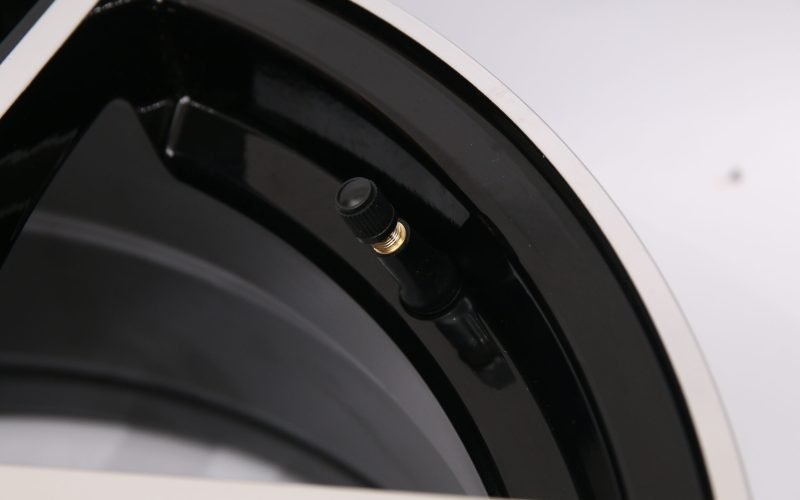
What is the difference between rubber and metal tire valves?
 20Mar
20Mar 

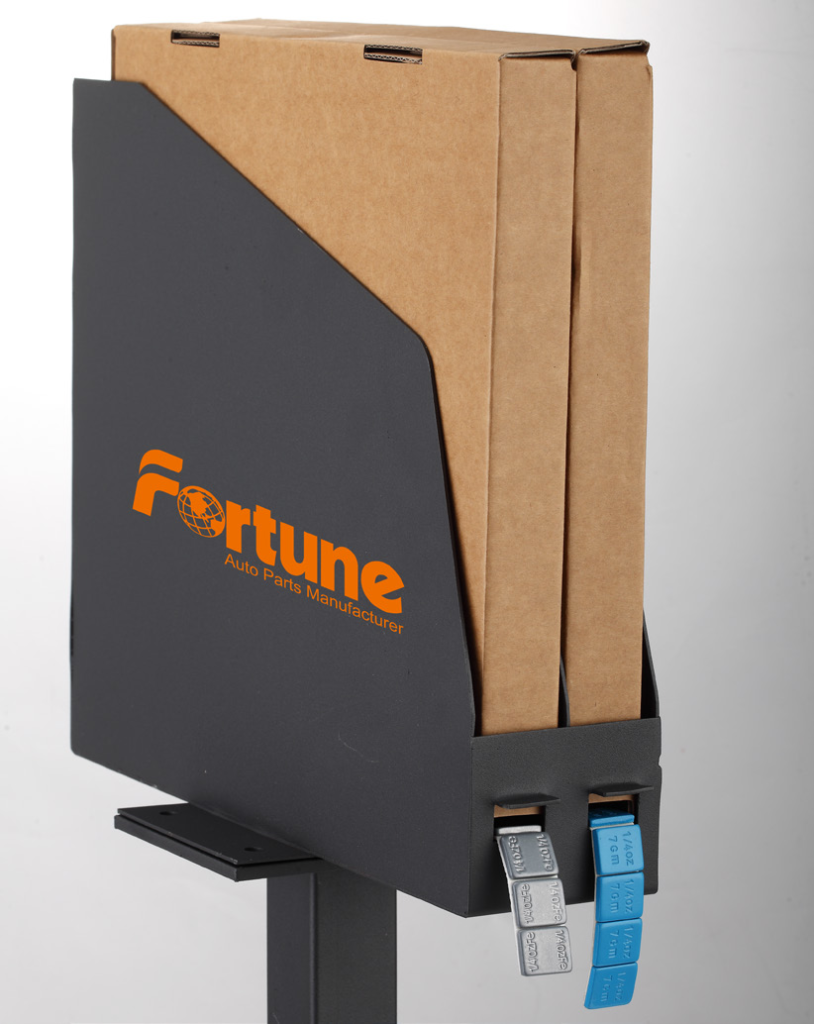
You want your wheels to run smoothly and last longer. Stick on tire weights gives you precise tire balancing because you can position them exactly where correction is needed. The strong adhesive backing holds firmly under heat, moisture, and road stress, keeping balance consistent over time. These adhesive wheel weights work on steel, alloy, and custom wheels without damaging the finish. With reliable bonding strength and clean placement, your tires remain balanced and your wheels maintain a sleek appearance. Stick-on weights resist temperature changes and harsh weather, ensuring long-term stability. When your wheel and tire operate in perfect balance, you achieve optimal driving performance. For professional-grade results, Fortune supplies high-quality steel and zinc adhesive wheel weights designed for durability, precision, and superior bonding strength.
Stick-on wheel weights attach directly to the inner surface of your wheel using industrial-grade adhesive. This secure bond withstands vibration, temperature fluctuations, and moisture exposure. When applied correctly, you position the weights precisely to correct imbalance and ensure smooth wheel rotation.
The adhesive layer typically uses advanced polymer compounds that combine flexibility and strength. These materials distribute stress evenly, preventing detachment even when encountering potholes or sudden braking. Because the force is evenly spread, the balance remains stable throughout thousands of miles.
Stick-on weights are compatible with alloy and custom wheel designs. They do not require clips, so they preserve the wheel finish. Laboratory peel and bond tests confirm that high-quality adhesive weights resist extreme temperatures and environmental changes.
Tip: Always clean the wheel surface thoroughly before installation to ensure maximum adhesion.
Manufacturers produce stick-on wheel weights in several materials, including coated steel, zinc, and polymer-coated steel. Many modern options are lead-free and eco-friendly, meeting global environmental standards.
| Specification | Details |
|---|---|
| Material | Coated steel, zinc, polymer-coated |
| Weight per Segment | 1/2 oz or 1 oz |
| Segments per Roll | Up to 640 |
| Adhesive Backing | Thermally stable, high-strength |
| Weather Resistance | All-weather performance |
| Applications | Car, truck, motorcycle, trailer |
Stick-on weights are supplied in strips or rolls, allowing flexible adjustment during balancing. Compared to traditional clip-on weights, they provide a lighter and more discreet solution. Many technicians prefer adhesive weights for their clean appearance and installation efficiency.
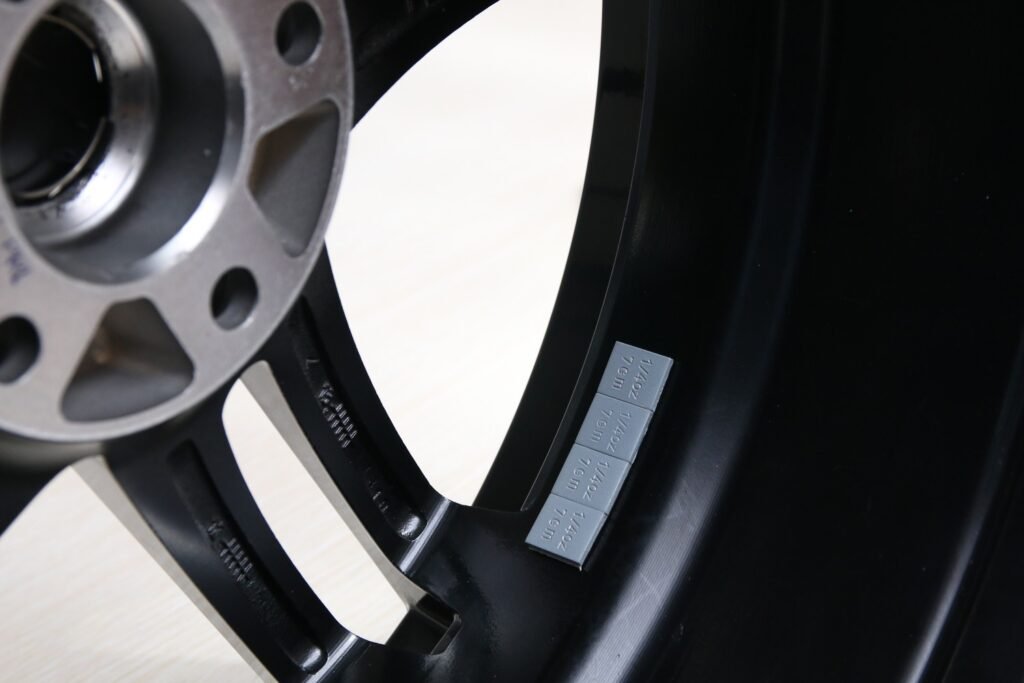
Precise placement allows accurate tire balancing, reducing steering wheel shake and seat vibration. Drivers often report noticeably smoother handling and improved stability after switching to adhesive weights.
Road testing confirms measurable vibration reduction, resulting in better comfort and quieter driving experiences.
| Benefit Category | Measured Impact |
|---|---|
| Ride Quality | Reduced steering and seat vibration |
| Vibration Reduction | Over 10% reduction |
| Tire Life Extension | Up to 50% longer life |
| Fuel Efficiency | 2–4% average improvement |
| Suspension Wear | Nearly 7% reduction |
| Adhesion Durability | 20,000–40,000 miles lifespan |
Even wheel rotation lowers road noise and high-speed vibration. Balanced tires reduce strain on suspension components and improve overall stability. Drivers experience less fatigue on long journeys.
Tip: Regular tire balancing ensures consistent performance and comfort.
Proper balance prevents uneven tread wear, extending tire lifespan significantly. Fleet data indicates up to 50% longer tire life with consistent balancing. Suspension components also benefit from reduced stress.
High-quality adhesive weights maintain strong bonding for 20,000 to 40,000 miles, even under challenging conditions.
Balanced wheels lower rolling resistance, reducing energy loss. Research indicates fuel efficiency improvements ranging from 1% to 10%, with most drivers observing gains between 2% and 4%.
| Performance Metric | Demonstrated Impact |
|---|---|
| Tire Life | 25–50% increase |
| Tire Heat | 8–10% reduction |
| Fuel Efficiency | 1–10% improvement |
| Annual Repair Savings | $200–$500 |
Reduced vibration also minimizes engine and suspension workload, contributing to better fuel economy.
Stick-on weights use high-strength adhesive bonding to smooth surfaces, eliminating the need for mechanical clips. This prevents scratches or rim damage.
Advantages include:
Stick-on weights are especially popular for premium alloy wheels where appearance matters as much as performance.
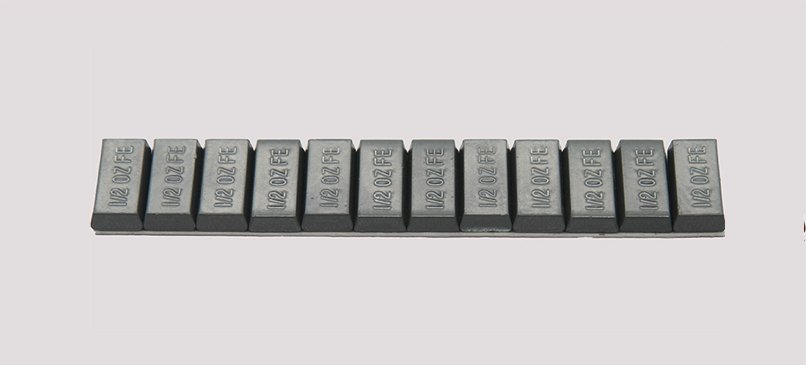
Stick-on weights allow exact placement, improving balancing accuracy.
| Metric | Description | Improvement |
|---|---|---|
| Fuel Efficiency | Reduced rolling resistance | 1–2% increase |
| Suspension Wear | Less vibration stress | 16.7% reduction |
| Placement Accuracy | Precise digital balancing | Tight tolerances |
| Ride Stability | Improved handling | Smoother ride |
| Feature | Stick-On Weights | Clip-On Weights |
|---|---|---|
| Durability | 20,000–40,000 miles | Often full tire life |
| Environmental Resistance | Sensitive to surface prep | Strong mechanical hold |
| Reusability | Single-use | Reusable |
| Best Use | Clean wheels, daily driving | Rough roads, steel wheels |
Stick-on weights remain hidden on the inner barrel of the wheel, maintaining a clean and modern appearance. Unlike clip-on weights, they do not compromise structural integrity or surface coating.
Balanced wheels reduce blowout risk and improve steering control. Even tire wear enhances traction and braking performance. Adhesive installation prevents rim damage, lowering the risk of cracks or corrosion.
| Safety Feature | Benefit |
|---|---|
| Even Wear | Reduced blowout risk |
| Smooth Rotation | Better steering control |
| Adhesive Mounting | Protects rim finish |
| Consistent Balance | Lower vibration-related failure |
| Weather Resistance | Secure in all climates |
Tip: Proper surface preparation is essential for maximum adhesion.
Lead-free steel adhesive weights pass corrosion and durability testing under extreme weather conditions. Using an adhesion promoter on aluminum wheels can significantly increase bonding strength.
Allow adhesive to cure for at least 24 hours before high-speed driving. Regular inspections ensure continued reliability.
Modern adhesive wheel weights are engineered for all-weather durability. Advanced adhesives and protective coatings provide strong, long-term attachment. Proper installation prevents detachment issues.
Stick-on wheel weights provide superior precision, protection, and long-term value. You benefit from:
Fortune offers high-performance tire weights stick on engineered for professional balancing results and dependable adhesion performance.
They typically last 20,000 to 40,000 miles under normal driving conditions when installed properly.
Yes. They are suitable for steel, alloy, and custom wheels without damaging the finish.
No. They remain hidden inside the wheel, maintaining a clean exterior look.
Clean the area thoroughly and replace with a new weight, ensuring correct balance placement.
Tip: Inspect wheel weights after rough driving conditions to maintain optimal performance.
 Request a quote