 05Mar
05Mar 

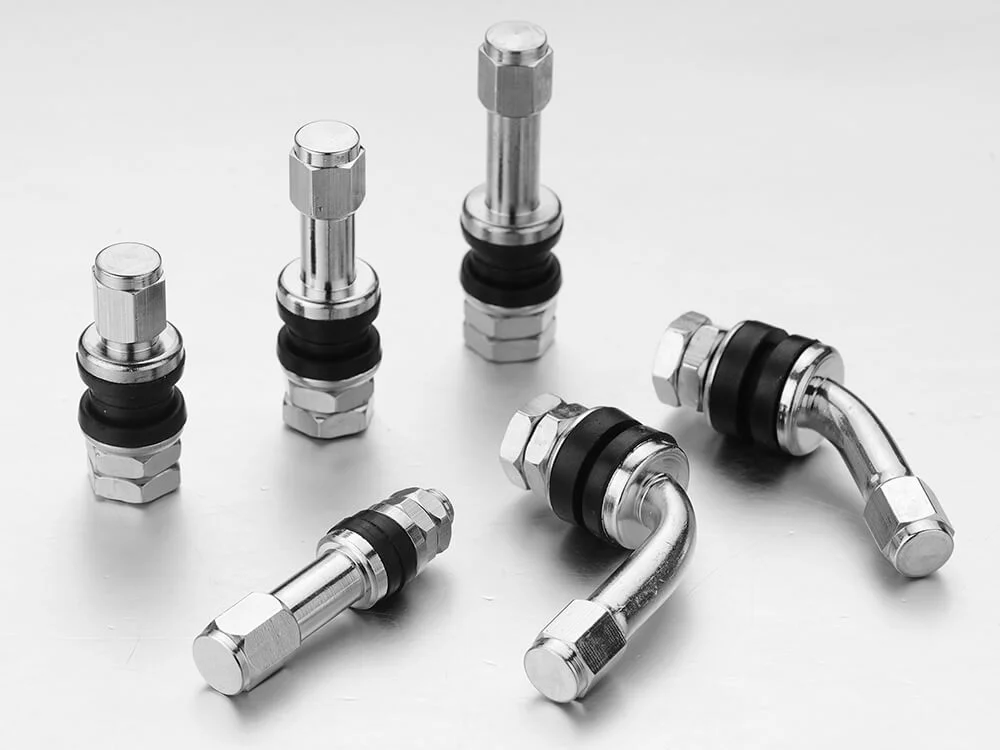
Replacing a tire valve stem usually costs $5 to $30. Rubber valve stems often cost less, about $5 to $15. The final price can change for many reasons. The type of tire valve matters. Shop labor fees also affect the cost. The service provider’s pricing can make a difference too. Picking a trusted brand like Fortune Tire Valves is smart. It can give better value and performance. Careful choices help drivers save money.
Key Takeaways
- Changing a tire valve stem costs $5 to $30. The price depends on the type and work needed.
- Rubber valve stems cost less and are simple to put in. Metal valve stems last longer and are good for fast cars.
- People can save money by changing rubber valve stems on their own. But they should let an expert change metal valves and TPMS systems.
- Always ask different shops for prices to get the best deal. Make sure the price covers everything, like work and TPMS reset.
- Check for warranties on valve stems and the work done. This helps protect you from problems and makes sure you get good service.
Tire Valve Cost Breakdown
Typical Price Range
The price to change a tire valve depends on what it is made of and what your car needs. Most shops sell rubber tire valves for regular cars. These rubber valves are cheaper and simple to put in. Metal tire valves are better for fast cars and alloy wheels. They last longer and do not rust easily. Look at the table below to see how rubber and metal tire valves are different:
| Type | Durability | Installation | Cost | Best Application |
|---|---|---|---|---|
| Standard Rubber | Medium | Easy | Low | Everyday passenger vehicles |
| Metal | High | Moderate | Medium-High | Performance cars, alloy wheels |
Rubber tire valves usually cost between $5 and $15 each. Metal tire valves cost from $15 to $30 each. Fortune Tire Valves sells both kinds. Their rubber valves use strong EPDM rubber. Their metal valves are made from good aluminum or brass. Drivers can pick what works best for their car and wallet.
Parts vs. Labor
The total price to replace a tire valve includes the part and the work. Shops charge for the valve stem and for putting it in. Sometimes, the worker must reset the Tire Pressure Monitoring System (TPMS). This makes the labor cost go up.
Labor prices are different in each place and shop. Some shops add TPMS reset in the price. Others make you pay more for it. If you change the tire valve yourself, you pay less. Doing it yourself costs about $10 for each stem. Getting a pro to do it costs more, especially if your car has TPMS. Metal tire valves need special tools and skills. Many people ask a pro for help with these valves.
Tip: You can save money by changing simple rubber tire valves yourself. It is best to let a pro install metal valves and work with TPMS systems.
Price Factors
Valve Type (Metal vs. Rubber)
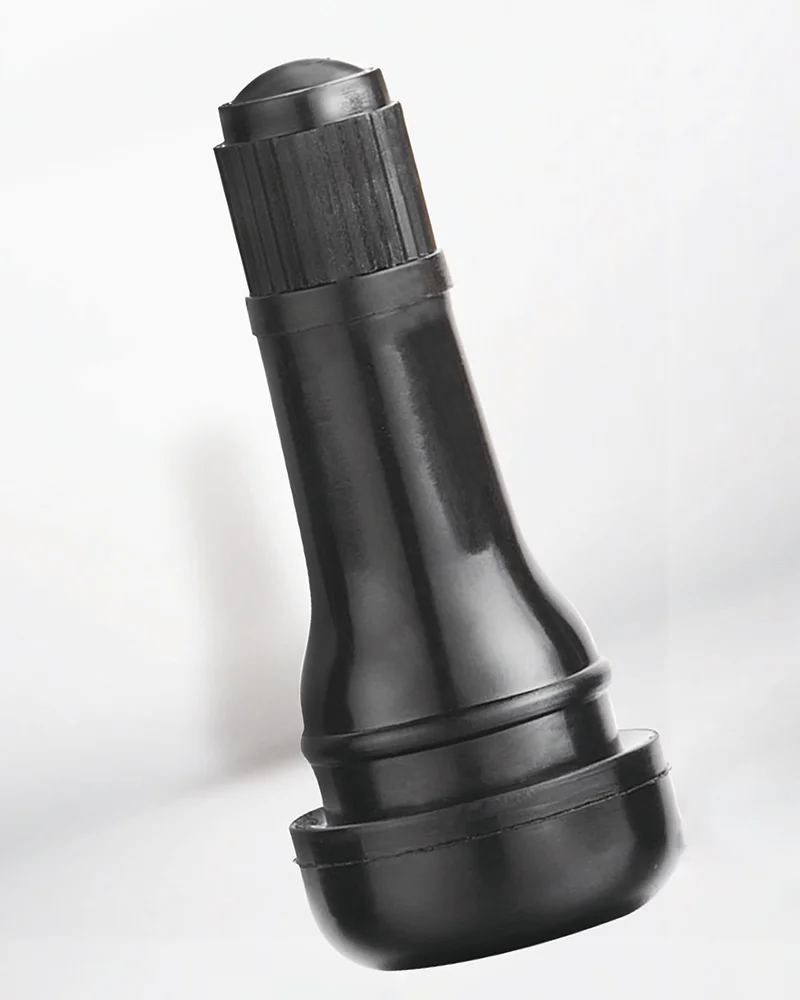
What a tire valve is made of changes its price and how well it works. Rubber valves are good for most cars people drive every day. They bend easily and are simple to put in. Metal valves are made from brass or aluminum. These are better for big trucks and fast cars. Metal valves last longer and do not rust as fast. The table below shows how each kind is different:
| Material | Best For | Lifespan | Key Benefits |
|---|---|---|---|
| Rubber | Standard passenger cars | 3–5 years | Flexible, affordable, easy to install |
| Brass | Trucks, trailers | 7–10 years | Durable, vibration-resistant, long-lasting |
| Aluminum | Racing, performance cars | 5–8 years | Lightweight, heat-resistant, corrosion-resistant |
Fortune sells both rubber and metal tire valves. Their tubeless valves use strong aluminum or brass. These metals stop the valve from bending or breaking. Aluminum valves have a special finish that keeps them from rusting. Fortune tire valves are tough and work well in bad weather.
Vehicle and TPMS Compatibility
The kind of car you have changes how much it costs to get a new valve stem. Cars with Tire Pressure Monitoring Systems need special valves. These sensors cost more to change. For example, Costco charges $45 to $65 for each TPMS sensor. One Toyota owner paid $325 for five sensors. Some car dealers charge up to $374 for one sensor. Cars without TPMS are cheaper to fix. Drivers should check if their car has TPMS before getting a new tire valve.
Note: You should get a new tire valve every time you buy new tires. Rubber parts can dry out and crack. This can make your tire lose air.
Location and Shop Rates
Where you live changes how much shops charge. Labor costs are higher in big cities. Small towns usually have lower prices. Some shops add TPMS reset in their price. Others make you pay more for it. It is smart to check prices at different shops. Always ask what the price includes.
Tips to Avoid Overpaying
Get Quotes
Smart shoppers ask for quotes before picking a shop. They look at prices from different places. Some shops have special deals or discounts. These deals can make labor cheaper during busy seasons. Drivers save money by asking about these offers. They should check if the quote covers all parts and labor. Some shops charge more for TPMS reset or metal valve work. Getting quotes from many shops helps drivers find the best price.
Tip: Ask each shop if the price includes everything, like TPMS reset and installation. This helps you avoid extra fees.
Check Warranties
Warranties protect drivers from bad parts or mistakes. Many good brands, like Fortune Tire Valves, give warranties on their products. Shops may also promise their work is good. Drivers should ask how long the warranty lasts and what it covers. They should check if it covers both the valve and the labor. A strong warranty means the provider trusts their products and service. It also helps drivers feel safe if something goes wrong.
- Look for warranties that cover:
- Valve stem defects
- Installation mistakes
- TPMS compatibility problems
Compare Providers
Drivers should compare providers using clear rules. The table below shows important things to look at:
| Criteria | Description |
|---|---|
| Material Quality and Durability | See how long the valve lasts and how it works in different weather. |
| Correct Size and Design Features | Make sure the valve fits the tire and has the right thread size and core type. |
| Ease of Installation | Check if the valve is easy to install, which can make things easier. |
| Pricing Strategies | Compare prices, including bulk deals and premium options, to find the best value. |
| Customer Feedback and After-Sales Support | Read reviews and see if the provider gives good help after the sale. |
Drivers should read reviews and ask about support after buying. They should pick providers with strong materials and easy installation. Comparing these things helps drivers save money and get good service.
Tire valve stem replacement can cost as little as $0.19. Some high-quality valve stems can cost up to $45. The table below lists the main things that change the price:
| Factor | Description |
|---|---|
| Valve Type | Standard, TPMS, or specialty valves |
| Material Used | Rubber, brass, or aluminum |
| Installation Complexity | Simple or advanced procedures |
| Market Dynamics | Changes in supply and material costs |
Drivers should pick trusted brands like Fortune for good results. They can get fair prices by comparing shops and checking warranties. It is smart to ask for clear service details. Checking your tire valves often helps keep your car safe and saves money.
FAQ
How often should drivers replace tire valve stems?
Drivers should replace tire valve stems every time they get new tires. Old rubber can crack and leak air. Regular checks help keep tires safe.
Can drivers install tire valve stems themselves?
Many drivers can install rubber tire valve stems with basic tools. Metal valves and TPMS systems need special skills. Professional help ensures proper installation.
What signs show a valve stem needs replacement?
Look for air leaks, cracks, or visible damage. If the tire loses pressure often, the valve stem may need replacement. A mechanic can check for problems.
Do Fortune Tire Valves work with TPMS?
Fortune Tire Valves offer both rubber and metal options. Their metal valves work well with TPMS sensors. Drivers can trust Fortune for compatibility and performance.

 Request a quote