 06Mar
06Mar 

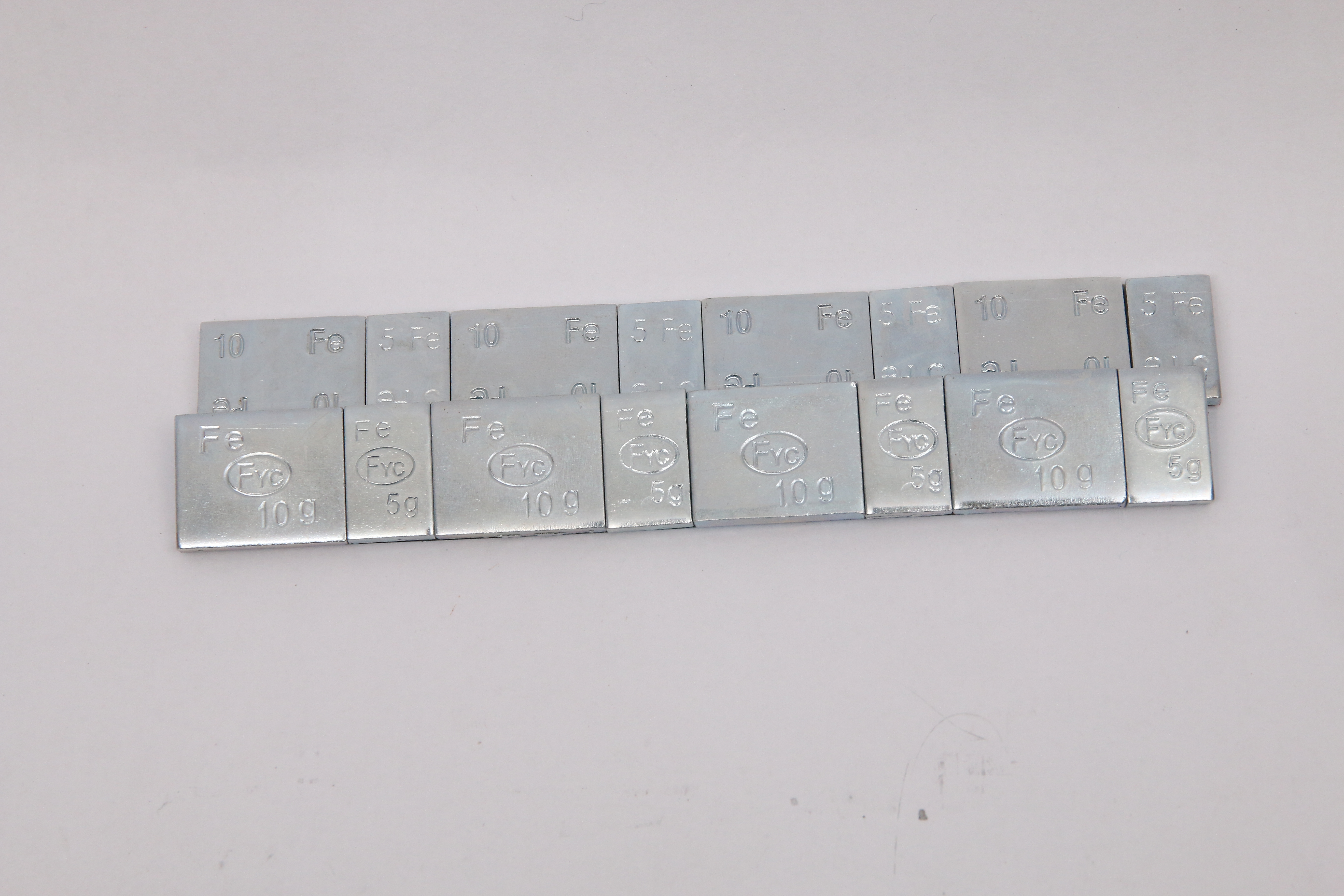
Choosing the right wheel weights keeps cars safe and smooth. Proper wheel weights stop vibrations. This gives a better ride and helps tires last longer. Studies show lighter wheels help cars go faster. They also help steering and lap times in cars like the BMW 3 Series and Mazda Miata. Drivers feel better control when the suspension reacts fast to the road. Fortune Wheel Weights give trusted choices for all vehicles. Anyone can pick the right wheel weights by following a few easy steps.
Key Takeaways
- Always look at your vehicle manual first. It gives important details about the right wheel weights for your car.
- Think about the wheel material and size when picking weights. Steel and alloy wheels need different weights to work best.
- Use a wheel balancer to put on wheel weights the right way. This stops shaking and makes driving smoother.
- Pick green choices like zinc or steel wheel weights. They follow rules and are better for the earth.
- Check and take care of your wheel weights often. This keeps you safe and helps your car work better over time.
Identify Your Wheels
Check Vehicle Manual
Drivers should look at the vehicle manual first. The manual has important facts about the wheels and the recommended wheel weights. Manufacturers tell you the best types and sizes for each car model. This helps drivers not make mistakes and keeps the car safe. Manuals also show where to put wheel weights. They explain how to match the right weight to the wheel for smooth driving. If the manual is lost, drivers can ask a professional or search online for the information.
Tip: Always check the manual before anything else. It saves time and stops mistakes.
Wheel Material and Size
Wheel material and size are important when picking wheel weights. Steel wheels need different wheel weights than alloy wheels. The table below shows how material changes the choice:
| Wheel Material | Wheel Weights Used | Key Characteristics |
|---|---|---|
| Steel Wheels | Steel or lead alloy wheel weights | Strong, heavy, can take hits and shakes, high density for balance |
| Aluminum Alloy Wheels | Aluminum alloy or zinc alloy wheel weights | Light, helps car performance and fuel use, resists rust |
Wheel size is important too. Sedans and coupes usually use wheels between 20 and 22 inches. These sizes work well with lighter wheel weights for good balance. SUVs use bigger wheels, like 28, 30, or 32 inches. Bigger wheels need heavier wheel weights and sometimes need a pro to tune them. Heavy-duty trucks have wheels made for big loads. Luxury and sports cars keep stock-like weight for better handling. Drivers should match wheel weights to both material and size for the best results.
Note: Fortune Wheel Weights fit many wheel types and sizes. They help drivers get the right balance for every car.
Types of Wheel Weights
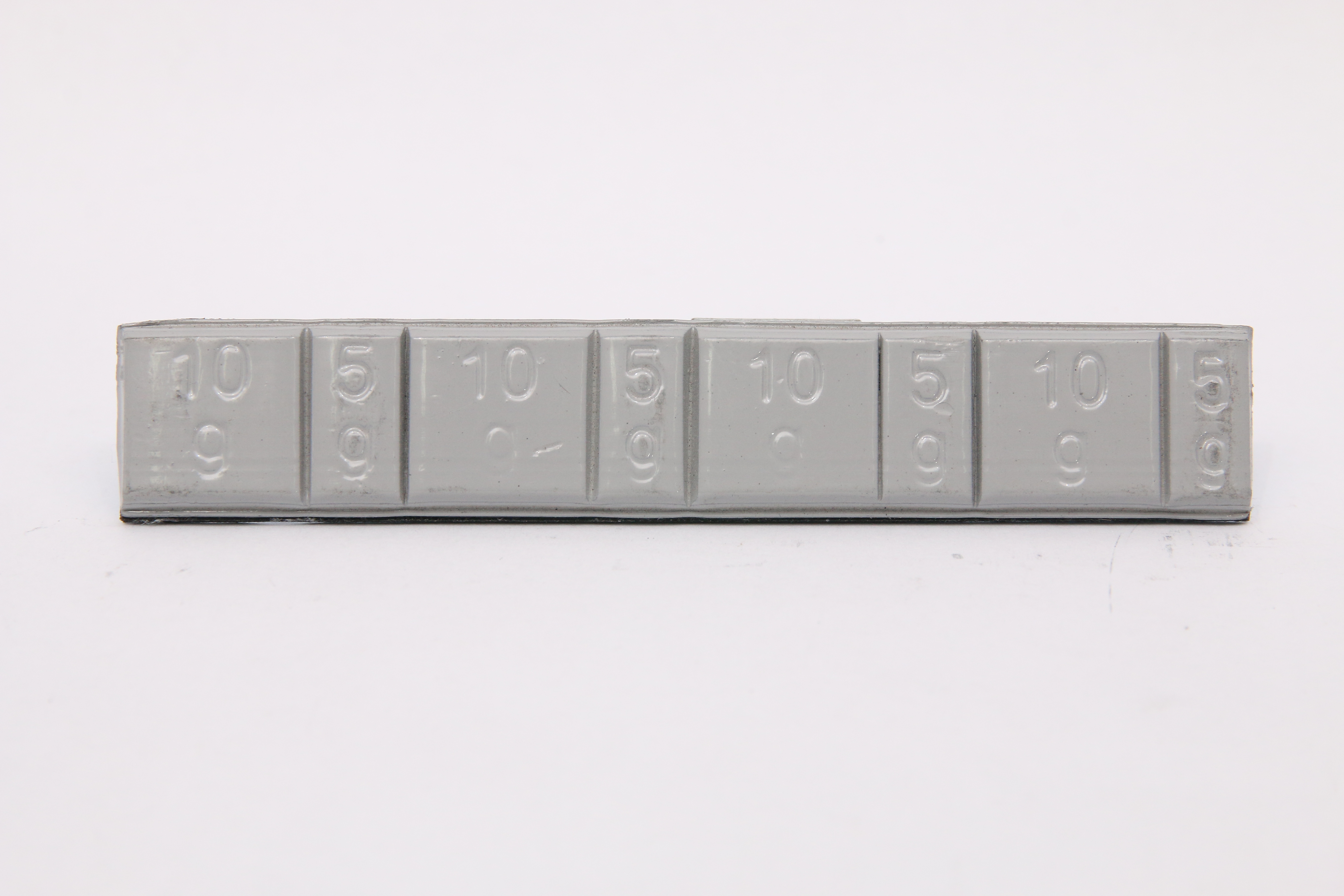
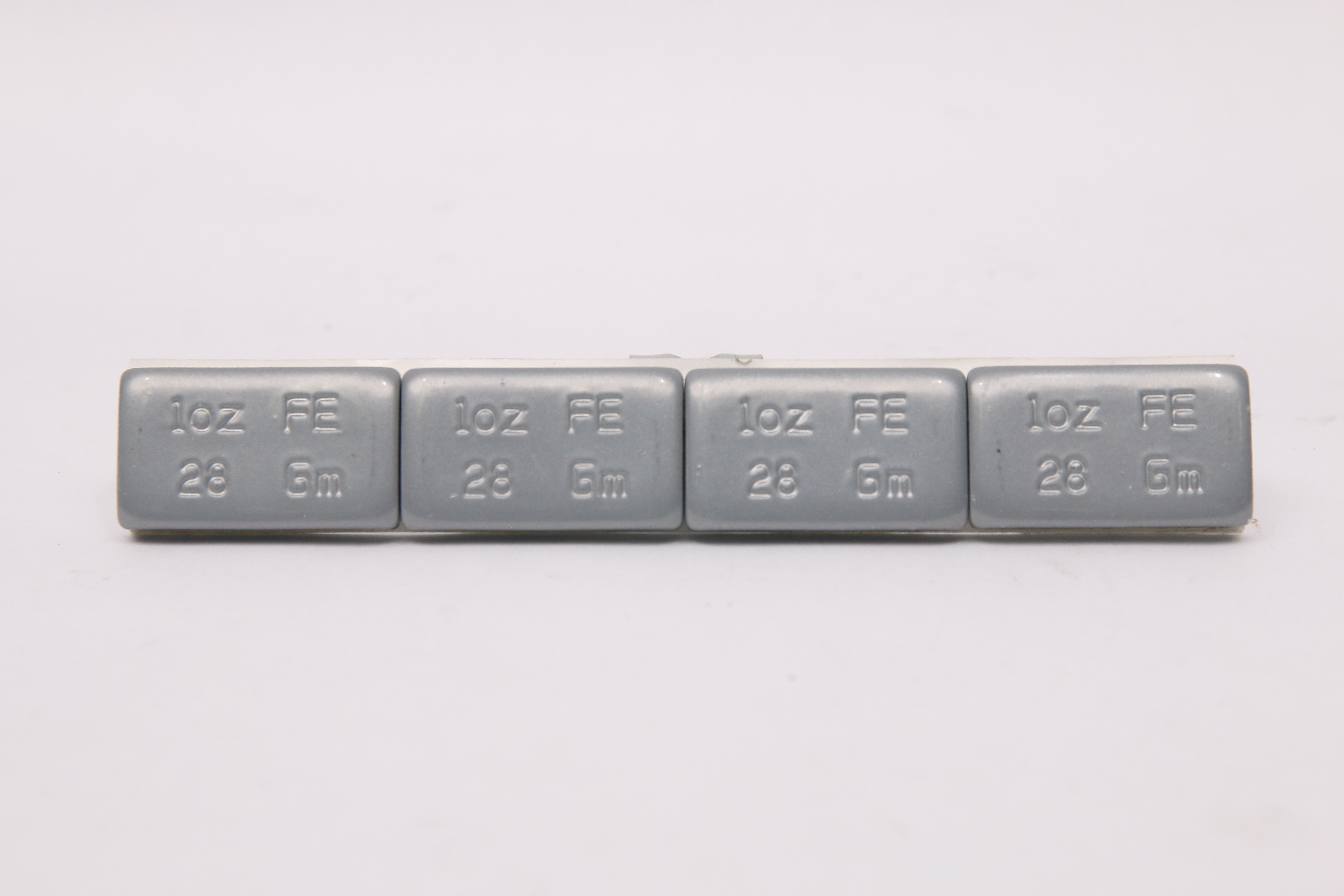
Fortune Wheel Weights is a top company. They sell clip-on weights and adhesive wheel weights. Drivers can pick from different wheel weights. This lets them match their car and wheel style. Knowing about wheel weights helps drivers choose the safest option. It also helps them get the best performance.
Clip-On vs. Adhesive
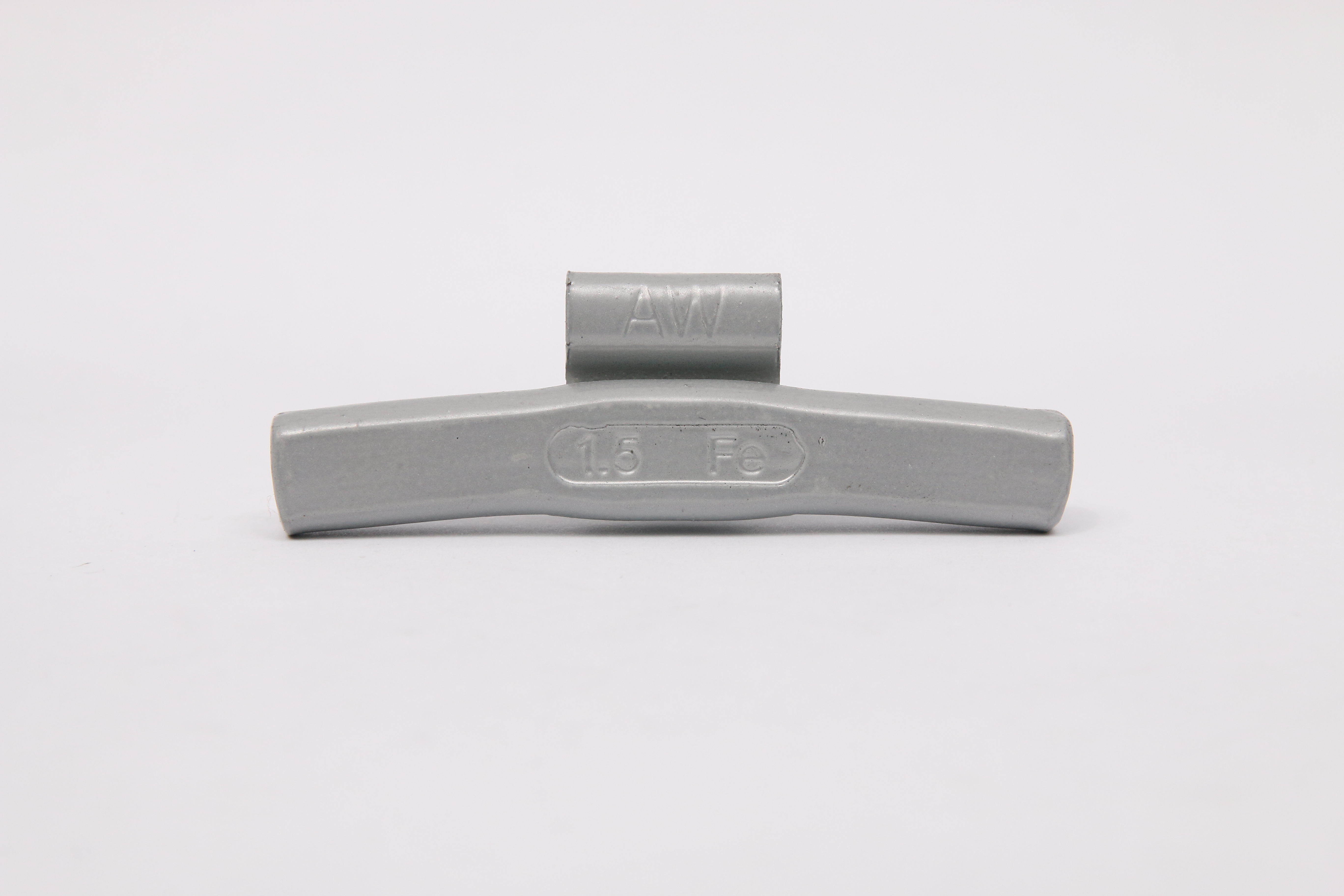
Many cars use clip-on weights. These weights make up most of the market. Clip-on wheel weights snap onto the rim edge. Tools are needed to put them on. They work best with steel wheels. Clip-on weights stay on tight. They last long and handle tough roads.
Adhesive wheel weights are becoming more popular. They stick to the inside of the rim. Drivers like adhesive wheel weights for alloy wheels. They keep the wheels looking nice and clean. These weights use strong glue. The glue works in hot and cold weather. Adhesive wheel weights are easy to put on. No special tools are needed. They are thin and match the wheel design.
Note: Fortune sells both clip-on and adhesive wheel weights. They fit many wheel types and sizes.
Main Differences
- Clip-on weights need tools and a wheel balancer.
- Adhesive wheel weights are easy to use with alloy wheels.
- Clip-on weights are good for steel wheels and big vehicles.
- Adhesive wheel weights stop damage to wheel finishes.
Material Options (Lead, Zinc, Steel)
Wheel weights are made from lead, zinc, or steel. Each material has its own features. They also follow different rules.
| Material | Durability | Environmental Compliance | Common Use |
|---|---|---|---|
| Lead | High | Banned in many places | Older vehicles |
| Zinc | Good | Lead-free, widely used | Modern vehicles |
| Steel | Excellent | Lead-free, affordable | Trucks, off-road |
Lead wheel weights are banned in many places. Zinc and steel wheel weights are now common. Car makers want suppliers to use lead-free wheel weights. Fortune offers zinc and steel wheel weights. These meet rules and work well.
Tip: Picking zinc or steel wheel weights helps the environment. It also follows the rules.
Drivers should pick wheel weights that match their wheel material. They should also follow local laws. Fortune Wheel Weights gives good choices for every car.
Choosing Wheel Weights
Using a Balancer
A wheel balancing machine helps technicians find the right wheel weight for each wheel. The process uses special tools and steps to make sure the wheels spin smoothly. Here is how the process works:
- Measure the rim width with a rim width caliper.
- Measure the distance from the rim to the backing plate flange.
- Measure the wheel diameter, such as 15″, 16″, or 17″.
- Spin the wheel on the balancer for a few seconds. The machine shows the exact amount and location for each wheel weight.
- Install wheel weights as the machine suggests, then spin the wheel again to check if the balance is correct.
Technicians can use stick-on or clip-on wheel weights, depending on the wheel type. Proper wheel balancing stops vibrations and wobbling. It also helps the tires wear evenly and keeps the ride smooth. Most cars need wheel weights as small as 0.25 ounces. Trucks and larger vehicles may need up to 7 ounces for each wheel. The right tire balance weights keep the vehicle safe and stable.
Tip: Always follow the machine’s instructions to install wheel weights. This helps avoid common mistakes and keeps the wheels balanced.
Professional Advice
Automotive professionals use several guidelines to choose the best wheel weight for each vehicle. They look at the vehicle type, wheel size, and the driving conditions. Here are some important points:
- Different vehicles need different wheel weights. Cars, SUVs, and trucks all have unique needs.
- Larger wheels or heavier vehicles often need more or heavier wheel weights to achieve proper wheel balancing.
- High-speed vehicles or those used for racing need very accurate balance. This means using the right amount and type of wheel weight.
- The material of the wheel weight matters. Lead, zinc, and steel are common choices. Many places now use zinc or steel for environmental reasons.
- The way to install wheel weights depends on the wheel design. Clip-on weights work well for steel wheels. Adhesive weights are best for alloy wheels.
- Choosing a trusted brand like Fortune ensures the wheel weights meet quality standards and last longer.
Professionals also check for signs of incorrect wheel weight installation. These signs include vibration while driving, uneven tire wear, and a steering wheel that shakes at higher speeds. Poor fuel economy and strange noises can also mean the wheel weights are not correct. If these problems appear, it is important to check and rebalance the wheels.
Proper wheel balancing improves vehicle performance in many ways. It reduces vibrations and wobbling, helps tires last longer, and keeps the ride comfortable. It also protects the suspension and steering parts from damage. Lighter wheels and the right wheel weights help the car accelerate faster and stop more quickly. Heavy or incorrect wheel weights can stress the suspension and make the car less agile.
Note: Experts recommend checking and balancing wheels every 5,000 to 7,500 miles. Always rebalance after installing new tires or if the car hits a pothole or curb.
To avoid mistakes, technicians should use the correct size and type of wheel weight. They must place the weights exactly where the machine shows. Training and certification help technicians install wheel weights the right way. Many programs and videos teach the best methods for wheel balancing.
Regular maintenance keeps wheel weights secure. Drivers should check for loose or damaged weights and replace them if needed. This keeps the vehicle safe and ensures the best vehicle performance.
Choosing the right wheel weights is easy if you follow steps. First, check your vehicle manual for information. Next, find out what material your wheels are made of. Then, use a balancer to make sure the wheels spin smoothly. Fortune Wheel Weights help drivers keep their cars safe and comfortable. These products also have strong warranty support:
| Warranty Type | Description |
|---|---|
| Limited Manufacturer Warranty | Fixes problems with how the product was made. |
| Mileage Warranties | Some tires have extra coverage; check the warranty papers for details. |
| Claims Process | Send an email with your order and problem to get help. |
If you are not sure what to do, ask a professional for help.
FAQ
What happens if someone uses the wrong wheel weights?
Using the wrong wheel weights can cause vibrations. The tires may wear out faster. The car might not drive smoothly. Drivers may notice shaking in the steering wheel.
How often should wheel weights get checked?
Experts recommend checking wheel weights every 5,000 to 7,500 miles. Drivers should also check after hitting a pothole or curb.
Can Fortune Wheel Weights fit any vehicle?
Fortune Wheel Weights fit most cars, SUVs, and trucks. The company offers many sizes and types. Drivers can find a match for almost any wheel.
Are adhesive or clip-on wheel weights better?
Adhesive wheel weights work best for alloy wheels. Clip-on wheel weights suit steel wheels. Each type has its own benefits. The right choice depends on the wheel material and design.
 Request a quote