admin1

September 15, 2025

Valve Stem Rubber Always Delivers Reliable Tire Pressure

Valve Stem Rubber Always Delivers Reliable Tire Pressure

You count on valve stem rubber to keep your tires at the right pressure every day. When you use tire pressure monitoring systems, you spot slow air leaks before they become a problem. High-quality rubber forms an airtight seal during inflation, so your tires hold pressure longer. This helps your car use less fuel and keeps you safer on the road. The automotive industry trusts these simple parts because they work for both family cars and heavy trucks.

Key Features of Valve Stem Rubber

Key Features of Valve Stem Rubber

Air-Tight Seal Technology

You want your tires to hold air, no matter where you drive. That’s why valve stem rubber uses advanced air-tight seal technology. The secret lies in the materials and design. Engineers choose elastomers like NBR and Viton because they stay strong and flexible. These materials create a tight seal during inflation, so air doesn’t escape. High-performance polymers such as PTFE also help the seal last, even when temperatures rise or oils touch the rubber.

Here’s a quick look at what makes the seal so reliable:

Material/FeatureDescription
ElastomersNBR and Viton keep the seal strong and flexible.
High-performance polymersPTFE stands up to heat and tough oils.
Sealing formsLip seals and V-Pack stacks stop leaks before they start.
Radial contact pressurePressure around the stem keeps the seal tight.
Lubrication controlControls oil so the seal works well without slipping.
Pressure differential managementHandles changes in pressure for better sealing.

You can trust tire valve stems with these features to keep your tires at the right pressure, mile after mile.

Flexibility and Durability

Valve stem rubber needs to bend and stretch as your tires move. Synthetic rubber compounds give it this flexibility. You’ll notice that rubber valve stems adapt to bumps and turns, which helps prevent cracks or breaks. This flexibility also makes installation and replacement easy for you.

Let’s break down the main points:

  • Rubber O-rings work well in low-pressure settings and cost less, but they don’t handle heat or chemicals as well.
  • Rubber valve stems, made from synthetic rubber, are flexible and durable for most cars and trucks.
  • You save money because these stems cost less than metal ones.
  • When it’s time for maintenance, you can replace them quickly.

You get a balance of strength and value with rubber stems. They last a long time under normal driving, so you don’t have to worry about frequent repairs.

Resistance to Weather and Chemicals

You face all kinds of weather and road conditions. Valve stem rubber stands up to sun, rain, snow, and even harsh chemicals. Chemical resistance studies show that these stems can handle high heat, strong fuels, and even concentrated acids. This means your tire valve stems keep working, even when the weather changes or you drive through tough environments.

Here’s a table showing how they resist damage:

CharacteristicDescription
High heat resistanceHandles up to 200 °C (392 °F), sometimes even 300 °C (572 °F).
Chemical repellencyBlocks aggressive solvents, fuels, oils, ethanol, acids, and alkalis.
Weather resistanceFights off UV rays, ozone, and harsh weather.
Durability and strengthStays strong for years, giving you peace of mind.
Aging resistanceSlows down aging, so you don’t need to replace stems often.
Oxidation protectionStops oxidation, keeping the rubber in top shape.

Tip: If you check your tire valve stems during regular inflation, you’ll spot any signs of wear early. This simple habit helps you avoid leaks and keeps your tires safe.

Tire Valve Stem Types and Their Applications

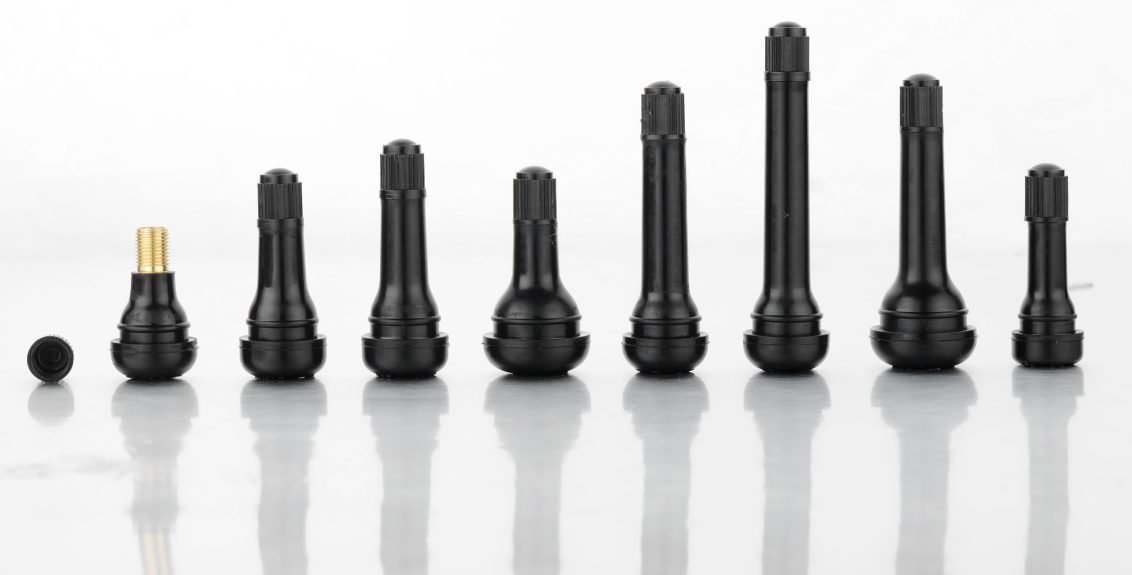
You see many tire valve stem types when you look at different vehicles. Each type fits a special need, so you get the best performance for your car, truck, or trailer. Here’s a quick table to help you understand where each type works best:

Type of Valve StemApplication Description
Tubeless Rubber Snap-in Tire ValveUsed for passenger cars, light-duty trailers, and light trucks. Handles pressures up to 65 psi.
Tubeless Snap-in High-Pressure Tire ValveBuilt for medium- to heavy-duty trucks and trailers. Handles pressures above 65 psi.
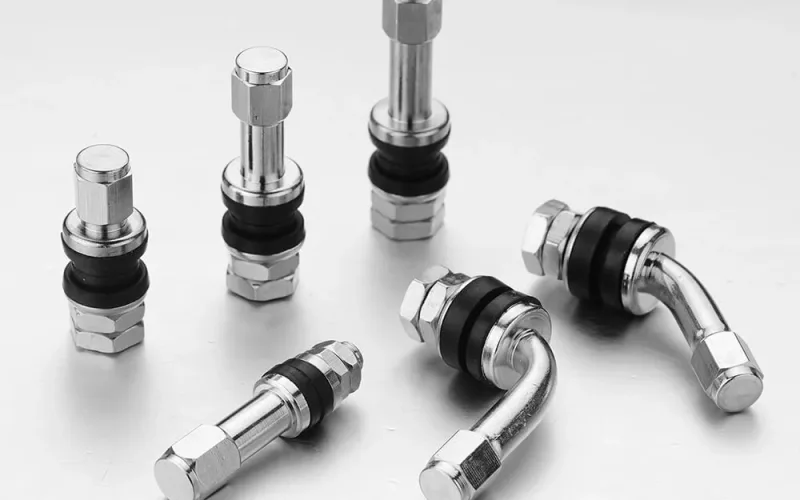
High-Pressure Metal Clamp-in Tire ValveNeeded for high-speed racing vehicles or those going over 130 mph. Handles up to 200 psi.

Snap-In Rubber Valve Stems

You probably have snap-in rubber valve stems on your car right now. Tire manufacturers recommend these for most passenger vehicles. Why? You get easy installation and quick replacement. Here’s what makes them a top choice:

  1. Snap-in valve stems help you keep proper tire pressure, which keeps you safe and saves fuel.
  2. You can install them fast, so you spend less time in the shop.
  3. Their design stops air leaks, so your tires last longer and work better.

Tip: If you check your snap-in valve stems during every tire rotation, you catch leaks early and avoid bigger problems.

High-Pressure Rubber Valve Stems

You need high-pressure rubber valve stems if you drive a heavy-duty truck or tow a trailer. These stems handle more air pressure, so your tires stay safe even with big loads. You find these stems on:

You get peace of mind knowing your tires won’t lose air, even on long trips or tough jobs.

Comparison with Metal Valve Stems

You might wonder how rubber stems stack up against metal ones. Metal valve stems last longer because they use stronger materials. They give you a tighter seal, which helps stop leaks. But rubber stems resist corrosion better and are easier to install. You pick rubber for everyday driving and metal for racing or extreme conditions.

Note: Always choose the right valve stem for your vehicle and driving style. This keeps your tires working their best.

Benefits of Tire Valve Stems for Tire Maintenance

Easy Installation and Replacement

You want tire maintenance to be quick and simple. Tire valve stems make that possible. You can spot the valve stem rubber sticking out from your tire. When you need to replace tire valve stems, you just follow a few easy steps. Here’s how you do it:

  1. Find the valve stem on your tire.
  2. Use a valve stem core remover and fit it securely.
  3. Turn the tool counterclockwise to take out the valve core.
  4. Clean or swap the valve core if needed.
  5. Screw the new valve core back in with the remover.

You don’t need special skills or expensive tools. You can finish the job in minutes. This design helps you keep your tires ready for safe driving.

Cost-Effectiveness for Drivers

You save money when you use tire valve stems for regular maintenance. Rubber stems cost less than metal ones. You don’t have to pay for complicated repairs. When you check your tire pressure monitoring systems, you catch leaks early. That means you avoid buying new tires before you need to.

Properly functioning tire valves are essential for sustaining the proper tire pressure while also ensuring safety and maximizing fuel efficiency. Additionally, regular maintenance of tire valves can help prevent leaks and prolong the life of the tires.

You spend less on fuel because your tires stay at the right pressure. You also avoid extra wear and tear. That keeps your car running longer and helps you stick to your budget.

Enhanced Safety and Tire Performance

You want your tires to perform well every day. Tire valve stems help you keep the right pressure during inflation. When you use tire pressure monitoring systems, you spot problems before they get worse. You avoid under-inflation and over-inflation, which can damage your tires.

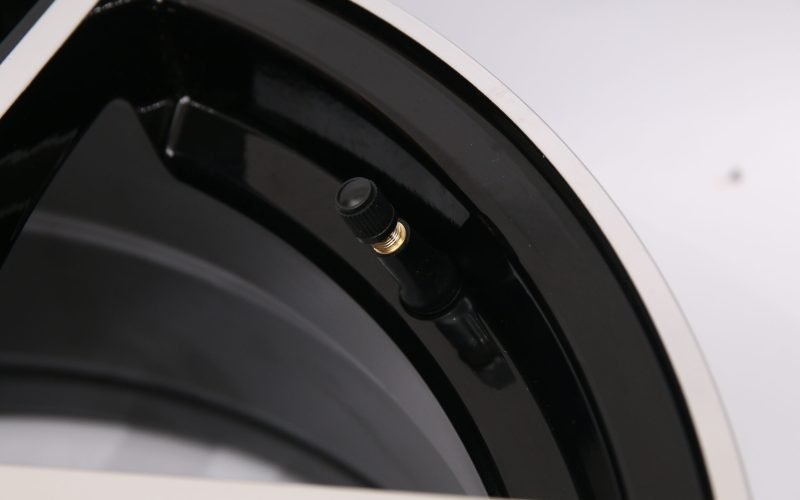
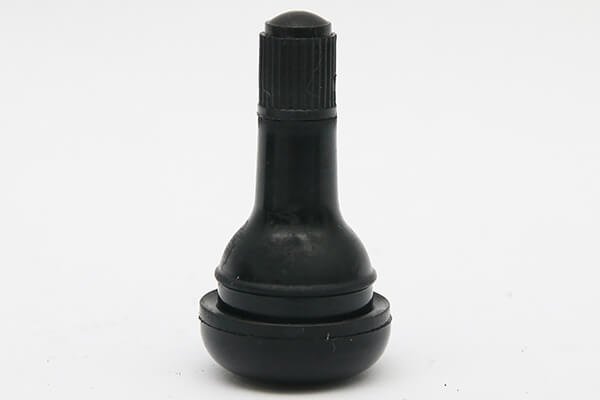
The valve stem is that small rubber tube protruding from the tire. It is where you attach the air pump head/fitting to inflate the tire or let air escape to reduce pressure. Under-inflating or over-inflating can have adverse effects such as premature wear on tires and poor fuel economy.

The tire valve stem cap is a critical component of the tire because it helps maintain tire pressure. Without the tire cap, the Schrader valve is not completely leak proof. Tire leaks can cause significant damage to all components of your tires and lead to a decrease in fuel efficiency.

You get better traction, smoother rides, and safer stops. You also protect your tires from damage. With regular inflation and maintenance, you keep your family safe and your car in top shape.

How to Choose and Maintain Tire Valve Stems

How to Choose and Maintain Tire Valve Stems

Selecting the Right Tire Valve Stem for Your Vehicle

Picking the right tire valve stem for your car or truck makes a big difference in safety and performance. You want to match the stem to your tire type and driving needs. If you drive a family sedan, you probably need a flexible rubber stem. If you haul heavy loads or drive a high-performance vehicle, you might need a metal stem that handles more pressure. Take a look at this table to help you decide:

FactorDescription
CompatibilityMake sure the stem fits your tire and wheel rim.
MaterialMetal stems last longer, rubber stems are easier to install.
Valve TypeSchrader or Presta? Pick what your vehicle needs and what you prefer.
Pressure RatingsCheck that the stem can handle your tire’s maximum air pressure.
QualityChoose stems from trusted brands for reliability and safety.

You also want to think about tire pressure monitoring systems. Some valve stems work better with these systems, so check your owner’s manual or ask your mechanic. When you get the right stem, you make inflation easier and keep your tires working their best.

Maintenance Tips for Longevity and Reliability

You can keep your tire valve stems working well with a few simple habits. Regular checks help you spot problems before they get serious. Here are some tips you can use:

Tip: If you notice air leaks or damage, replace the valve stem right away. This keeps your tires safe and helps you avoid trouble on the road.

By following these steps, you make sure your tire valve stems last longer and keep your tires at the right pressure. Good maintenance means fewer surprises and smoother drives.

Fortune’s Commitment to Quality in Valve Stem Rubber

Manufacturing Standards and Certifications

You want your tire valve stems to work every time you check your tires or use tire pressure monitoring systems. Fortune makes sure you get that reliability by following strict manufacturing standards. Every valve stem goes through careful testing before it reaches you. Fortune’s factory uses advanced equipment and skilled engineers to keep quality high.

Certifications matter in the automotive world. Fortune holds ISO 9001, which means you get products with consistent quality and fewer defects. The company also meets IATF 16949, so you know the valve stems are safe and reliable for your car or truck. ISO 14001 shows Fortune cares about the environment during production. RoHS compliance means the rubber and other materials are free from hazardous substances, making your tires safer and longer-lasting.

Here’s a quick look at the certifications Fortune follows:

CertificationDescription
ISO 9001Ensures quality consistency and reduces defects.
ISO 14001Focuses on environmental management and sustainability.
IATF 16949Supports manufacturing of safe and reliable automotive products.
ISO 45001Ensures a safe and healthy work environment for employees.

You can trust Fortune to deliver valve stems that meet the highest standards. This attention to detail helps your tires hold air during inflation and keeps you safe on the road.

Global Service and Customer Support

You want help when you need it, no matter where you live. Fortune supports customers around the world. The company has warehouses and offices in North America, so you get fast delivery and easy access to support. Fortune’s team answers your questions and helps you choose the right valve stem for your vehicle.

If you ever have trouble with inflation or need advice about tire valve stems, Fortune’s experts are ready to help. You get clear instructions and friendly service. Fortune works with both big companies and individual drivers, so you always feel valued. The company’s commitment to customer care means you get reliable products and support every step of the way.

Tip: If you have questions about tire pressure monitoring systems or want to know more about valve stem maintenance, reach out to Fortune’s customer service team. They make sure you get the answers you need.


You rely on valve stem rubber to keep your tires at the right pressure every day. When you use tire pressure monitoring systems and check inflation often, you help your car run safely and save fuel. High-quality tire valve stems give you better air retention, longer tire life, and fewer worries about sudden air loss. If you skip regular checks or use poor materials, you might face problems like air leaks or cracks, as shown below:

Bar chart showing common issues from neglected tire valve stem maintenance

Trusting Fortune means you get reliable products and support, so every inflation is easy and every drive feels safe.

FAQ

How often should you check your valve stem rubber?

You should check your valve stem rubber every time you inspect your tire pressure. Most drivers do this once a month. Look for cracks, leaks, or discoloration. Regular checks help you catch problems early and keep your tires safe.

Can you replace a valve stem rubber by yourself?

Yes, you can replace a valve stem rubber at home. You need a valve stem tool and a new stem. Follow these steps:

  1. Remove the old stem.
  2. Insert the new stem.
  3. Inflate the tire.

Tip: Always double-check for leaks after installation.

What signs show your valve stem rubber needs replacing?

Watch for these signs:

  • Cracks or splits in the rubber
  • Air leaks around the stem
  • Difficulty inflating the tire If you spot any, replace the stem right away to avoid tire damage.

Does weather affect valve stem rubber performance?

Extreme heat, cold, and sunlight can age valve stem rubber faster. UV rays and ozone may cause cracks. You protect your stems by parking in the shade or using valve caps. 🌞❄️

Are rubber valve stems safe for high-pressure tires?

Rubber valve stems work well for most tires up to 65 psi. For higher pressures, like truck or trailer tires, use high-pressure rubber stems. Always check your tire’s pressure rating before choosing a stem.

    Have any Questions about product?

    At sem a enim eu vulputate nullam convallis Iaculis vitae odio faucibus adipiscing urna.

    Request a quote Request a quote