What is the difference between rubber and metal tire valves?
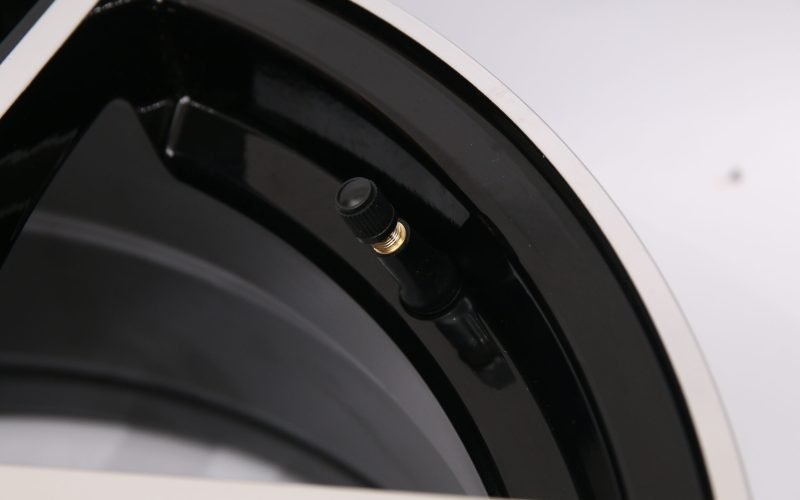 20Mar
20Mar 

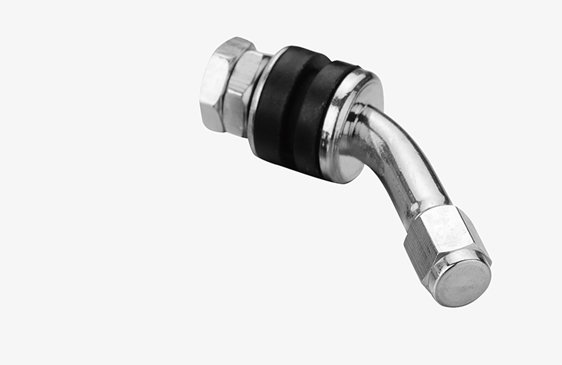
In commercial transport applications, the tire valve is a structural air-retention component rather than a minor accessory. For heavy vehicles operating under high load and sustained pressure, selecting the correct metal tire valves or truck TPMS valves directly affects pressure stability, casing durability, and overall operational safety. Air loss in truck tires is frequently traced to stem fatigue, seal degradation, or incorrect pressure rating selection rather than tread damage alone. A properly engineered valve stem prevents slow leakage, maintains calibrated inflation levels, and supports accurate monitoring data.
fortune manufactures both rubber and metal valve systems for truck applications, with controlled pressure validation, corrosion resistance testing, and sealing integrity verification prior to shipment.
Valve stem material determines pressure tolerance and environmental durability.
Rubber snap-in stems are typically produced from EPDM compounds bonded to a brass insert. Their flexibility allows tool-assisted installation without threaded fastening. These are suitable for moderate pressure ranges but are more vulnerable to heat aging, ozone exposure, and deformation under centrifugal force.
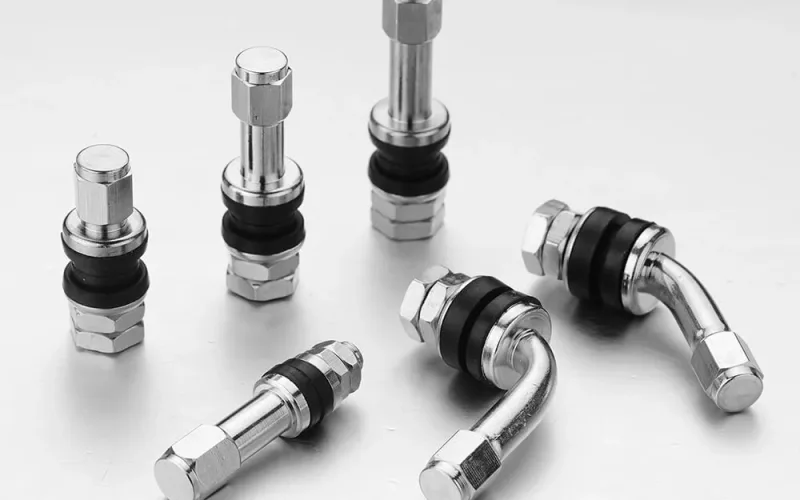
Metal valve stems—commonly brass, nickel-plated brass, aluminum, or stainless steel—use a clamp-in structure. Mechanical compression of a sealing grommet against the wheel provides stable retention. Compared to rubber stems, metal constructions:
Nickel-plated variants offer enhanced corrosion resistance in salted or coastal environments. For long-haul trucks and high-load fleets, clamp-in metal tire valves provide a higher safety margin.
fortune controls plating thickness and machining tolerances to ensure uniform thread engagement and sealing compression.
Effective air retention depends on multiple sealing layers:
In heavy-duty service, micro-leakage often develops from insufficient grommet compression or material fatigue. Clamp-in systems allow torque-controlled installation, ensuring predictable sealing force.
Secondary sealing caps provide additional contamination protection. While they do not replace the core seal, they reduce dirt intrusion and serve as a backup barrier against gradual pressure loss.
For commercial applications, sealing reliability is evaluated through pressure cycling and temperature exposure testing to simulate braking heat and seasonal variation.
Truck tire pressures commonly exceed passenger vehicle standards. Pressure mismatch between tire specification and valve stem capacity increases failure risk.
Typical operating ranges:
Using a low-rated stem in a high-pressure truck tire can lead to deformation, slow leaks, or sudden air release. Even a 10 psi deviation can increase tread wear rate and elevate operating temperature, accelerating casing fatigue.
Proper stem selection must align with axle load, tire specification, and operating pressure.
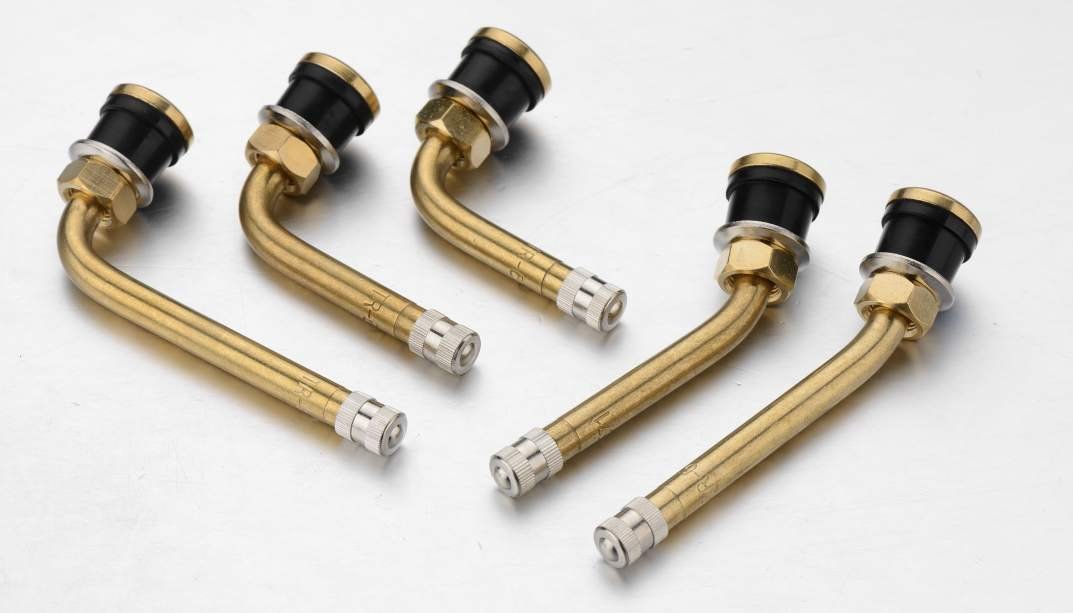
These are commonly used in light trucks and moderate-duty applications. Advantages include:
However, under sustained high load and elevated temperature, rubber stems may harden or crack. Replacement during each tire service cycle is recommended.
Designed with reinforced rubber bodies and metal inserts, these stems accommodate moderate heavy-duty requirements. They typically support up to 80 psi and are available in multiple bore diameters.
Shorter stem length reduces leverage stress from centrifugal force. These are suitable for medium-duty trucks where clamp-in systems are not required.
For heavy-duty trucks, trailers, and commercial fleets, clamp-in metal stems are the most stable solution. Constructed from brass or stainless steel, they provide:
Torque-controlled installation ensures consistent sealing compression. For fleet maintenance programs, clamp-in systems reduce leak-related downtime and improve inflation stability over extended mileage.
fortune supplies heavy-duty metal tire valves designed for commercial truck environments, including configurations compatible with internal sensor assemblies.
Common rim bore diameters include:
Improper bore matching compromises seal integrity. The stem base must align precisely with the rim profile to ensure uniform compression.
45-degree and 90-degree angled stems improve accessibility for dual-wheel or confined assemblies. Correct angle selection enhances service efficiency and reduces inflation tool strain.
Heavy-duty stems must tolerate wide temperature ranges, often from sub-zero winter operation to elevated brake-induced heat. Material stability across -40°F to 250°F is typical for commercial-grade metal systems.

For clamp-in systems:
For snap-in systems:
Incorrect torque or misalignment is a primary cause of stem leakage.
Routine inspection should include:
Rubber stems should typically be replaced every 4–6 years or during tire replacement. Metal stems require seal and washer renewal during service cycles.
Preventive replacement reduces the probability of roadside air loss events.
Installing passenger-rated stems in heavy truck applications leads to pressure instability and potential failure. Pressure rating must always exceed operating specification.
Under-rated stems may deform under load, resulting in gradual leakage. Pressure compatibility is a structural requirement, not an optional feature.
Reusing old grommets, over-tightening retaining nuts, or failing to clean rim bores compromises seal integrity. Proper installation torque and component replacement are mandatory for reliable performance.
Modern commercial vehicles frequently use integrated Tire Pressure Monitoring Systems. In such systems, the valve stem often supports the sensor assembly.
Truck TPMS valves must provide:
Flexible rubber stems are not recommended for heavy external sensor loads due to fatigue risk. Clamp-in metal stems provide improved dimensional stability and consistent data transmission.
When replacing stems on TPMS-equipped trucks, compatibility with sensor mounting geometry and sealing configuration must be verified.
Air retention in heavy-duty truck tires depends significantly on valve stem design, material integrity, and pressure compatibility. Rubber snap-in stems serve light-duty applications effectively but have performance limitations under sustained high pressure. High-pressure metal clamp-in systems provide superior structural stability, sealing reliability, and compatibility with truck TPMS valves.
Selecting the correct metal tire valves according to rim bore size, pressure rating, and operating environment prevents gradual air loss and reduces casing stress over time. Through controlled manufacturing processes, sealing validation, and corrosion resistance testing, fortune supplies truck valve stem solutions engineered for consistent pressure stability and long-term durability in commercial transport conditions.
You should replace valve stems every time you get new tires or at least every 4-6 years. Old stems can crack or leak, which leads to air loss. Regular checks help you spot problems early.
No, you should not use car valve stems on heavy-duty trucks. Truck tires need stems with higher pressure ratings. Using the wrong type can cause leaks or even blowouts.
Look for bubbles when you spray soapy water on the stem. You might also hear a hissing sound or notice your tire losing air faster than normal. A missing or cracked cap is another warning sign.
Yes, metal valve stems usually last longer. They resist heat, weather, and high pressure better than rubber stems. Many truck drivers choose metal stems for extra durability.
Yes, a damaged valve stem can cause your TPMS to give false alerts or stop working. Always use TPMS-compatible stems and check them often to keep your system accurate.
 Request a quote