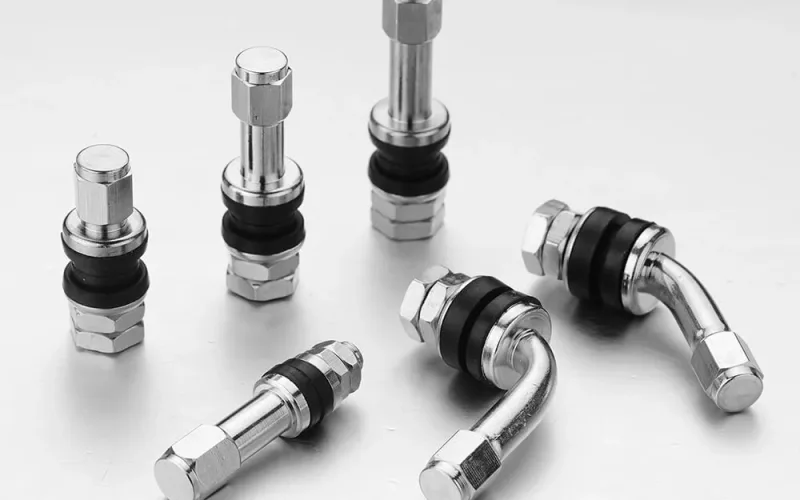
What is the difference between rubber and metal tire valves?
 20Mar
20Mar 


You rely on your tpms rubber valve stem to maintain proper tire pressure and ensure safety on the road. The right tire valve stem keeps air inside the tire and helps your tpms sensor work accurately. If you choose the correct type, you improve safety and performance for every drive. Different vehicles and sensors require specific valve stems, so always check your needs before installation.

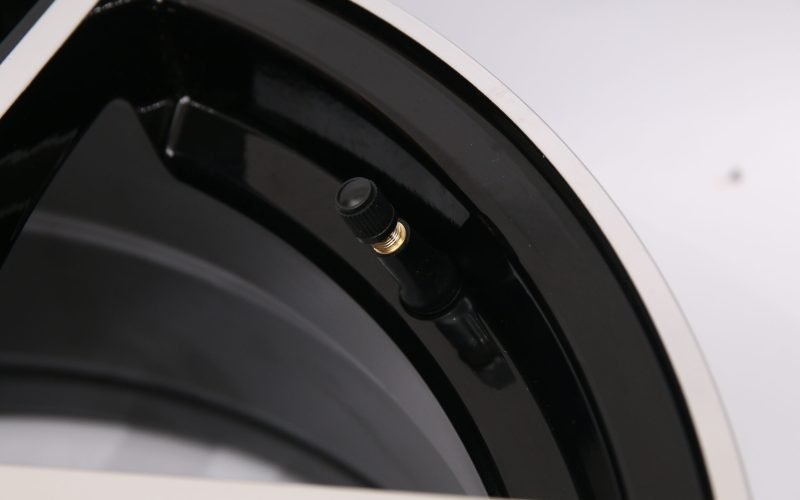
Snap-in TPMS rubber valve stems are one of the most common valve stem types you will find on passenger vehicles and light trucks. You can install these stems quickly and easily. The rubber base fits tightly into the wheel’s rim, which helps seal air inside the tire. This design keeps your tire pressure steady and helps your TPMS sensor work correctly.
Here is a quick look at the advantages and disadvantages of snap-in rubber valve stems:
| Advantages of Rubber Valve Stems | Disadvantages of Rubber Valve Stems |
|---|---|
| More resistant to corrosion | Can crack from UV exposure |
| Fewer parts, reducing failure points | Needs replacement during tire servicing |
| Easier installation and removal | May get damaged during removal if rubber hardens |
You should check your snap-in TPMS rubber valve stem regularly. If you see cracks or signs of wear, replace it to avoid slow air leaks.
Tip: Always use the correct combination of valve stems and TPMS sensors. This helps keep your tire pressure stable and your vehicle safe.
Clamp-in TPMS rubber valve stems offer a different style of installation. You will find these stems on some vehicles that need a more secure fit. The clamp-in design uses a metal cap, a valve stem barrel, and two rubber grommets of different sizes. You only use one grommet, depending on the size of the valve hole in your rim.
To install a clamp-in stem, push it through the valve hole. Make sure the grommet sits in the right spot. Secure the stem with a washer and nut. Tighten the nut to the recommended torque, usually between 25 and 45 inch-pounds. This keeps the grommet from getting damaged and ensures a tight seal.
Clamp-in stems give you a strong, leak-free connection. They work well for vehicles that need extra durability or face higher tire pressures.
Note: Always check the torque when installing clamp-in TPMS valve stems. Too much or too little can cause leaks or damage.
When you choose a TPMS rubber valve stem, you can pick between OEM (Original Equipment Manufacturer) and aftermarket options. Each has its own features for fit, quality, and cost.
| Feature | OEM TPMS Sensors | Aftermarket TPMS Sensors |
|---|---|---|
| Fit and Compatibility | Made for specific vehicle makes and models | Fits a range of vehicles, not always specific |
| Quality and Reliability | Built to strict standards, often more reliable | Quality can vary between brands |
| Warranty Coverage | Usually comes with a manufacturer’s warranty | Warranty may differ, not always guaranteed |
| Cost | Often more expensive due to brand assurance | Usually less expensive, but quality may vary |
You should use OEM stems if you want a perfect fit and high reliability. Aftermarket stems can save you money and work with many vehicles, but you need to check the quality before buying.
Tip: Always match your TPMS rubber valve stem to your vehicle’s needs. This helps your TPMS system stay accurate and keeps your tires safe.
You need to choose the right length and diameter for your TPMS rubber valve stem to get a proper fit. If you use the wrong size, your TPMS sensor may not work, and you could have air leaks. The valve stem size chart helps you match the correct stem to your vehicle. For example, passenger vehicles often use stems that are 1.25 or 1.5 inches long with rim hole diameters of 0.453 or 0.625 inches. Heavy-duty trucks need longer stems, sometimes up to 2.5 inches, and a larger rim hole. Motorcycles use shorter stems and smaller holes. Tractors and off-road vehicles can use stems up to 3 inches long.
| Vehicle Type | Stem Lengths | Rim Hole Diameters |
|---|---|---|
| Passenger Vehicles | 1.25 inches, 1.5 inches | 0.453 inches, 0.625 inches |
| Heavy-Duty Trucks | 2 to 2.5 inches or more | 0.625 inches |
| Motorcycles | 0.88 inches | 0.327 inches |
| Tractors and Off-Road Vehicles | 1.25 inches to 3 inches | 0.625 inches |
If you pick a stem that is too short, you may not be able to mount your TPMS sensor. Some users found that short stems made it impossible to install their sensors, which led to air leaks. You should always check the valve stem size chart before buying a new schrader valve.
You must also look at the pressure and temperature ratings for your TPMS rubber valve stem. Most passenger vehicles need stems that handle up to 65 psi and work in temperatures from -40°F to 180°F. If you use your car in very hot or cold places, these ratings matter even more. Extreme temperatures can change your tire pressure. In cold weather, your tire pressure drops, and in hot weather, it rises. This can cause your TPMS to give false warnings. High heat can also drain the battery in your TPMS sensor, making it less reliable.
| Vehicle Type | Maximum Pressure | Temperature Range |
|---|---|---|
| Passenger Vehicles | Up to 65 psi | -40°F to 180°F |
Tip: Always check the valve stem size chart and pressure ratings before installing a new schrader valve. This helps you avoid problems with your TPMS.
The material of your TPMS rubber valve stem affects how long it lasts. High-quality rubber resists cracking and hardening, even in strong sunlight or harsh weather. Good stems use brass valve cores, and some use nickel-plated cores to stop corrosion. If you use a schrader valve with an aluminum stem, make sure the valve core is nickel-plated. This stops corrosion from happening when different metals touch and moisture is present. Galvanic corrosion can weaken your valve stem if you do not use the right materials. The nickel coating acts as a barrier and keeps your valve stem strong.
If you live in a place with lots of sun, poor-quality rubber can crack and fail quickly. Always choose a valve stem from the valve stem size chart that uses strong, tested materials. This gives you better performance and a longer lifespan for your TPMS system.
When you select a TPMS rubber valve stem, you want it to last through tough conditions and daily driving. Durability and flexibility play a big role in how well your valve stem performs over time. Manufacturers design these stems to handle stress, temperature changes, and exposure to the elements.
A high-quality TPMS rubber valve stem uses ozone-resistant EPDM rubber. This material stands up to sunlight, heat, and road chemicals. You get a stem that resists cracking and hardening, even after years of use. The rubber stays flexible, which helps you install the stem easily and reduces the chance of breakage during tire changes.
Tip: Flexible rubber stems make installation smoother and help prevent accidental damage.
You also benefit from a valve core made of high-temperature rated nickel-plated brass. This core resists corrosion and keeps your tire pressure stable. Some stems include a manufacturing lot code stamped on the core. This feature gives you traceability and peace of mind about product quality.
Here is a quick look at the key durability and flexibility features:
| Specification Type | Details |
|---|---|
| Material | Ozone resistant EPDM rubber |
| Durability | Longer life, resistant to oxidation and environmental elements |
| Flexibility | Flexible rubber stem for easier handling and reduced breakage risk |
| Specification Type | Details |
|---|---|
| Valve Core | High-temperature rated nickel plated brass |
| Reliability | Stamped with manufacturing lot code for traceability |
| Versatility | Suitable for various vehicles including cars, trucks, and ATVs |
You should always check for these features when choosing a TPMS rubber valve stem. A durable and flexible stem helps your TPMS system work reliably and keeps your tires safe on the road.
You need to match your TPMS rubber valve stem to the correct sensor type for the best performance. Each sensor has a specific weight, usually between 30 and 40 grams. This weight can affect how your tire balances. If you do not account for the sensor’s weight, you may feel vibrations while driving. You should use proper mounting techniques, such as match mounting. This method lines up the heavy spot of the tire with the lightest spot on the wheel, which is often where the tire valve stem sits. When you align these spots, you help your vehicle ride smoothly and keep your TPMS working accurately.
Tip: Always check the sensor weight and mounting instructions before installing a new valve stem. This helps you avoid balance problems and ensures a secure fitment.
You must consider your vehicle’s make and model when choosing a TPMS rubber valve stem. Each car, truck, or motorcycle may need a different stem length, diameter, and pressure rating. Manufacturers design wheels with specific rim hole sizes and pressure needs. Passenger vehicles often use stems that are 1.25 to 1.5 inches long with rim holes of 0.453 to 0.625 inches. Heavy-duty trucks need longer stems and larger holes. Motorcycles and off-road vehicles use shorter or angled stems for tight spaces. Always check your owner’s manual or a fitment guide to find the right stem for your vehicle.
You can identify the proper fit for your tire valve stem by checking several factors. Use a tire valve stem size chart to compare stem lengths, rim hole diameters, and pressure ratings for your vehicle type.
| Vehicle Type | Common Valve Stem Lengths | Common Rim Hole Diameters | Pressure Ratings |
|---|---|---|---|
| Passenger Vehicles | 1.25 – 1.5 inches | 0.453 – 0.625 inches | Up to 65 psi |
| Heavy-Duty Trucks | 2 – 2.5 inches or more | ~0.625 inches | Up to 200 psi |
| Motorcycles | ~0.88 inches | ~0.327 inches | Up to 65 psi |
| Tractors and Off-Road | 1.25 – 3 inches | ~0.625 inches | Up to 100 psi or more |
You will find different stem shapes for various fitment needs:
Using the correct valve stem keeps air inside your tire and helps prevent leaks or blowouts. If you use the wrong fitment, you risk losing air and damaging your tire. Always consult a fitment chart before installing a new stem to protect your TPMS and tire life.
You should always start by measuring the valve hole and the stem before installing a new valve stem. Use a caliper or a valve gauge to check the diameter of the rim hole. Most passenger vehicles have rim holes that measure either 0.453 inches or 0.625 inches. Next, measure the length of the valve stem. Make sure the stem matches the size needed for your wheel and sensor. If the stem is too short or too long, it may not seal properly or could interfere with the sensor. Double-check these measurements to avoid air leaks and ensure a secure fit.
Tip: Always clean the valve hole before inserting the new stem. Dirt or debris can prevent a tight seal.
When you connect the sensor, you need to follow a few important steps to make sure everything fits and works well. Here are the best practices:
Following these steps helps your tpms system work accurately and keeps your tires safe.
After you install the valve stem and sensor, you need to test for air leaks and make sure the installation is secure. Use these techniques:
| Technique | Description |
|---|---|
| Cleaning and Inspecting Valve Stems | Wipe each valve stem with a dry, lint-free cloth to remove grime. Inspect for cracks or wear; replace if damaged. |
| Proper Torque Application | Follow the manufacturer’s specified torque value to ensure a secure fit without damaging the sensor. |
| Verifying Sensor Programming | After installation, use a calibrated tire gauge to check and adjust tire pressure according to the vehicle’s recommended PSI. Cross-check with the TPMS display. |
If you find any leaks, remove the stem and check for dirt or damage. A secure fit keeps your tires inflated and your sensor working properly.
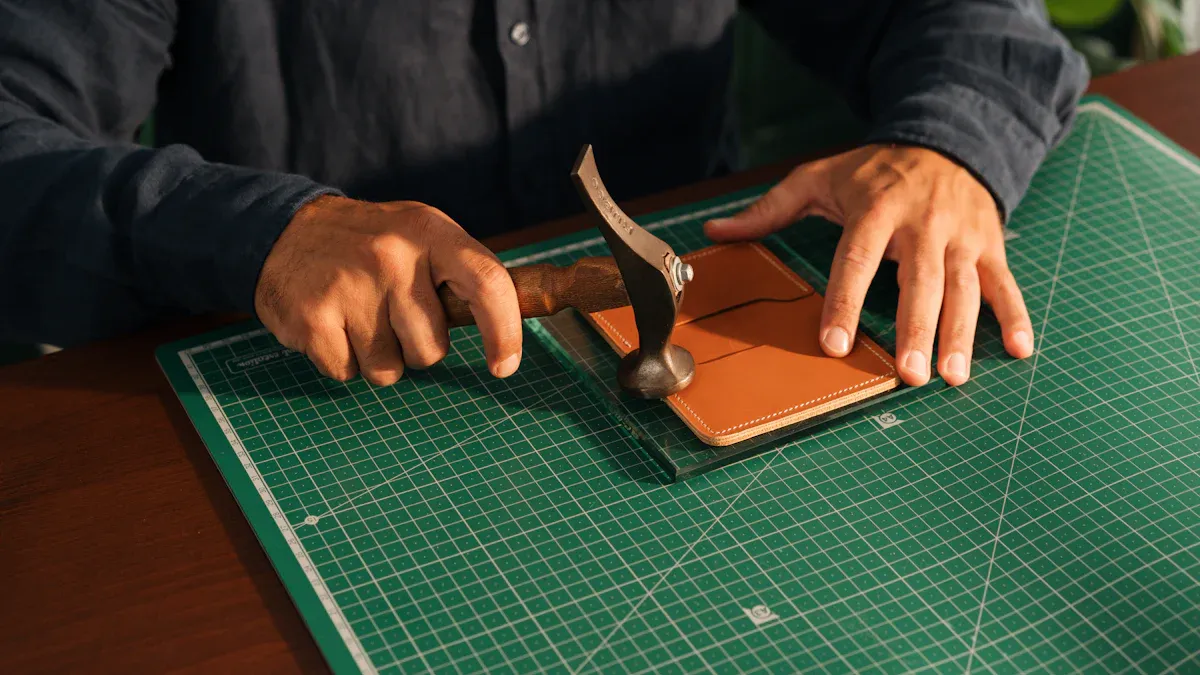
Installing a new TPMS rubber valve stem helps you keep your tire pressure monitoring system working accurately. You can follow these installation tips to make sure you get a secure fit and avoid common mistakes. This guide will walk you through the tools you need, how to remove the old valve stem, and how to install the new one.
You need the right tools and materials to complete the job safely and efficiently. Using the correct equipment helps you avoid damaging the TPMS sensor or the wheel. Industry experts recommend a few essential tools for this process.
| Tool Description | Purpose |
|---|---|
| Valve puller tool | Pulls snap-in valve stems through the rim hole |
| Torque wrench (inch-pounds) | Measures torque for proper installation |
| Preset torque-calibrated T10 screwdriver | Ensures correct torque application |
| Preset torque valve stem torque tool | Designed for valve stem installation |
| Tire deflator tool | Releases air from the tire |
| Tire bead breaker | Separates tire bead from the rim |
| Valve stem removal tool | Unscrews and removes old valve stems |
| Tire mounting tool | Helps re-seat the tire bead |
| Lug wrench | Removes and tightens lug nuts |
| Jack and jack stands | Lifts and secures the vehicle |
You should also have new seals and valve stem nuts if you plan to reuse or replace clamp-in TPMS sensors. Always check the torque specifications for your vehicle to avoid over-torquing. Most TPMS valve stem base nuts require between 35 and 80 inch-pounds of torque.
Tip: Replace valve stems every time you change your tires. Regular inspection helps you catch cracks or signs of wear before they cause leaks.
You can remove the old valve stem by following these steps. This process keeps your TPMS sensor safe and prepares the wheel for the new stem.
Note: Always use new seals and nuts when you replace or reuse clamp-on TPMS sensors. This prevents air leaks and keeps your system reliable.
You can now install the new valve stem. Take your time and follow each step to ensure a secure fit.
Key errors during TPMS rubber valve stem installation include:
- Not using new seals and nuts, which can lead to air leaks.
- Incorrect torque specifications, risking damage to the stem or sensor.
- Improper installation methods, such as mounting the sensor upside-down, causing relearn issues.
- Reusing old seals or nuts, which can lead to slow leaks or damage.
- Failing to check the alignment and seating of the valve stem, which can result in poor sealing.
You should always inspect your work before finishing. Check for air leaks by applying soapy water around the valve stem and watching for bubbles. If you see any, remove and reinstall the stem. Following these installation tips helps you maintain a reliable TPMS and safe tires.
You want your TPMS sensor and valve stem to stay secure and leak-free. Proper installation helps you avoid future problems like air leaks or sensor errors. Follow these steps to make sure you get a tight seal and reliable performance:
Clean the Valve Stem
Wipe the valve stem with a dry, lint-free cloth. Remove any dirt, grime, or oxidation. A clean surface helps the sensor and stem seal tightly.
Inspect for Damage
Look closely at the valve stem. Check for cracks, splits, or signs of wear. If you see any damage, replace the stem before you continue. Damaged stems can cause leaks or sensor malfunctions.
Secure the Sensor with Correct Torque
Attach the TPMS sensor to the valve stem. Use a torque wrench to tighten the sensor nut to the manufacturer’s specified torque value. This step is important. Too much force can damage the sensor or stem. Too little force can cause leaks. Always check your vehicle’s manual for the correct torque setting.
Program and Sync the Sensor
Follow the setup guide for your TPMS system. Program and sync the sensor with your vehicle’s onboard computer. This step ensures the sensor sends accurate pressure readings to your dashboard.
Tip: Always use new seals and nuts when installing or reusing a TPMS sensor. Old seals may not create a proper seal and can lead to slow leaks.
When you follow these steps, you help your TPMS system work correctly. You also reduce the risk of future air leaks or sensor issues.
After you secure the TPMS sensor and valve stem, you need to check your work. Careful inspection and proper tire inflation keep your system reliable and your tires safe.
Inspect the Valve Stem and Sensor
Look at the valve stem and sensor one more time. Make sure the stem sits flush against the rim. Check that the sensor is tight and does not move. If you see any gaps or loose parts, fix them before you inflate the tire.
Test for Air Leaks
Spray soapy water around the base of the valve stem and sensor. Watch for bubbles. Bubbles mean air is escaping. If you see bubbles, remove the stem and sensor, clean the area, and reinstall them. Repeat the test until you see no bubbles.
Inflate the Tire to the Recommended Pressure
Use a reliable tire inflator to fill the tire. Check the pressure with a calibrated tire gauge. Match the pressure to the value listed on your vehicle’s door sticker or owner’s manual. Proper inflation helps your TPMS sensor give accurate readings.
Verify TPMS Sensor Function
Turn on your vehicle and check the dashboard. Make sure the TPMS warning light turns off. If the light stays on, recheck the sensor programming and installation.
🛠️ Note: Always recheck the torque on the sensor nut after inflating the tire. Sometimes, the stem can shift during inflation.
By following these final steps, you help your TPMS system stay accurate and your tires stay safe. Regular checks and careful installation protect you from unexpected problems on the road.
You need to pay close attention to how tight you make the valve stem during installation. If you over-tighten the stem, you can damage the rubber or even crack the sensor. Under-tightening can cause air leaks and make your tpms system less reliable. Always use a torque wrench for the best results. Most valve cores need tightening to 4 inch-pounds. For clamp-in stems, check your vehicle’s manual for the correct torque, usually between 35 and 80 inch-pounds. Using the right torque keeps your tire valve stem secure and helps maintain safety on the road.
Tip: Always replace the valve core, grommet, nut, and cap when you install a new clamp-in stem. This helps prevent leaks and keeps your system working well.
Choosing the wrong size or type of valve stem can lead to many problems. If the stem does not fit the rim hole, you may see air leaks or trouble mounting the sensor. Some vehicles need a specific length or diameter. Always check your owner’s manual or a fitment chart before you buy. When you use the correct stem, you protect your tpms sensor and keep your tires safe. If you are not sure when to replace a valve stem, look for cracks, hardening, or signs of wear. Replace any part that looks damaged.
Air leaks can happen if you do not install the valve stem correctly. After you finish, always test for leaks by spraying soapy water around the base. If you see bubbles, remove the stem and check for dirt or damage. Replace any worn seals or grommets. Use a high-quality pressure gauge to check the tire pressure. This step helps you spot leaks early and keeps your tpms system accurate.
Here are the most common troubleshooting steps:
🛠️ Note: Regular inspection and careful installation help you avoid most valve stem issues and keep your tires safe.
When you see the TPMS warning light on your dashboard, you know something is wrong with your tire pressure monitoring system. This light helps you stay safe by alerting you to low tire pressure or sensor issues. You can fix most TPMS warning light problems by following a few simple steps.
Common Reasons for TPMS Warning Light Activation:
Tip: Always check your tire pressure first when the TPMS light comes on. Use a reliable tire gauge to compare the pressure in each tire with the recommended value found on your vehicle’s door sticker.
Step-by-Step Troubleshooting Guide:
Check Tire Pressure:
Use a tire gauge to measure each tire. Inflate any tire that is below the recommended PSI.
Inspect Valve Stems and Sensors:
Look for cracks, corrosion, or loose fittings. Replace damaged valve stems or sensors.
Reset the TPMS System:
Some vehicles have a TPMS reset button. Press and hold it until the warning light blinks and turns off.
Drive Your Vehicle:
Sometimes, the system needs a short drive to recalibrate. Drive for at least 10 minutes at speeds above 15 mph.
Scan for Sensor Errors:
Use a TPMS scan tool to check for sensor faults. The tool shows which sensor is not working.
| Problem | Solution |
|---|---|
| Low tire pressure | Inflate tires to correct PSI |
| Faulty sensor | Replace the sensor |
| Dead sensor battery | Install a new sensor |
| Incorrect installation | Reinstall valve stem and sensor |
| Sensor not programmed | Program or sync the sensor |
🛠️ Note: If the TPMS warning light stays on after you follow these steps, visit a professional technician. You may need advanced diagnostics or sensor replacement.
You keep your TPMS system working and your tires safe when you resolve warning light problems quickly.
You play a key role in keeping your vehicle safe by choosing the correct tpms rubber valve stem. Always measure your valve hole, select the right stem, and follow each installation step carefully. Regularly check your tpms and inspect valve stems for signs of wear or leaks. These habits help you maintain safety and extend the life of your tires.
You can expect a TPMS rubber valve stem to last 5 to 7 years under normal driving conditions. Extreme weather, frequent tire changes, or exposure to road chemicals may shorten its life. Inspect your valve stems during every tire service for cracks or signs of wear.
You should not reuse a TPMS rubber valve stem. Always install a new stem during tire changes. Old stems may crack or leak, which can cause TPMS errors and air loss. New stems help keep your tire pressure stable and your system accurate.
Spray soapy water around the base of the valve stem. If you see bubbles, air is escaping. You may also notice a slow loss of tire pressure. Replace any leaking valve stem right away to keep your tires safe.
| Vehicle Type | Common Stem Size (inches) |
|---|---|
| Passenger Car | 0.453 or 0.625 |
| Heavy-Duty Truck | 0.625 |
| Motorcycle | 0.327 |
You need to match the stem size to your wheel. Always check your vehicle’s requirements.
 Request a quote