You want your tires to deliver optimal tire performance every day. Regularly checking your auto schrader valve helps you avoid slow leaks that can mess with inflation and safety. Clean valves and tight caps keep dirt out, so you get the best performance from your tires. When you use quality parts and stick to a simple maintenance routine, you enjoy optimal tire performance for longer.
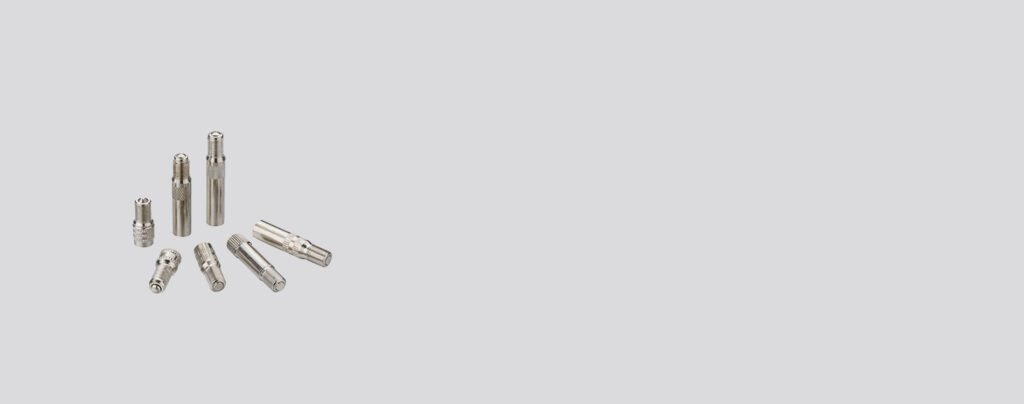
You want to keep your tire air valves working smoothly. A basic maintenance kit helps you do just that. Most kits include a valve core remover tool, a pressure gauge, and a few spare valve cores. You can use the valve core remover tool to take out old cores and put in new ones. A pressure gauge lets you check if your tires have the right amount of air. Spare valve cores come in handy when you spot a leak or notice damage. If you use these tools regularly, you can catch problems early and keep your valves in good shape.
Here’s a quick look at the tools experts recommend:
| Tool Type | Features | Purpose |
|---|---|---|
| Schrader Valve Replacement Tool | Ergonomic handles, adjustable settings | Reliable performance during valve maintenance |
| Diagnostic Tools | User-friendly interfaces, connectivity options | Accurate readings and system integration |
| Repair Tools | High-grade materials, durable design | Withstand tough use and prevent damage during repairs |
| Maintenance Tools | Easy-to-read gauges, automated functions | Monitor vehicle health and simplify routine checks |
You want your tire air valves to stay clean and free from dirt. Simple cleaning supplies work best. Use a soft brush to remove dust and debris from around the valve. A clean cloth helps you wipe away grime. If you see stubborn dirt, a mild soap solution works well. Make sure you dry the valves after cleaning so water doesn’t cause rust. You can use a small amount of lubricant to keep the valve moving smoothly. Always check the valve cap and clean it too. Clean valves help you avoid leaks and keep your tires safe.
Tip: Clean your tire air valves every time you check your tire pressure. This habit keeps dirt out and helps you spot problems early.
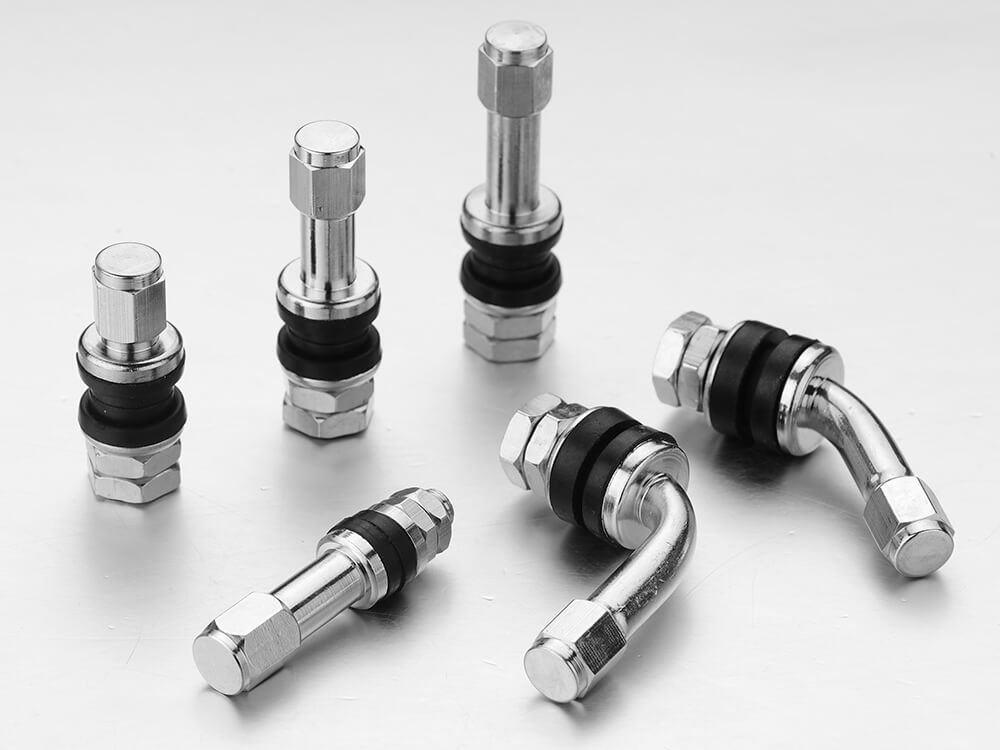
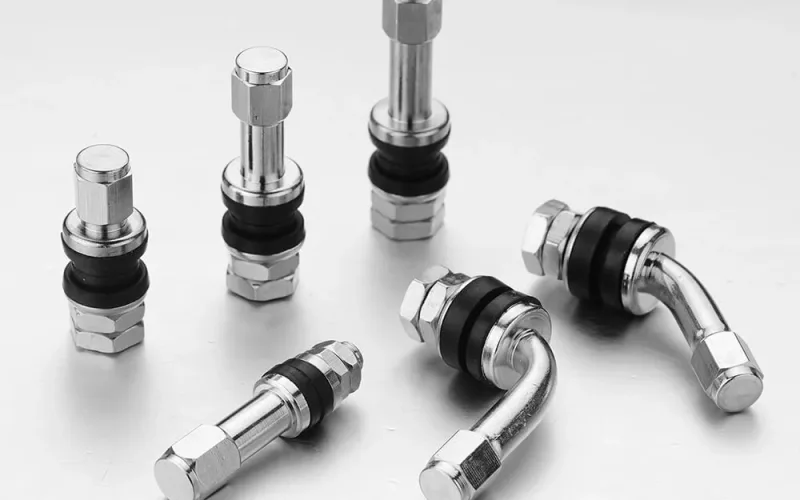
You need to know which parts to replace when you maintain your schrader valve. Mechanics say you should replace both valve cores if you notice leaks or wear. You can buy individual valve cores from auto parts stores. Some valves need different synthetic rubber seals, so check your vehicle’s requirements. Always keep a few spare valve cores and seals in your kit. If you use the right parts, your tire air valves last longer and work better.
If you follow these steps, you keep your valves working and your tires safe.

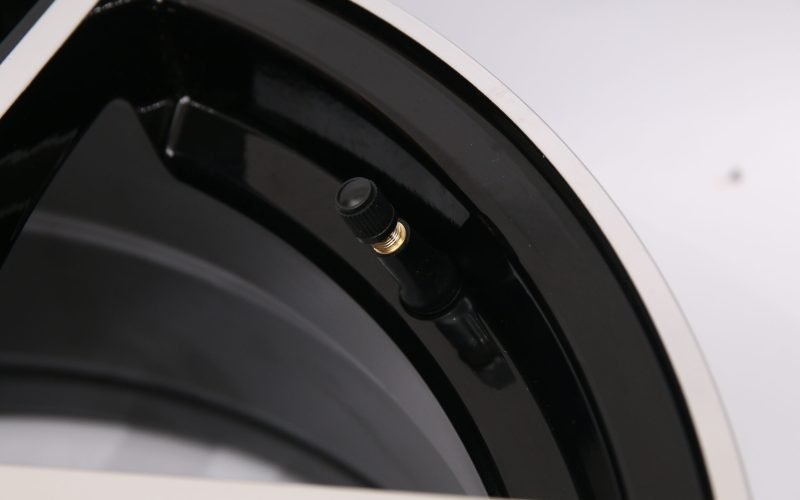
You want your tires to stay safe and last longer. Regular inspection of your tire air valves helps you spot problems before they get worse. Start by looking closely at each valve. Check for cracks in the rubber stem. Cracks often happen when the weather gets too hot or too cold. If you see any, you might have a slow leak.
Next, look at the valve cap. Missing or damaged caps let dirt and water get inside. This can cause leaks and even corrosion. Metal parts on the auto schrader valve can rust if you drive on salty roads or in wet weather. Corrosion makes the valve weak and more likely to fail.
Here are some common signs of damage or leaks you should watch for:
If you notice any of these problems, take action right away. Fixing small issues early keeps your tire air valves working and your tires safe.
Tip: Always check your tire air valves when you check your tire pressure. This habit helps you catch leaks or damage before they become bigger problems.
Keeping your schrader valve clean is simple but important. Dirt and debris can build up around the valve and cause leaks. Start by wiping the area with a clean, dry cloth. Use a soft brush to remove any stubborn dirt. If you see grime that will not come off, use a mild soap and water solution. Make sure you dry the valve completely after cleaning. Water left behind can cause rust.
Check the valve cap too. Clean it and make sure it fits tightly. A good cap keeps dirt and moisture out. If the cap is cracked or missing, replace it right away.
Here is a quick cleaning routine you can follow:
Note: Cleaning your tire air valves every time you check your tires helps prevent leaks and keeps your auto schrader valve in top shape.
Lubrication helps your schrader valve last longer and work better. Use the right lubricant to stop sticking and prevent corrosion. Some lubricants work better than others for tire air valves. Here is a table of recommended lubricants:
| Lubricant Name | Description | Temperature Range |
|---|---|---|
| MP Silicone Grease™ | Moisture-proof, non-conductive, safe for rubber | -70°F to 400°F |
| MP-50™ Moly Paste | Anti-seize, protects against wear and corrosion | -300°F to 750°F |
| Rust-Guard™ | Stops rust, good for metal parts | N/A |
| Krytox™ Performance | High-performance, long-term corrosion resistance | N/A |
Apply a small amount of lubricant to the moving parts of the valve. Do not use too much. Too much lubricant can attract dirt. Always choose a lubricant that works with your valve material.
Environmental factors can also affect your valves. Road salt can cause corrosion. Extreme heat or cold can make rubber seals expand, contract, or even crack. High humidity can lead to rust on metal parts. If you drive in tough weather, check your tire air valves more often.
Reminder: Schedule regular maintenance for your auto schrader valve. This keeps your valves clean, lubricated, and free from damage.
You want your tires to stay safe and last as long as possible. Spotting early signs of valve failure helps you avoid bigger problems. When a schrader valve starts to fail, you might notice some clear symptoms:
If you see any of these signs, your valves may not hold air well. This can hurt your tire performance and even cause air leaks that lead to flat tires. Always check for these symptoms when you inspect your tires.
Testing your valves for air leaks is easy and only takes a few minutes. You do not need special tools. Here is a simple way to check for leaks:
Tip: Regular leak tests help you catch problems early and keep your tires in top shape.
You should never ignore signs of damage or air leaks in your valves. Quick action keeps your tires safe and helps you avoid costly repairs. Here is what you can do:
If you act fast when you spot a problem, you protect your tires and keep your vehicle’s performance strong. Regular care for your schrader valve means fewer surprises on the road.

Sometimes, you notice your tire air valves are not working right. Maybe you hear a faint hiss or see your tire losing air. You can fix many small problems yourself before you need a full replacement. Here are some simple steps you can try:
⚠️ Always check your tire air valves when the tire is not under pressure. If you remove the valve core while the tire is full, it can shoot out quickly and cause injury.
If you follow these steps, you can fix most minor issues and keep your valves working well.
You want your tires to stay safe and last longer. Sometimes, fixing small issues is not enough. You need to replace tire air valves when you see certain signs. Here are some reasons to get a new auto schrader valve:
If you notice any of these problems, it is time for a replacement. Using a damaged valve can lead to flat tires or unsafe driving. Replacing the valve keeps your tires in top shape and helps you avoid bigger problems down the road.
You can replace tire air valves at home if you have the right tools. Here is a simple guide to help you do it safely and correctly:
Gather Your Tools
You need an air compressor, a floor jack, a lug nut wrench, needle-nose pliers, and a valve stem tool.
Remove the Wheel
Loosen the lug nuts with your wrench. Use the jack to lift your car. Take off the wheel and set it aside.
Deflate the Tire
Press down on the valve core to let all the air out. This step makes it safe to work on the valve.
Remove the Old Valve Stem
Use the valve stem tool to unscrew and pull out the old valve stem from the wheel.
Install the New Valve Stem
Insert the new valve stem into the hole. Make sure it sits straight and tight.
Inflate the Tire
Use your air compressor to fill the tire. Check the pressure with a gauge. Make sure it matches the number in your car’s manual.
Reinstall the Wheel
Put the wheel back on your car. Tighten the lug nuts. Lower the car and double-check the nuts.
Final Check
Listen for any hissing sounds. Put the valve cap back on. Test the tire air valves with soapy water to make sure there are no leaks.
Tip: Always use quality replacement parts for your schrader valve. This helps your valves last longer and keeps your tires safe.
If you follow these steps, you can replace tire air valves and keep your car running smoothly.
You want your tire air valves to last as long as possible. Setting a regular maintenance schedule helps you catch problems early and keeps your tires in top shape. Most experts recommend checking your valves every time you check your tire pressure, which is usually once a month. You should also inspect them before long trips or after driving in harsh weather. Cleaning and lubricating the valves every three months helps prevent dirt buildup and corrosion. Replace worn or damaged parts right away to avoid leaks.
Here’s a quick look at how sticking to a schedule boosts reliability:
| Maintenance Practice | Benefit for Reliability |
|---|---|
| Regular inspections | Identify potential issues before they escalate |
| Cleaning and lubrication | Prevent costly breakdowns and extend lifespan |
| Component replacement | Reduce need for frequent replacements |
| Proactive maintenance | Save time and money by avoiding major repairs |
| Efficient operation | Minimize risk of leaks and environmental damage |
You can get the most out of your schrader valve by following a few simple tips. Tire manufacturers suggest these best practices:
Tip: Using quality parts for your tire air valves keeps your vehicle safe and helps you avoid sudden breakdowns.
Some mistakes can shorten the life of your valves and hurt performance. Using low-quality replacement parts is a big risk. These parts may not fit right or seal well, which can lead to leaks and even damage the valve. Poorly made parts can cause unexpected problems and cost you more in the long run. Always choose parts that meet the right standards for your vehicle.
Other mistakes include skipping regular checks, ignoring warning signs, or forgetting to replace worn valve cores. If you avoid these errors, your tire air valves will last longer and keep your tires safe.
You keep your auto schrader valve working longer when you inspect, clean, and replace it on time. Using quality parts helps you avoid leaks and expensive repairs. Premium valve upgrades last through tough conditions and cut down on failures. You get longer service intervals and fewer breakdowns. Trust Fortune for reliable tire air valves and supplies that make maintenance easy.
You should check your Schrader valve every month. Always inspect it before long trips or after driving in harsh weather. Regular checks help you spot leaks or damage early.
Dirt, worn rubber seals, or a loose valve core can cause leaks. Sometimes, missing or cracked valve caps let moisture in. Extreme temperatures may also damage the valve.
Most of the time, you need to remove the tire to replace the valve stem. Some special tools let you change the valve core without taking off the tire. Always follow your vehicle’s manual.
The valve cap keeps dirt and water out of the valve. It also helps prevent slow leaks. If you lose the cap, replace it right away to protect your tire’s air pressure.
Use silicone grease or a product made for rubber and metal parts. These lubricants protect against rust and help the valve move smoothly. Avoid oil-based products, as they can damage rubber seals.