admin1

September 13, 2025

How Tire Pressure Valve Stems Keep Your Tires Properly Inflated

How Tire Pressure Valve Stems Keep Your Tires Properly Inflated

You depend on your tires every time you drive. The tire pressure valve stem keeps the air sealed inside, so your tires stay inflated and safe. If a valve stem fails, your tires can lose air quickly. Under-inflated tires cause nearly 90 percent of tire failures, according to the AAA Foundation for Traffic Safety.

  • Proper tire pressure helps you avoid accidents and makes your ride smoother.

What Is a Tire Pressure Valve Stem?

What Is a Tire Pressure Valve Stem?

Basic Definition of a Tire Valve Stem

You can find a tire valve stem on every wheel of your vehicle. This small but important part lets you fill your tire with air and helps keep the air inside. According to automotive standards, a tire valve stem includes a cap, a core with a pin for inflation, and a body that fits tightly into the wheel. The main job of the tire valve stem is to allow air to enter the tire and then seal it so the air does not escape. Without this part, your tire would not hold air, and you could not drive safely.

Where to Find Tire Valve Stems on Your Vehicle

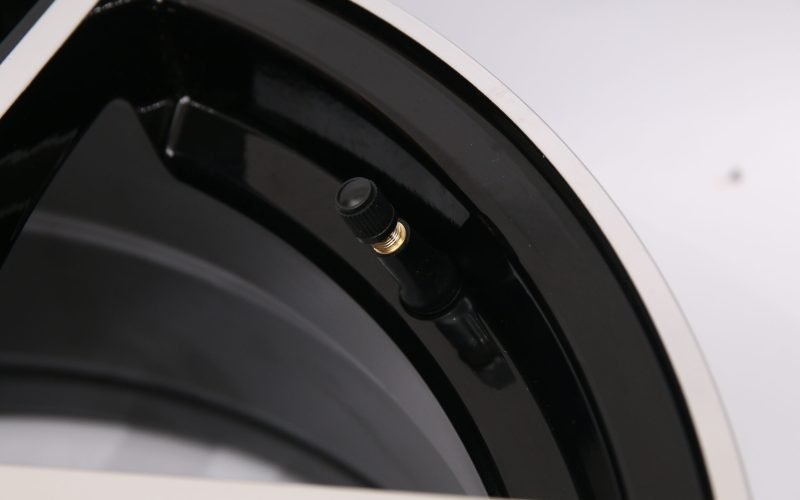
You will see the tire pressure valve stem sticking out from the rim of each wheel. It looks like a short tube, usually made of rubber or metal, with a small cap on top. You use this stem every time you check your tire pressure or add air. Most cars, trucks, and even bicycles have these stems in the same spot—on the outer edge of the wheel. When you look at your tires, you can spot the valve stem easily because it is the only part that sticks out from the wheel.

Why Tire Pressure Valve Stems Matter for Safety

Tire valve stems play a big role in keeping you safe on the road. They make sure your tires stay properly inflated, which helps your car handle well and stop quickly. If a valve stem leaks or breaks, your tire can lose air fast. Under-inflated tires can cause tread separation and even tire failure. Each year, these problems lead to about 40,000 accidents, 33,000 injuries, and over 650 deaths. When your tires have the right amount of air, your car stays stable, handles better, and brakes more effectively. Keeping your tire pressure at the correct level protects you and everyone else on the road.

Tire Pressure Valve Stem: How It Works

The Sealing Mechanism and Valve Core

You rely on the tire pressure valve stem to keep your tires filled with air. This small part has three main components: the stem body, the valve core, and the valve cap. These parts work together to seal air inside your tire. The valve core sits inside the stem and uses a spring-loaded plunger. When you remove the air fitting, the plunger pushes a poppet valve back into its seat. This action creates a tight seal that keeps air from escaping. A small red gasket in the valve seat adds extra protection, making the seal even stronger. The valve cap helps block dirt and moisture, which can damage the valve core. You need all these parts working together to keep your tire pressure steady.

How Air Is Added or Released Through the Valve Stem

You can add or release air from your tire using the valve stem. Here is how you do it:

  1. Park your car on a flat, safe spot and set the parking brake.
  2. Find the valve stem on your wheel’s rim.
  3. Unscrew the valve cap and put it somewhere safe.
  4. Use a flathead screwdriver, a key, or a sturdy pen to press the pin inside the valve stem.
  5. Check the tire pressure with a gauge after each short burst of air.
  6. When you reach the right pressure, screw the cap back on to keep out dirt and moisture.

This process lets you control the air in your tires. You can add air when the pressure is low or release air if the pressure is too high. You should always check your tire pressure to make sure your tires stay safe and last longer.

How Tire Valve Stems Prevent Air Leaks

Tire valve stems use strong materials and smart designs to stop air leaks. High-quality synthetic rubber gaskets help create a tight seal that lasts a long time. This seal is important because even small leaks can lower your tire pressure and make driving unsafe. Modern tires can lose 1-3 psi each month because air slowly passes through the rubber. At high temperatures and pressures, traditional rubber can let more air escape. New solutions, like graphene-enhanced rubber and dual-layer sealant systems, help reduce air loss. Metal valve stems made from brass or stainless steel resist corrosion and work well in tough conditions. You need a good seal to keep your tires inflated, especially when driving in hot or cold weather. If your valve stem gets old or damaged, it can start to leak. You should check your valve stems often to make sure they stay in good shape.

Tip: Temperature changes can affect your tire pressure. For every 10°F change, your tire pressure can go up or down by about 1 PSI. Always check your tires when the weather changes to stay safe.

Types of Tire Valve Stems

When you look at your wheels, you might notice that not all valve stems are the same. Different types of valve stems fit different vehicles and uses. The table below shows how the main types compare:

Type of Valve StemMaximum PressureApplicationsFeatures
Tubeless Rubber Snap-In Valves65 psiPassenger cars, light-duty trailers, light trucksFits .453″ or .625″ holes, lengths 7/8″ to 2-1/2″, plastic or chrome caps
Tubeless Snap-In Valves for High-Pressure80-100 psiMedium and heavy-duty trucks and trailersThicker rubber base, metal barrel, lengths 1-1/4″ to 2″, plastic cap
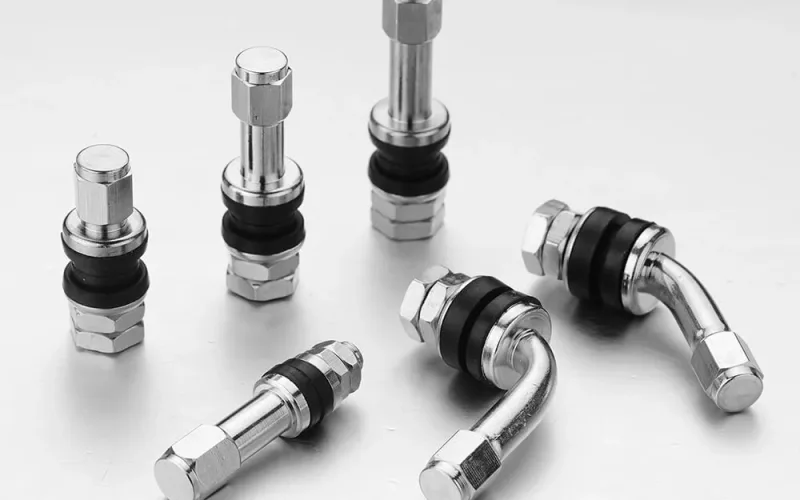
High-Pressure Metal Clamp-in Tire Valve200 psiTrack activities, high-speed vehiclesRubber grommet seal, fits various hole sizes, lengths flush to 2″, metal cap

Rubber Snap-In Tire Valve Stems

You often find rubber snap-in valve stems on passenger cars and light trucks. These stems use flexible rubber as one of the main valve stem components. You can install them quickly because they snap into place without special tools.

  • Easy installation saves you time.
  • Cost-effective design makes them affordable for most drivers.
  • The rubber construction lets them handle small bumps without breaking.

Rubber snap-in stems work well for everyday driving. They handle up to 65 psi, which covers most standard vehicles. However, they may not last as long as metal stems, especially if you drive in harsh weather. Over time, rubber can rot or crack. You should check them during regular tire maintenance.

Note: Most rubber snap-in stems use the schrader valve, which is the standard for cars and trucks.

Metal Clamp-In Tire Valve Stems

Metal clamp-in valve stems give you extra strength and durability. You should choose these if you drive a performance vehicle, SUV, or truck. They work best for off-road trips, high speeds, or heavy loads.

  • Metal construction resists damage from heat and pressure.
  • Clamp-in design uses a rubber grommet and nut for a tight seal.
  • Handles pressures up to 200 psi, much higher than rubber stems.

You often see these stems on vehicles with a tire pressure monitoring system (TPMS) or those that need high-pressure support. The schrader valve is also common in these stems, giving you reliable inflation and sealing.

High-Pressure and TPMS Tire Valve Stems

High-pressure valve stems use metal to handle extreme conditions. You find them on race cars, trucks, and vehicles that go over 130 mph. These stems can take up to 200 psi and keep your tires safe at high speeds.
TPMS valve stems have sensors built in to track your tire pressure. They use rubber or plastic for flexibility and easy installation. You see these on most modern cars.

  • High-pressure stems are best for racing and heavy-duty use.
  • TPMS stems help you monitor tire pressure in real time.

You need to check TPMS sensors and batteries regularly. Most last 5 to 10 years. If you see a warning light, inspect your valve stem and sensor right away.

Spotting Tire Valve Stem Problems

Common Signs of a Faulty Tire Valve Stem

You need to watch for warning signs that your tire valve stems are not working properly. If you notice any of these symptoms, you should check your tires right away:

A faulty tire pressure valve stem can cause your tires to lose air faster than normal. You might see your tires look flatter or feel your car handle differently. If you spot damage on the valve or feel vibrations, you should not ignore these clues.

How to Check for Leaks or Damage

You can use several simple methods to check your tire valve stems for leaks or damage:

  • Visual inspection: Flex the valve stem and look for cracks, splits, or punctures.
  • Soap solution method: Mix soap and water, then apply it to the valve stem. If you see bubbles forming, you have a leak.
  • TPMS check: Watch your Tire Pressure Monitoring System for alerts about low tire inflation pressure.
  • Manual pressure readings: Use a tire gauge to check your tire pressure regularly. If you notice your tires keep losing air, you may have a problem with the valve stem.

These steps help you find issues before they become serious. You can fix small problems early and avoid bigger repairs later.

Risks of Ignoring Tire Valve Stem Issues

If you ignore problems with your tire valve stems, you put yourself and your vehicle at risk.

Driving with low tire pressure can lead to poor fuel efficiency, uneven tire wear, reduced vehicle handling, and increased risk of tire blowouts. It also affects braking distance. This can be dangerous in emergencies.

Driving with a faulty TPMS can compromise your safety on the road. A malfunctioning tire pressure sensor may lead to inaccurate readings, potentially causing a flat tire or poor fuel economy. Ignoring the warning signs of a faulty TPMS can lead to unsafe driving conditions.

You may also face poor fuel efficiency, decreased vehicle handling, and a higher chance of tire blowouts. Checking your tire valve stems keeps you safe and helps your tires last longer.

Maintaining and Replacing Tire Valve Stems

Maintaining and Replacing Tire Valve Stems

How Often to Inspect Tire Valve Stems

You should check your tire valve stems regularly as part of your tire maintenance routine. Automotive experts suggest inspecting valve stems every time you check your tires. You need to look for cracks, brittleness, or any signs of damage. Replace valve stems every time you install new tires. Most valve stems last about 4 to 6 years, but harsh weather can shorten their lifespan. If you drive in extreme heat or cold, inspect your valve stems more often. Regular checks help you catch problems early and keep your tires safe.

Simple Maintenance Tips for Tire Valve Stems

You can keep your tire valve stems in good shape by following a few easy steps:

  • Check and adjust your tire pressure at least once a month and before long trips.
  • Inspect valve stems for cracks, splits, or signs of wear.
  • Replace valve stems when you change your tires to ensure a proper seal.
  • Use high-quality replacement parts to avoid malfunctions.
  • Make sure you install valve stems correctly to prevent air leaks.
  • Keep your tire pressure at the recommended psi levels for your vehicle.
  • Watch for any warning lights from your Tire Pressure Monitoring System (TPMS) and address them right away.

Tip: Always keep the valve cap on. It protects the valve core from dirt and moisture, which can cause leaks.

When and How to Replace a Tire Valve Stem

You should replace a tire valve stem if you see damage or when you get new tires. Here are the basic steps you can follow:

  1. Remove the tire from your vehicle using a lug wrench.
  2. Deflate the tire completely with a tire deflator tool.
  3. Use a tire bead breaker to separate the tire from the rim.
  4. Take out the old valve stem with a valve stem removal tool.
  5. Install the new valve stem and tighten it with a torque wrench.
  6. Re-seat the tire bead onto the rim using a tire mounting tool.
  7. Inflate the tire to the recommended psi levels.
  8. Put the tire back on your vehicle and hand-tighten the lug nuts.
  9. Lower your vehicle and finish tightening the lug nuts with a torque wrench.

You need the right tools for this job, such as a lug wrench, tire deflator, bead breaker, valve stem removal tool, torque wrench, and tire mounting tool. If you do not feel comfortable doing this yourself, visit a professional tire shop.


You keep your tires safe when you inspect and replace the tire pressure valve stem regularly.

Choosing valve stems from trusted brands gives you extra protection.

  • High-quality brass and ozone-resistant EPDM rubber last longer in tough weather.
  • Nickel-plated brass cores handle high temperatures.
  • Strict quality control means each valve meets safety standards.
ManufacturerWarranty TermCoverage
Huf3 years from the date of installationDefects in workmanship and materials
Haltec60 days from the date of shipmentDefects in workmanship and materials

FAQ

How often should you replace tire valve stems?

You should replace tire valve stems every time you get new tires. Most valve stems last 4 to 6 years. If you see cracks or leaks, replace them sooner to keep your tires safe.

Can a faulty valve stem cause a flat tire?

Yes. A damaged or leaking valve stem lets air escape. This slow leak can lead to a flat tire over time. Always check valve stems if you notice low tire pressure.

What happens if you drive with a leaking valve stem?

Driving with a leaking valve stem puts you at risk for a blowout. Your tire can lose air quickly, which makes your car harder to control. You should fix leaks right away.

Are all tire valve stems the same size?

No. Valve stems come in different sizes and materials. Most passenger cars use standard rubber snap-in stems. Trucks and high-performance vehicles often use metal or high-pressure stems. Always choose the right type for your vehicle.

    Have any Questions about product?

    At sem a enim eu vulputate nullam convallis Iaculis vitae odio faucibus adipiscing urna.

    Request a quote Request a quote