 03Mar
03Mar 

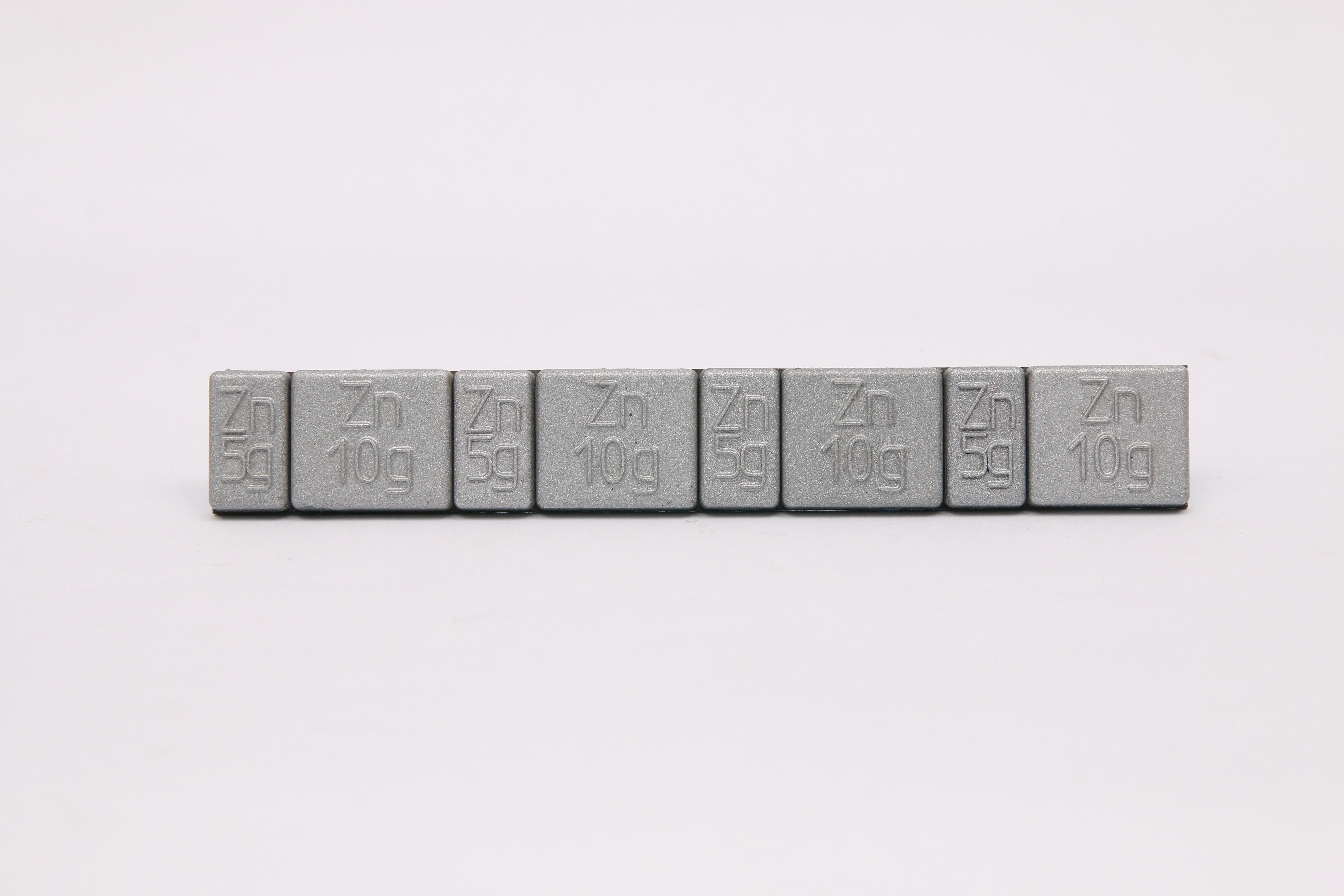
Stick-on wheel weights give good balance if put on right. They help cars drive smooth and safe on roads. Many drivers use these products because they work well. Putting them on well gives the best results. Being careful helps them last longer.
Key Takeaways
- Stick-on wheel weights help balance the wheels well. This makes driving smoother. You need to install them the right way to get good results.
- You must clean the wheel before you put on stick-on weights. Cleaning is very important. A clean wheel helps the sticky part hold better and stay on longer.
- Stick-on weights keep rims safe from harm and looking nice. They work great for new alloy wheels and wheels with tricky shapes.
How Stick-On Wheel Weights Work
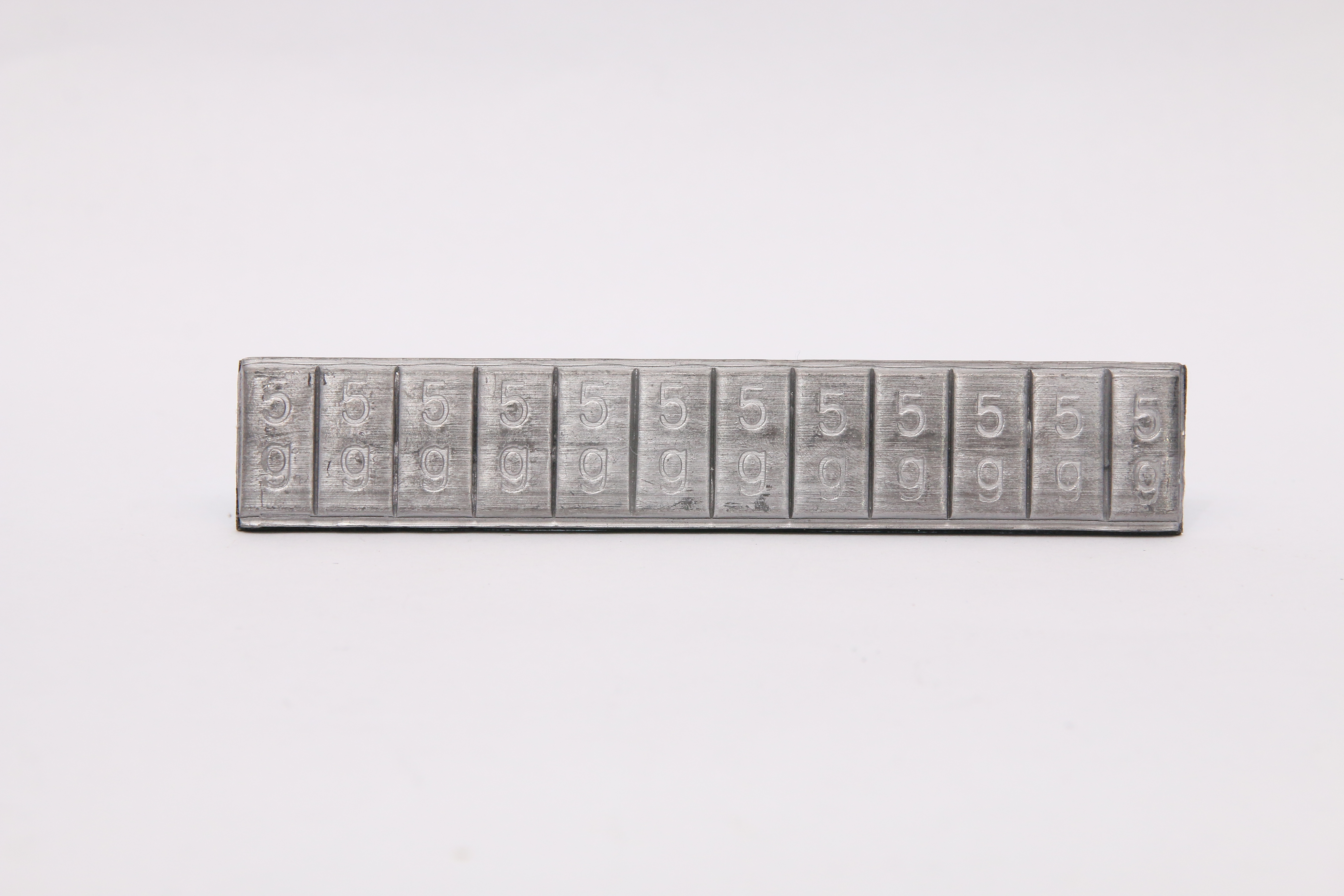
Wheel Weight Function
Wheel counterweights help maintain wheel balance. If a wheel is unbalanced, it will wobble or sway. This is because the heavier counterweights cause the wheel to lose its balance. Scientists use a formula to explain this force. In the formula, F represents force, M represents mass, ω represents the wheel’s rotational speed, and R represents the distance from the counterweight to the center of the wheel.
- Stick-on wheel weights add mass to the other side of the heavy spot.
- This stops the force and keeps the wheel steady.
- Stick-on types are great for stopping vibrations and making rides smoother.
- They work for many vehicles, like cars and trucks.
Fortune has made wheel weights for over 25 years. The company sells both stick-on and clip-on types. Their products help drivers have safer and more comfortable trips.
Adhesive Application Process
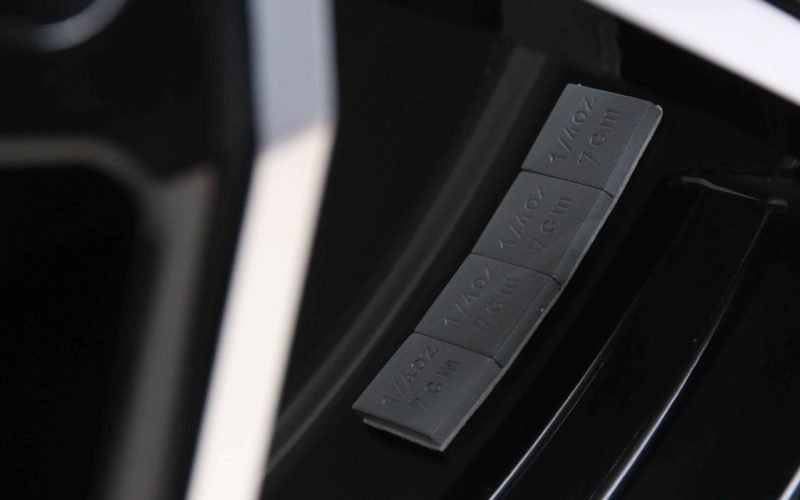
Adhesive counterweights are secured with strong adhesive. Installers clean the wheel rim, remove the backing, and then press the counterweights into the inside of the rim. This conceals the counterweights and protects the rim from scratches. Many car owners choose adhesive counterweights for alloy wheels because they do not damage the rim surface.
Here is a quick comparison:
| Feature | Adhesive Wheel Weights | Clip-On Wheel Weights |
|---|---|---|
| Installation Method | Stick on the inside of the wheel’s barrel | Clip to the inner or outer lip of the rim |
| Aesthetic Impact | Less visible, preferred for aesthetic reasons | More visible, can detract from wheel appearance |
| Complexity of Use | Requires surface preparation for adhesion | Simple installation with a hammer |
| Variety and Compatibility | Universal, no specific types for different cars | Requires various sizes and profiles for different cars |
| Performance in Heat | May require extra tape for high heat use | Usually stable but can be affected by heat |
Stick-on weights look neat and hold tight. They are a top choice for modern wheels.
Effectiveness of Stick-On Wheel Weights
Real-World Performance
Adhesive wheel weights help improve vehicle ride smoothness. After use, drivers will feel a reduction in vehicle vibration. Studies have shown that adhesive wheel weights effectively balance the wheels, allowing for more even tire and rim rotation, thus improving ride comfort. Even at high speeds, the vehicle is easier to handle. Good balance helps extend tire life and improves driving safety.
Fortune conducts real-world road tests on every wheel weight they use. They test them under various road conditions and weather conditions. Test results show that adhesive weights are durable and securely attached to the wheels, maintaining wheel balance on both city roads and highways. Drivers trust Fortune because of the superior performance of their products.
Tip: After you put on new wheel weights, check for shaking. If your car still shakes, ask a pro to check the balance.
Accuracy and Reliability
Stick-on weights are very accurate. Installers can put them right where they need to go. This helps the wheel spin without wobbling. The sticky back lets the weight hold tight to the wheel. This spot keeps the weight hidden and protects the rim.
Fortune uses strong stuff and good glue for its weights. The company makes sure each one can handle heat, rain, and dirt. Cleaning the wheel before putting on the weight is important. Dirt or oil can stop the sticky part from working. Installers should always clean the wheel and press the weight down hard. This helps the weight stay on for a long time.
A balanced tire and wheel is safer and saves money. Drivers get better gas mileage and need fewer repairs. Stick-on wheel weights work well when put on right.
Stick-On Wheel Weights: Benefits
Rim Protection and Aesthetics
Stick-on wheel weights offer strong protection for rims. They do not require hammering, so they prevent scratches and dents that can happen with other types. Many drivers choose stick-on weights because they keep wheels looking new. These Reliable wheel weights stay hidden inside the wheel, which gives a clean and modern look. Fortune uses easy-peel tape and offers many shapes, making installation simple and neat.
- Stick-on weights stop rim damage from hammering.
- They give a cleaner wheel appearance.
- They fit wheels that do not work with clip-on types.
- The 3M adhesive keeps them secure, even during tough drives.
Stick-on weights are less visible than clip-on types. This makes them a favorite for alloy wheels. They also allow for precise placement, which helps with better balance.
Corrosion Resistance
Fortune designs each wheel weight to last. The company uses high-quality materials and surface treatments to fight rust. The table below shows how steel stick-on weights perform in salt spray tests:
| Material | Surface Treatment | Salt Spray Test Performance |
|---|---|---|
| Steel | Zinc Plated | 48 hours minimum without rust |
This strong resistance means the weights stay reliable in rain, snow, and salty roads.
Compatibility with Alloy Wheels
Stick-on wheel weights work well with alloy wheels. Many modern wheels do not have a lip for clip-on types. Stick-on weights fit these designs perfectly. Fortune offers both lead and non-lead options to meet environmental rules. Drivers can trust these products to balance their wheels and protect the environment at the same time.
Note: Choosing the right wheel weights helps keep your car safe and your wheels looking their best.
Wheel Weight Comparison: Stick-On vs. Clip-On
Effectiveness and Use Cases
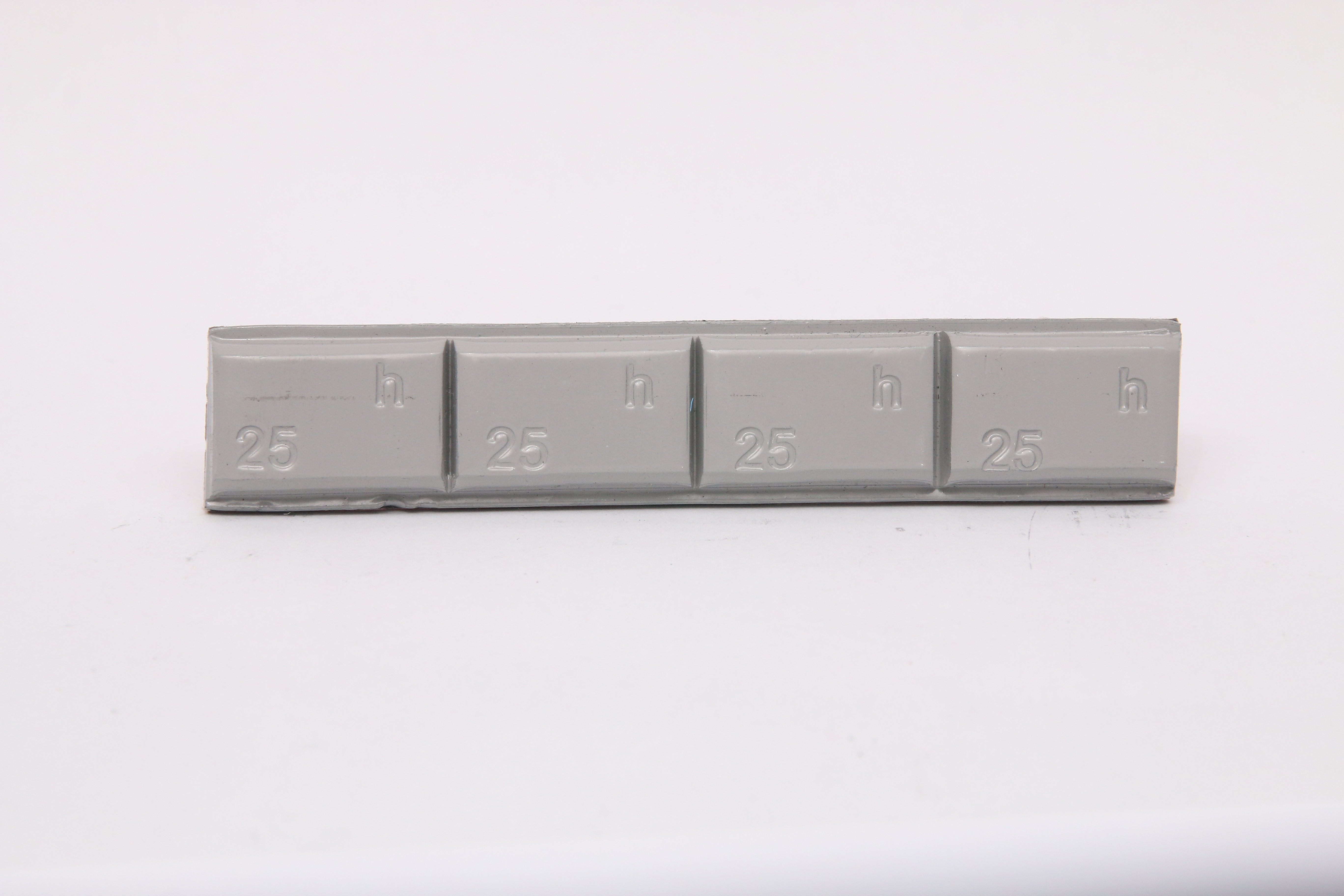
Many car owners wonder which type of wheel counterweight is best for their vehicle. Both adhesive and clip-on counterweights help balance the wheels, but they meet different needs. Adhesive counterweights are highly precise and use advanced adhesives that ensure a strong, long-lasting fit. This type of counterweight won’t damage the rim, thus keeping the wheels looking new. Adhesive counterweights are suitable for high-end vehicles and modern designs, as well as complex or low-profile rims with limited space.
Clip-on counterweights are a traditional option, secured to the rim with clips. Some people use them on steel rims or older vehicles. Clip-on counterweights can sometimes damage the rim, and their balancing precision may not be as good as adhesive counterweights. Over time, they may loosen, especially when the tire-rim assembly is driven on rough roads.
The table below compares these two types of counterweights:
| Feature | Stick-On Weights | Clip-On Weights |
|---|---|---|
| Balancing Accuracy | High accuracy, proper weight distribution | Less precise |
| Longevity | Long-lasting adhesive | Can detach over time |
| Rim Damage | No damage, keeps wheels looking good | May cause rim damage |
| Ideal Use | Premium, modern, and complex wheels | Traditional, steel wheels |
Pros and Cons Overview
Stick-on weights offer many benefits. They protect rims, look neat, and last a long time. They work best for alloy wheels and complex designs. Clip-on wheel weights are easy to install and remove. They suit steel wheels and older vehicles. Fortune provides both types, so drivers can choose what fits their needs. Fortune’s experience in the industry helps them design products for every tire-wheel assembly.
The table below shows which wheels match stick-on weights:
| Wheel Type | Compatibility with Stick-On Weights | Reason for Preference |
|---|---|---|
| Alloy Wheels | High | Protects finish and keeps wheels looking good |
| Steel Wheels | Moderate | Can work if the surface is clean and smooth |
| Complex/Low-Profile | High | Fits in tight spaces where other weights do not |
Drivers should think about their wheel type and driving style before choosing. Both options help keep vehicles safe and smooth on the road.
Best Practices for Stick-On Wheel Weights
Surface Preparation
Getting the wheel ready helps stick-on weights stay put. Installers must clean the wheel before using adhesive weights. They can use alcohol or a cleaner to get rid of grease and dust. The wheel should not have rust, oil, or peeling paint. Sometimes, smooth paint needs a gentle rub so the adhesive sticks better. These steps help the weights stick well and last longer.
- Clean the wheel with an alcohol-based cleaner.
- Take off all dirt, oil, and rust.
- Make sure the area is dry before putting on the weight.
- Lightly roughen the surface if needed, but do not harm the coating.
A clean and dry wheel gives the best balance.
Installation Tips
Putting stick-on weights on right keeps them in place. Installers should press the weight firmly onto the wheel. Firm pressure helps the adhesive stick well. Wait a little before driving so the adhesive can set. The table below shows why each step is important:
| Key Aspect | Importance |
|---|---|
| Cleaning with Alcohol | Takes away things that weaken the adhesive bond |
| Ensuring a Dry Surface | Stops water from making the adhesive weak |
Maintenance Advice
Checking the weights often helps keep wheels balanced. Drivers should look for weights that moved or fell off. Hot or cold weather can change how adhesive weights work, so check after weather changes. If a weight falls off, put a new one on right away. The table below shows common mistakes and how to fix them:
| Common Mistakes | Causes | Solutions |
|---|---|---|
| Poor Adhesion | Dirty surface, weak bonding | Clean well, install the right way |
| Weights Falling Off | Temperature, wrong placement | Use good adhesive, check often |
| Unbalanced Wheels | Wrong size, loose weights | Use the right size, secure weights |
Tip: If you are not sure about installing stick-on weights, ask a professional for help. This keeps your wheels safe and balanced.
Stick-on wheel weights help wheels stay balanced. They also keep rims safe from damage. Most cars can use them, especially alloy wheels. The table below shows how stick-on weights are better than clip-on types:
| Feature | Stick-On Wheel Weights | Clip-On Wheel Weights |
|---|---|---|
| Installation | Simple to put on | Needs more work |
| Reliability | Good for balancing | Might not stay tight |
- Getting a pro to install them keeps them from falling off.
- Fortune’s strong adhesive makes them last longer and gives a smoother ride.
FAQ
How long do stick-on wheel weights last?
Most stick-on wheel weights last for years. Fortune tests each product for durability in heat, rain, and snow. Proper installation helps them stay secure.
Can stick-on wheel weights fall off?
Stick-on wheel weights stay on when installed correctly. Clean wheels and firm pressure help the adhesive bond. Extreme dirt or oil can weaken the hold.
Are stick-on wheel weights safe for all wheels?
Stick-on wheel weights work well on most wheels, especially alloy types. They do not scratch rims. Fortune offers options for both lead and non-lead requirements.
 Request a quote