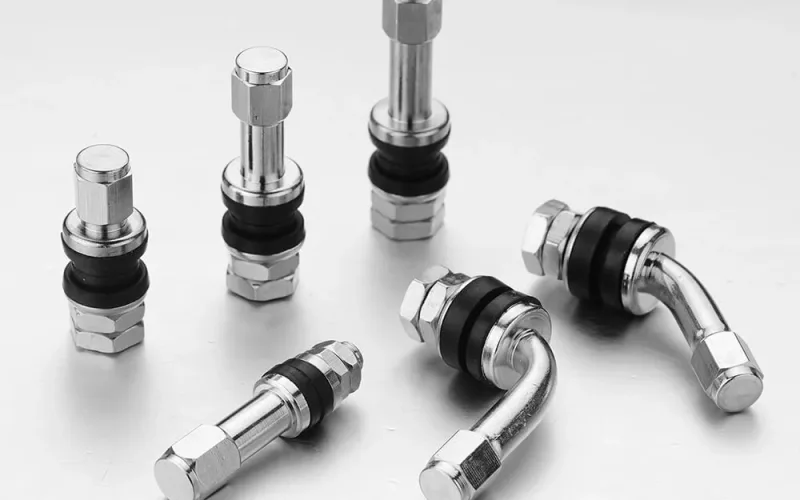
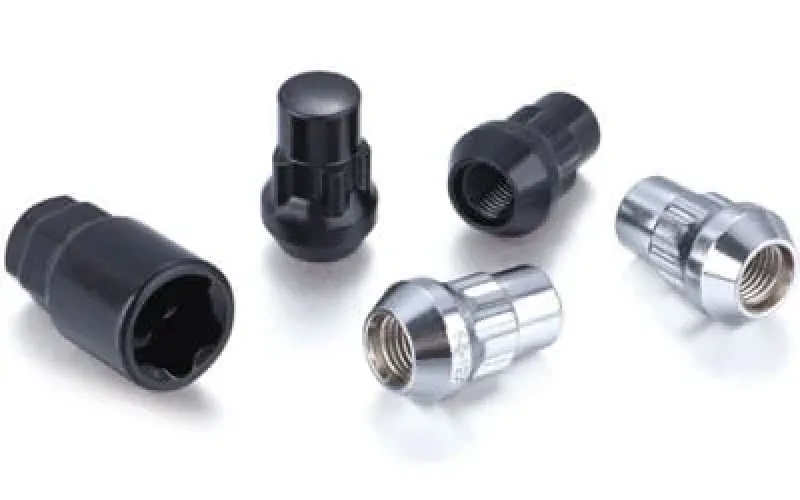
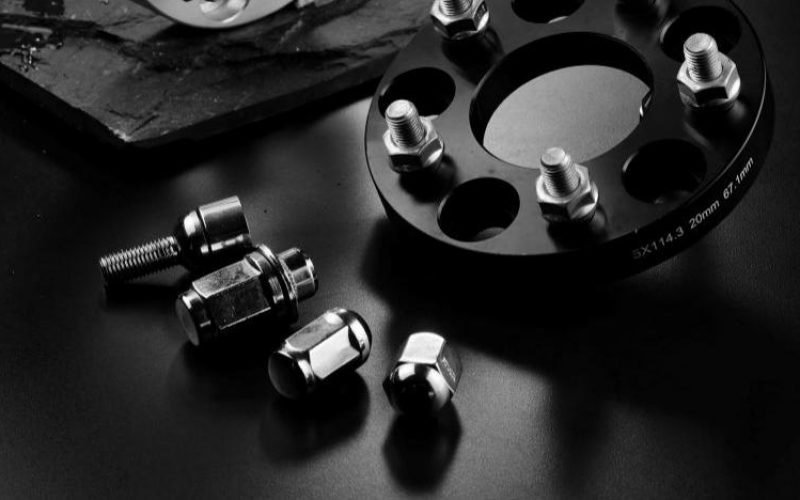
What is the difference between rubber and metal tire valves?
 20Mar
20Mar 

Clip-on wheel weights are small, precision-engineered components attached to wheel rims to balance tires. They play a critical role in ensuring even weight distribution, which prevents vibrations and enhances vehicle handling. Balanced tires improve fuel efficiency by up to 4 percent on long trips and extend tire life by reducing uneven wear. Properly installed clip wheel weights also contribute to safety by maintaining stable tire contact with the road, resulting in smoother rides and better control. Selecting the right type of clip-on weights for your vehicle ensures optimal performance and long-term benefits.
Clip wheel weights are small components designed to attach securely to the rims of vehicle wheels. Their primary purpose is to correct imbalances in the wheel and tire assembly by ensuring even weight distribution. These weights are typically made from materials like lead, zinc, or steel, each chosen for its durability and specific properties. By counteracting uneven weight, clip wheel weights help maintain proper balance, which is essential for smooth and efficient vehicle operation.
The functionality of clip wheel weights lies in their precision design. They are engineered to fit snugly onto the wheel rim without slipping or causing damage. This secure attachment ensures that the weights remain in place even under high-speed conditions or during sudden braking. The automotive industry’s growth, with global production reaching approximately 81 million units in 2022, highlights the increasing demand for these balancing solutions. Passenger cars, electric vehicles, and commercial vehicles all rely on clip wheel weights to meet their unique balancing needs. Additionally, government regulations on emissions and safety standards encourage manufacturers to use high-quality materials, further enhancing the performance and longevity of these weights.
Maintaining tire balance is crucial for vehicle performance, safety, and efficiency. Imbalanced tires can lead to vibrations, uneven tire wear, and reduced fuel efficiency. Clip wheel weights play a vital role in addressing these issues by ensuring that the wheel and tire assembly rotates evenly. This balance not only improves the driving experience but also extends the lifespan of your tires, saving you money on replacements and maintenance.
The aftermarket segment for clip-on wheel weights is expected to dominate the market from 2025 to 2033. This growth is driven by factors such as an expanding global vehicle fleet, increased vehicle ownership, and rising disposable incomes. These trends highlight the importance of clip wheel weights in maintaining tire balance and enhancing vehicle performance. Fleet operators, in particular, benefit from balanced wheels as they optimize tire life and fuel consumption. The ease of installation and reliability of clip wheel weights make them a preferred choice for vehicle manufacturers and drivers alike.
Balanced tires also contribute to road safety by providing better traction and control. Uneven weight distribution can cause the vehicle to pull to one side, especially during braking or cornering. By using clip wheel weights, you can ensure that your tires maintain consistent contact with the road, reducing the risk of accidents and improving overall stability.
Tip: Regularly check your tires for balance issues, especially after hitting potholes or curbs. Early detection and correction can prevent long-term damage and ensure a smoother ride.
Lead clip-on weights were once the most common choice for tire balancing due to their high density and malleability. These weights are easy to shape and attach securely to wheel rims, making them effective for correcting imbalances. However, their use has declined significantly in recent years. Health concerns and environmental regulations, such as the ban on lead weights in the EU, have prompted manufacturers to shift toward safer alternatives. If you’re driving a vehicle manufactured before these regulations, you might still encounter lead weights during maintenance.
Lead weights offer excellent performance, but their environmental impact cannot be ignored. For this reason, many countries now mandate lead-free solutions. If you’re considering replacing old weights, choosing eco-friendly options ensures compliance with modern standards while maintaining tire balance.
Note: Always check local regulations before purchasing clip-on weights. Lead weights banned in the EU may still be available in other regions, but their use could result in fines or penalties.
Zinc clip-on weights have emerged as a popular alternative to lead due to their environmental safety and durability. These weights are lightweight yet strong, making them suitable for various vehicles, including passenger cars and commercial fleets. Zinc weights are corrosion-resistant, which ensures long-term performance even in harsh weather conditions.
When you use wheel weights made of zinc, you benefit from their versatility. They can be used on both steel and aluminum rims, providing reliable balancing for different types of vehicles. Zinc weights also meet stringent safety and environmental standards, making them a preferred choice for manufacturers and drivers alike.
Zinc weights are particularly effective for modern vehicles that require precise calibration. Their ability to maintain tire balance under high-speed conditions enhances vehicle stability and reduces tire wear. If you’re looking for a sustainable and efficient solution, zinc clip-on weights are an excellent option.
Tip: Regularly inspect your zinc weights for signs of wear or damage. Replacing worn weights promptly ensures consistent tire balance and optimal performance.
Steel clip-on weights are another widely used option, valued for their strength and adaptability. These weights are ideal for heavy-duty applications, such as trucks and tractors, where durability is critical. Steel weights are also lead-free, aligning with global efforts to reduce environmental impact.
Modern vehicles rely on steel clip-on weights for precise tire stabilization. Their robust design ensures secure attachment to wheel rims, even under demanding conditions. Steel weights are compatible with various rim types, making them a versatile choice for drivers seeking reliable performance.
| Evidence Type | Description |
|---|---|
| Technological Advancements | Modern vehicles require precise calibration for wheel balancing, which clip-on weights facilitate. |
| Regulatory Compliance | The shift to lead-free alternatives in clip-on weights is driven by health concerns and regulations. |
| Safety Standards | Properly balanced tires improve vehicle safety and performance, increasing the demand for clip-on weights. |
Steel weights also meet stringent safety standards, ensuring that your tires maintain consistent contact with the road. This reduces the risk of accidents and enhances overall driving stability. If you’re managing a fleet or driving a heavy-duty vehicle, steel clip-on weights provide the reliability you need.
Callout: Steel weights are an excellent choice for drivers who prioritize durability and environmental responsibility. Their lead-free composition makes them a safer option for both you and the planet.
Clip-on wheel weights are essential for maintaining tire balance, but their effectiveness depends on the type of rim they are used with. Aluminum and steel rims have distinct characteristics, and understanding these differences helps you choose the right weights for your vehicle.
Aluminum rims are lightweight and corrosion-resistant, making them a popular choice for passenger cars and high-performance vehicles. These rims often feature a polished or painted finish, which enhances their appearance but also makes them more delicate. When using clip-on weights with aluminum rims, you need to prioritize materials that prevent damage to the rim’s surface.
Zinc and coated steel weights work well with aluminum rims. Their design minimizes the risk of scratching or chipping the rim’s finish during installation. Additionally, these weights provide a secure fit, ensuring consistent tire balance even at high speeds. Aluminum rims are common in electric vehicles, where weight reduction is critical for maximizing battery efficiency. Using the right clip-on weights ensures that these vehicles maintain optimal performance and safety.
Tip: Always check for protective coatings on clip-on weights when using them with aluminum rims. This prevents unnecessary wear and keeps your rims looking their best.
Steel rims are known for their durability and affordability. They are often used in commercial vehicles, trucks, and tractors, where strength is a priority. Unlike aluminum rims, steel rims can handle heavier loads and rougher conditions, making them ideal for off-road and industrial applications.
For steel rims, zinc weights for steel rims are an excellent choice. These weights are durable, corrosion-resistant, and designed to withstand harsh environments. They provide reliable tire balancing for vehicles that operate under demanding conditions. Steel rims are also common in winter driving, as they can endure exposure to snow, salt, and ice. Using clip-on weights made from zinc or steel ensures that your tires remain balanced and your vehicle performs efficiently, even in challenging weather.
Callout: Steel rims paired with zinc weights offer a cost-effective and long-lasting solution for heavy-duty vehicles. Their compatibility ensures consistent performance and reduced maintenance needs.
Selecting the correct clip-on weight depends on your rim type and vehicle requirements. Aluminum rims benefit from lighter, coated weights that protect their finish, while steel rims require robust weights that can handle tough conditions. By matching the weight material to your rim, you ensure proper tire balance, improved safety, and extended rim life.
Note: Consult your vehicle’s manual or a professional technician to determine the best clip-on weights for your rims. Proper installation and regular inspections help maintain tire balance and prevent unnecessary wear.
Clip-on weights play a vital role in maintaining overall stability during your drive. Properly balanced wheels reduce the risk of understeering or oversteering, especially when navigating sharp turns or challenging road conditions. Lightweight wheels, paired with clip-on weights, enhance performance by minimizing centrifugal force during turns. This balance ensures your vehicle remains responsive and steady, even when carrying heavy payloads.
Statistical analyses highlight the impact of clip-on weights on stability. For example, in three-trailer combinations, off-tracking increased by 8 to 9 inches but remained within safe highway lane widths. Similarly, payload additions caused stopping distances to increase by less than 10%, with additional brakes compensating for the weight. These findings demonstrate how clip-on weights contribute to better performance and safer driving experiences.
Tip: Regularly inspect your clip-on weights to ensure they remain securely attached. This simple step helps maintain stability and prevents unnecessary wear on your tires.
Using clip-on weights can lead to significant cost savings over time. Balanced tire-wheel assemblies reduce vibrations, which often cause uneven tire wear. By improving traction and stability, clip-on weights help your tires last longer, saving you money on replacements.
Major fleets often rebalance tires at 50% wear to extend their lifespan, especially under heavy loads and varying road conditions. This practice reduces heat buildup and vibration, ensuring your tires perform efficiently for longer periods. For individual drivers, balanced wheels mean fewer maintenance visits and lower overall costs.
Callout: Proper tire balancing not only saves money but also enhances performance. Balanced tires reduce wear, improve traction, and optimize fuel efficiency.
Clip-on weights improve safety by ensuring consistent tire contact with the road. Balanced tires provide better traction, reducing the risk of skidding or pulling to one side during braking or cornering. This stability enhances your control over the vehicle, especially in adverse weather conditions.
Balanced wheels also reduce vibrations, which can distract drivers and compromise comfort. By using clip-on weights, you create a smoother driving experience that keeps you focused and alert. Whether you’re driving a passenger car or a heavy-duty vehicle, clip-on weights contribute to safer journeys for you and your passengers.
Note: Always prioritize regular tire balancing as part of your vehicle maintenance routine. Balanced tires improve traction, stability, and safety, ensuring peace of mind on the road.
Clip-on wheel weights offer remarkable versatility, making them suitable for a wide range of vehicles. Whether you drive a compact car or operate heavy machinery, these weights ensure your tires remain balanced and your vehicle performs optimally. One of the most significant applications of clip-on weights is in agricultural settings, where tractor wheel weights play a crucial role.
Tractor wheel weights are essential for maintaining stability and traction in farming equipment. You rely on these weights to ensure your tractor operates smoothly, even on uneven terrain. By balancing the tires, tractor wheel weights help distribute the load evenly, reducing the risk of tipping and enhancing safety during operation.
In addition to tractors, clip-on weights benefit other heavy-duty vehicles like trucks and buses. These vehicles often carry substantial loads, making tire balance critical for safe and efficient travel. Tractor wheel weights, in particular, are designed to withstand the demands of agricultural work, providing durability and reliability in challenging conditions.
You might wonder how tractor wheel weights differ from those used in passenger vehicles. The primary difference lies in their size and weight capacity. Tractor wheel weights are typically larger and heavier, designed to handle the increased demands of agricultural machinery. This ensures that your tractor maintains optimal performance, even when carrying heavy loads or navigating rough terrain.
Moreover, the versatility of clip-on weights extends to various rim types, including those found on tractors. Whether your tractor has steel or aluminum rims, you can find suitable tractor wheel weights to match. This adaptability ensures that your equipment remains balanced and efficient, regardless of the specific requirements.
Tip: Regularly inspect your tractor wheel weights for signs of wear or damage. This simple maintenance step helps prolong the life of your tires and ensures your tractor operates safely and efficiently.
By understanding the versatility of clip-on weights, you can make informed decisions about maintaining your vehicle’s performance. Whether you’re managing a fleet of tractors or simply ensuring your car runs smoothly, clip-on weights provide the balance and stability you need.
Improperly installed clip-on weights can cause vibrations that disrupt your driving experience. These vibrations often result from uneven weight distribution in the tire assembly. Even small imbalances during tire rotation can lead to significant issues. You may notice your steering wheel shaking or your vehicle pulling to one side. Over time, these vibrations cause uneven tire wear, shortening the lifespan of your tires and increasing maintenance costs.
Clip-on weights are essential for counteracting these problems. They ensure your tires rotate evenly, reducing wear and improving performance. Regular inspections help you detect imbalances early, preventing long-term damage.
Tip: If you notice vibrations while driving, have your tires checked immediately. Early intervention can save you money and improve safety.
Incorrect installation of clip-on weights can damage your wheel rims or tires. When weights are not securely attached, they may shift or fall off during driving. This movement can scratch or dent your rims, especially if they are made of aluminum. Loose weights can also puncture or tear your tires, leading to costly repairs.
Using the wrong type of weight for your rim material increases the risk of damage. For example, steel weights may scratch polished aluminum rims. Always choose weights designed for your specific rim type to avoid unnecessary wear. Proper installation techniques also play a crucial role. Weights must fit snugly without causing stress to the rim or tire.
Callout: Protect your rims and tires by ensuring weights are installed correctly. Consult a professional if you’re unsure about the process.
Improper clip-on weight usage directly affects your vehicle’s fuel efficiency. Imbalanced tires increase rolling resistance, forcing your engine to work harder. This extra effort consumes more fuel, reducing your vehicle’s mileage. Studies show that even minor imbalances can lower fuel efficiency by up to 4%.
Performance also suffers when tires are not balanced. You may experience reduced traction, slower acceleration, and difficulty maintaining control during turns. For heavy-duty vehicles like tractors, improper tractor balancing can compromise stability and safety. Balanced tires ensure smooth operation, whether you’re driving on highways or uneven terrain.
Note: Regular tire balancing improves fuel efficiency and enhances vehicle performance. Make it a part of your maintenance routine to save money and drive safely.
Selecting the right material for your clip-on wheel weights ensures optimal performance and longevity. Different vehicles and rim types require specific materials to achieve proper balance. For example, zinc weights are ideal for aluminum rims due to their corrosion resistance and lightweight properties. Steel weights, on the other hand, are better suited for heavy-duty vehicles like trucks and tractors because of their durability.
To make the right choice, follow these steps:
Matching the weight material to your vehicle’s needs prevents damage to the rim and ensures a secure fit. This step is especially important when using adhesive wheel weights, as they require a clean surface for proper adhesion.
Proper installation and regular maintenance of clip-on weights are essential for maintaining tire balance. Start by preparing the rim surface. Clean it thoroughly to remove dirt and debris, ensuring a strong bond between the weight and the rim. Position the weights opposite the valve stem for both balance and aesthetics.
Here’s a step-by-step guide for effective installation:
Regular inspections help you detect issues early, preventing uneven tire wear and maintaining vehicle performance. Adjust the weight placement as needed to achieve optimal static balance.
While you can install clip-on weights yourself, consulting a professional ensures the best results. Technicians have the tools and expertise to select the right weights for your vehicle and install them correctly. They also perform balance checks using advanced equipment, ensuring precise weight placement.
Professional services are particularly beneficial for heavy-duty vehicles or those with unique rim designs. Experts can recommend the best materials and techniques to maximize performance and safety. By relying on their knowledge, you save time and avoid potential mistakes that could lead to costly repairs.
Tip: Schedule regular visits to a trusted technician to maintain tire balance and extend the life of your clip-on weights.
Clip-on wheel weights are essential for achieving proper tire balance. They enhance vehicle stability, reduce tire wear, and improve road safety. High-quality weights ensure consistent performance and durability, making them a valuable investment for any vehicle.
Tip: Always prioritize professional installation to avoid damage and ensure precise balancing. Regular maintenance keeps your tires performing at their best, saving you money and improving your driving experience.
Balanced tires not only extend their lifespan but also optimize fuel efficiency. By choosing the right weights and maintaining them, you ensure safer and smoother journeys every time you hit the road.
Clip-on wheel weights are typically made from lead, zinc, or steel. Each material offers unique benefits. Zinc and steel are eco-friendly and durable, while lead provides high density but is less commonly used due to environmental concerns.
You should check your tire balance every 5,000 to 6,000 miles or whenever you notice vibrations, uneven tire wear, or steering issues. Regular inspections help maintain performance and safety.
Yes, you can install clip-on weights if you have the right tools and knowledge. However, professional installation ensures precise balancing and prevents damage to your rims or tires.
Clip-on weights work for most vehicles, including passenger cars, trucks, and tractors. You must choose the correct material and size based on your rim type and vehicle requirements.
Yes, balanced tires with clip-on weights improve fuel efficiency by reducing rolling resistance. Properly balanced tires can save up to 4% on fuel consumption during long trips.
 Request a quote