 02Apr
02Apr 

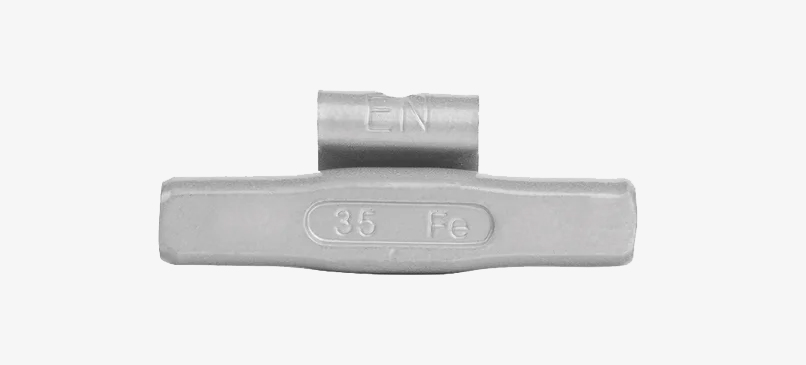
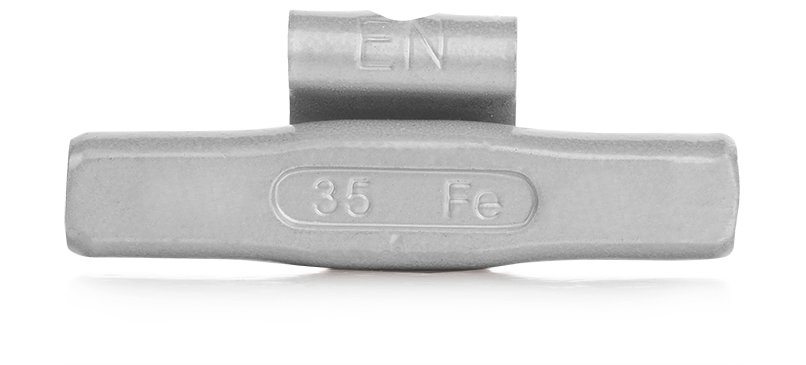
You might be wondering: can all types of wheels utilize clip-on balance weights? The answer is no. Compatibility depends on the wheel’s material and rim design. For instance, steel wheels are typically well-suited for clip-on weights, whereas alloy or custom wheels often require a different approach.
Today, the majority of vehicles still utilize clip-on wheel weights, which account for approximately 60% of the global market share. However, an increasing number of drivers are opting for adhesive wheel weights—particularly for modern alloy wheels. Fortune offers both of these options, enabling you to select the product best suited to your specific wheels and ensuring a driving experience that is both safe and smooth.
Key Takeaways
- Not all wheels are suitable for use with clip-on balance weights. Steel wheels can typically accommodate this type of weight, whereas alloy wheels and custom wheels require the use of adhesive balance weights instead.
- Using the wrong type of balance weight can cause damage to the wheel. Therefore, before installation, it is essential to first identify the wheel’s material type and strictly adhere to the manufacturer’s recommendations to prevent scratches or dents on the wheel’s surface.
- Adhesive balance weights are ideally suited for alloy and specialty wheels. Not only do they effectively protect the wheel’s surface coating, but they also offer a cleaner, more aesthetic appearance without causing any damage to the wheel itself.
- Prior to installing any balance weights, be sure to thoroughly clean the wheel rim. A clean rim surface ensures that the weights adhere more securely, thereby effectively minimizing vibrations while the vehicle is in motion.
- If you are unsure which type of balance weight to choose, it is advisable to consult a professional. They can recommend the most suitable solution for you based on your specific wheel type and daily driving habits.
Clip-on wheel weights compatibility

When performing wheel dynamic balancing, you will find that not all wheels accommodate clip-on balance weights with equal ease. Next, let’s take a closer look at which wheels are best suited for clip-on weights, as well as the specific points you should keep in mind during the process.
Steel wheels
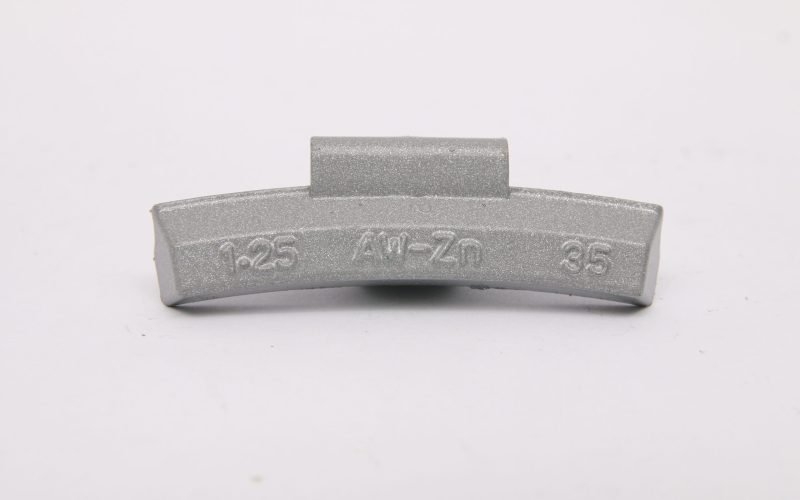
When it comes to clip-on wheel weights, steel rims are undoubtedly a classic choice. You will encounter this type of rim on many passenger cars and trucks. Thanks to their unique rim flange design and robust, durable material, steel rims and clip-on weights make for a perfect match—allowing for easy installation and removal without the worry of causing any damage to the rim.
Listed below are several types of clip-on weights that are particularly well-suited for use with steel rims:
| Type | Description | Typical Weight Range |
|---|---|---|
| P | Commonly used for steel wheels, particularly on passenger vehicles. | 0.25 oz to 2.0 oz |
| T | A compact version of the P-type, designed specifically for steel truck wheels. | 0.25 oz to 3.0 oz |
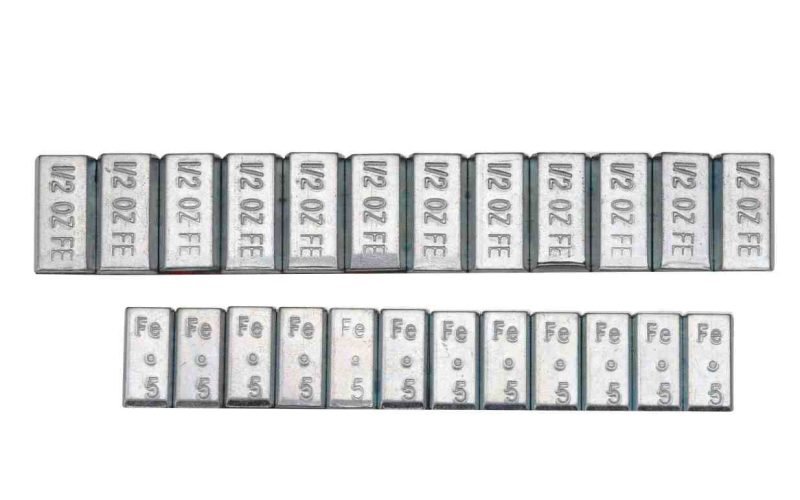
It ensures a secure fit, keeping the balance weights firmly anchored in place—even when encountering bumpy road conditions or driving at high speeds. Fortune offers a comprehensive range of clip-on balance weights for steel wheels, available in various materials such as zinc and lead. These weights come in a wide variety of specifications, allowing you to find a precise match for your specific vehicle model.
Alloy wheels
Alloy wheels boast an exquisite appearance and help enhance vehicle performance; however, they often do not “get along well” with clip-on balance weights. This is because alloy wheels feature thinner rims, and their surfaces are typically specially treated or polished. Consequently, using clip-on weights in this area risks scratching the rim or causing dents.
| Wheel Type | Compatibility with Clip-on Weights | Issues |
|---|---|---|
| Aluminum Alloy | Edge thinning, the absence of slots, and surface treatments may lead to compatibility issues. | It may scratch the surface, undergo deformation due to clamping forces, and potentially lack suitable clamping positions. |
| Steel | The distinct grooves and rigid material make it suitable for use with clip-on balance weights. | It is resistant to deformation and scratching, ensuring better compatibility with clip-on wheel weights. |
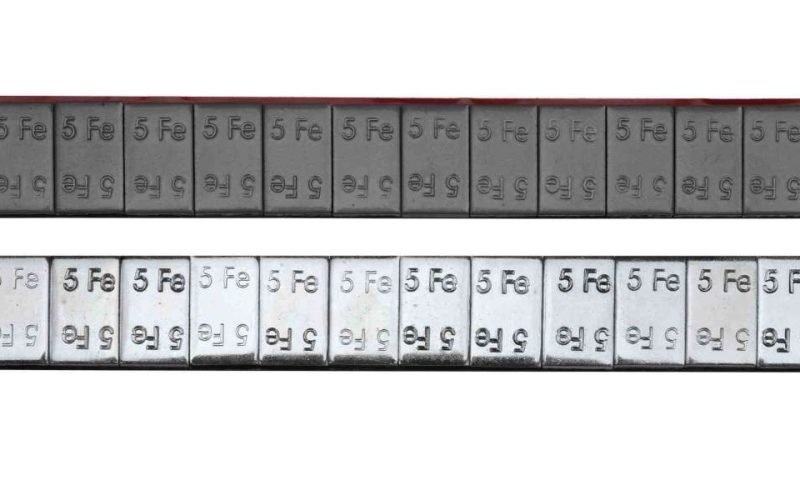
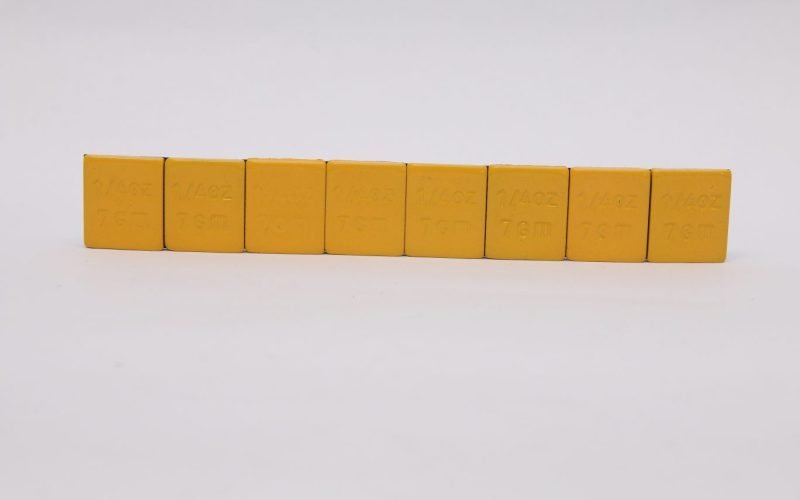
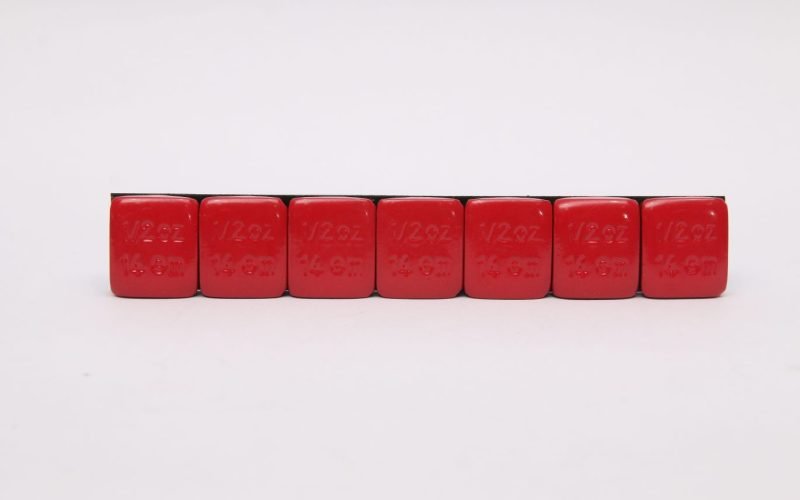
Most drivers who use alloy wheels tend to opt for adhesive wheel weights. Fortune’s adhesive weights adhere securely and do not damage the wheel’s surface coating. You can also choose from a variety of colors and finishes to perfectly match your wheels, ensuring they always maintain a sleek, polished appearance.
Specialty wheels
Specialty wheels encompass custom designs, sports car rims, and wheels specifically engineered for SUVs or trucks. These types of wheels often feature unique styling or specialized surface finishes. While clip-on wheel weights can sometimes be used, many specialty wheels—in order to ensure a superior fit and aesthetic appeal—typically require the use of adhesive wheel weights instead.
Tip: If you are using specialty wheels, be sure to consult your vehicle’s owner’s manual or seek advice from a professional before selecting clip-on wheel weights. This precaution helps prevent damage to the wheels and ensures that they remain properly balanced at all times.
The Fortune brand offers both clip-on and adhesive wheel weights suitable for use with specialty wheels. You can choose from a variety of options—including lead-free and corrosion-resistant models—and even select colors that complement your personal style. Their adhesive wheel weights feature a strong backing adhesive capable of withstanding harsh weather conditions, giving you peace of mind that the weights will not detach.
| Feature | Description |
|---|---|
| Color Options | Available in black, silver, chrome, and custom colors to ensure aesthetic coordination. |
| Coated Finishes | The coating enhances visual appeal and provides corrosion protection. |
| Durability | The tape is capable of withstanding temperature fluctuations, humid environments, and stress without losing its integrity. |
| Adhesion Strength | The strong adhesive backing ensures the balance weight remains secure during high-speed driving. |
| Easy Peel | Simplifies the construction process while maintaining strong adhesion under all weather conditions. |
Within Fortune’s product lineup, you have a wealth of options. Whether you require clip-on balance weights for steel wheels or adhesive weights for alloy and specialty wheels, you will find the ideal choice for your vehicle.
Why Clip-On Wheel Weights Aren’t Always Suitable
Rim design factors
Not all rims are suitable for use with clip-on balance weights. Some rims feature thin edges or unique profiles that make it difficult for weights to attach securely. Attempting to force an incompatible weight onto a rim can scratch the surface or even cause the rim’s edge to deform. This presents a particularly vexing issue for alloy wheels, which typically feature polished or painted finishes. Given that you likely desire wheels that are both aesthetically pleasing and durable, selecting balance weights based on the specific design of your rims is undoubtedly a prudent decision.
Tip: Before selecting balance weights, be sure to carefully inspect the rim’s edge. If the edge surface is smooth or curved, adhesive-style balance weights may be a more suitable choice.
Material concerns
The material of the wheels is of paramount importance. Steel wheels are robust and durable, capable of easily withstanding clip-on wheel weights. These weights come in a variety of specifications—ranging from 0.25 to 3 ounces—and are suitable for most steel rims. In contrast, alloy wheels are lighter in weight and softer in composition. Using clip-on weights on alloy rims may result in surface scratches or even structural damage to the wheel. Nowadays, many drivers prefer to opt for lead-free or zinc-based weights, as they are not only more environmentally friendly but also deliver equally excellent performance.
- Steel Wheels: Robust and durable; suitable for use with clip-on weights.
- Alloy Wheels: Softer in composition; require gentle handling and are best paired with adhesive (stick-on) weights.
- Lead-Free Weight Options: Safer for the environment and equally effective in performance.
Manufacturer guidelines
Wheel manufacturers and tire shops typically provide clear recommendations regarding which type of balance weight should be used. Most recommendations suggest that adhesive-style weights be used on aluminum alloy wheels; these weights neither damage the wheel’s surface coating nor easily detach—remaining securely in place even amidst changing weather conditions. Clip-on weights, conversely, are generally better suited for steel wheels, as they offer a tight grip and are easy to install.
If your wheel rims are made of delicate materials, Fortune recommends following these simple steps to achieve the best results:
- Clean the rims using soap or a degreaser.
- Inspect the rims for any dents or signs of corrosion.
- Gently roughen the surface of the area where the balance weight will be applied.
- Ensure that the area is completely dry.
- Firmly press the self-adhesive balance weight into place.
By following these recommendations, you can ensure the safety and balance of your wheels while avoiding any potential damage.
Risks of Incorrect Clip-On Wheel Weight Use
If you use the wrong counterweight—or install it improperly—it could lead to serious consequences. Next, let’s take a look at exactly what happens when a counterweight is mismatched with the wheel.
Wheel damage
Naturally, you want your wheels to be durable and maintain their aesthetic appeal. If you install clip-on wheel weights on rims for which they are not intended, you risk scratching or denting the wheel’s surface. This issue is particularly common with alloy wheels; because alloy materials are softer than steel, they are highly susceptible to damage. These scratches can trigger rust or corrosion—especially when driving in wet or salty environments—and you may even find that the paint or protective coating on the wheel’s surface begins to peel away.
Tip: Repairing damaged wheels can often be quite costly. If the damage is severe, you may need to have the wheel repainted—or even be forced to replace it entirely.
Safety issues
Your safety is paramount. If a wheel balance weight detaches while driving, the wheel will lose its balance. This can cause the vehicle to vibrate or pull to one side, potentially making it difficult for you to maintain steering control or brake effectively. In some instances, a detached balance weight could even fly off, striking other vehicles or pedestrians. This poses an extreme danger to everyone on the road.
The following lists the primary potential safety hazards:
- Loss of vehicle control at high speeds
- Increased braking distance
- Risk of injury from flying debris
Performance problems
Naturally, you want your vehicle to drive smoothly. If your wheels are out of balance, you will feel vibrations in the steering wheel or the seat. Not only does this accelerate tire wear, but you may also hear unusual noises or even feel the vehicle pulling to one side. These issues not only diminish the pleasure of driving but also end up costing you more money in repairs.
| Problem | What You Might Notice | Possible Result |
|---|---|---|
| Vibration | Shaking steering wheel | Tire and suspension wear |
| Uneven tire wear | Bald spots on tires | Shorter tire life |
| Poor handling | Hard to steer or control | Unsafe driving |
To avoid these issues, be sure to select the appropriate balance weights for your wheels. Fortune offers both clip-on and adhesive weight solutions to help ensure a safe and smooth ride.
Alternatives to clip-on wheel weights
When you need to dynamically balance your wheels but cannot use clip-on balance weights, you still have many excellent options available. Next, let’s explore which solutions are best suited for alloy wheels and custom rims.
Adhesive weights
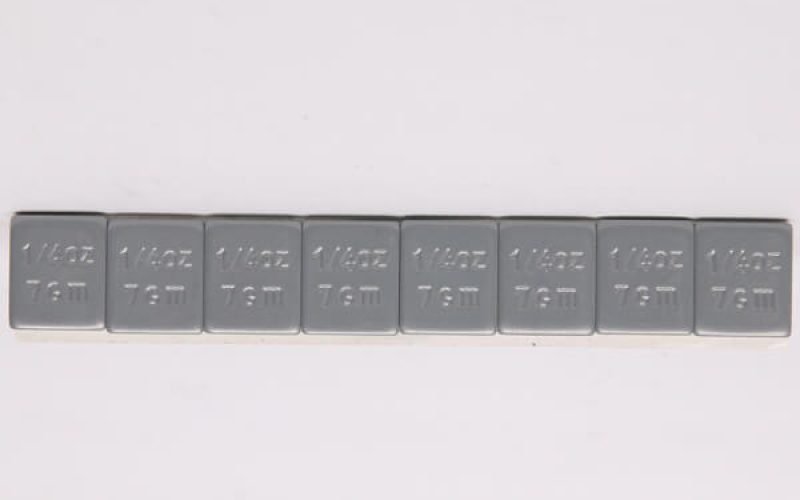
Nowadays, adhesive wheel weights have become the preferred choice for many vehicle owners. Simply peel off the backing and apply them directly to the inner surface of the wheel rim. This design ensures that your wheels remain consistently clean and aesthetically pleasing. Furthermore, you need not worry about the weights scratching or damaging the rim’s surface finish. Fortune brand adhesive weights are suitable for use on all types of wheels—particularly those featuring unique designs or polished surfaces.
The following section briefly explains why adhesive wheel weights deliver such exceptional performance:
| Advantage | Description |
|---|---|
| Aesthetic Integration | They blend seamlessly with the design of the wheels, without appearing out of place. |
| Safety and Performance | Balanced wheel hubs help you steer and brake safely. |
| Environmental Friendly | The coated counterweight features rust-resistant properties, making it even more durable—even in harsh weather conditions. |
Fortune offers lead-free, adhesive-backed wheel weights made from zinc and steel. These materials are environmentally friendly and comply with the strict regulatory requirements of many regions. Furthermore, they exhibit excellent corrosion resistance, ensuring that the weights do not rust or detach. Many of these lead-free weights are recyclable, contributing to our collective effort to keep the planet clean.
Tip: If you are using custom or alloy wheels, adhesive-backed weights are your ideal choice; they ensure a smooth ride while maintaining the clean, aesthetic appearance of your wheels.
Professional balancing
Sometimes, you need more than just the counterweights themselves. Professional wheel balancing services utilize specialized equipment to precisely pinpoint the exact locations on the wheel where balancing adjustments are required. Experts can ensure your wheels rotate with perfect smoothness by applying adhesive weights, balancing beads, or other solutions.
Below are some common types of wheel weights and a comparison of their features:
| Type of Weight | Effectiveness | Characteristics |
|---|---|---|
| Steel | Highly effective; requires a relatively small amount. | Durable and recyclable; however, if left uncoated, corrosion may occur. |
| Zinc | It performs exceptionally well in terms of shock absorption. | Eco-friendly and aesthetically pleasing. |
| Balancing Beads | Automatically adjusts based on driving dynamics. | Evenly distributes weight; suitable for all wheel types. |
You can consult your tire shop about Fortune’s full range of balancing products. They will assist you in selecting the products best suited to your wheels and driving style.
Not all wheels are suitable for use with clip-on wheel weights. To ensure driving safety and optimal performance, you must select the appropriate weights based on your specific wheel type. Please keep the following points in mind:
- First, verify whether your wheels feature a rim lip or are constructed from alloy material—this will assist you in selecting the correct weights.
- Prior to installing any wheel weights, be sure to thoroughly clean the rim surface to prevent vibrations from occurring later on.
- Choose Fortune brand wheel weights to achieve reliable dynamic balancing and ensure long-lasting durability.
- If you have any questions, please consult your vehicle manufacturer or a professional technician.
Selecting the right wheel weights not only ensures a smooth and comfortable driving experience but also helps maintain the pristine appearance of your wheels.
FAQ
Can I reuse clip-on wheel weights?
You should not reuse clip-on wheel weights. Once removed, their clamping force may diminish, potentially leading to poor wheel balance or even the risk of the weights detaching. To ensure optimal results, please be sure to use brand-new Fortune wheel weights.
How do I know which wheel weight to choose?
First, please identify your wheel type. Steel wheels are suitable for clip-on balance weights, while alloy or custom wheels require adhesive balance weights. If you are unsure, please consult a tire shop or refer to your vehicle’s owner’s manual.
Will adhesive weights fall off in bad weather?
No, Fortune’s stick-on balance weights utilize a strong, weather-resistant adhesive tape. They maintain a secure bond regardless of rain, snow, or high temperatures. Simply ensure that the wheel surface is cleaned and dried before application.
Are Fortune wheel weights safe for the environment?
That’s right! Fortune offers lead-free wheel balance weights made from zinc and steel. These materials not only comply with environmental standards but also boast excellent corrosion resistance. By choosing these products, you are contributing to the protection of our planet.
Tip: When installing wheel balance weights, please be sure to strictly follow the installation instructions. This helps ensure that your wheels remain balanced, thereby providing you with a smooth and steady driving experience.
 Request a quote