 03Mar
03Mar 
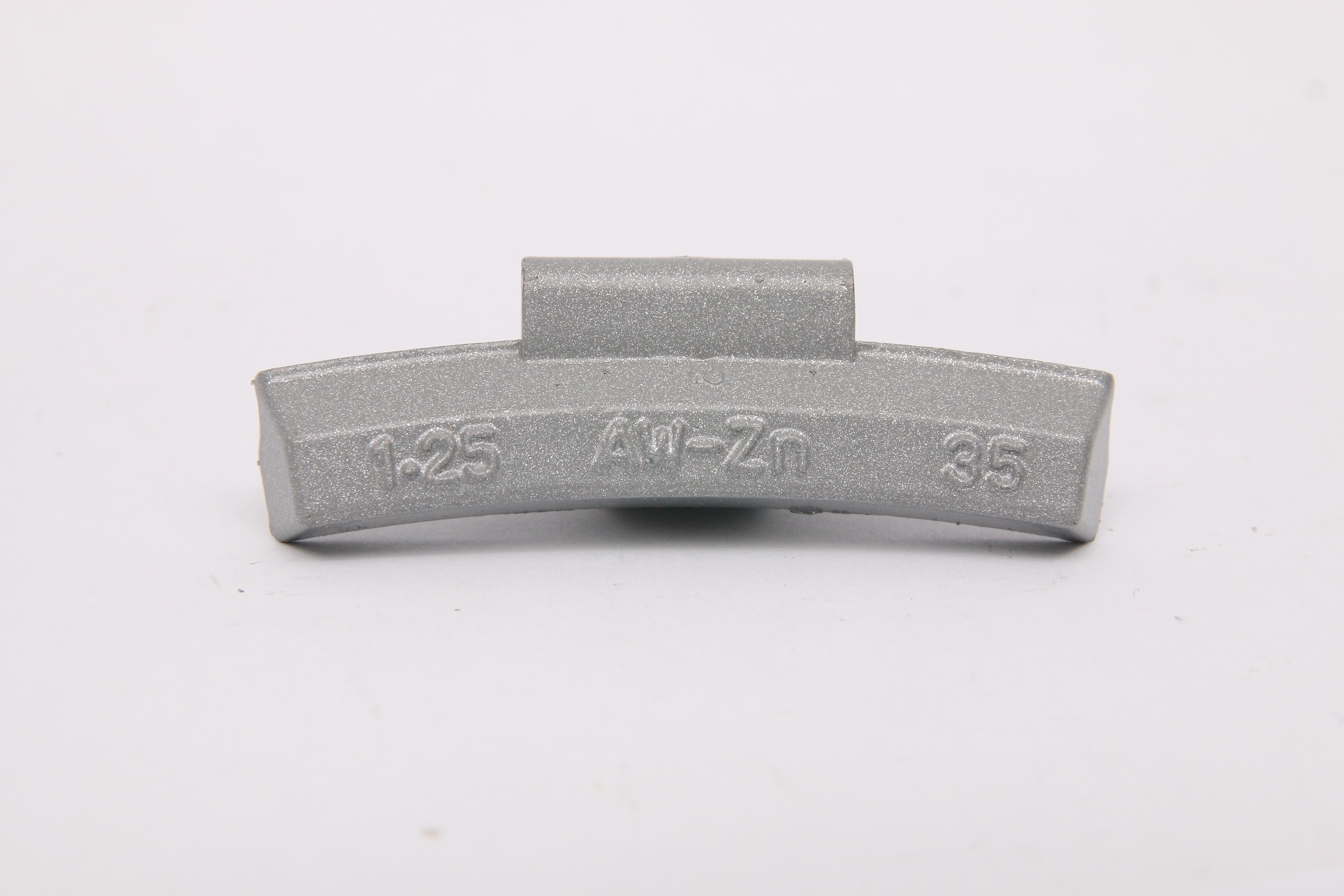
Many wheel weights still have lead in them. Safer wheel weight distribution options are becoming more popular. This is important because lead can hurt your health. It can cause nerve damage and heart problems. The dangers are not just for workers. Families and the environment can be harmed too. The table below shows how people can be exposed:
| Exposure Route | Description |
|---|---|
| Manufacture and Importing | Lead can get out during making and bringing in wheel weights. |
| Processing and Recycling | There are risks when recycling and working with lead wheel weights. |
| Disposal | Throwing away lead wheel weights can hurt the environment. |
| Residential Exposure | Workers can bring lead home from their jobs. |
Picking the best wheel weight material helps cars drive better. It also saves fuel. Lighter materials are better for the earth. People should think about how their choices affect their cars and the planet.
Key Takeaways
- Lead wheel weights can be bad for people and nature. Picking safer materials keeps families and the earth safe.
- Steel and zinc are non-lead choices used a lot now. They balance wheels well and are kinder to the planet.
- Many states have rules that do not allow lead wheel weights. These rules help people pick safer and greener choices.
- Lighter wheel weights make cars work better. They help cars handle well and use less gas.
- Drivers should look at their cars for lead weights. Choosing non-lead weights helps keep roads clean and people safe.
What Is a Wheel Weight?
Purpose of Wheel Weights
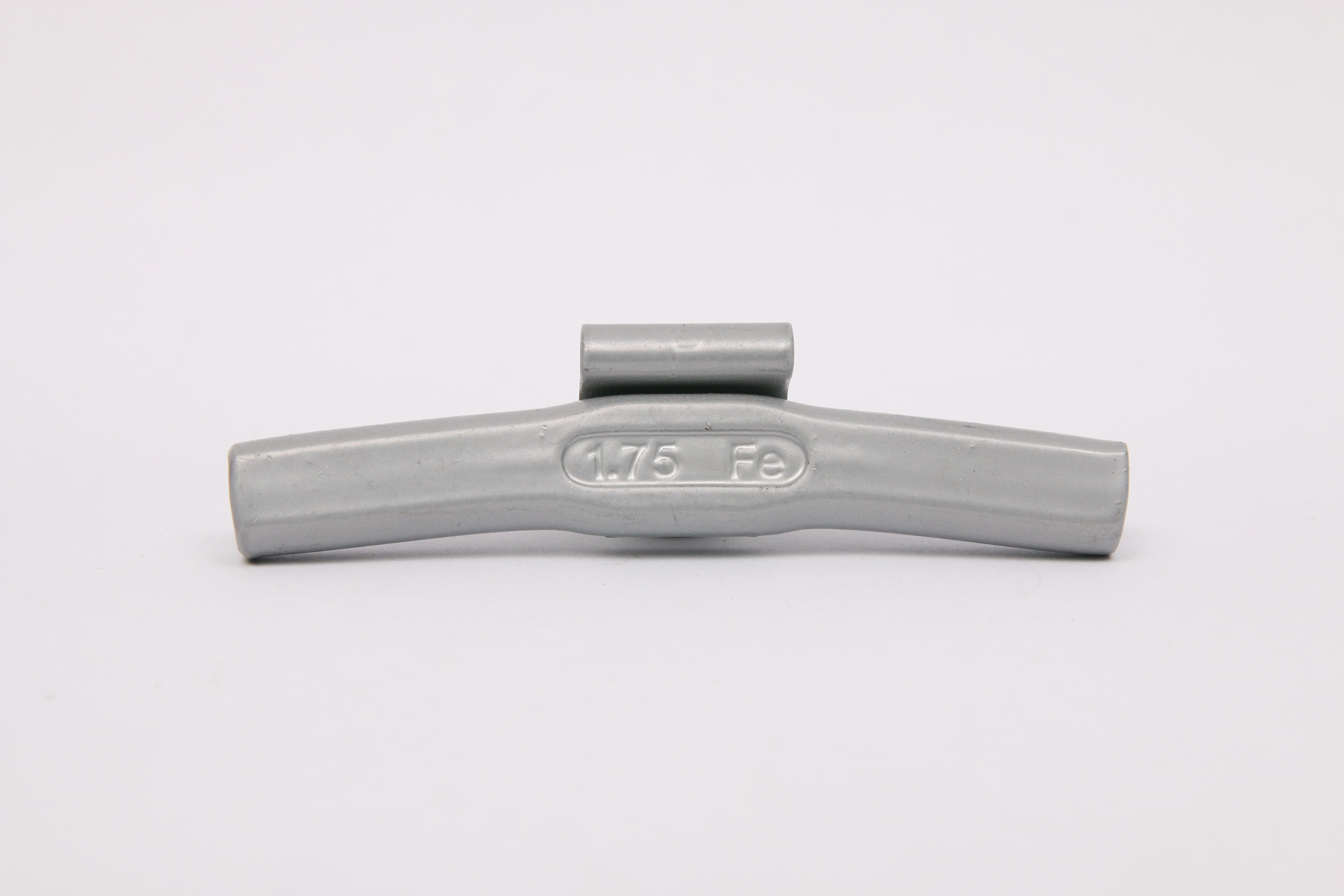
A wheel weight is a small part that goes on a car’s wheel. It helps keep the tire and wheel balanced. If wheels are not balanced, the car might shake. Tires can also wear out unevenly. Mechanics use appropriate wheel weights to fix these problems. This makes the ride smoother.
Wheel balancing is important for safe and smooth driving. It helps your car ride better. It also makes your tires last longer. Your car will run as smoothly as it can.
Wheel weights do a few things:
- Balance: They help the tire and wheel spin evenly. This cuts down on shaking and makes the ride better.
- Stability: They make the car more stable and help it grip the road. This is very important when driving fast.
The weight of the wheels matters for how the car drives. Lighter wheels make the car handle better. The suspension works faster with lighter wheels. This helps the car stay in control. It also helps drivers avoid accidents.
| Aspect | Effect on Vehicle Dynamics |
|---|---|
| Moment of Inertia | Changes how the car speeds up, slows down, and rides. It affects how the car handles. |
| Unsprung Mass | Lower unsprung mass helps the suspension work better. It keeps the tires on the road. |
| Suspension Response | Better response means the car grips the road more. This makes the car more stable. |
Types: Clip-On and Adhesive
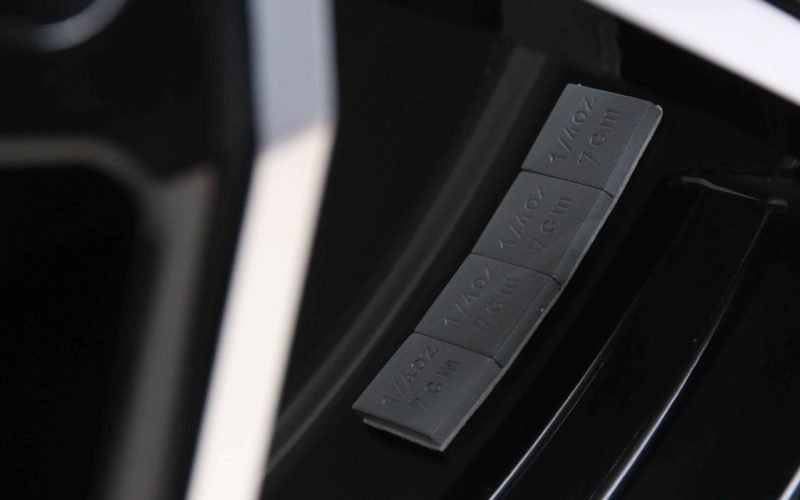
There are two main kinds of wheel weights: clip-on and adhesive. Each kind has its own good points. They fit different wheels.
| Feature | Adhesive Wheel Weights | Clip-On Wheel Weights |
|---|---|---|
| Aesthetic Advantage | Hidden behind the wheel, so wheels look clean | Metal clips show and can make wheels look less nice |
| Compatibility | Works with most new wheels | Only fits some types of wheels |
| Precision | Can be placed exactly where needed | Not as exact, usually put on the rim edge |
| Durability | Sticks well and does not fall off easily | Strong but might come off |
| Safety | No sharp edges, so safer to handle | Sharp edges can hurt your hands |
| Environmental Impact | Lead-free and can be recycled | N/A |
Adhesive wheel weights can be put in the perfect spot. They help stop shaking and work well at high speeds. Clip-on counterweights are easy to install and remove. Many people use them on different wheels. Both types of counterweights improve vehicle handling, reduce tire wear, and are suitable for a variety of car models.
Lead Wheel Weights: Past and Present
Why Lead Was Used
Manufacturers began using lead wheel weights in the 1930s. Lead is easy to shape and install on wheels. Due to its high density, even small lead weights can balance heavy wheels. Machinists preferred lead weights because they were less prone to shifting and did not rust. Furthermore, lead was cheaper than other metals, making it very popular.
Later, things began to change. Environmental concerns grew, and new regulations were introduced. Companies began searching for safer materials. Manufacturers are now reportedly using steel and zinc to replace lead. These new options help ensure public safety and protect the environment. Automakers in North America and Europe have switched to steel to protect the planet. Reducing lead use demonstrates companies’ commitment to environmentally friendly practices.
Health and Environmental Risks
Lead wheel counterweights can pose a threat to both humans and the environment. Lead can damage the nervous system and cause heart disease. Workers exposed to lead may bring it home and infect their families. Children are the most vulnerable group to lead poisoning. Lead can enter the human body through dust or dirt.
The analysis shows that about 23 to 26 metric tons of lead get into New Jersey’s environment every year from lead wheel weights. This is more than people thought before. This lead pollutes the environment and can make people sick, especially children, who are more likely to get hurt by lead.
When lead wheel weights fall off cars, they break down on the road. Rain can wash lead into streams and dirt. Animals and people can take in lead from the ground or water. These health problems have caused new laws and bans.
Many places have made rules to stop or ban lead wheel weights. The table below lists some of these rules:
| State/Region | Legislation Details |
|---|---|
| California | Banned selling new cars with lead wheel weights and stopped the sale of lead weights (since January 1, 2009). |
| Washington | Made similar rules to stop lead from getting into stormwater. |
| Other U.S. Regions | Some states and Canadian provinces have made similar rules to protect the environment. |
States with lead wheel weight laws are:
- California
- Illinois
- Maine
- New York
- Vermont
- Washington
Several states attempted to ban lead wheel ballast, but ultimately failed to pass legislation. New Hampshire, Minnesota, and Wyoming all tried, but all failed.
These regulations led to a shift from lead wheel ballast to safer materials. Today, the automotive industry uses steel and zinc to reduce pollution and ensure safety. The use of lead wheel ballast has decreased significantly, but it is still used in some older vehicles. People should inspect their vehicles and choose safer ballast if possible.
Non-Lead Wheel Weights and Alternatives
Common Non-Lead Materials
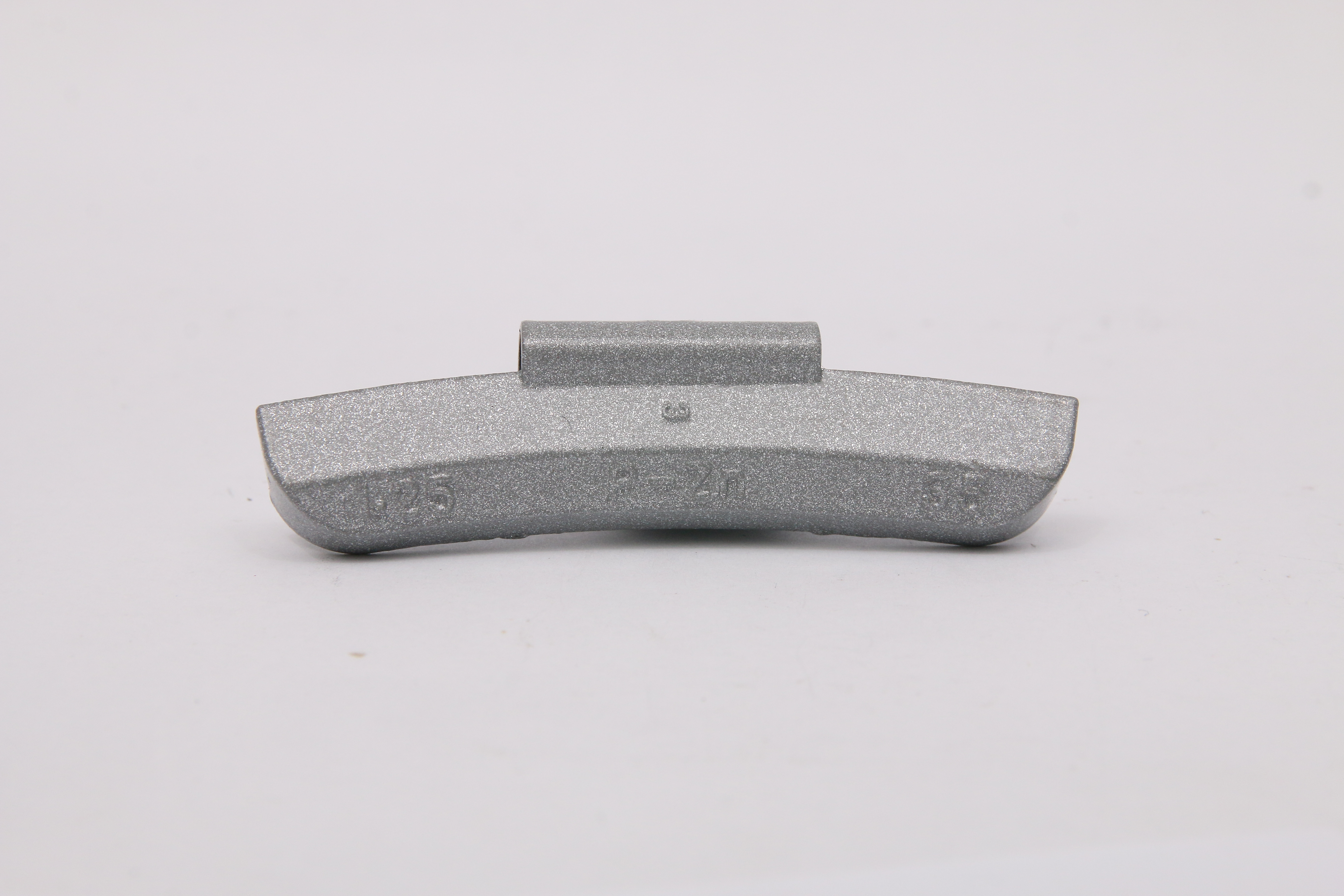
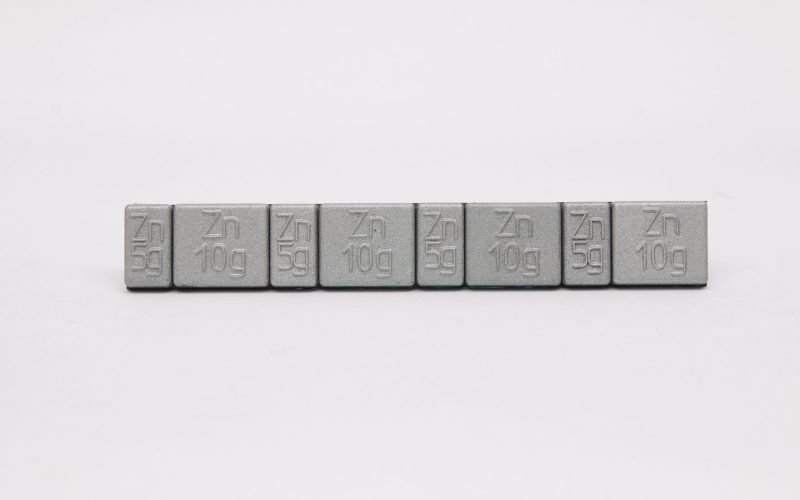
Many car owners and mechanics now use lead-free wheel weights. They want to ensure personal safety and protect the environment. The most commonly used materials are steel, zinc, and composite materials. Steel is strong, durable, rust-resistant, and recyclable. Zinc is also a common choice. It is softer than steel, so it won’t scratch the wheel rim during installation. Zinc is rust-resistant and its performance doesn’t decrease after recycling. Composite materials are made of plastics and other materials, are hard, and completely rust-free. These options allow car owners to choose the right lead-free weights according to their needs.
| Material | Key Benefits | Typical Use |
|---|---|---|
| Steel | Durable, cost-effective, recyclable | Most new vehicles |
| Zinc | Corrosion-resistant, softer, easy to install | Many passenger cars |
| Composite | Rust-proof, lightweight, eco-friendly | Specialty and high-end wheels |
Fortune sells many kinds of wheel weights. They have both old and lead-free types. This helps customers follow local rules. It also lets them pick safer weights for their cars.
Pros and Cons of Alternatives
Switching to lead-free weights has good and bad sides. Steel weights last a long time and do not cost much in the end. Zinc weights cost more but are better for the earth and easy to use. Composite weights do not rust and fit well, but they are the most expensive.
| Type of Weight | Advantages | Disadvantages |
|---|---|---|
| Steel | Durable, affordable, recyclable | Heavier than zinc or composite |
| Zinc | Eco-friendly, easy to recycle, gentle on wheels | Higher initial cost |
| Composite | Rust-proof, lightweight, high stiffness | Most expensive |
Lead-free weights help stop pollution and keep people safe from harm. Most new cars now use non-lead wheel weights. Drivers who choose these weights help make roads cleaner and towns safer.
Regulations and Industry Trends
Bans on Lead Wheel Weights
Many countries have enacted regulations to protect people and the natural environment. In the United States, nine states have banned the sale or use of leaded wheel ballast. These states hope to curb the harm caused by lead. The U.S. Environmental Protection Agency (EPA) investigated these hazards. The EPA found that the risk of lead to children is lower than some people believe, but states still want to protect everyone’s safety.
Maine has very strict regulations. The state bans the sale or use of leaded or mercury-containing wheel ballast. Since January 1, 2012, new vehicles in Maine have been prohibited from using such ballast. Other states, such as California and Washington, have similar regulations. These laws help protect the planet’s environment and make roads cleaner.
| Regulation | Description |
|---|---|
| Maine’s Ban on Lead & Mercury Wheel Weights | Starting January 1, 2011, the sale, distribution, or use of wheel weights containing lead or mercury is prohibited. |
| Impact on New Vehicles | From January 1, 2012, new vehicles registered in Maine cannot be equipped with lead or mercury wheel weights. |
| Alternatives Available | Auto parts suppliers offer wheel weights that do not contain lead or mercury, promoting the shift to safer materials. |
Market Shift to Non-Lead Options
Automakers have changed the way they produce cars. Since 2009, most new cars in the U.S. have used lead-free wheel weights. The Coalition for Automotive Innovation states that approximately 95% of new lightweight vehicles no longer use lead wheel weights. Companies have switched to zinc, steel, and other safety-conscious materials.
The automotive industry stopped using lead weights due to health and safety concerns. Lead-free wheel weights have a longer lifespan, are less prone to rust, and are recyclable. Many companies have invested in developing new methods to improve wheel weights. They hope to produce lighter, safer products that benefit the planet. This change aligns with global goals of cleaner and safer vehicles.
Many cars still use lead wheel weights. About 70,000 tons are used every year around the world. When lead wheel weights fall off, they can hurt people and nature. Most drivers now pick non-lead types like steel, zinc, or alloys.
Using non-lead wheel weights makes things safer. It also helps cut down on pollution. This is better for the earth.
People should look at their cars and choose safer wheel weights. Fortune sells both lead and non-lead wheel weights for all needs. Making good choices helps cars work well and keeps the planet safe.
| Trend | Description |
|---|---|
| Eco-Friendly Materials Rise | More drivers and makers choose safer, greener products. |
| Stronger Regulations | Laws push for less lead and more sustainable options. |
FAQ
Are all wheel weights made of lead today?
No. Many wheel weights now use steel, zinc, or composite materials. Most new cars use non-lead wheel weights. Lead weights still exist, but safer options are more common.
Why did manufacturers switch from lead to other materials?
Manufacturers switched because lead can harm people and the environment. Laws and health studies showed the risks. Steel and zinc offer safer choices for drivers and workers.
How can someone tell if their wheel weights contain lead?
A person can check the markings on the weight. Lead weights often show “Pb” or feel softer. Mechanics can also help identify the material.
Do non-lead wheel weights work as well as lead ones?
Yes. Steel, zinc, and composite wheel weights balance wheels just as well as lead. They also last longer and resist rust.
Can Fortune Wheel Weights help meet local regulations?
Yes. Fortune offers both lead and non-lead wheel weights. Customers can choose products that match their local laws and safety needs.
 Request a quote