 04Apr
04Apr 

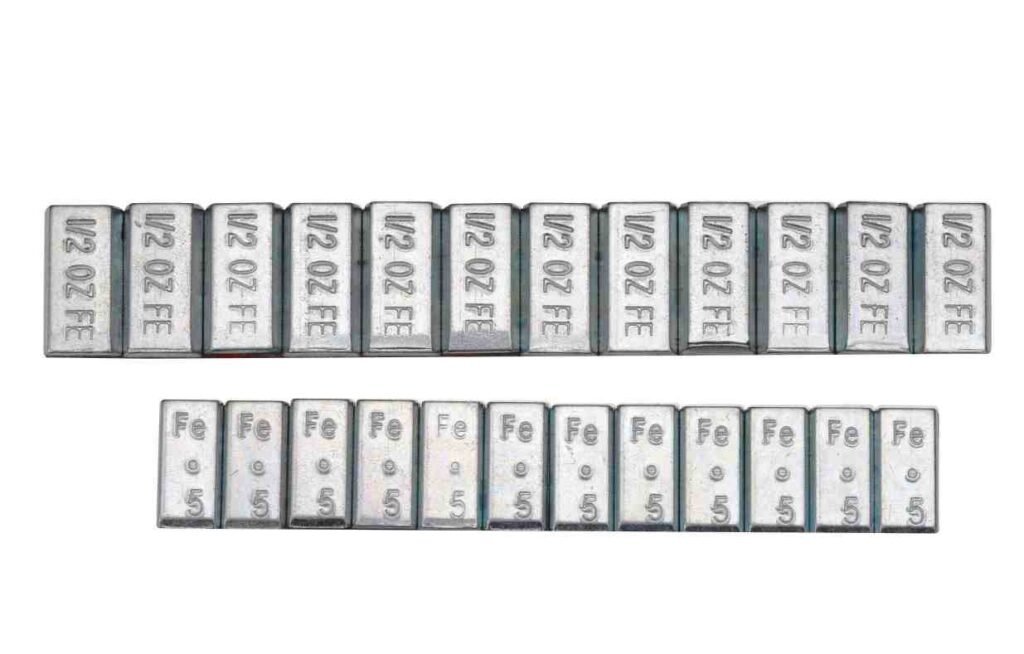
Are tractor wheel weights worth installing? For most tractor owners, the answer is a resounding yes. Adding wheel weights to your machine offers tremendous value for the following reasons:
- You will gain enhanced traction—a benefit that is particularly helpful when pushing or towing heavy loads.
- You will enjoy greater stability, ensuring that all four wheels remain firmly planted on the ground for safer, smoother operation.
- When no longer needed, the wheel weights can be easily removed—a process that is far more convenient than other alternatives.
If you demand exceptional quality and reliability, Fortune stands out as the undisputed premier brand in the field of tractor wheel weights.
Key Takeaways
- Tractor wheel weights improve traction, making heavy pushing and towing easier.
- They enhance stability, helping maintain balance and reduce rollover risk.
- Easy installation and removal make them more convenient than other counterweights.
- They help lower operating costs by extending tire life and reducing fuel consumption.
- Selecting the right wheel weights based on tractor model and usage ensures optimal performance.
Key Benefits of Tractor Wheel Weights
Stability and Safety
You certainly want your tractor to remain stable—especially when operating on slopes or uneven terrain. Wheel weights help maintain the tractor’s balance by lowering its overall center of gravity, giving you a greater sense of control and confidence during operation. This is crucial whether you are engaged in tilling, hauling, or snow removal tasks. By effectively reducing the risk of vehicle rollover, these weights ensure the safety of both you and your equipment.
Fortune has established a solid reputation within the industry for the exceptional quality of its reliable wheel weights. You can choose from products made of various materials to suit your specific needs—such as eco-friendly, lead-free zinc or steel. These diverse options offer you peace of mind, as you can rest assured that you are utilizing high-quality products that are both safe and durable.
Traction and Performance
Have you ever struggled to get your tractor moving after getting stuck in mud or snow? Installing counterweights can make a significant difference. By precisely applying extra weight exactly where you need it most—directly onto the wheels—they effectively enhance your tires’ ground traction.
The greater the weight, the stronger the traction. This is particularly crucial when pushing or towing heavy loads, as it helps ensure that all four of your tractor’s wheels remain firmly planted on the ground. This establishes solid contact with the terrain, thereby safeguarding operational safety and ensuring optimal performance.
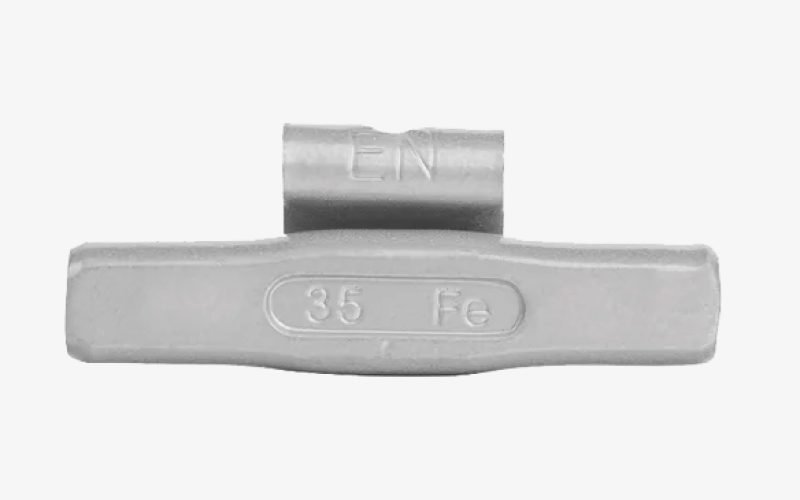
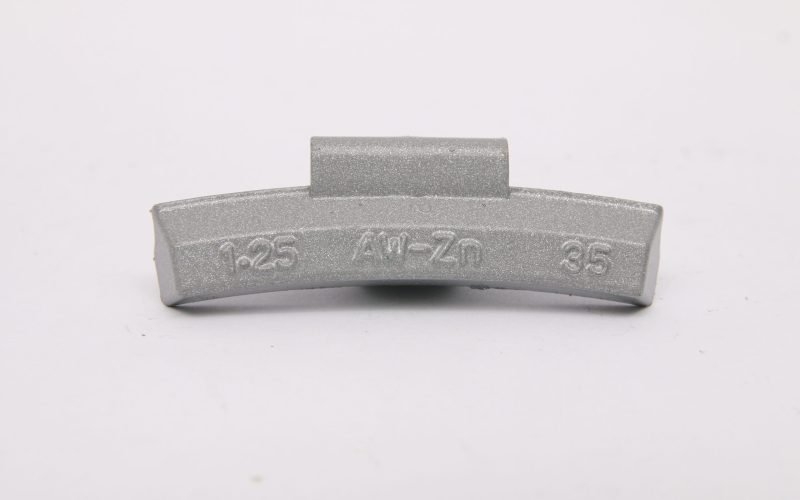
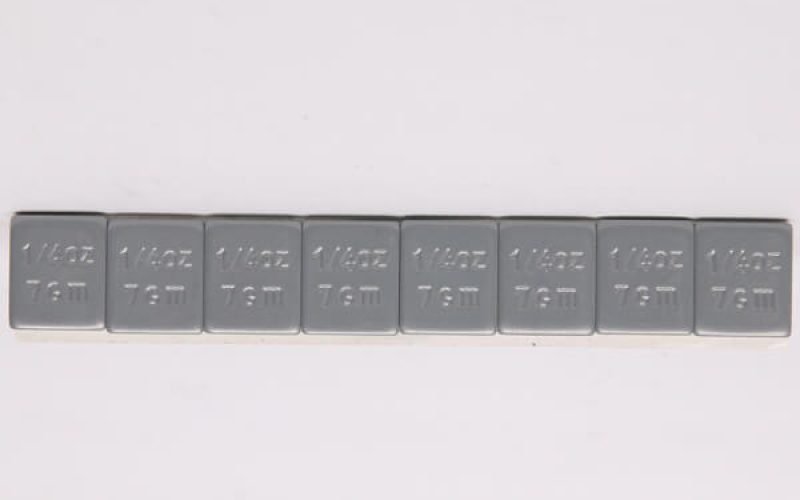
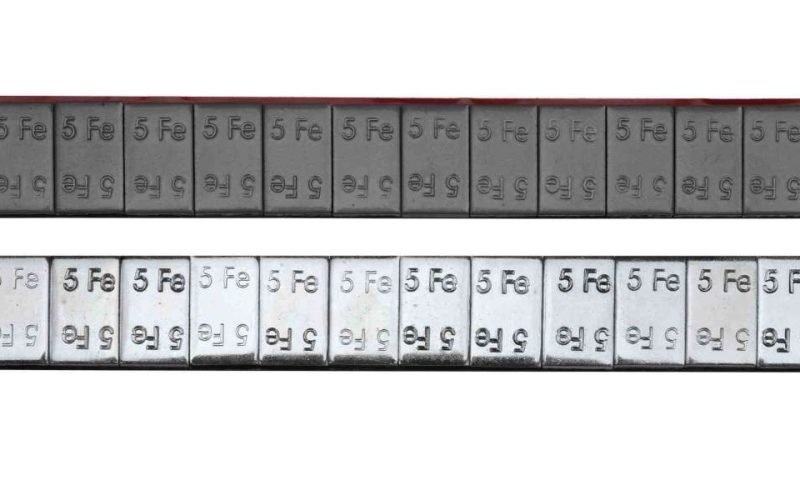
You will find that starting and stopping your tractor becomes much smoother. Furthermore, even when working on rugged or challenging surfaces, wheel slippage will be drastically reduced. The Fortune brand offers two types of wheel counterweights—clamp-on and stick-on—allowing you to select the option that best suits your specific tractor requirements.
Fuel Efficiency and Tire Life
The function of counterweights extends far beyond merely enhancing traction; in the long run, they can also save you money. When a tractor remains properly balanced, tire wear becomes more uniform, thereby reducing the need for frequent tire replacements. This translates directly into reduced time and financial investment in maintenance and upkeep.
Furthermore, maintaining tire balance helps boost the tractor’s fuel efficiency. You will no longer waste energy due to wheel slippage or poor traction. Fortune brand counterweights are engineered for exceptional durability, ensuring that you continue to reap these tangible benefits for years to come. Moreover, our available lead-free counterweight options allow you to contribute to environmental protection while simultaneously ensuring the smooth and efficient operation of your tractor.
Tractor Wheel Weights vs. Other Ballast Options
Wheel Weights vs. Tire Ballast
You might find yourself debating: should you opt for wheel weights, or inject liquid ballast into the tires? Wheel weights add solid mass directly to the wheel assembly. They remain firmly fixed and immobile—they will not dislodge, even in the event of a slow leak or a blowout. Consequently, you need not worry about liquid spills or the loss of ballast should the tire be punctured. Liquid tire ballasts—such as Rim Guard—are stored directly inside the tire cavity. This effectively lowers the tractor’s center of gravity, thereby significantly enhancing vehicle stability. Some operators prefer liquid ballast because it distributes weight evenly and maintains its performance capabilities even in cold weather conditions.
However, if the tires eventually need to be replaced, liquid ballast can create a messy cleanup situation. Furthermore, using an unsuitable type of liquid could lead to corrosion on the interior surfaces of the rims. In contrast, wheel weights present none of these concerns; moreover, they can be easily removed whenever the need for additional ballast has passed.
Wheel Weights vs. Frame Weights
Frame weights are mounted directly onto the tractor’s chassis. While they help balance the overall machine, they do not apply weight directly to the wheels. This means that, compared to using wheel weights, you may not achieve the same level of traction. Furthermore, installing and removing frame weights can be physically demanding; you may require tools or assistance from others to handle them.
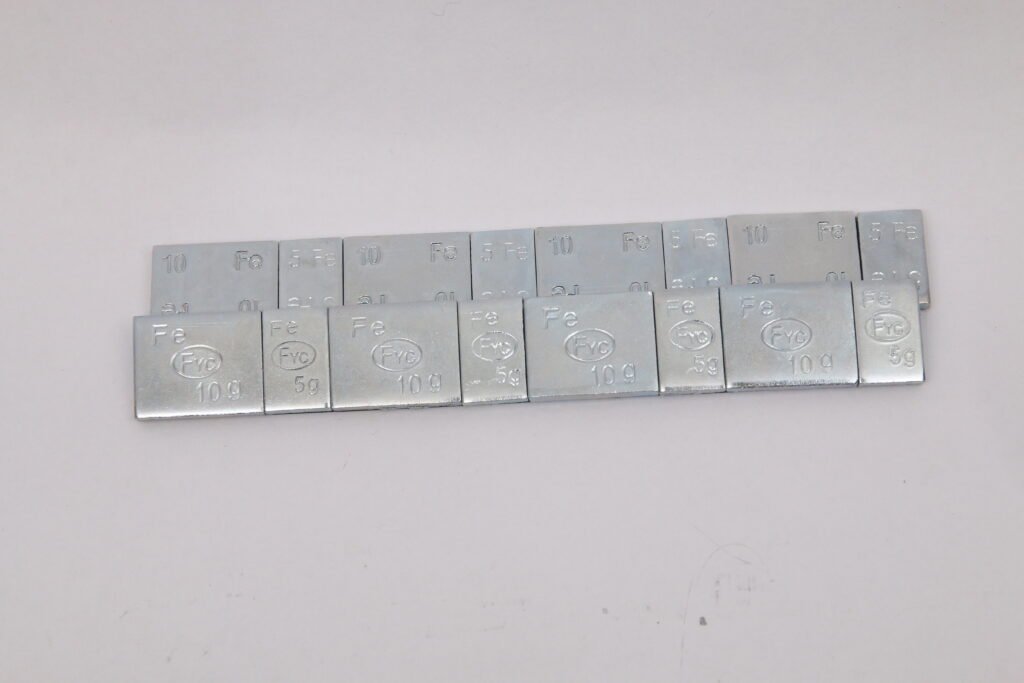
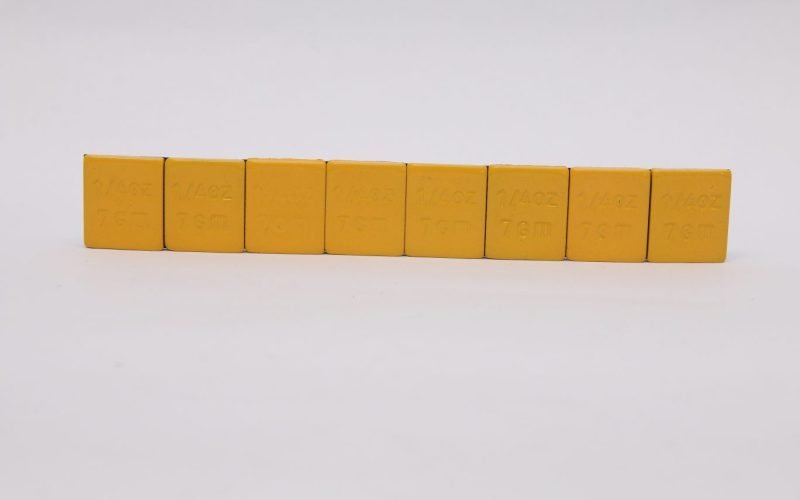
In contrast, wheel weights feature a simple design. From the Fortune product line, you can choose between clip-on and adhesive-style weights. Clip-on weights are secured to the rim via clips, while adhesive weights adhere directly to the wheel’s surface. Both types are easy to handle and are compatible with a wide range of tractor models.
Pros and Cons Comparison
Here is a brief overview of the key points:
- Wheel weights provide stable counterweighting without the risk of leaks or spills.
- While liquid ballast (water ballast) can lower the center of gravity, it can be messy to handle and is prone to causing rust issues.
- Frame weights help improve overall vehicle balance, though their effectiveness in enhancing traction is relatively limited.
- Installing and removing wheel weights is remarkably simple—particularly with the clip-on and adhesive-backed products offered by the Fortune brand.
- When using wheel weights, you need not worry about losing your ballast due to a flat tire.
Tip: If you are seeking a simple and reliable solution, wheel weights are undoubtedly an excellent choice for most tractor owners.Practical Considerations for Tractor Wheel Weights
Placement and Compatibility
Naturally, you want your tractor to operate robustly, safely, and reliably. The positioning of counterweights is, therefore, of critical importance. Here are several key points you should keep in mind:
- Whenever possible, mount counterweights in a low position. This helps enhance the tractor’s traction and ensures safety when operating on sloped terrain.
- Position the counterweights close to the vehicle’s center of gravity. This ensures that the weight is distributed evenly across all four wheels.
- Always ensure that the counterweights do not obstruct the proper functioning of any moving parts or implements.
- Avoid subjecting the tractor to excessive loads whenever possible. Doing so helps extend the machine’s service life.
Not all counterweights are suitable for every tractor model. You must select the appropriate counterweights based on your tractor’s wheel size and specific model. The following is a brief guide to counterweight compatibility for various tractor models:
| Tractor Model | Wheel Size | Weight Compatibility |
|---|---|---|
| Deere 1025 | 12″ rear | Compatible with 12″ weights |
| Deere 1026 | 12″ rear | Compatible with 12″ weights |
| Older 400 | N/A | Needs special weights |
| Other Models | N/A | Check your wheel style |
Fortune offers clip-on and adhesive weights to help you find the right matching solution for most tractors.
Maintenance and Durability
Naturally, you want your wheel weights to be durable. Weather conditions have a significant impact on this. If the tractor is parked outdoors, rain—as well as extreme cold or heat—can accelerate the wear of the rubber components. Over time, this rubber may harden or even crack. This means you might have to replace the wheel weights sooner than expected. Therefore, whenever possible, try to park your tractor indoors. Additionally, inspect the wheel weights periodically to check for any signs of wear.
Finding the Right Balance
Maintaining proper weight balance helps enhance your tractor’s operational performance and ensures your safety. The ideal weight distribution is approximately 60% on the rear axle and 40% on the front axle. You should match the tractor’s total weight to its horsepower output. For most routine operations, a ratio of approximately 35 kilograms per horsepower is recommended; however, for heavy-duty towing tasks, this ratio may need to be increased to 55 kilograms per horsepower. You can ensure the tractor remains stable by utilizing a combination of rear, front, and wheel weights. Excessive weighting not only leads to increased fuel consumption but also accelerates wear on the axles. Be sure to regularly check your tire pressure and pay close attention to the tractor’s handling response. If the weight becomes unbalanced, the tractor faces a risk of tipping over—particularly when operating on sloped terrain. Safety comes first!
Drawbacks and Limitations of Tractor Wheel Weights
Cost and Investment
You may find that outfitting your tractor with wheel weights is often not an inexpensive undertaking. The cost may come as a surprise—particularly when compared to alternative ballasting methods, such as liquid ballast. The following points are worth noting:
- Compared to liquid ballast, iron wheel weights typically carry a higher price per unit of weight (per pound).
- You may need to purchase additional mounting brackets to securely attach the wheel weights to your tractor.
- “Suitcase-style” weights are expensive and occupy valuable space on the tractor’s three-point hitch system.
Despite the high upfront investment, adding wheel weights can indeed enhance your tractor’s operational performance. Increasing the tractor’s overall weight boosts both traction and stability, enabling you to complete various tasks more efficiently. However, you must also consider the long-term operating costs. Increased weight can lead to higher fuel consumption and create additional maintenance demands. By carefully managing the amount of ballast used, you can effectively prevent excessive soil compaction. A healthy soil environment helps ensure that your tractor retains its value and utility for years to come.
Tip: Assess your specific situation by considering how frequently you use your tractor and the types of tasks you perform most often. This will help you determine whether investing in wheel weights constitutes a wise and cost-effective decision for your needs.
Wear and Tear Concerns
Adding ballast to a tractor alters its handling characteristics and affects the service life of certain components. You may be concerned that this could accelerate wear on the tires or axles. However, the good news is that—provided wheel ballast is applied correctly—it can actually help extend the tractor’s overall service life. The following is a brief overview of the impact ballast has on the machine:
| Benefit | What It Means for You |
|---|---|
| Increased traction | You can tow heavier loads without slipping. |
| Increased tire life | Less slippage means your tires wear out more slowly. |
| Extend the Service Life of Tractors | Smoother traction can reduce the shock and wear experienced by the tractor and tires. |
| Increased fuel savings | Smoother operation can save you on fuel costs. |
| Better tire profile | Your tires maintain a good, round shape, thereby ensuring even wear. |
| A smoother, more effortless driving experience | A lower center of gravity helps you turn safely and comfortably. |
If counterweights are excessively heavy or improperly positioned, they may lead to accelerated wear on the axles or tires. Please be sure to consult the User Manual and pay close attention to the tractor’s operating status and feedback. With just a little careful maintenance, you can ensure that your machine consistently delivers powerful performance.
Choosing the Right Tractor Wheel Weights
Factors to Consider
Selecting the right counterweights for your tractor can sometimes feel a bit tricky, but by asking yourself a few simple questions, you can make the process quick and easy. First, consider the specific model and size of your tractor, as well as the primary tasks you perform on a daily basis. If you operate a compact tractor used mainly for mowing or light hauling, you may require fewer counterweights than someone who needs to plow fields or lift heavy loads. Additionally, be sure to consult your tractor’s owner’s manual to verify its weight limits and recommended specifications.
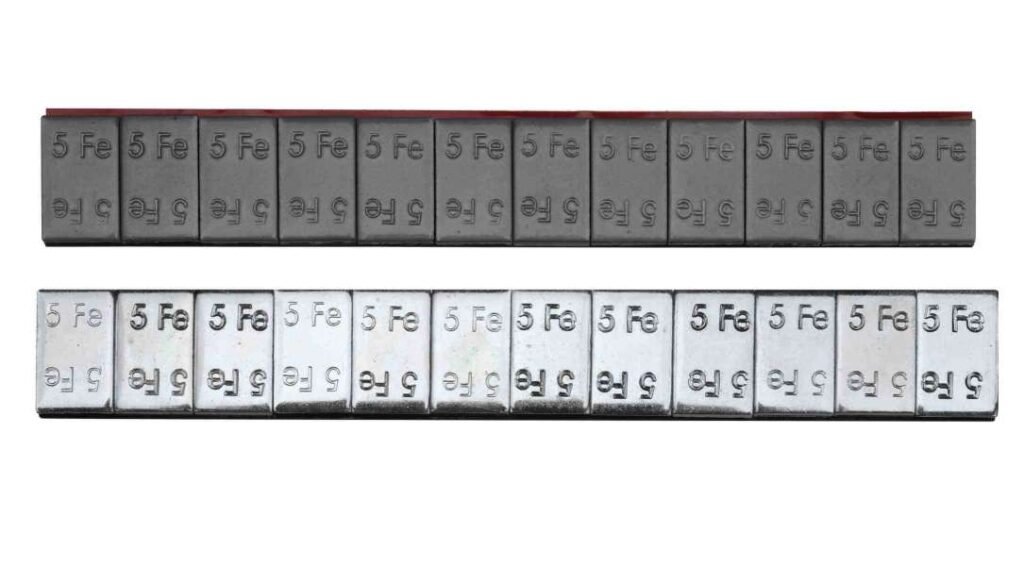
Next, pay attention to the type of wheels or rims your tractor is equipped with. Some tractors are better suited for clip-on counterweights, while others are more compatible with adhesive-style weights. The Fortune brand offers both types, giving you the flexibility to choose the option that best fits your specific needs. If environmental sustainability is a priority for you, you can also opt for lead-free counterweights made from zinc or steel. These eco-friendly alternatives help protect the safety of your land and water sources.
Furthermore, you should consider how frequently you anticipate needing to add or remove counterweights. If your work involves frequently switching between different tasks, choosing counterweights that are easy to install can save you a significant amount of time. Fortune brand products are renowned for their quick installation and secure attachment.
Tip: Always double-check to ensure that the counterweights you select are compatible with your wheel size and that they do not interfere with the proper operation of any moving parts on your tractor.
Real-World Scenarios
Let’s look at a few examples of practical application. If you use your tractor for snow removal during the winter, you require extra traction. Installing wheel weights helps the tires maintain a firm grip on the ground, thereby preventing slippage on icy driveways. If you are using a garden tractor for lawn mowing, adding lighter counterweights ensures stability when operating on slopes without damaging your lawn.
For farmers who need to tow heavy plows or trailers, increasing the vehicle’s weight is an essential means of boosting traction. Fortune’s clip-on weights are ideally suited for such tasks, as they allow you to easily add or remove weight whenever your specific needs dictate. If you prefer your tractor to have a cleaner, more streamlined appearance, consider opting for adhesive weights—not only are they highly discreet, but they also effectively protect your wheel rims from scratches.
Regardless of your specific operational requirements, Fortune offers an ideal solution that is perfectly tailored to your tractor model and your unique work habits.
Tractor wheel weights provide you with enhanced traction, greater stability, and a safer operating experience—particularly when utilizing heavy-duty implements or working on sloped terrain. Although the initial investment may be slightly higher, you will be rewarded with a smoother ride and extended tire lifespan. Experts recommend that, to achieve optimal results, you should select wheel weights specifically matched to your tractor’s particular model:
| Tractor Type | Front Weight | Rear Weight |
|---|---|---|
| 2WD | 25% | 75% |
| FWA | 40% | 60% |
| 4WD | 60% | 40% |
Please take into account both your operational requirements and the specific needs of your tractor. If you seek exceptional quality and a convenient solution, Fortune wheel weights are a wise choice.
FAQ
How do I know if my tractor needs wheel weights?
If your tractor experiences wheel slippage, feels unstable, or appears at risk of tipping over, you may need to install wheel weights. You can also consult your owner’s manual for further recommendations. Wheel weights provide effective assistance when operating heavy implements or working on sloped terrain.
Can I install Fortune wheel weights myself?
Yes, you can. Fortune’s clip-on and adhesive wheel balance weights are easy to install; simply follow the instructions provided. Most people can complete the installation using only basic tools. If you require assistance, please consult your dealer.
Will wheel weights damage my tractor tires?
No, provided they are installed correctly, wheel balance weights will not damage your tires. In fact, by reducing slippage and uneven wear, they can actually help extend the lifespan of your tires. After installing the balance weights, be sure to check your tire pressure.
Are lead-free wheel weights better for the environment?
That’s right! Lead-free materials—such as zinc or steel—are safer for both the soil and water sources. Fortune offers both of these options, allowing you to select the solution that best suits your specific needs and land conditions.
How much weight should I add to my tractor wheels?
Please consult the tractor’s operator’s manual to confirm specific weight requirements. Generally, for most operations, a guideline of 35 kilograms of weight per horsepower is appropriate; however, for heavy-duty traction tasks, the ballast weight may need to be increased to 55 kilograms per horsepower. To achieve optimal performance, ensure that the ballast is distributed evenly.
 Request a quote